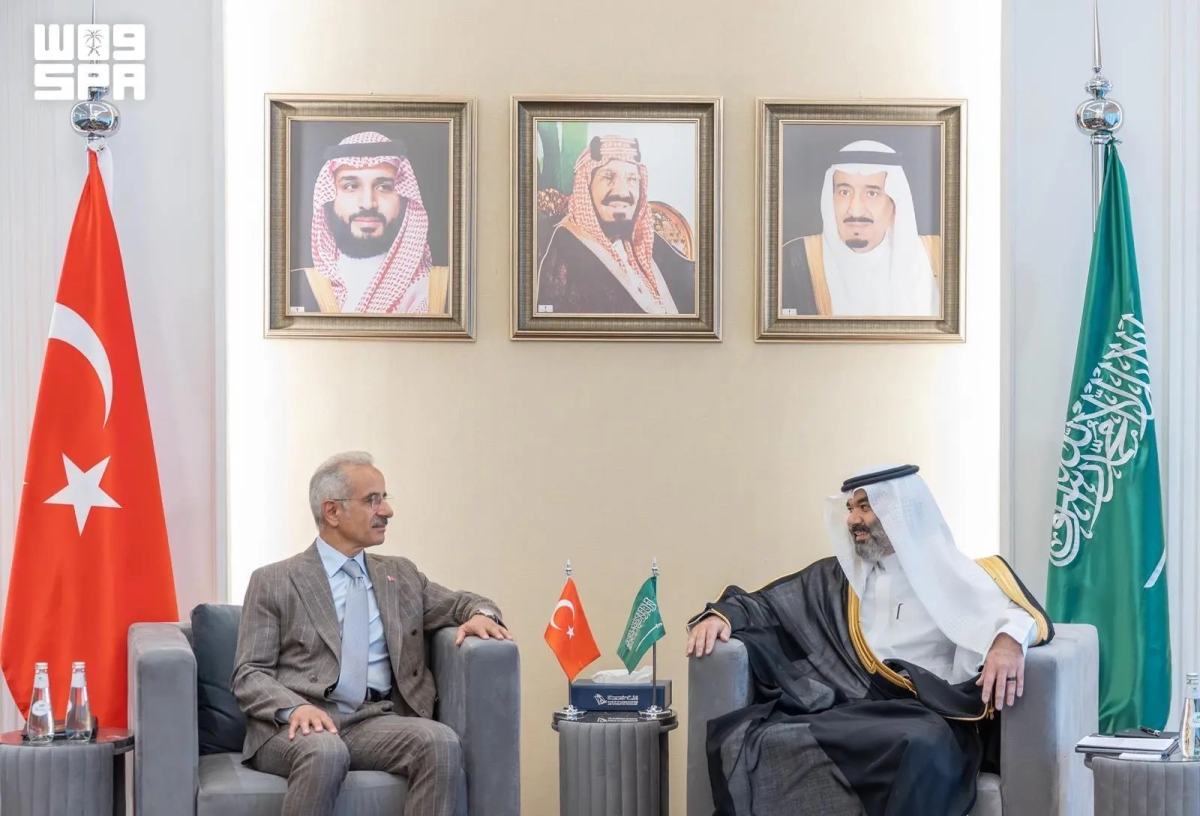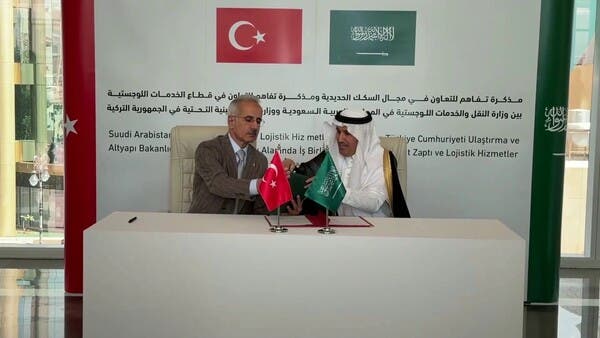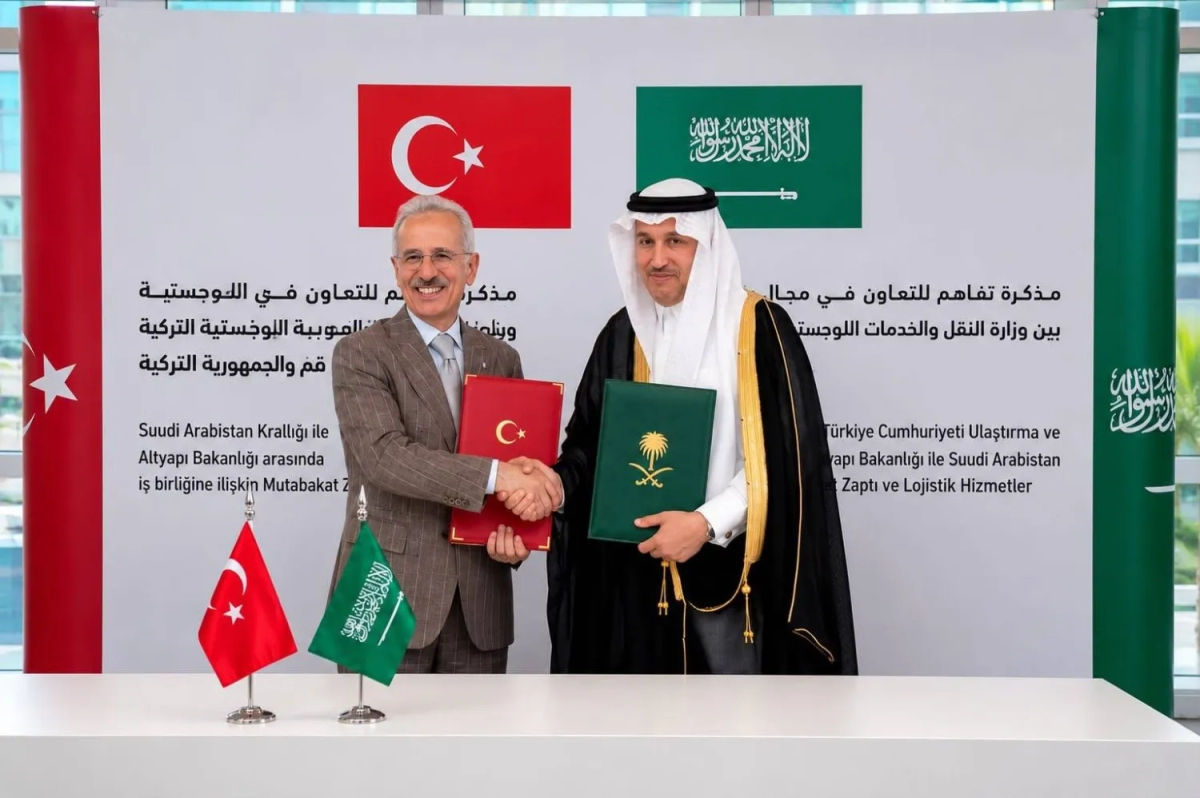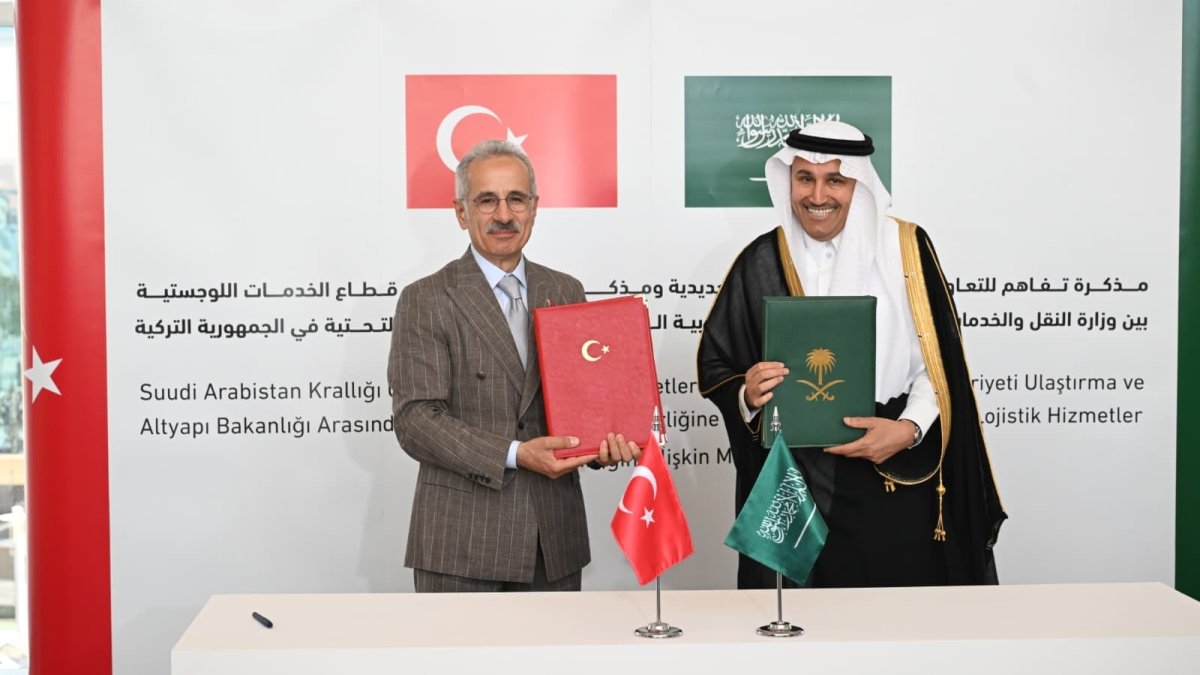
On June 9, Türkiye and Saudi Arabia signed two memoranda of understanding in Riyadh: one on railway cooperation reviving the historic Hejaz Railway through Syria and Jordan, and the other on logistics, accompanied by plans for a terrestrial fiber-optic route along the same geography. A joint feasibility study is due before the end of the year, with a long-term vision extending the line toward Oman and the Indian Ocean.
Read as a news item, this is a railway agreement. Read correctly, it is the latest piece of a design Ankara has been assembling for over a decade. The Development Road through Iraq, the Middle Corridor across the Caspian, the energy transit architecture, and now the revival of the Hejaz Railway and a digital backbone are not a portfolio of separate projects, but components of a single strategic geometry, and that geometry is what deserves analysis.
From heartlands to nodes
A century ago, Halford Mackinder taught strategists to see power as a contest between those who command the land and those who command the sea. That dichotomy has quietly expired. Power now accrues to the nodes where flows of goods, energy and data converge and can be assured, and states are competing to mint this new currency: China through the Belt and Road (BRI), India and its partners through the India-Middle East-Europe Economic Corridor (IMEC), the Gulf monarchies through ports, rail and cables.