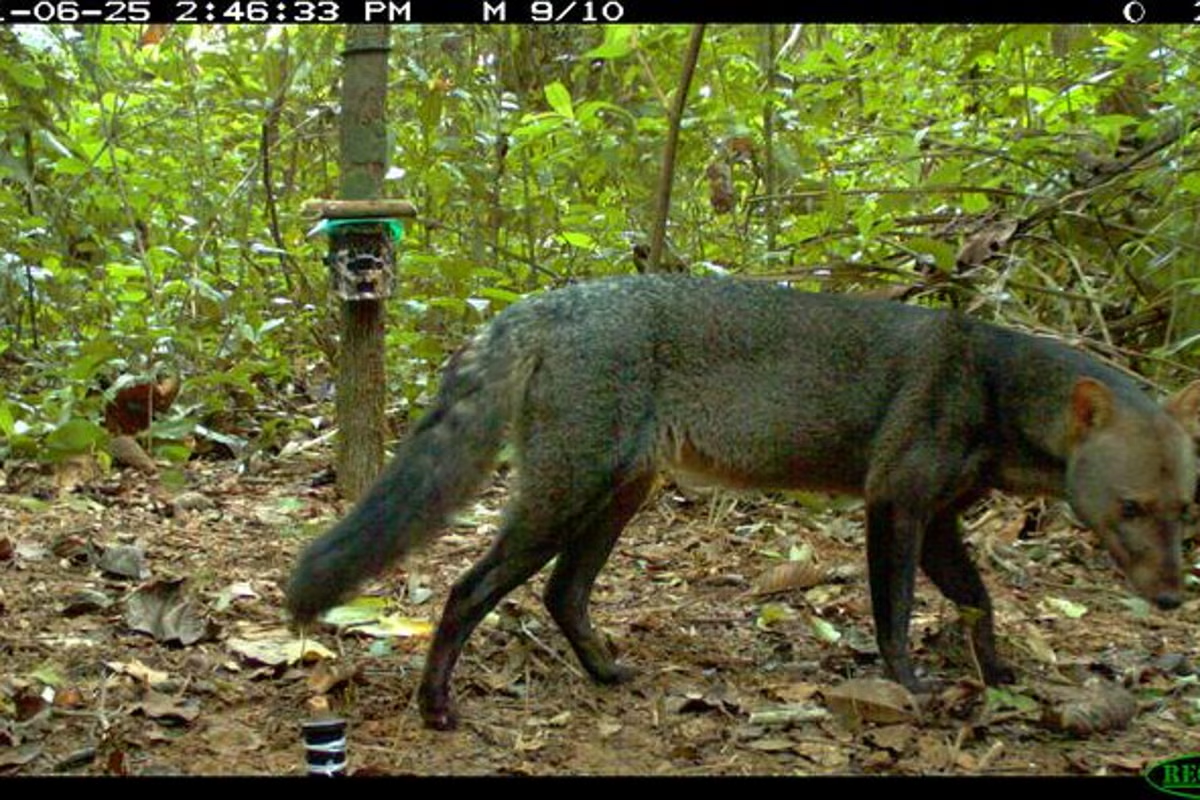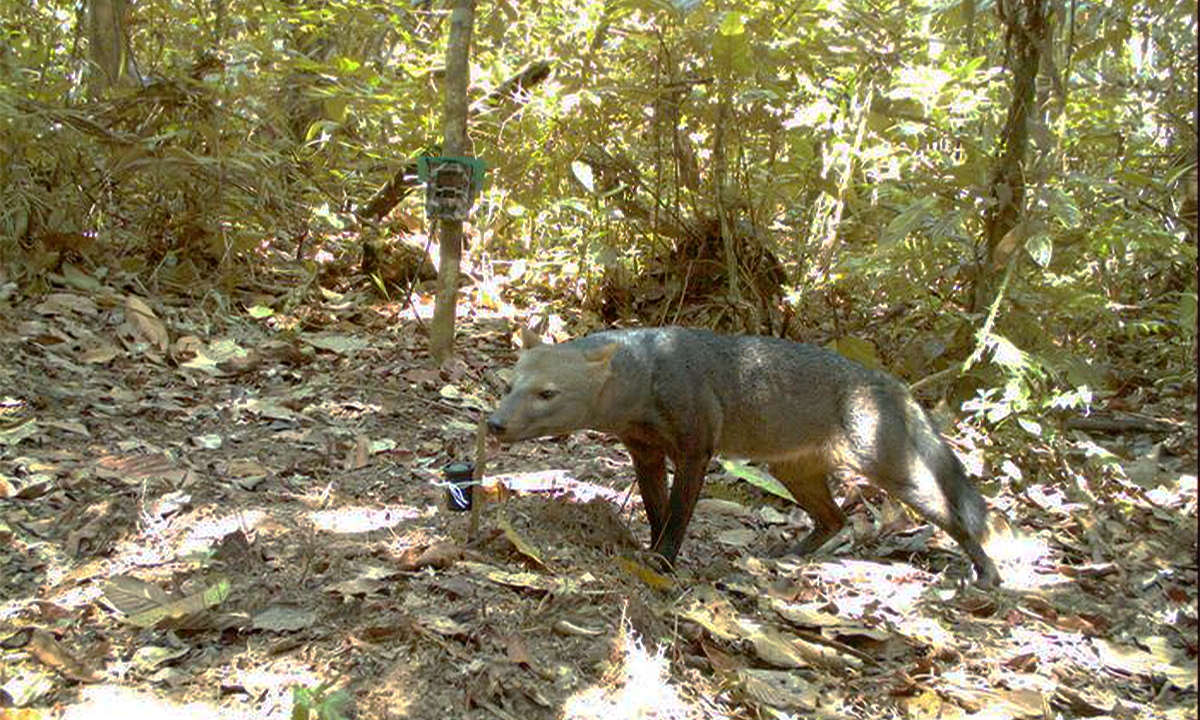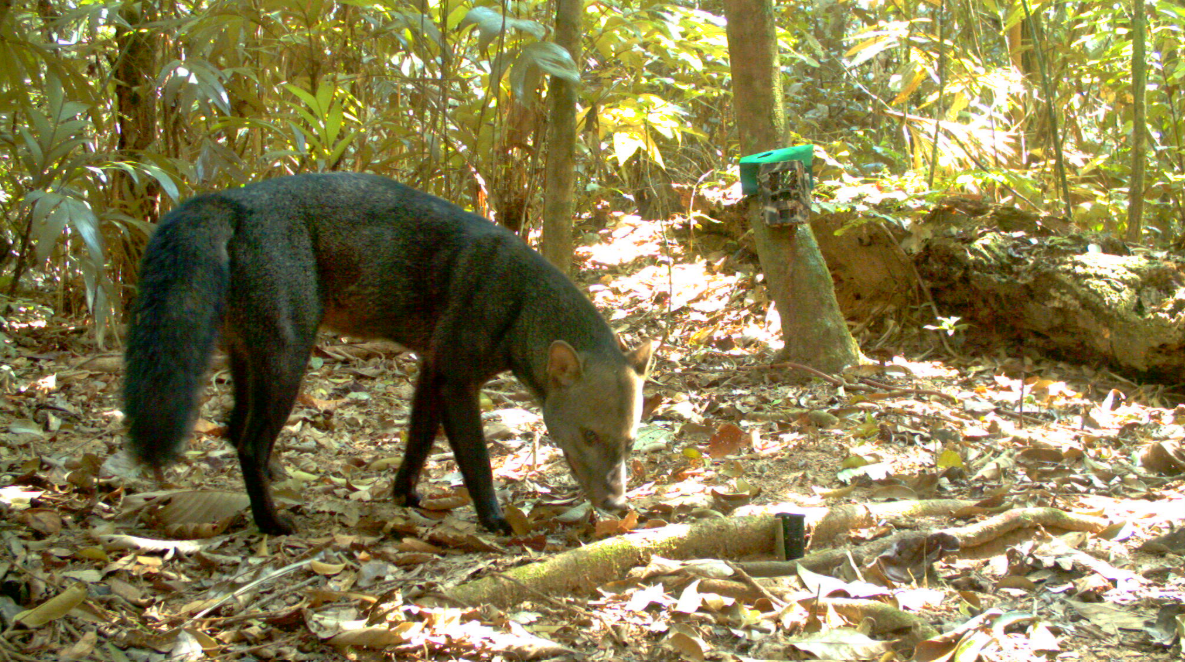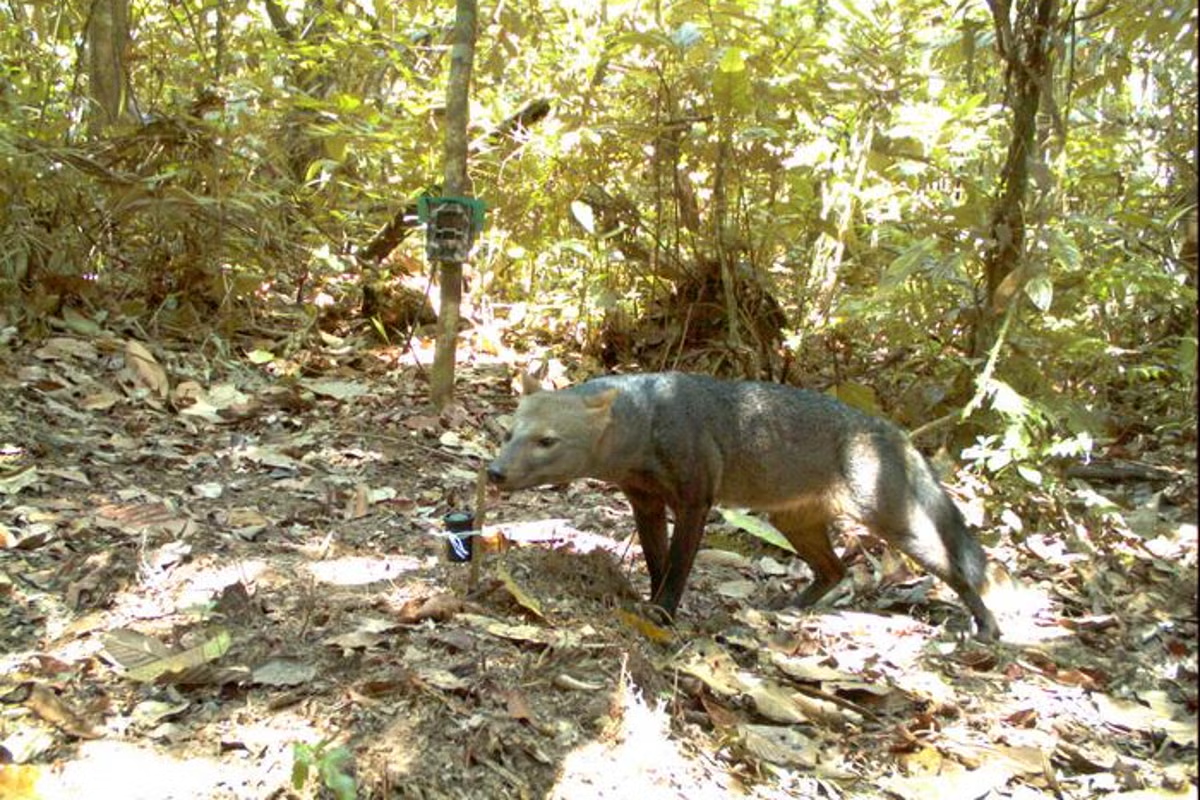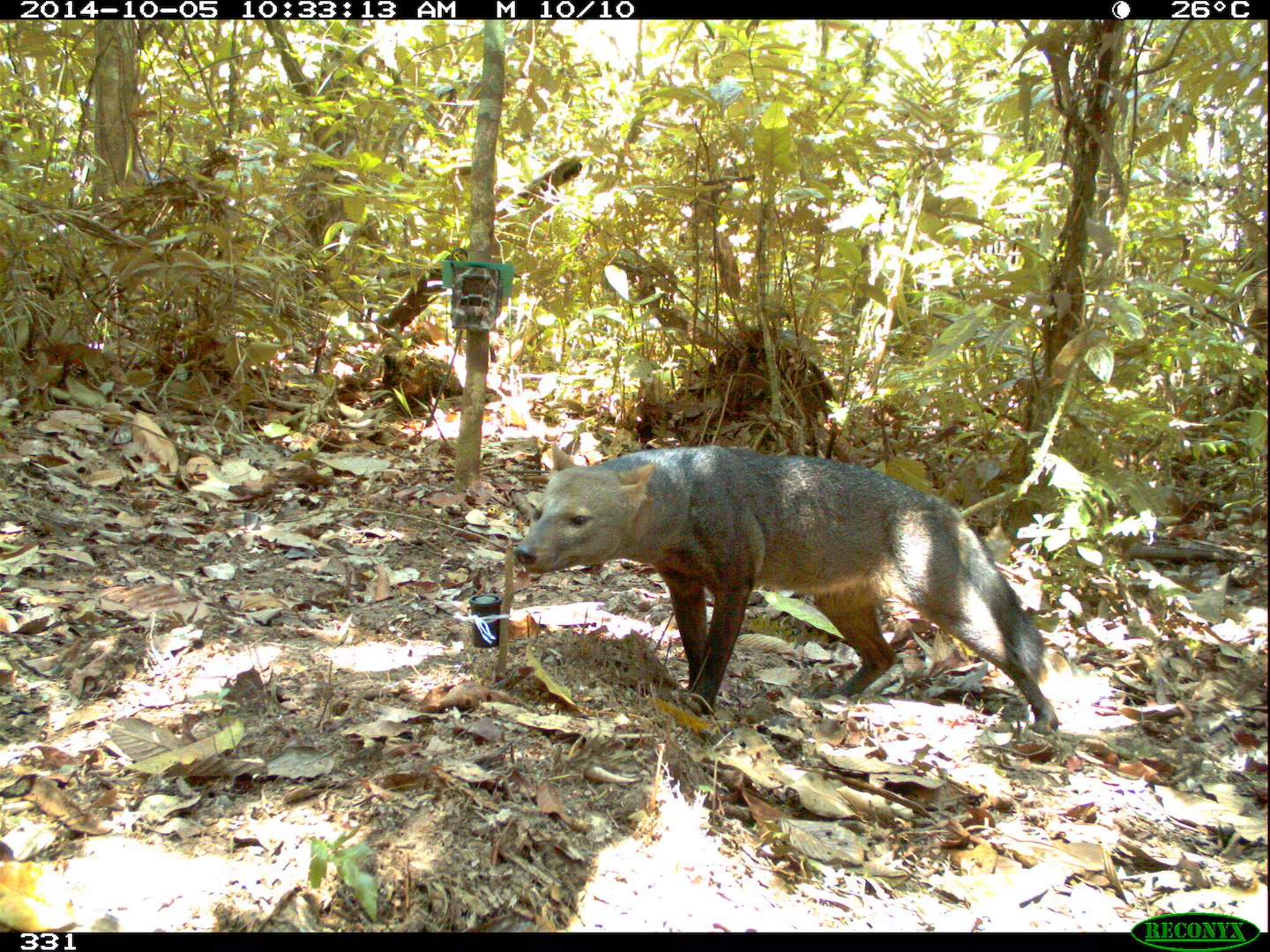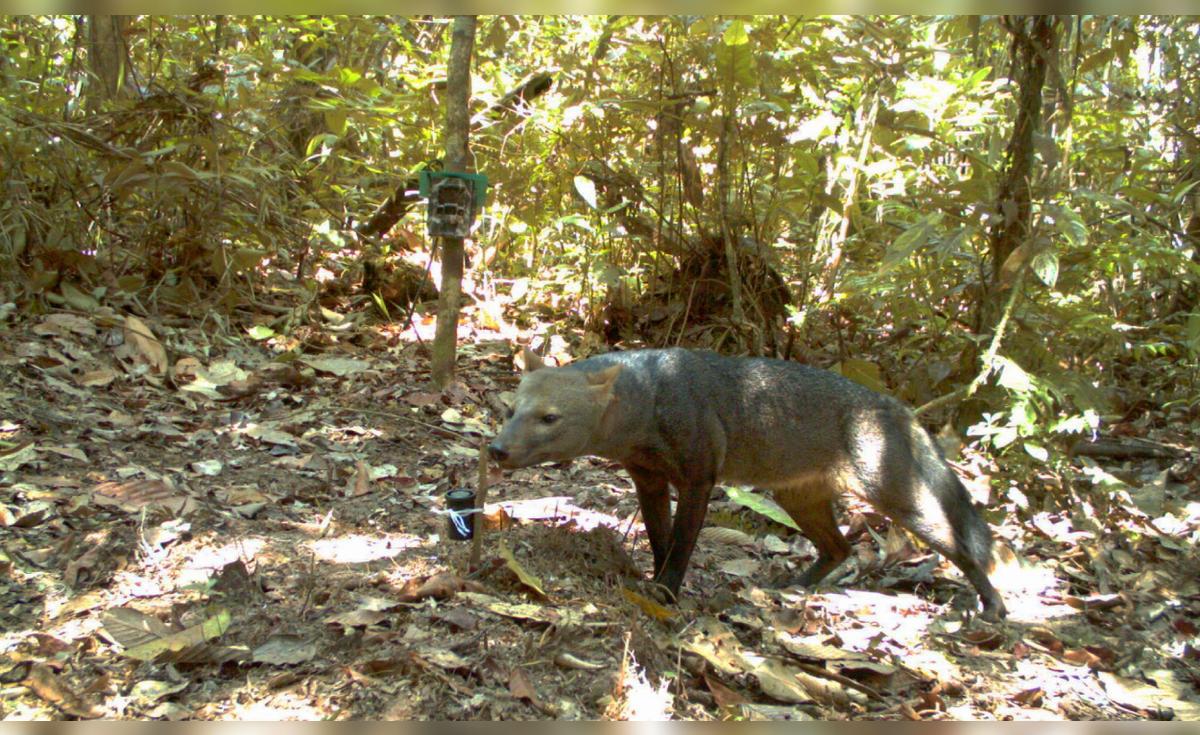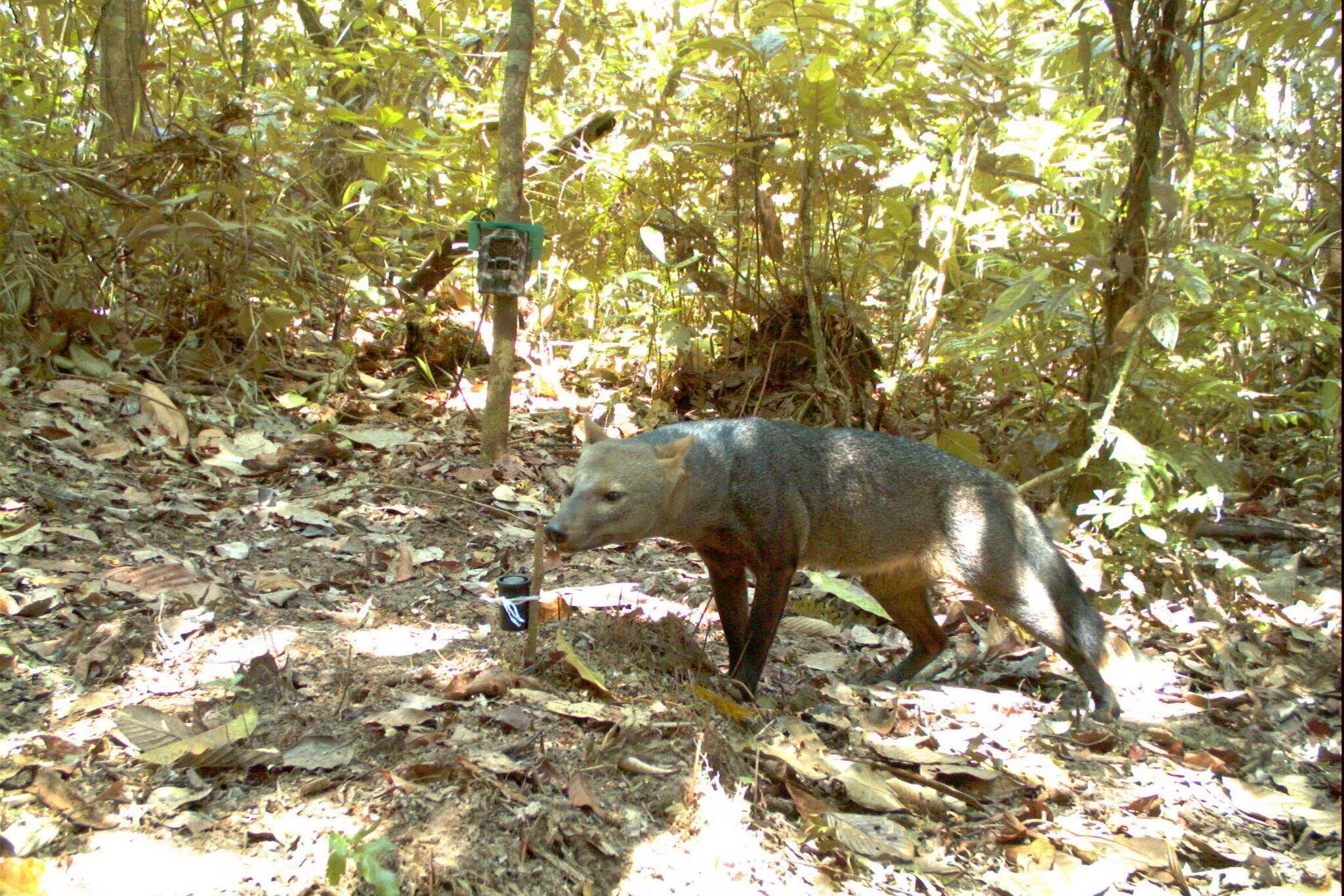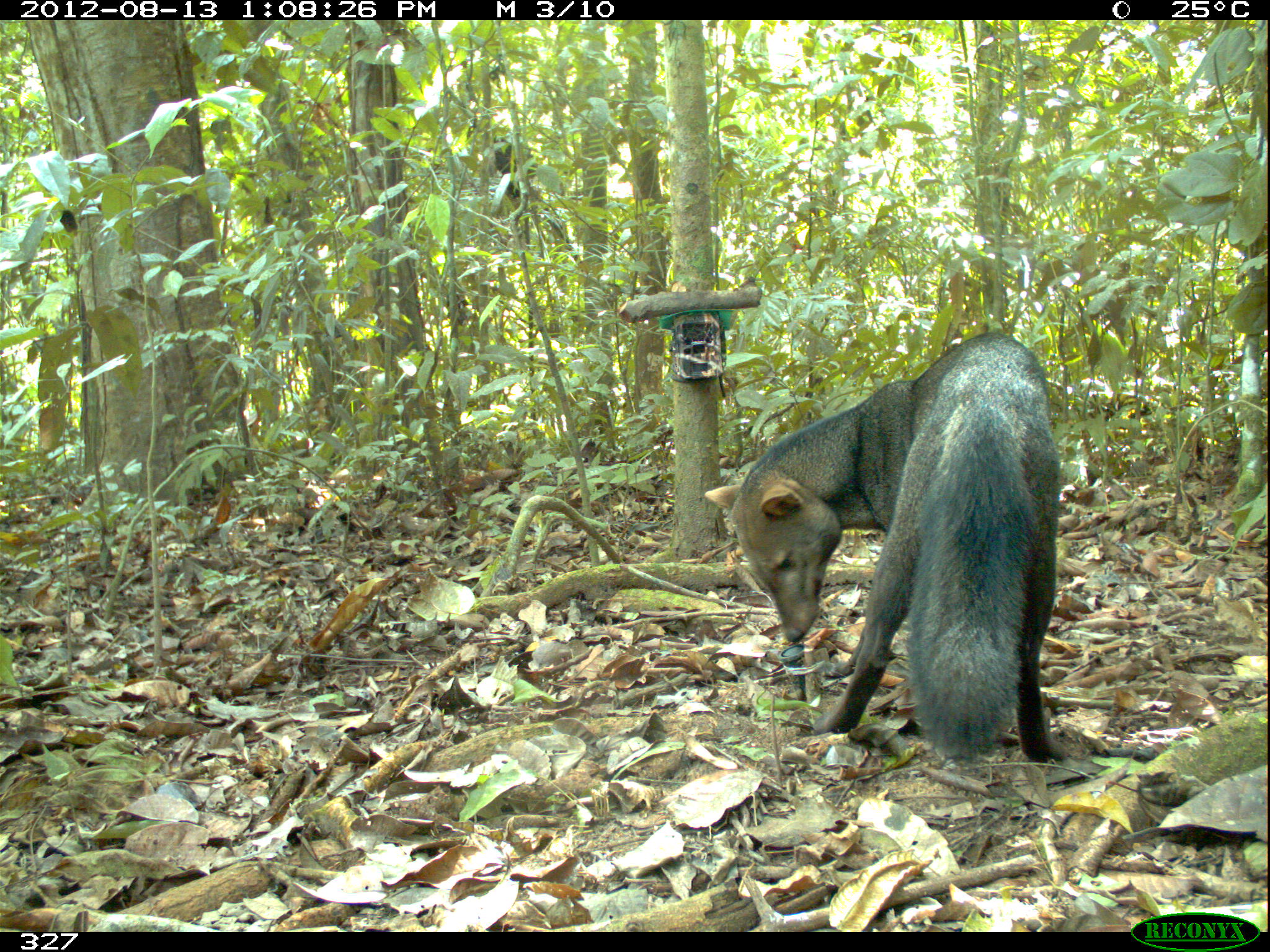
The short-eared dog is one of the Amazon’s least-known carnivores. In Bolivia, it’s also one of the hardest to find.
The species has a fox-like snout, small rounded ears, partially webbed toes, and a long bushy tail that often drags on the forest floor. In Spanish, it’s sometimes called perro fantasma, or ghost dog, a name that reflects how rarely even field biologists encounter it.
A long-running camera-trap study has now brought the species into sharper focus, reports Iván Paredes Tamayo. Over more than two decades, researchers recorded the short-eared dog in Bolivia’s lowland Amazonian forests, in piedmont forests near the Andes, and in large protected and Indigenous-managed landscapes. The results suggest the animal may be present in more places than earlier records showed. That is useful evidence, although it doesn’t make the species common. It remains scarce, elusive, and closely linked to well-preserved forest.
For conservation groups, land managers, and funders, the findings suggest the short-eared dog depends on large, connected areas of habitat. Small forest fragments are unlikely to provide what it needs. Its presence can help identify places where forests are still functioning well, especially where protected areas and Indigenous territories keep intact habitat at scale.