Modern senior living serves a broader purpose than traditional nursing care. Many communities now combine housing, preventive health support, social contact, and flexible assistance in one place. That shift matters because older adults rarely need identical help every day. Families also seek options that protect routine, privacy, and dignity. Current models answer those concerns with wider services, steadier staffing, and spaces that support physical health without making daily life feel strictly clinical.
Choice first
Families comparing care settings often see a clear difference in structure. Many newer communities separate daily support from a hospital-style routine and offer several levels of care at one address. For those researching senior living in Dallas, Texas, that setup can ease future strain by helping meet changing needs without another disruptive move. Continuity matters when health status, mobility, or memory begins to shift.
Daily life matters
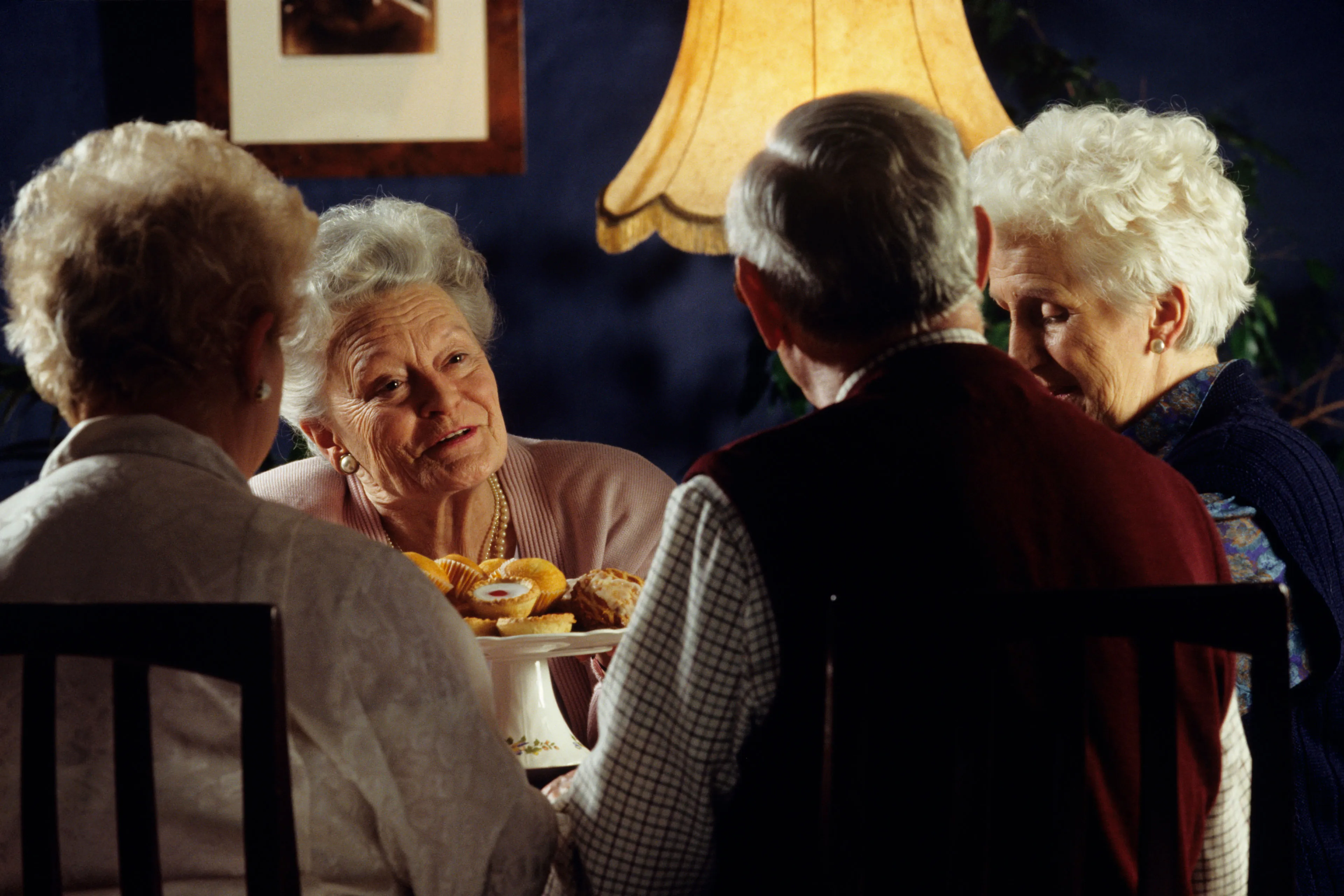
Traditional nursing care usually centers on treatment needs and safety tasks. Modern senior living still values medical oversight, yet it also protects the habits that shape emotional well-being. Residents may choose meals, attend small events, spend time outside, or rest in common rooms. That freedom helps preserve identity. Daily rhythm, personal preference, and familiar activity can support mood stability, confidence, and stronger social comfort.