The mid-1990s were an odd, electric moment for thinking about the future. The internet had just escaped academic obscurity and entered public life. Personal computers were arriving in homes. Mobile phones existed but weighed as much as bricks and cost a fortune to use. Against this backdrop, a wave of writers, engineers, economists, and technologists took their shot at describing what the next few decades would look like — and what they produced remains one of the more instructive bodies of literature in the history of forecasting.
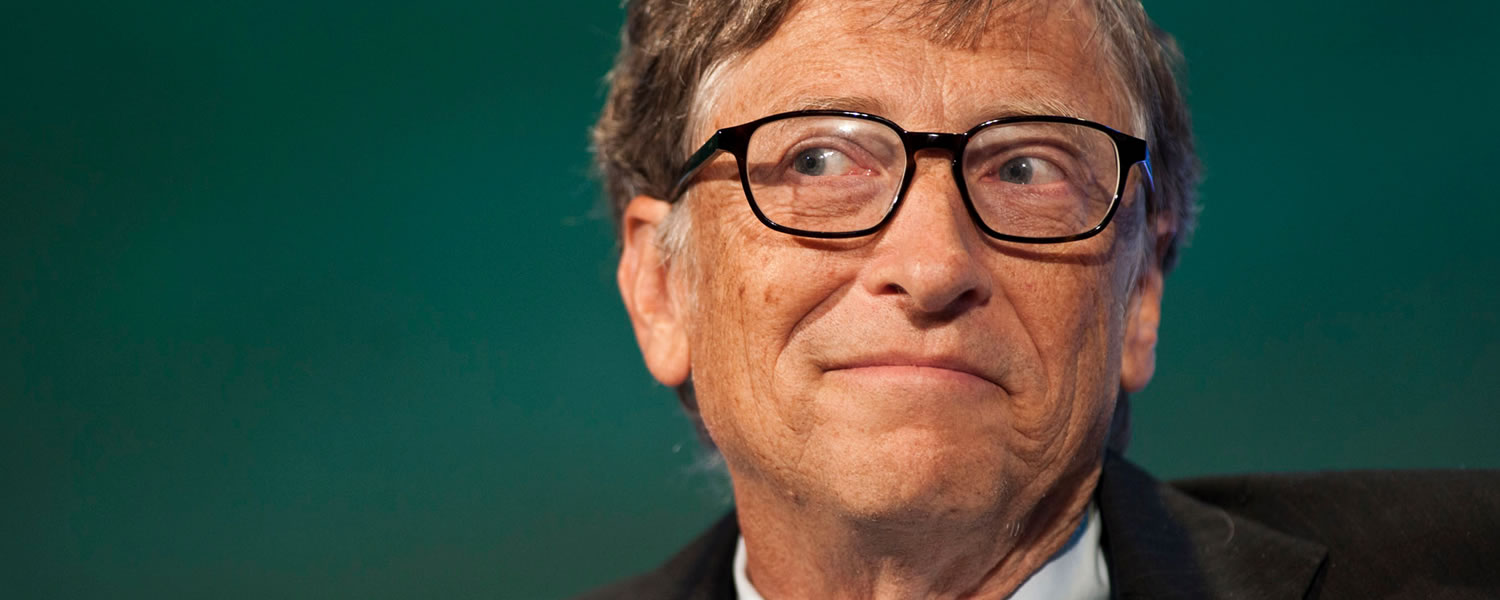
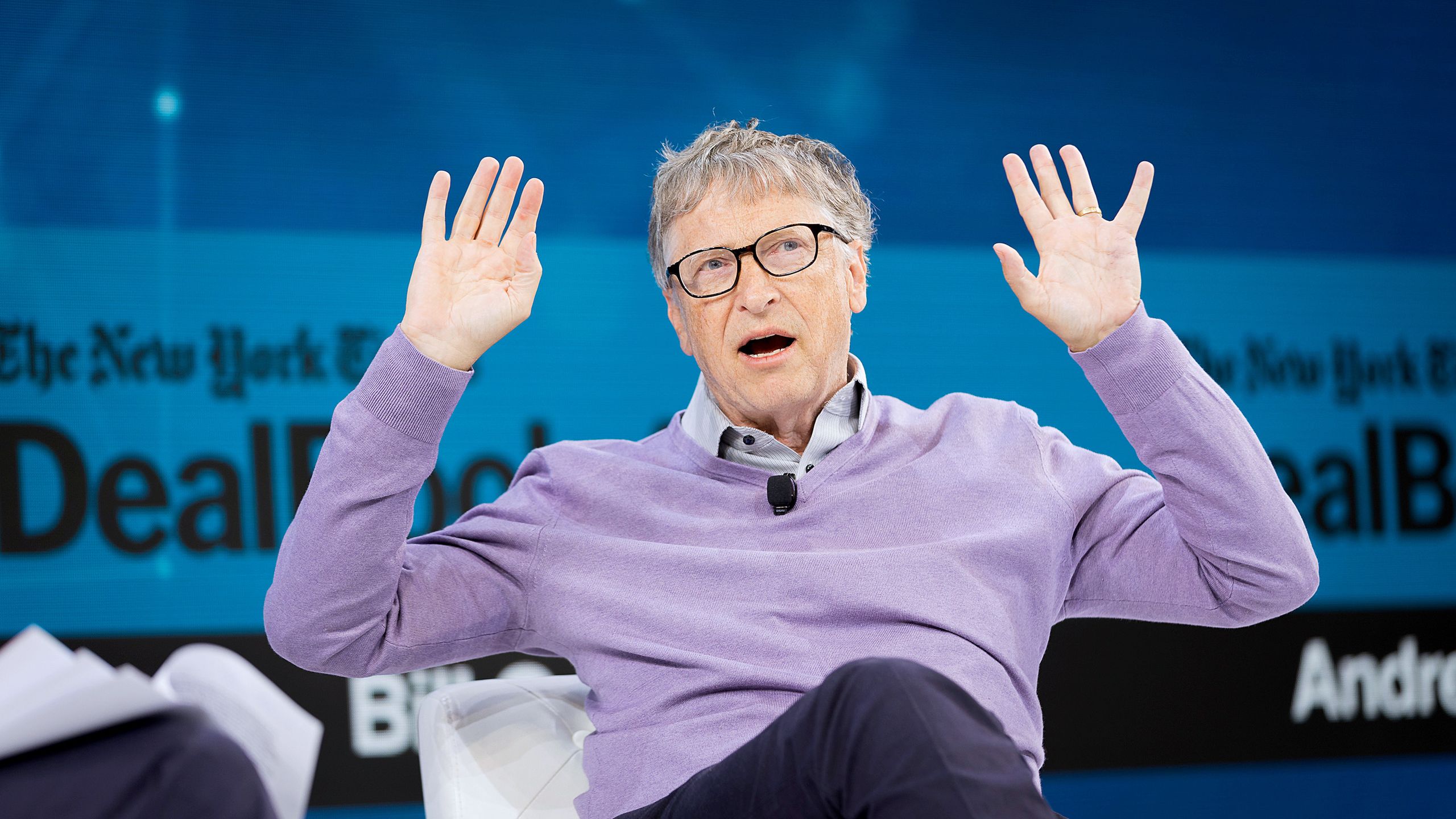
Some of these predictions hold up with eerie precision. Bill Gates, writing in 1995, described a pocket-sized device that would store photographs, receive messages, display maps, and connect to a global network — essentially a modern smartphone, more than a decade before the iPhone existed. Nicholas Negroponte, founder of the MIT Media Lab, envisioned personalized news feeds tailored to individual interests, a concept he called the "Daily Me" that now describes the algorithmic feeds of billions of people on social media. Ray Kurzweil predicted that a computer would defeat the world chess champion by 2000. Deep Blue beat Garry Kasparov in 1997.
But the record is far from clean. Confident voices in the same period declared that e-commerce was a fantasy, that no serious person would buy products online without touching them first, and that the internet would never displace the daily newspaper. One prominent technologist, writing in Newsweek in 1995, dismissed the entire promise of the web in terms that are still quoted today as a monument to overconfidence in one's own skepticism. Meanwhile, other forecasters promised flying cars by 2010, robots doing household chores by 2000, and a paperless office by the turn of the millennium — none of which materialized.