This article was originally published on davidohnstad.info. I cross-post here to reach the Dev.to community.
Myth #1: Mid-Year Reviews Should Focus on Performance Measurement
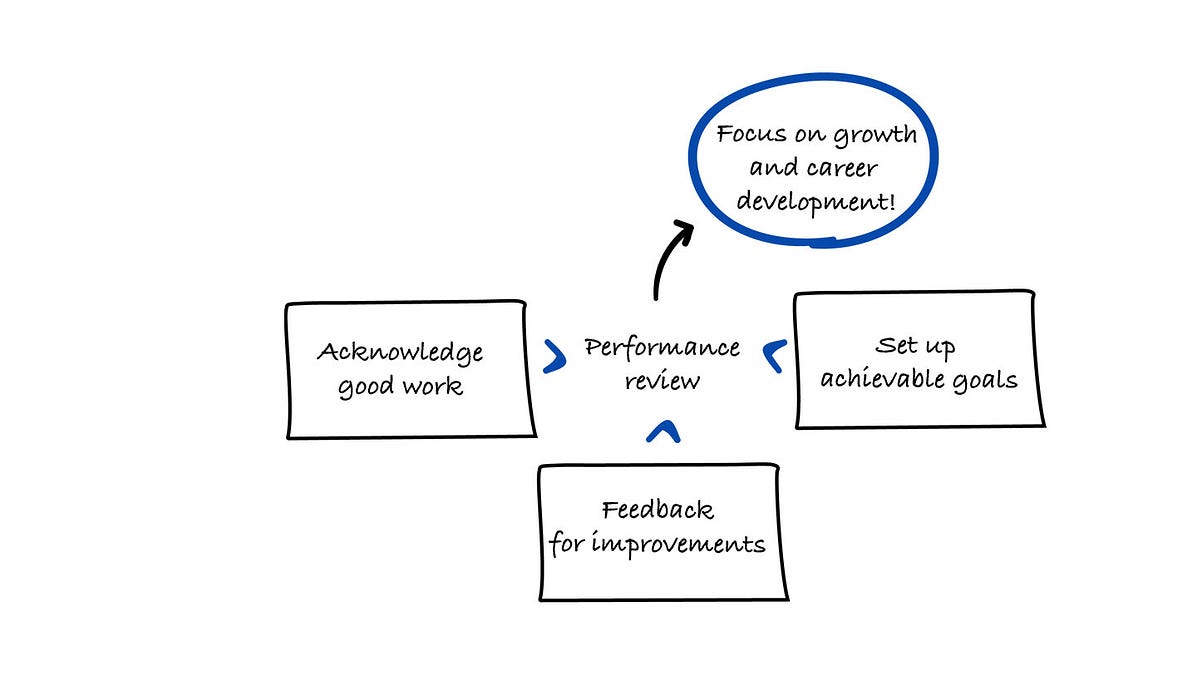
Most managers treat mid-year performance reviews as scorecards. They pull up metrics, review KPIs against targets, and deliver a verdict: you're on track, slightly behind, or exceeding expectations. The conversation follows a template. The employee nods. Everyone walks away having checked a box. According to Gartner's 2023 research on performance management practices, 58% of HR leaders reported that their mid-year review process "creates compliance documentation but minimal behavior change." That's the problem in one sentence.
This myth persists because organizations conflate evaluation with development. HR systems are built around rating scales, calibration meetings, and documentation requirements. Managers receive templates that guide them toward assessment language: "meets expectations in most areas," "needs improvement in stakeholder communication," "demonstrates strong technical skills." The structure of the review process itself—numerical ratings, comparison to peers, formal documentation—trains managers to think like auditors, not mentors. The toolkit determines the behavior.