A clinical trial testing a migraine prevention therapy from Denmark-based Lundbeck has produced data that some on Wall Street see as mixed but still good enough to forge ahead with further development.
The therapy, called bocunebart, is designed to inhibit a nervous system protein known as PACAP. This protein regulates stress and, when triggered, causes pain-sensing nerves to fire and blood vessels in the head to drastically widen. Lundbeck’s study has been evaluating bocunebart — as a direct infusion to the veins or as an under-the-skin shot — in hundreds of patients who continued experiencing migraines even after trying up to four other treatments.
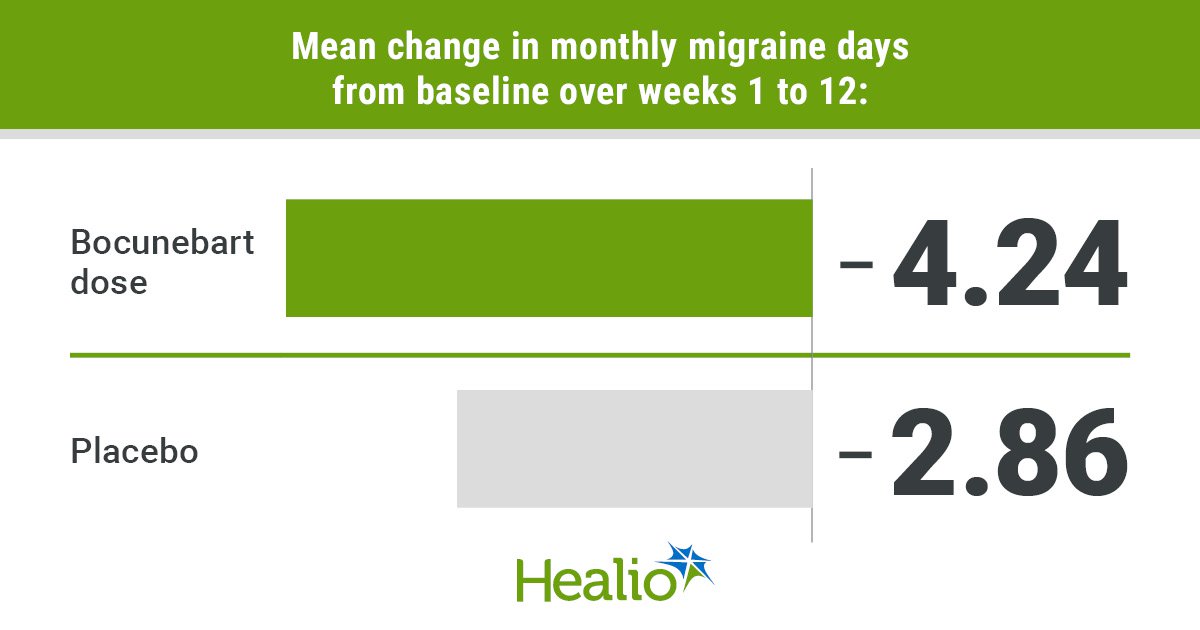
Lundbeck earlier this year said the second part of that mid-stage trial, which pitted the intravenous form of the drug against a placebo, had hit its main goal. The company provided more detailed results on Thursday. After 12 weeks, bocunebart-treated patients were on average reporting a decrease of 4.24 monthly migraine days, a significant difference from the 2.86-day reduction among participants given a placebo.
Lundbeck said the effects were more pronounced when looking at its entire Phase 2 program, which included another experiment titled “HOPE.” Across the program, average monthly migraine days fell by almost six in the bocunebart study arms compared to 3.6 in their placebo counterparts.