June 15, 2026
3 min read
Add topic to email alerts
Receive an email when new articles are posted on
Please provide your email address to receive an email when new articles are posted on .
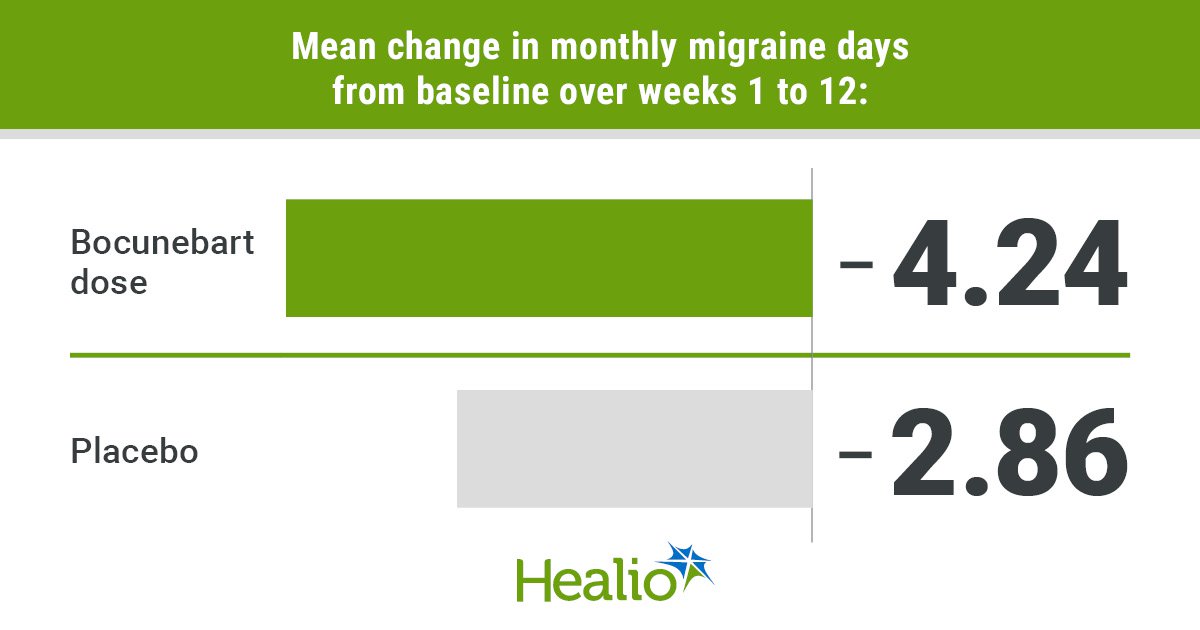
In adults with prior preventive migraine treatment failures, an investigational monoclonal antibody led to larger decreases in monthly migraine days vs. placebo, according to a poster presented at a recent conference.Bocunebart (Lu AG09222, Lundbeck) is a monoclonal antibody that targets the pituitary adenylate cyclase-activating polypeptide (PACAP) ligand, according to the presentation at the
June 15, 2026
3 min read
Add topic to email alerts
Receive an email when new articles are posted on
Please provide your email address to receive an email when new articles are posted on .
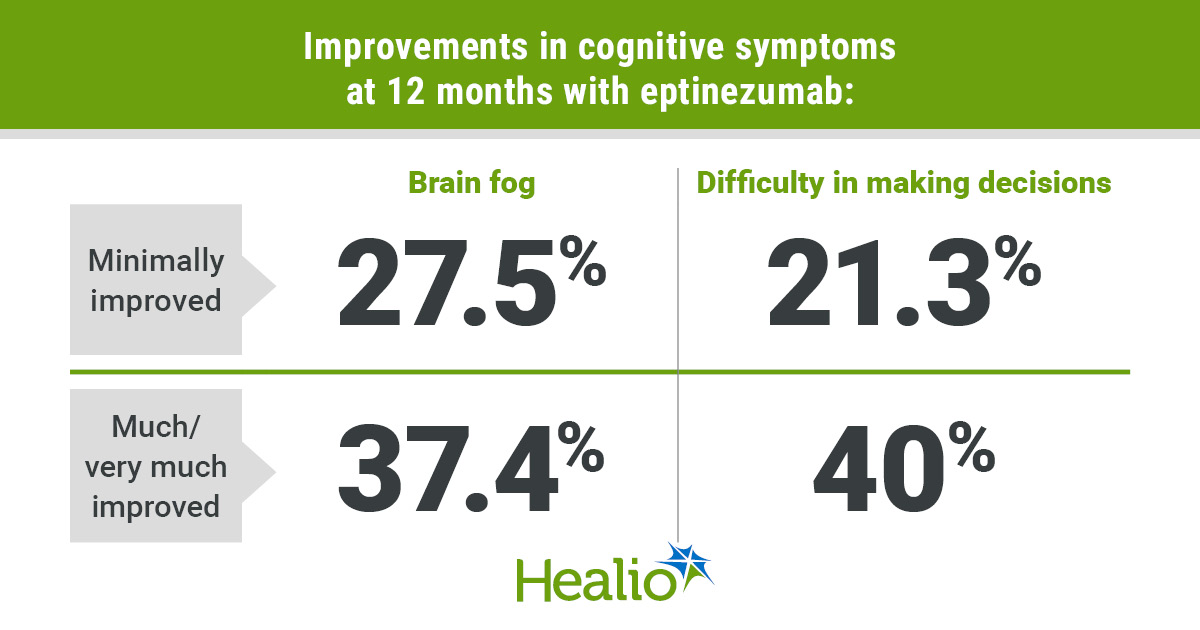
Adults with migraine whose previous preventive therapy had failed saw improvements in cognitive symptoms with 12 months of…

A possible alternative to “anti-CGRP” medications, the drug didn’t meet some analysts’ expectations in mid-stage testing but…
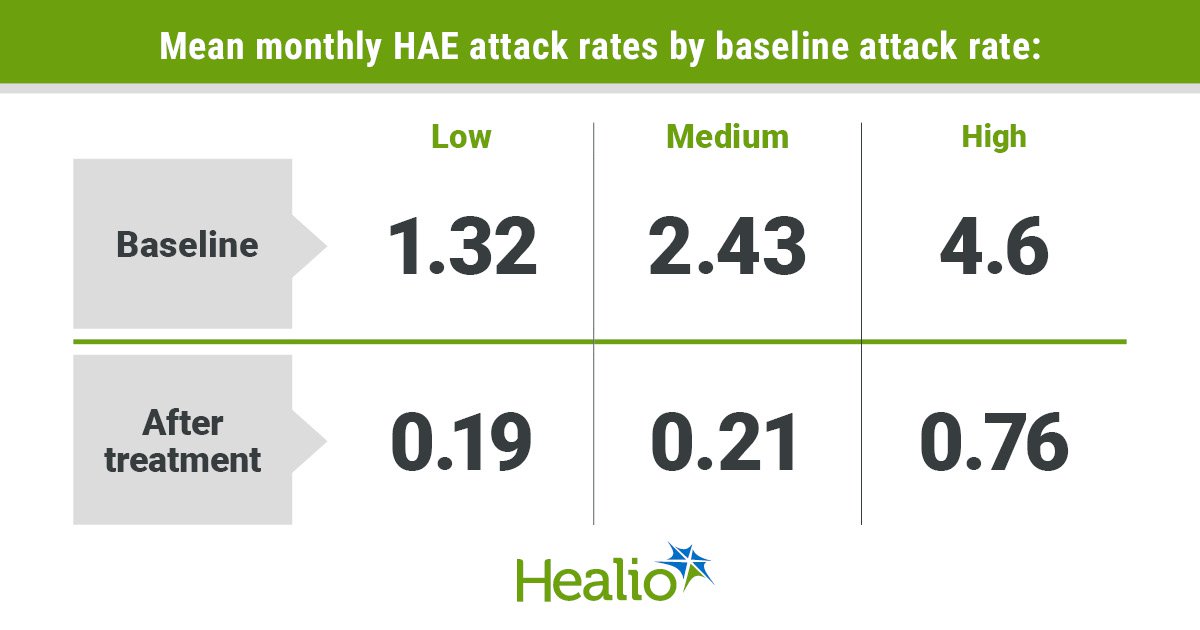
Among adults with hereditary angioedema, navenibart lowered the rate of monthly attacks regardless of age, BMI and baseline…

Patients with moderate to severe acute respiratory distress syndrome receiving a monoclonal antibody treatment vs. placebo had…

CHICAGO — Patients with Alzheimer’s disease on amyloid-targeting therapy had less cognitive decline when their baseline amyloid…
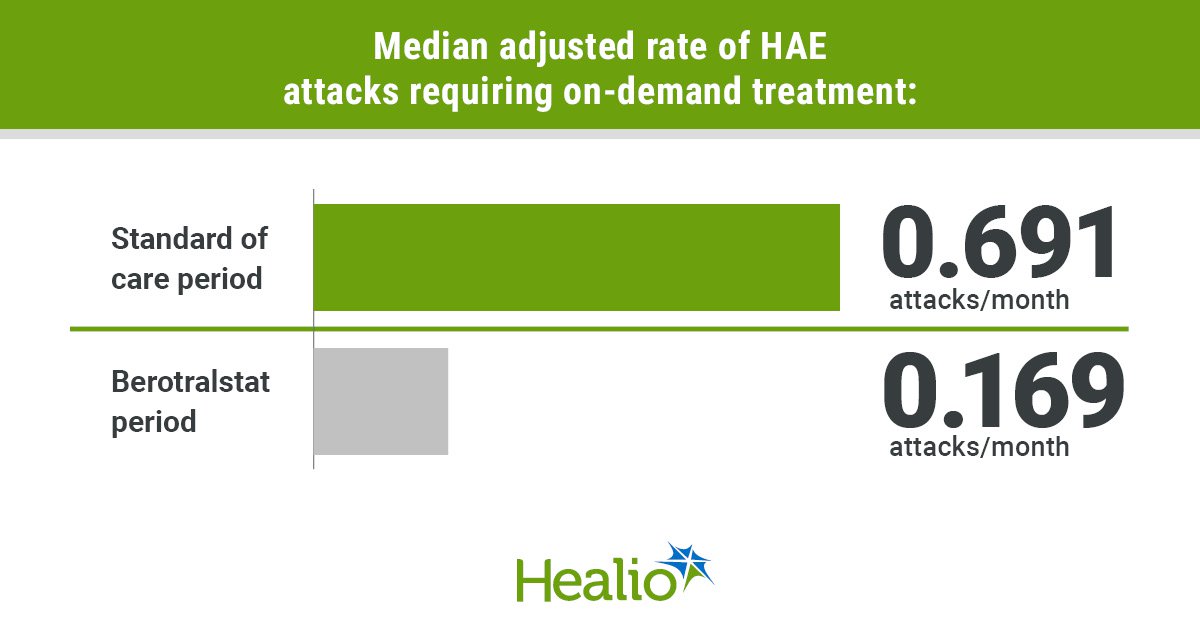
Following receipt of once-daily berotralstat, pediatric patients with hereditary angioedema had a reduced rate of attacks…