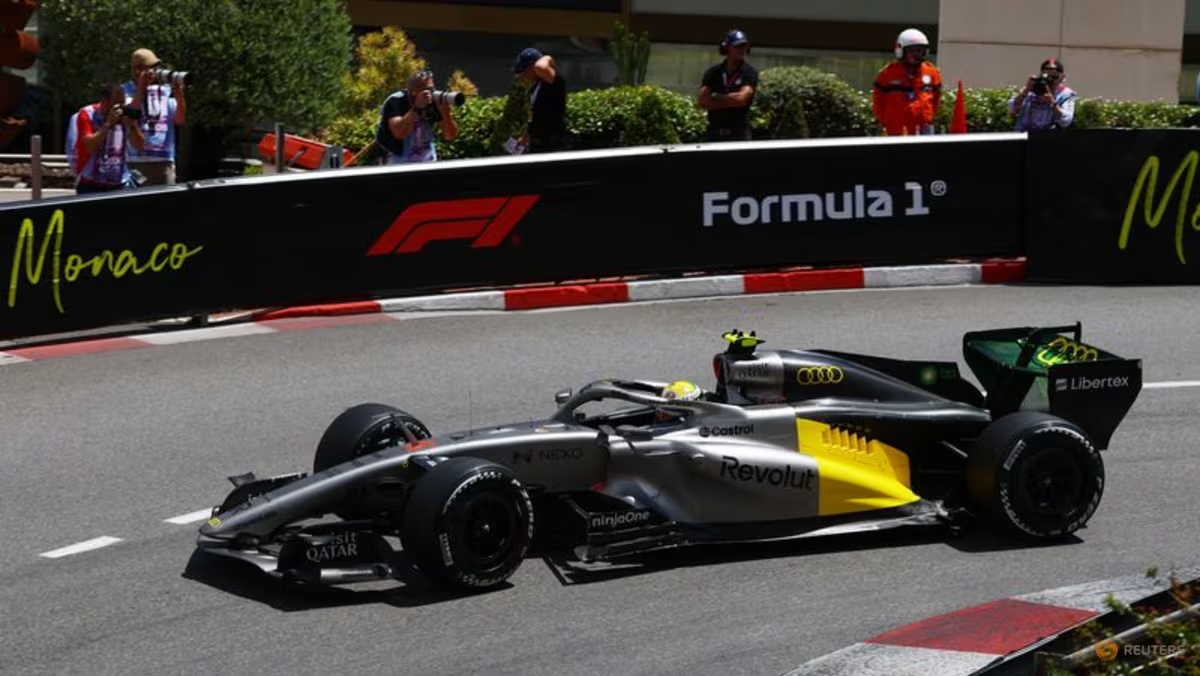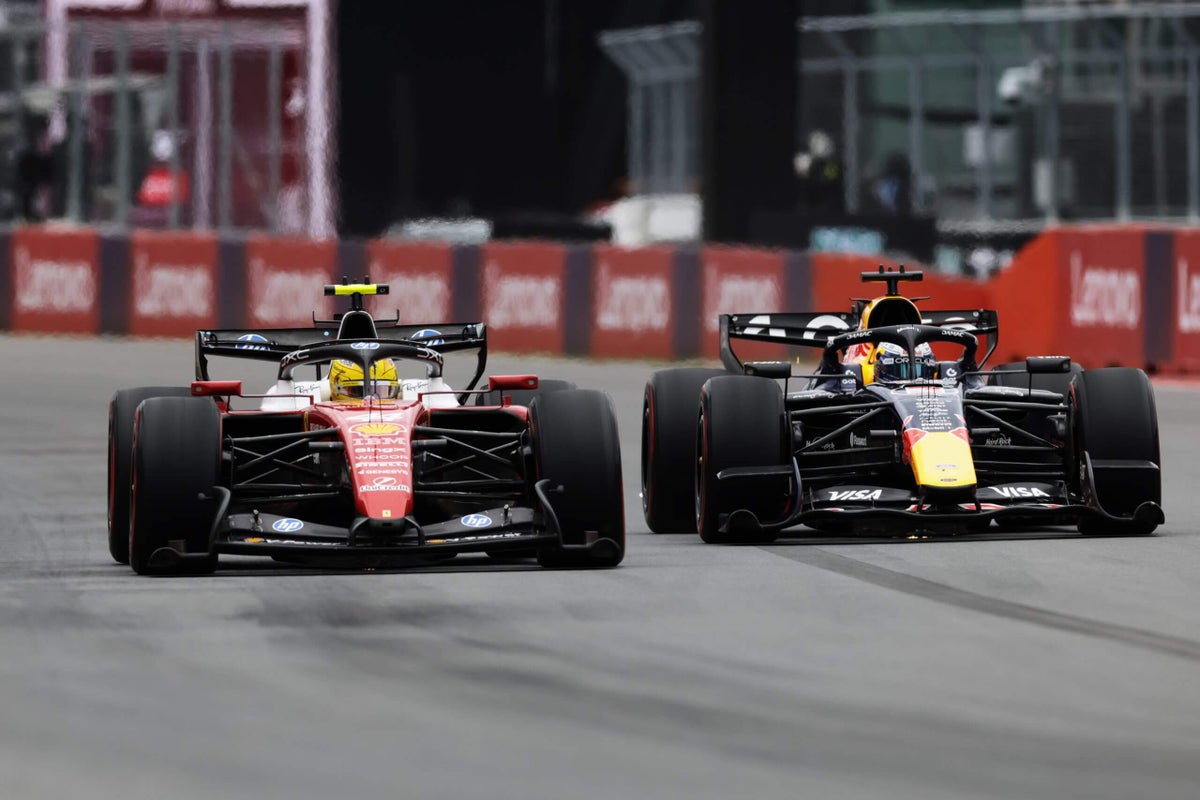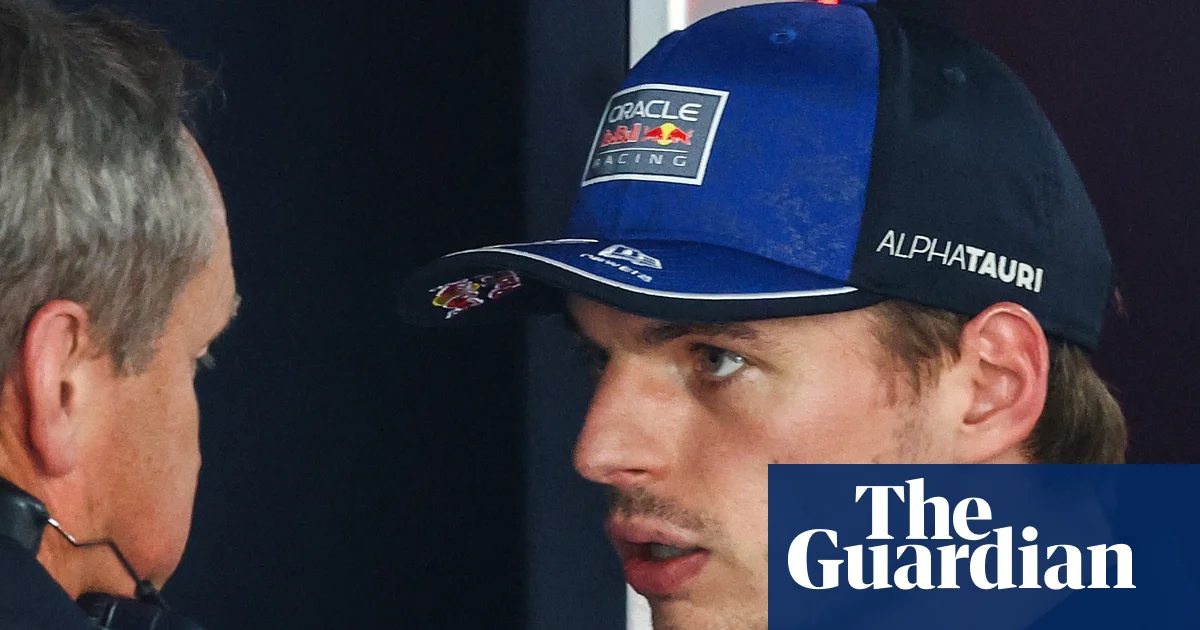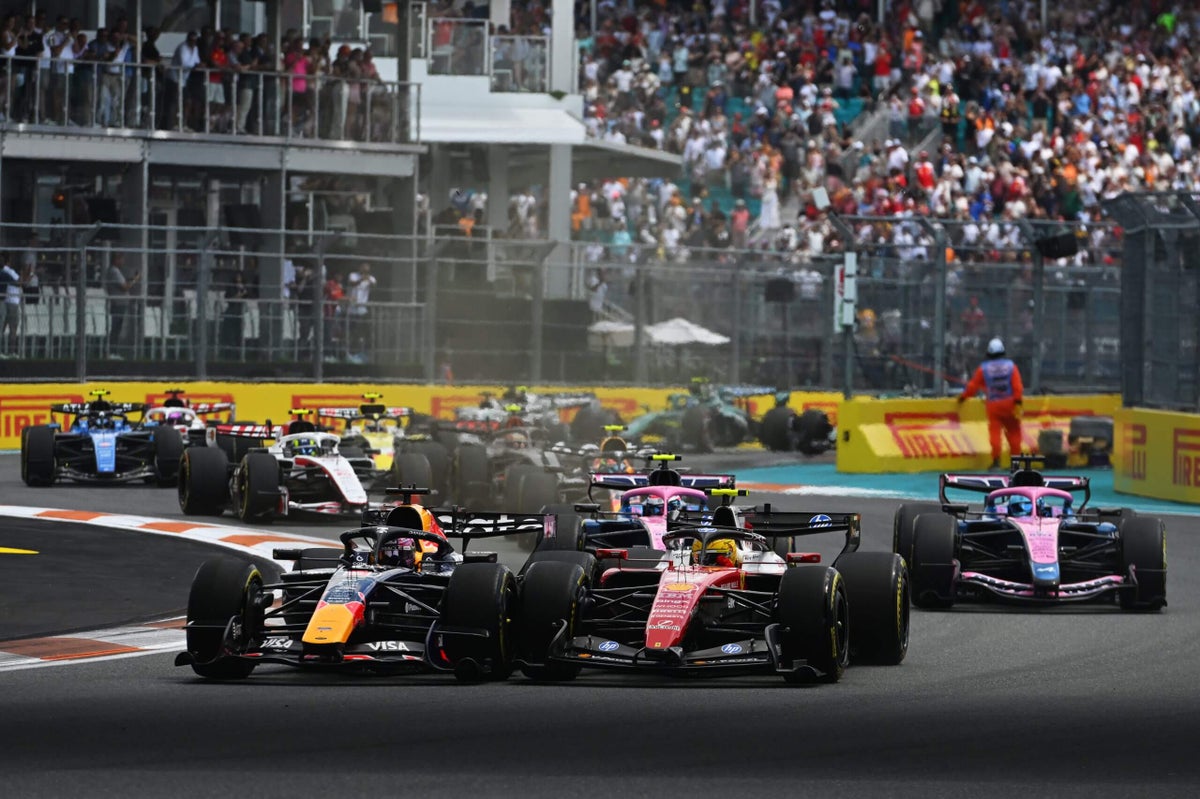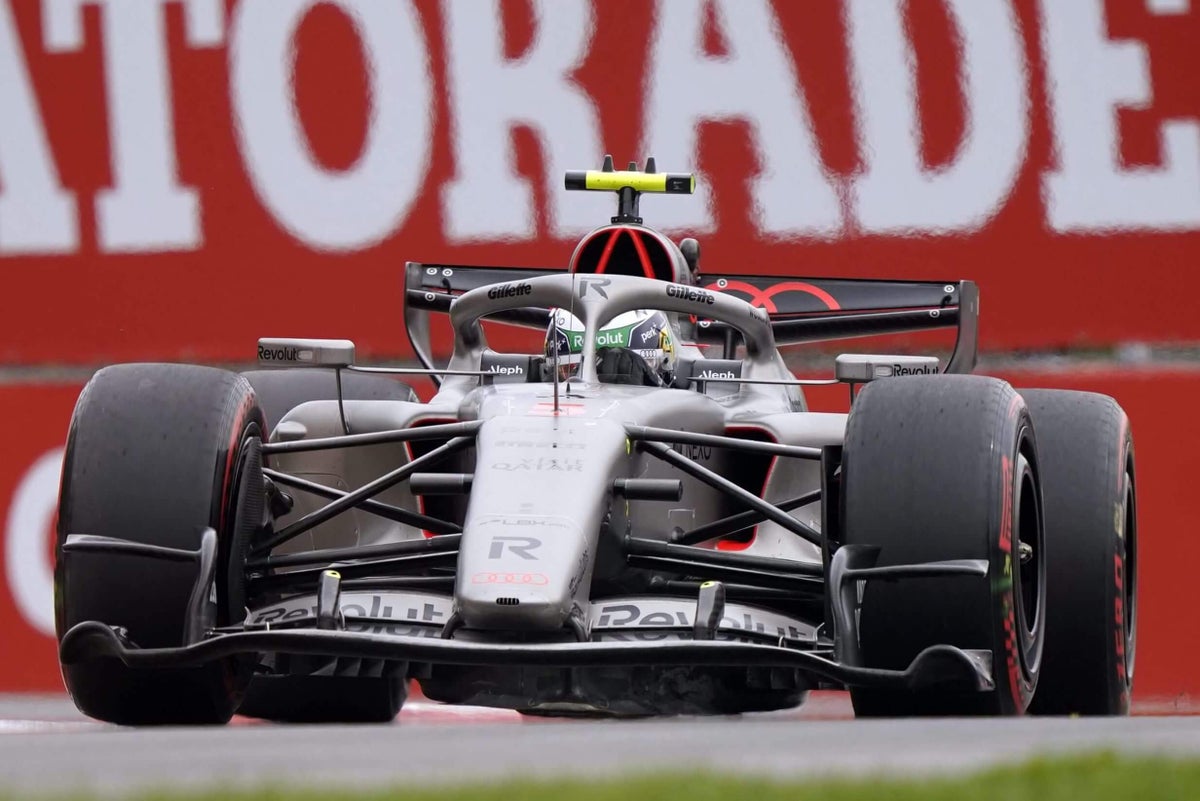
MONACO — Audi wants Formula 1 to stick with its current engine power ratio going into 2027 as talks continue over potential tweaks to the regulations.F1 introduced all-new hybrid engines for 2026 that run a near 50-50 split between combustion and electrical power, almost tripling the output of the battery from 2025.This has led to criticism from a number of drivers about the way they have to drive the car, placing a heavy focus on energy management instead of driving flat-out.Four-time world champion Max Verstappen called the cars “anti-racing” and admitted he is questioning his future on the grid, while Fernando Alonso called F1 a “battery world championship” earlier this year due to the back-and-forth style of overtaking and fighting for position.The FIA, the sport’s governing body, announced last month that changes for 2027 had been agreed in principle by the key stakeholders, including the engine manufacturers on the grid and the F1 organization, in order to improve the on-track spectacle from next season.But it has emerged in recent weeks that Ferrari and Audi have doubts about going ahead with the tweaks, leading to question marks over the changes being pushed through.Talks between senior figures from the engine manufacturers are taking place in Monaco this weekend before the next Power Unit Advisory Committee meeting takes place in a couple of weeks, where possible alterations or new proposals are likely to be evaluated.Speaking to reporters on Friday in Monaco, Audi CEO Gernot Döllner said the German manufacturer would “prefer to stay with what we have right now” with the 50-50 split.“We first of all have to work on the system we have in the car right now,” Döllner said. “There is a lot of stuff to optimise in our project. The change would not help us on our path to optimise the actual drive train.”Döllner also highlighted the financial impact of pushing through a change to the engine design. “It would take away money from other areas that we would prefer to put the money to,” he said. “That’s our view. But (the) FIA is leading the process. We are part of the process.“I would expect that in the upcoming days or weeks there will be a solution and a rule for 2027.”Audi entered F1 for the first time in 2026 after completing its rebrand of the former Sauber team, which included building its own engine.In order for the changes to be approved for 2026, four of the six registered engine manufacturers — Ferrari, Audi, Honda, Mercedes, Red Bull/Ford and General Motors — must be in favor of the change.General Motors, which owns the Cadillac team, has a vote despite not making its own engine until 2029, and is likely to side with Ferrari given Cadillac uses engines from the Italian marque.Asked what compromises Audi would be willing to make for 2027, Döllner replied: “First we need the decision on the regulation, and then of course we have a view what that would mean to our development processes.“But if the regulation comes, we have to adapt to it. It’s like that. But we would prefer not to have it. That’s crystal clear.”McLaren Racing CEO Zak Brown, whose team uses Mercedes engines, said on Friday that F1 should be “as aggressive as we can be” with tweaks for the good of the on-track product.“We need to make sure that we don’t do nothing,” Brown said. “If a compromise is something that is a little bit watered down, that would be unfortunate.“We should try and maximize what’s best for the sport. Hopefully that’s where we land, and certainly our position.”Audi keen on turbos as part of next rule setDespite being just five races into this new rule cycle, F1 is already evaluating what the next engine regulations — due in 2030 or 2031 — may look like.FIA president Mohammed Ben Sulayem has called for a return to V8 engines, saying over the Miami Grand Prix weekend it would be “a matter of time” until they return. F1 last used V8 engines in 2013 before switching to V6 hybrids from 2014.In an Instagram post earlier this week, Ben Sulayem said he was “committed to bringing V8s back to Formula 1” ideally by 2030 but “certainly by 2031.”“V8s are lighter, simpler and more cost-effective, while sustainable fuels mean they can remain aligned with our environmental ambitions,” he wrote. “Most importantly, they bring back the unique, visceral sound that fans around the world associate with Formula 1.”Although Döllner said that Audi was “open to what’s coming” in the future and was part of the discussions, he wanted to see F1 retain a turbocharged engine specification.“Our perspective was always that we want a regulation that has efficiency and sustainability in the focus,” said Döllner. “So if you ask me for my preference, (it is) to have a turbocharged engine is more important than the number of cylinders.”The current engines are set to be used through to the end of the 2030 season, but this end date could be brought forward to the end of 2029 if there is agreement between the manufacturers.Ben Sulayem previously said that for 2031 FIA would have “the power to do it without any votes” from the engine makers, but Döllner doubted there would be a need to face anything through.“I don’t see a process that is using that aspect,” said Döllner. “I see a process that is totally aligning the engine supplying teams.”
Audi wants F1 to stick with current engine power ratio rules in 2027
Talks over the proposed changes to engine regulations are due to take place this weekend in Monaco.
901 words~4 min read