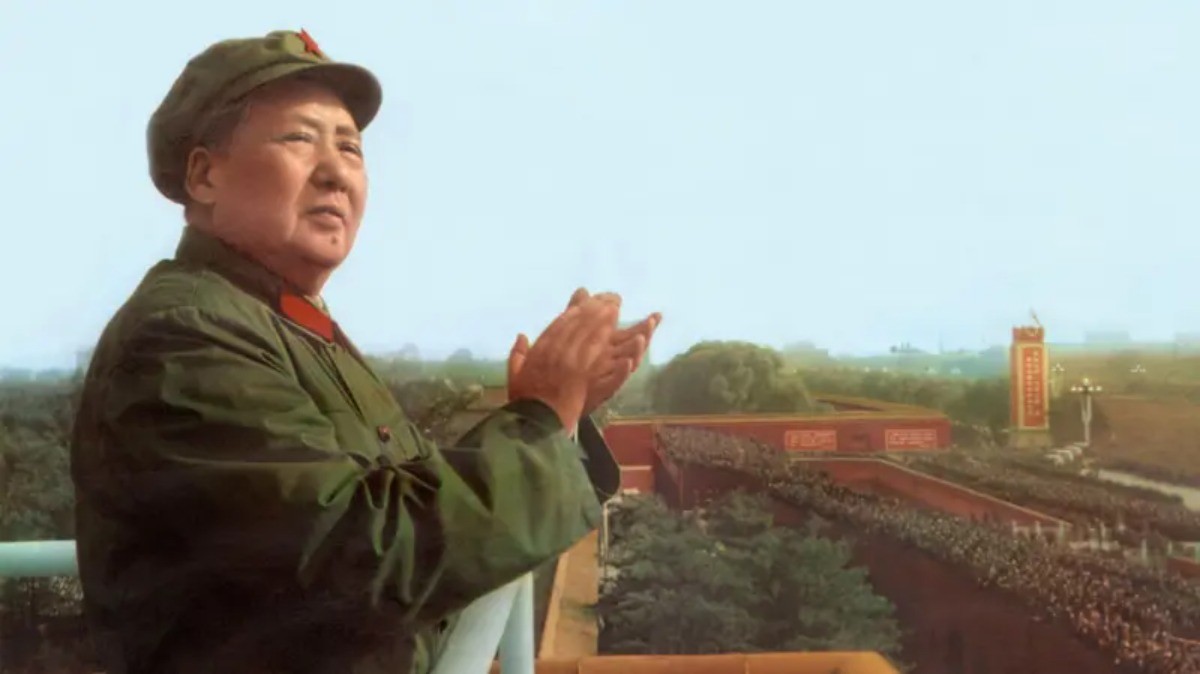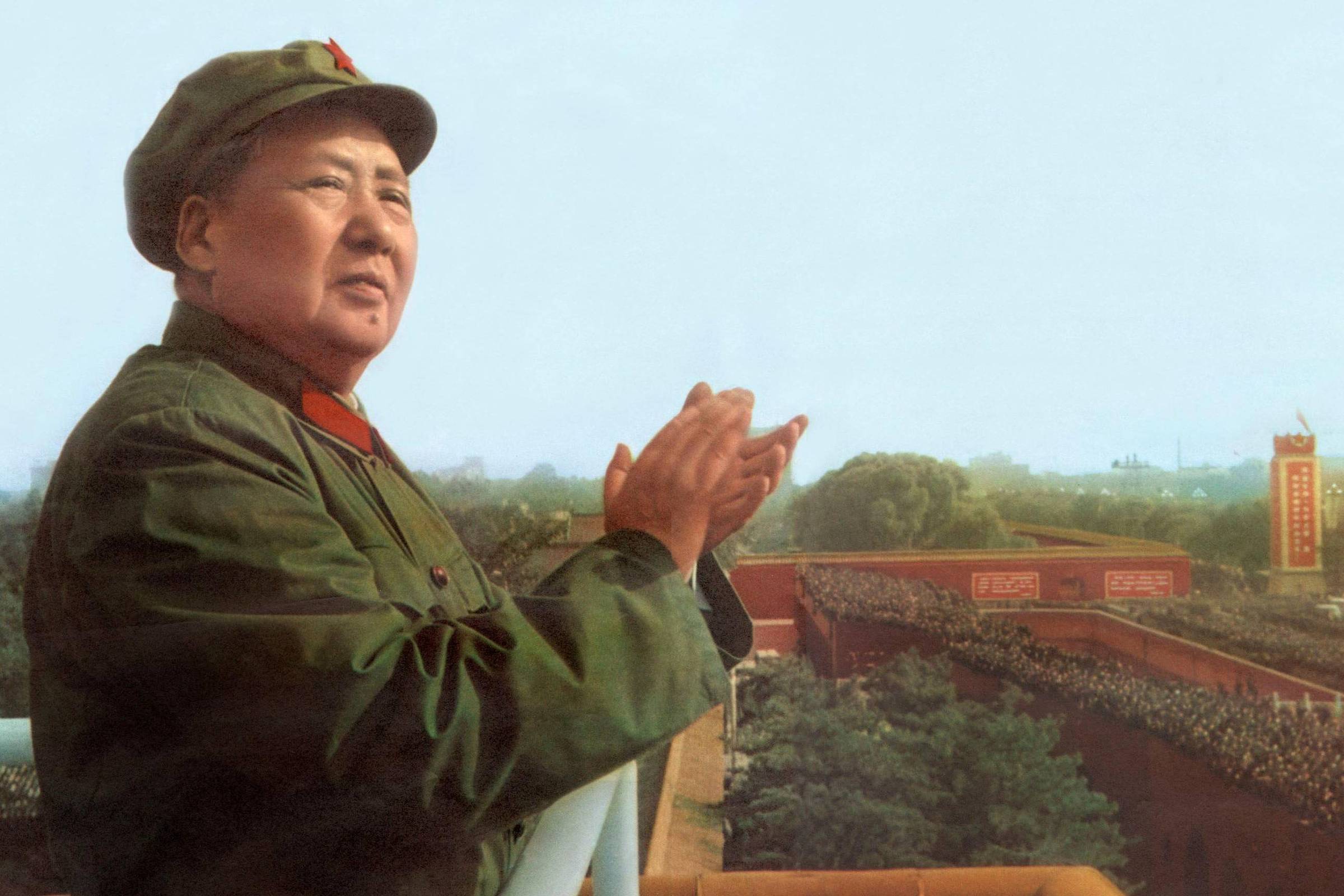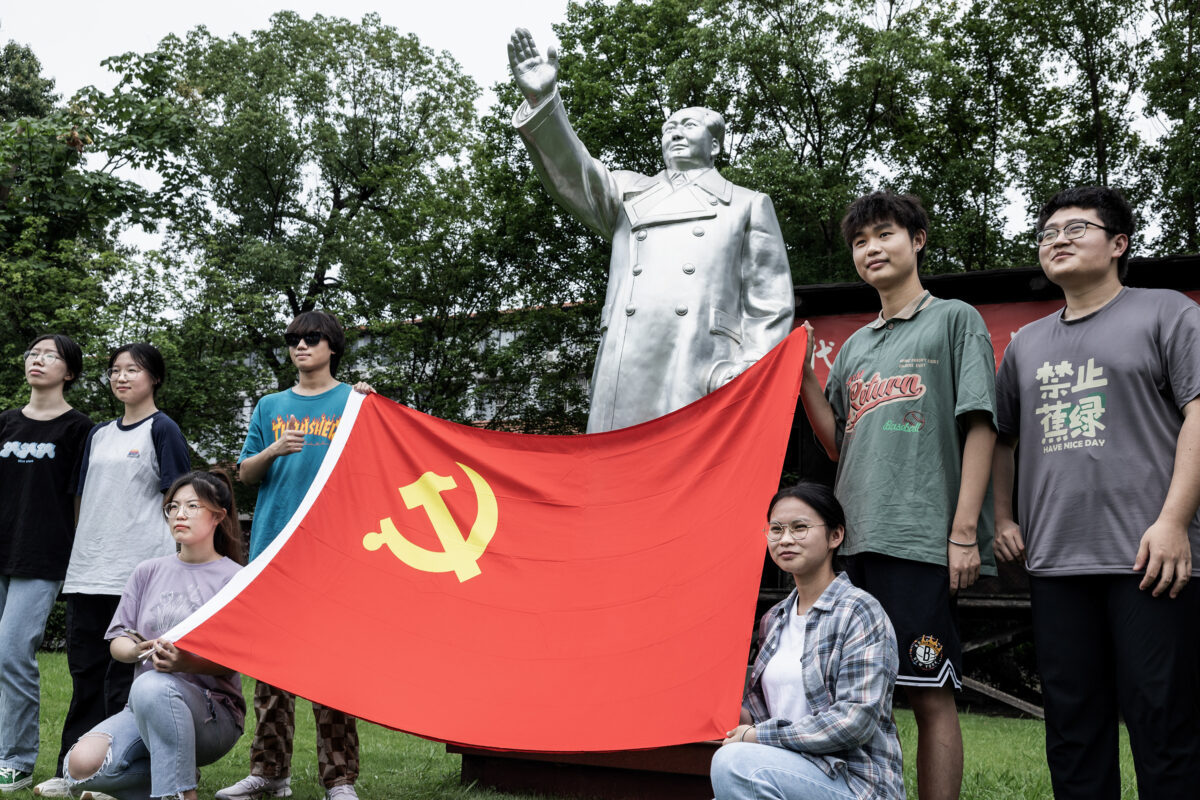
A growing number of sources suggest that Chinese youth born in the 1990s and 2000s are increasingly looking to the Selected Works of Mao Zedong or Maoxuan, penned between 1926 and 1957, for life advice. In an age marked by turbulence and disruption worldwide, the founding father of the People’s Republic of China has once again captivated a generation for actively charting their own path.
Until recently, Mao Zedong Thought, with its focus on maintaining resilience and confidence in prolonged periods of hardship, served merely as a quiet heritage during China’s economic boom. But the trajectory of national development does not follow a strictly linear course. While China’s rapid industrial rise since the 1990s has been a remarkable success, the country’s deeper entanglement with global developments has created complexities. Beijing’s political influence is continually growing on the international stage, but it is also drawn into fierce competition with Western economies, notably the United States and the European Union, within a volatile global trade and economic network.
The contrast between the past and present global economic landscape is particularly perplexing for young professionals and university students, who grew up as witnesses to significant national accomplishments, robust international cooperation and rapid household wealth accumulation. Their career paths are clouded by uncertainty in a fracturing global network and an extremely competitive job market, with a record high of 12.7 million university graduates expected to enter the job market in 2026 alone. Degrees from elite universities are losing their magic as a means of climbing the social ladder and many graduates from these institutions are shocked to find that they must compete for pedestrian positions.