Just hours from Zion, Great Basin National Park features glacier views, dark skies and remarkable solitude.Show Caption
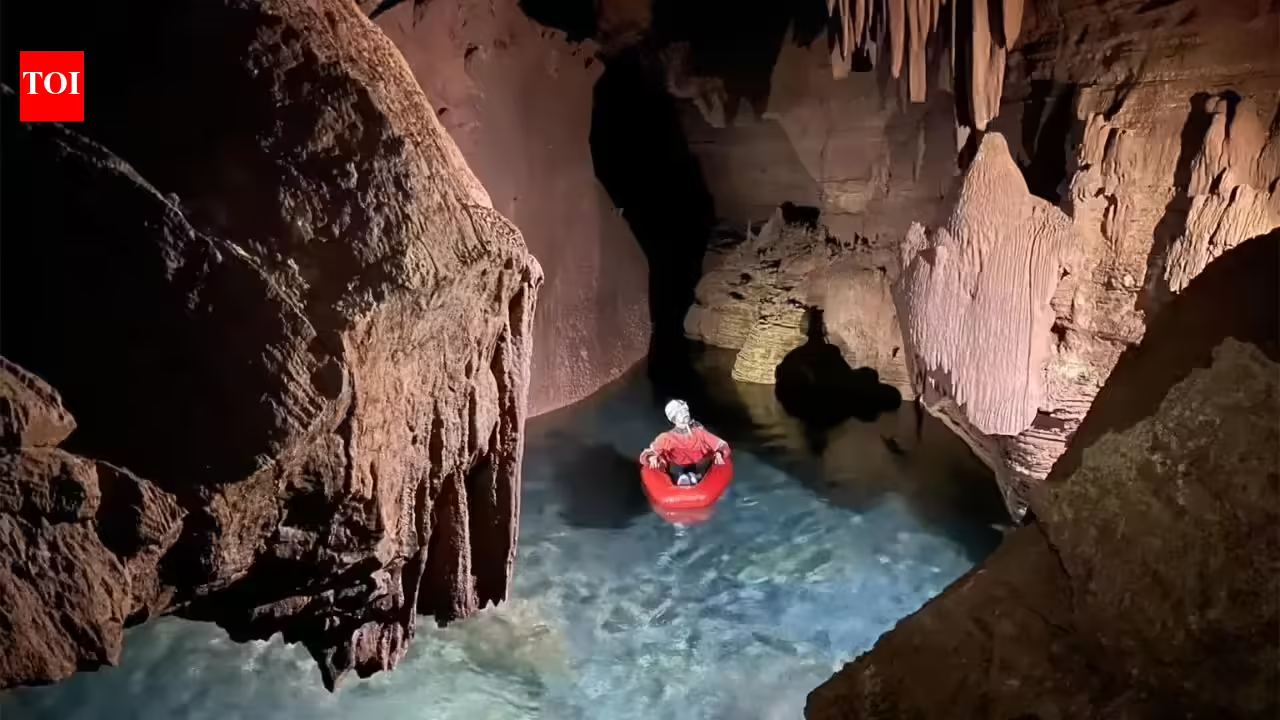
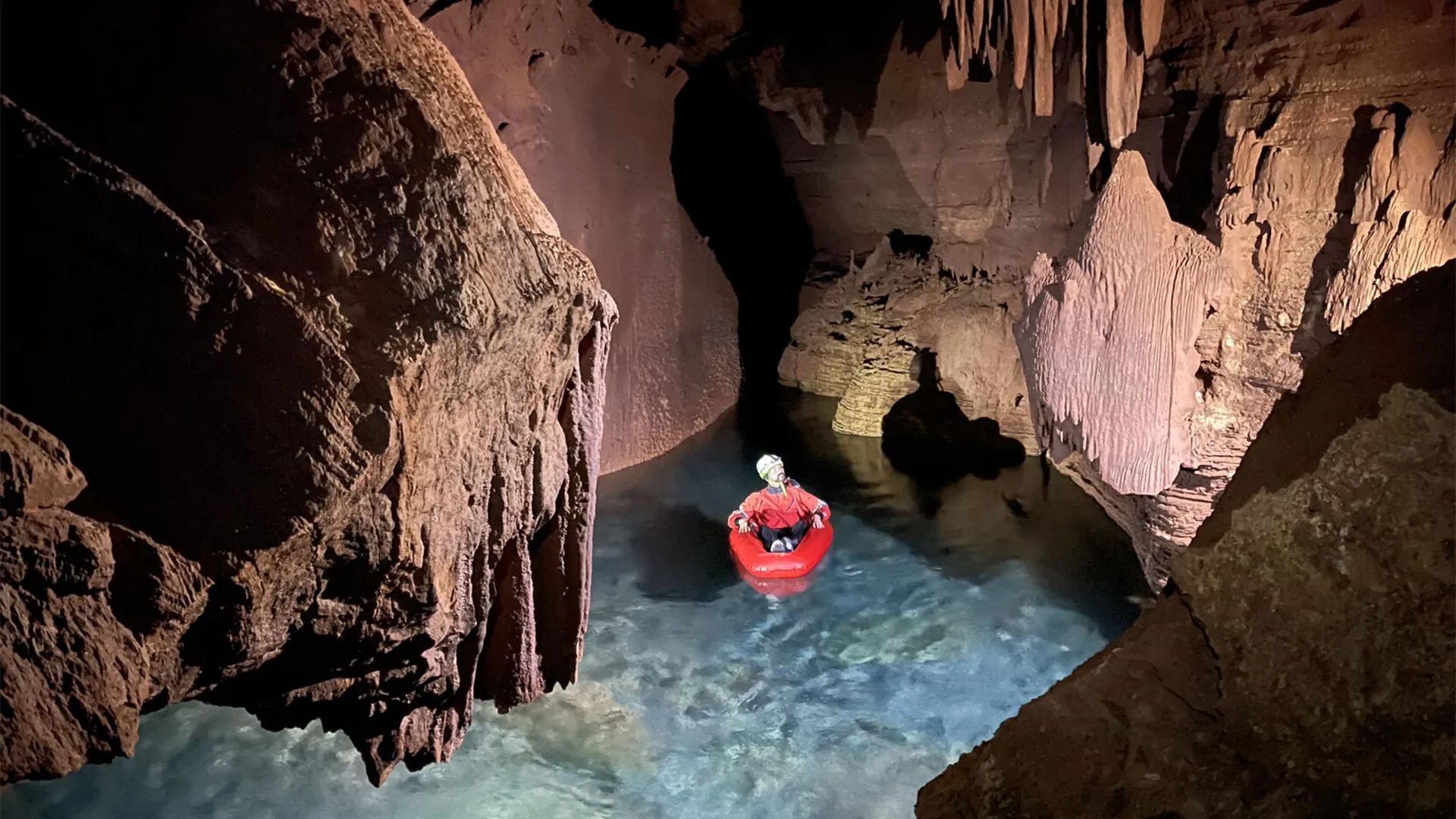
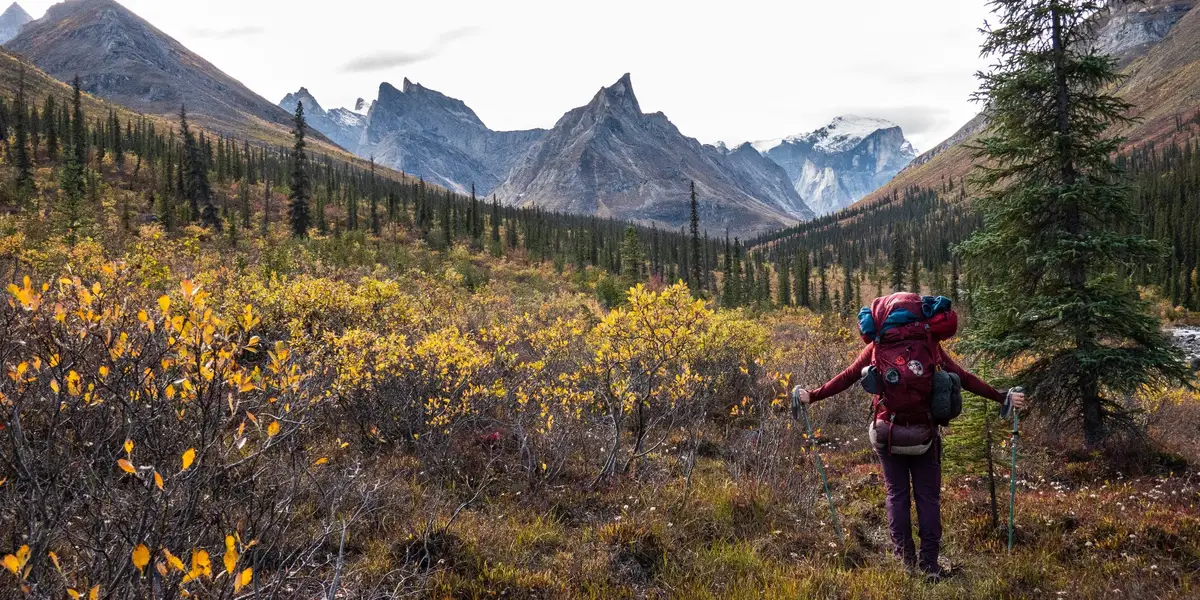
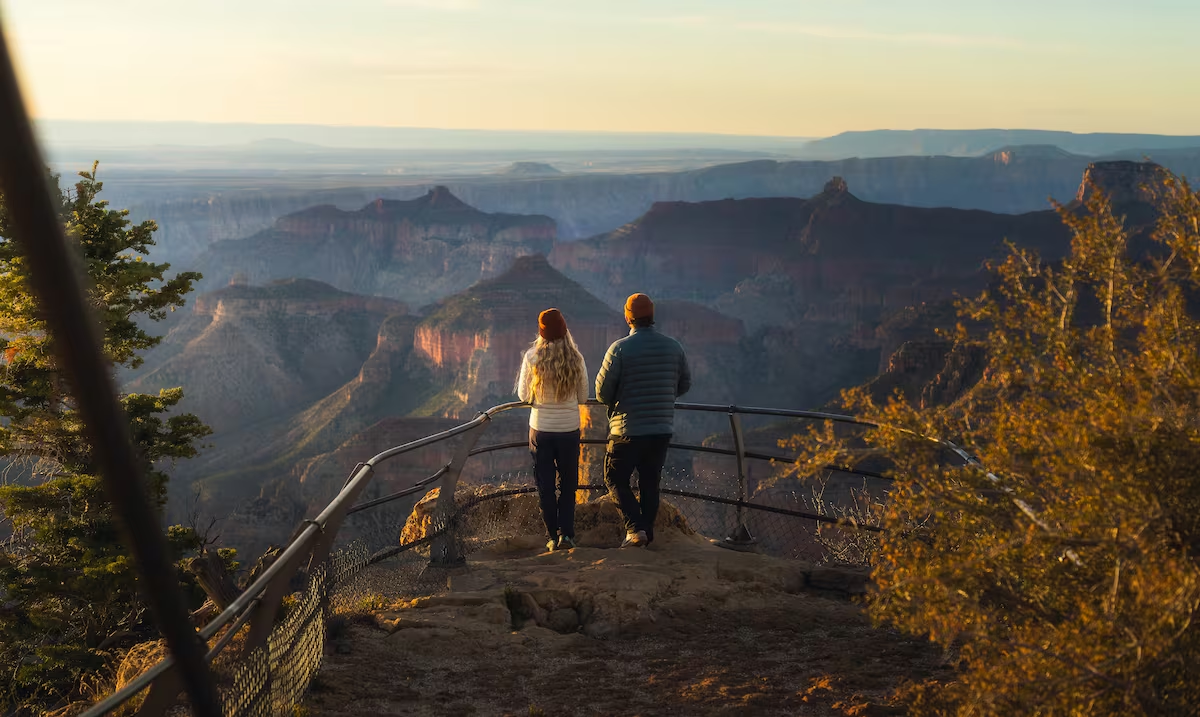
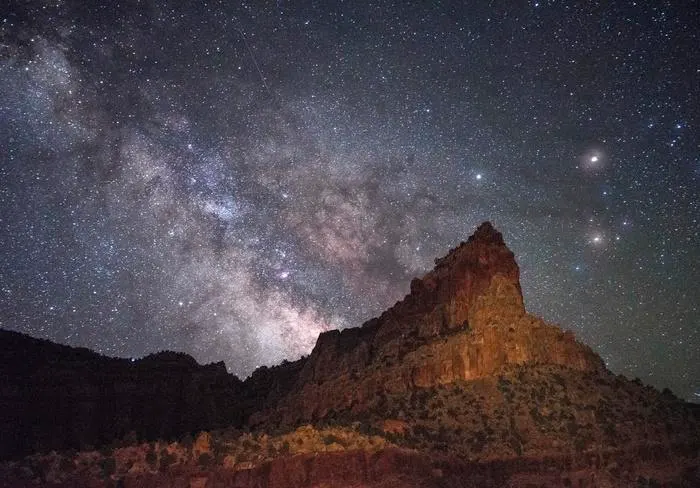
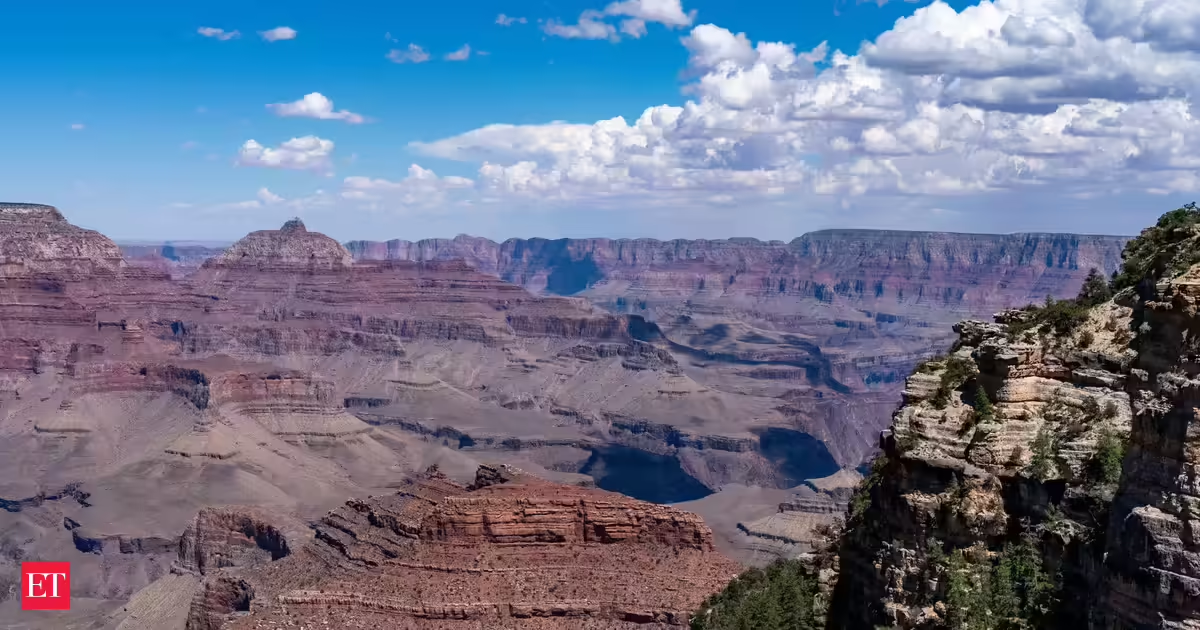
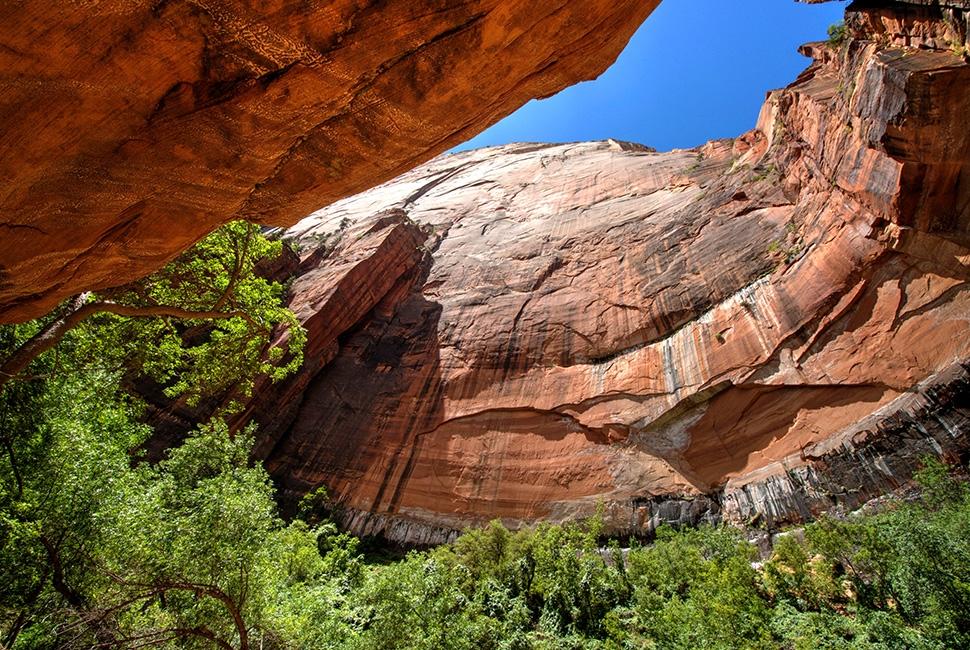
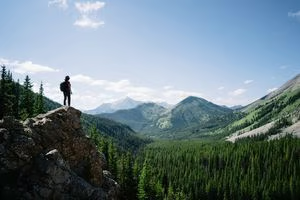
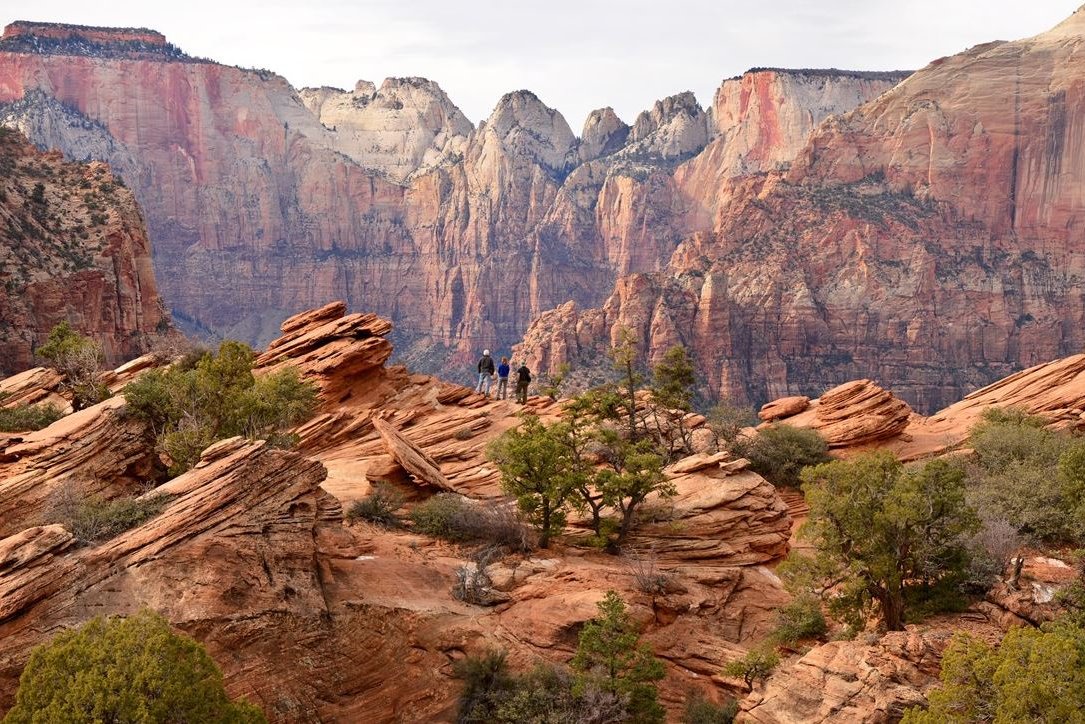
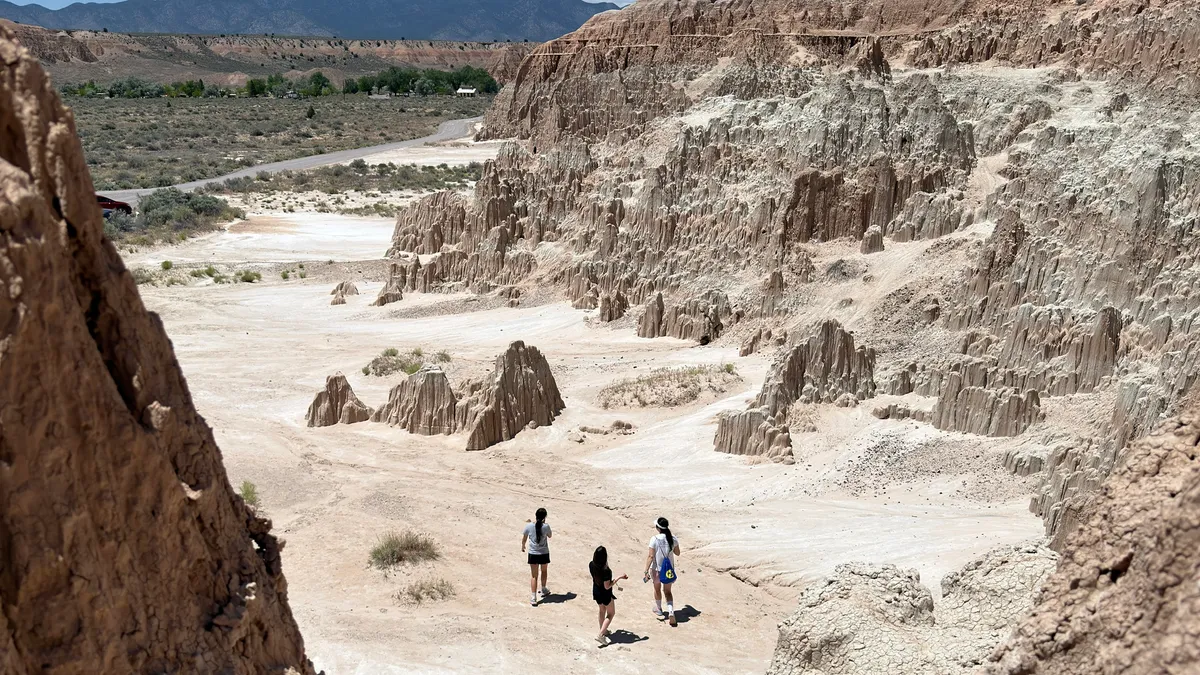
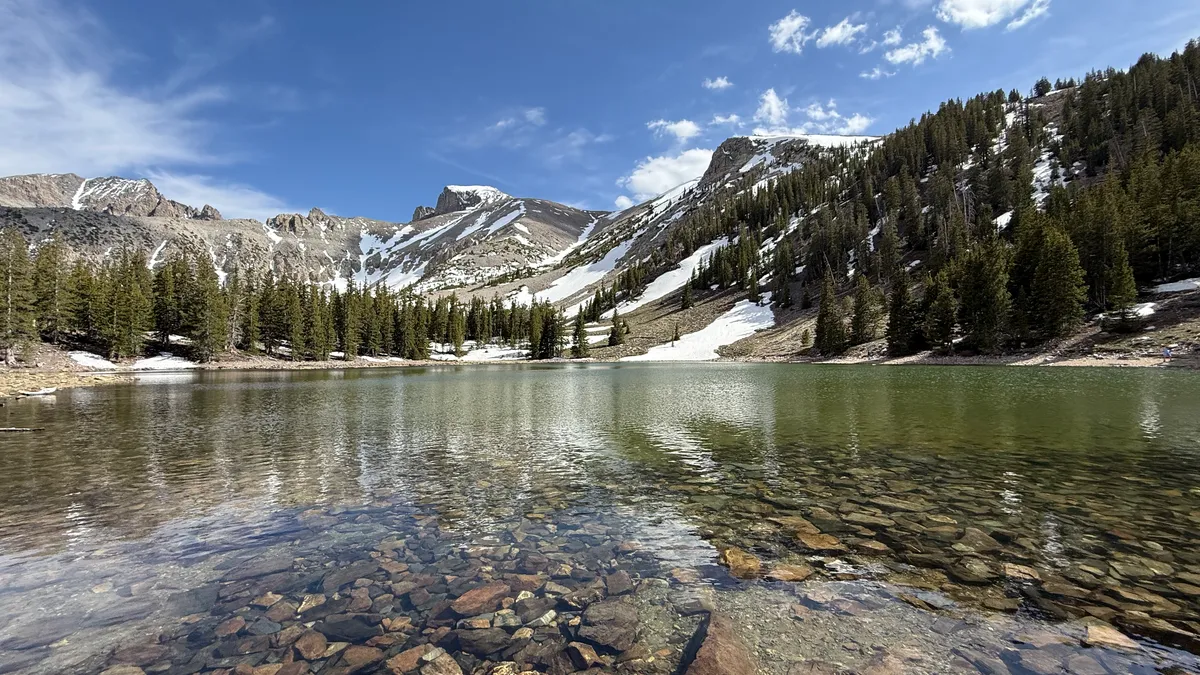
Great Basin National Park is one of America's least visited national parks, despite being free to enter.The park's landscape features alpine scenery, bristlecone pines, and the Lehman Caves.The park is located in a remote area of Nevada, about three hours from Zion National Park.BAKER, NV – Hiking through towering trees and snow-patched meadows at Great Basin National Park on a road trip through Nevada, my family was quickly outnumbered.But not by hordes of fellow travelers, as seen on recent videos of Yosemite after the lifting of reservation requirements. No, we were outnumbered multiple times by mule deer. Unlike the white-tailed deer who would normally bolt back home, these deer munched along the park's picturesque Alpine Lakes Loop like we weren’t even there. Humans must be a relatively uncommon sight for them. Just over 161,000 people visited Great Basin in 2025, making Nevada’s only national park one of America’s least visited, even though it’s only three hours away from one of America’s most popular parks, Zion, which had nearly 5 million visitors. Having now been to both, I don’t understand the disparity, but I can tell you why it's worth visiting Great Basin, which is free to enter and turns 40 this year.Is Great Basin worth seeing? Absolutely, but don’t expect the same red-rock scenery as in Southern Nevada or neighboring Utah. Rising out of the desert like a well-watered oasis, Great Basin reminded me more of Yosemite or other alpine destinations. “It’s a landscape like no other, not only in North America, but actually literally in the world,” the park’s Chief of Interpretation Travis Mason-Bushman told me, while pointing to a visitor center map of the larger Great Basin, which spans multiple states. “Across this entire landscape, the earth is literally tearing itself apart.” He explained that as the land stretched like pizza dough over millions of years, it created myriad mountains and valleys like the park’s South Snake Range. The most iconic mountain within the park and the tallest independent mountain in Nevada is 13,065-foot-tall Wheeler Peak, which visitors can summit on foot or admire from a distance.We wound our way up Wheeler Peak Scenic Drive in just about the largest RV the road could accommodate, a mid-size Class C provided by RVshare. Awed by how green and forested the high desert was, I burst into singing “The hills are alive with the sound of music” as we approached Mather Overlook, a wheelchair-accessible lookout that also features a tactile sculpture of the rocky range for visitors who may be blind or low vision. Equally impressive are Lehman Caves, the longest cave system in Nevada and the reason the area was first protected as part of the National Park System. “Unlike, say, Mammoth Cave or Jewel Cave or Wind Cave, which were carved out by water that kind of drips down, these caves were carved out by water that came up from below, and they were carved out 10 million years ago, so when you enter that cave, you're going to enter a space that has existed in the earth for 10 million years,” Mason-Bushman said, acknowledging the Native Americans who originally cared for the land. When visitors enter the caves today, they’re asked to remain silent in the entryway, to honor those first stewards.Visitors may only enter the caves on paid tours and should note that only the Gothic Palace Lantern Tour is currently available while the rest of the cave system undergoes maintenance to install new lighting. Other cave tours are expected to resume in the coming months. Other notable features include Great Basin's internationally recognized dark skies, which delight stargazers, and bristlecone pine trees, which are among the oldest living things in the world. What is considered the Great Basin? The Great Basin spans most of Nevada, half of Utah, and parts of California, Idaho, Oregon and Wyoming, according to the National Park Service, which tells the larger basin’s story through this park. “No drop of rain that falls within it ever reaches the ocean,” Mason-Bushman said. “Every single stream and river and lake and creek drains inside and disappears. It either evaporates into the sky or sinks into the ground, and so water in the Great Basin is the keystone of everything.” There are six subalpine lakes and several streams within the park, as well as Nevada’s only surviving ice-age glacier, Wheeler Peak Glacier, which visitors can also hike to or see from Wheeler Peak Overlook on Wheeler Peak Scenic Drive. All that water contributes to the park's striking greenery.My family didn’t make it to the glacier, but we loved Stella Lake, which we hiked to with Mason-Bushman and at one point had to ourselves. It reminded me of a Bob Ross painting in real life, with wind gently rippling the crystalline water. Mason-Bushman said on calmer days, it reflects Wheeler Peak like a mirror. I also enjoyed the trickling streams along the Sky Island Forest Trail, a less than half-mile path with rubber matting for accessibility and numerous benches to stop and savor the scenic solitude. I hadn’t been sure what to expect at Great Basin, but once I got to these places, I didn’t want to leave. Getting to Great Basin Great Basin National Park is located just outside the small community of Baker, Nevada, where we camped overnight, though there are also campgrounds in the park. One of the park’s visitor centers is also in Baker. The other is inside the park, near the entrance to Lehman Caves. The park is about a three-and-a-half-hour drive from Salt Lake City and the nearest major airport. Las Vegas is about five hours away. We drove up from Vegas, stopping at several scenic Nevada state parks en route. It is a remote drive to an equally remote, but rewarding park. Mason-Bushman joked that five cars would be considered a traffic jam on some stretches, but the wide-open desert and Nevada’s ubiquitous mountains are so pretty, I found myself taking photos and video all along the way. Travelers could easily tack Great Basin onto a longer Vegas vacation or trip to some of Utah’s Mighty Five parks. Zion is about three hours away from the Great Basin. Bryce Canyon is about three-and-a-half hours away. Arches, Canyonlands and Capitol Reef are further. It boggles my mind how relatively few people visit Great Basin in comparison to those other parks, but I imagine the mule deer prefer it that way. Me too.This story was updated to refresh headlines and add a link.USA TODAY reporter Eve Chen was provided access by RVshare. USA TODAY maintains editorial control of content.