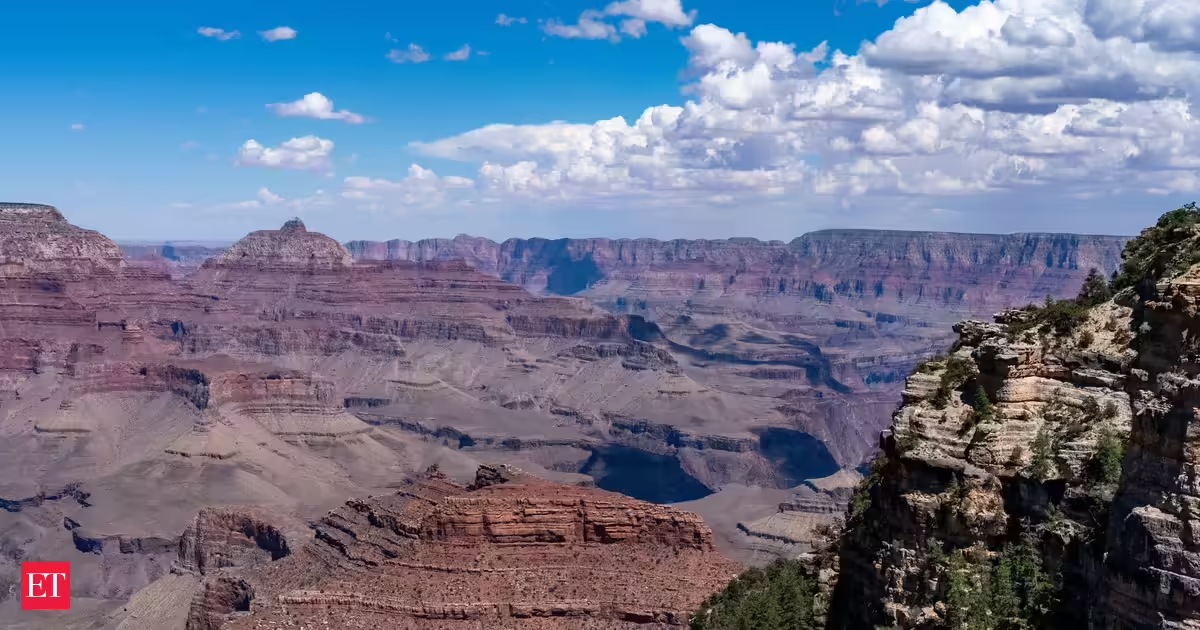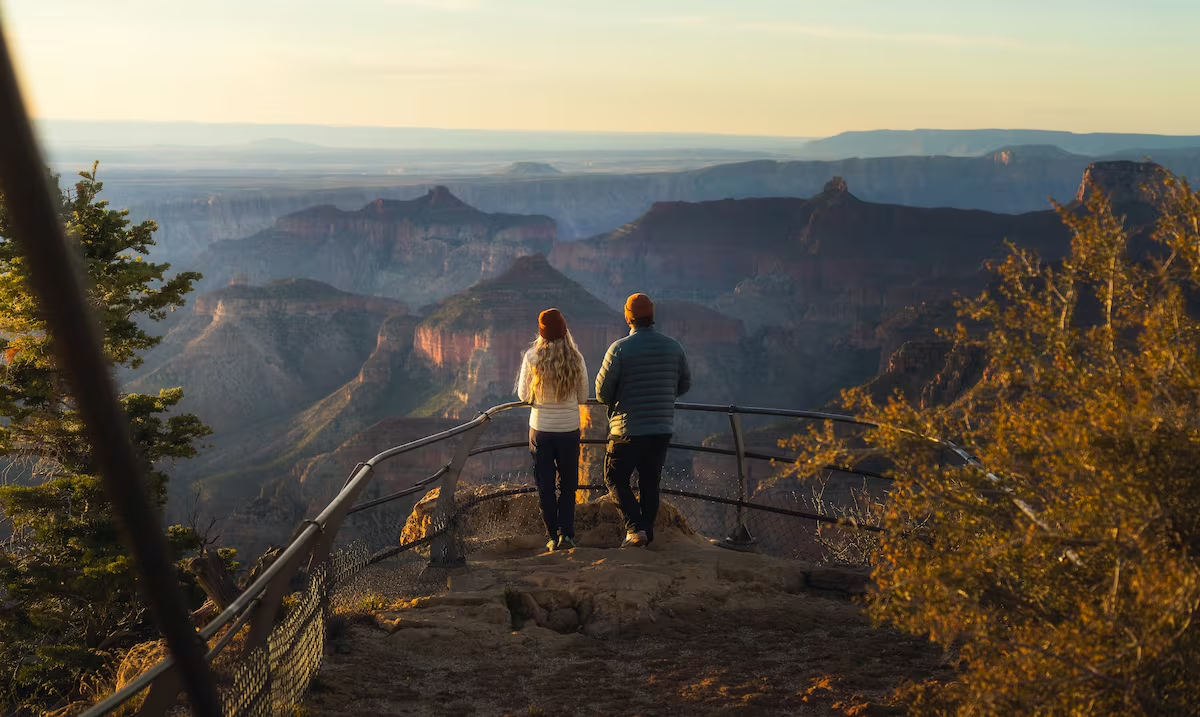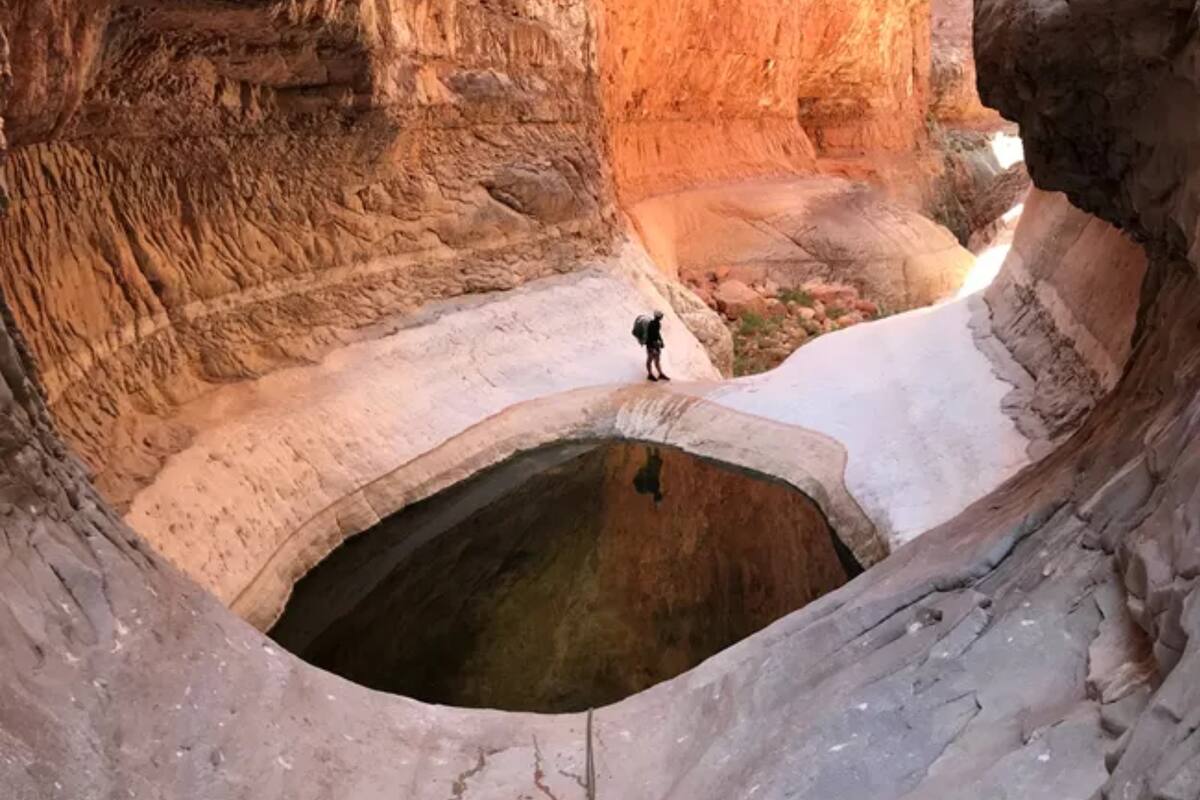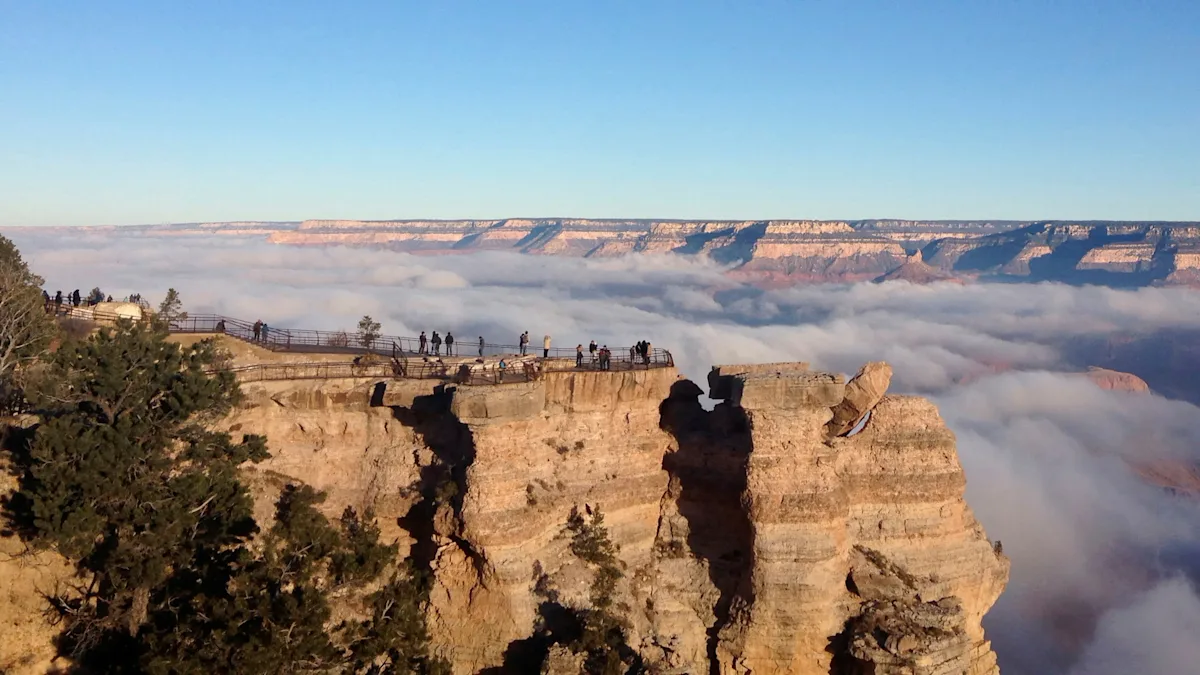
Every year, millions of people visiting Grand Canyon National Park stop at one of the park's water stations. Some are standing on the rim, seeing the canyon for the first time and topping off a water bottle before continuing their trip. Others are far below, hiking through extreme heat, refilling reservoirs and pouring water over themselves to stay safe from dehydration and heat illness.
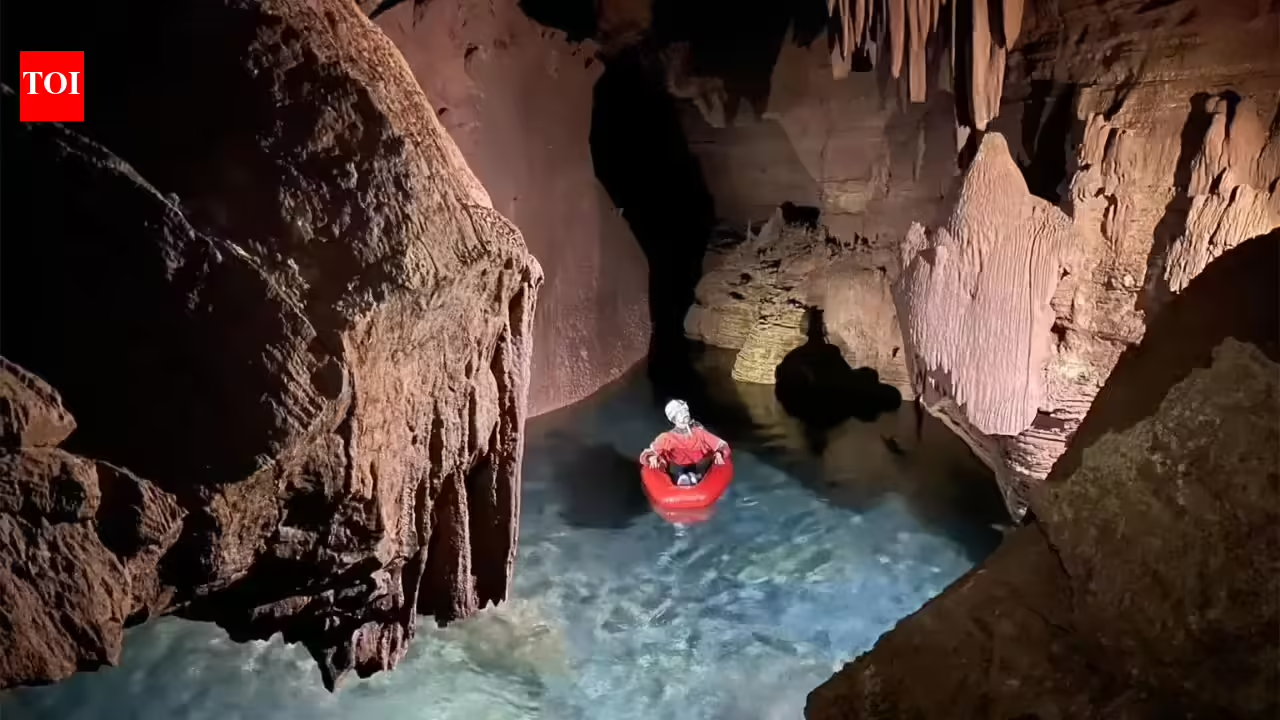
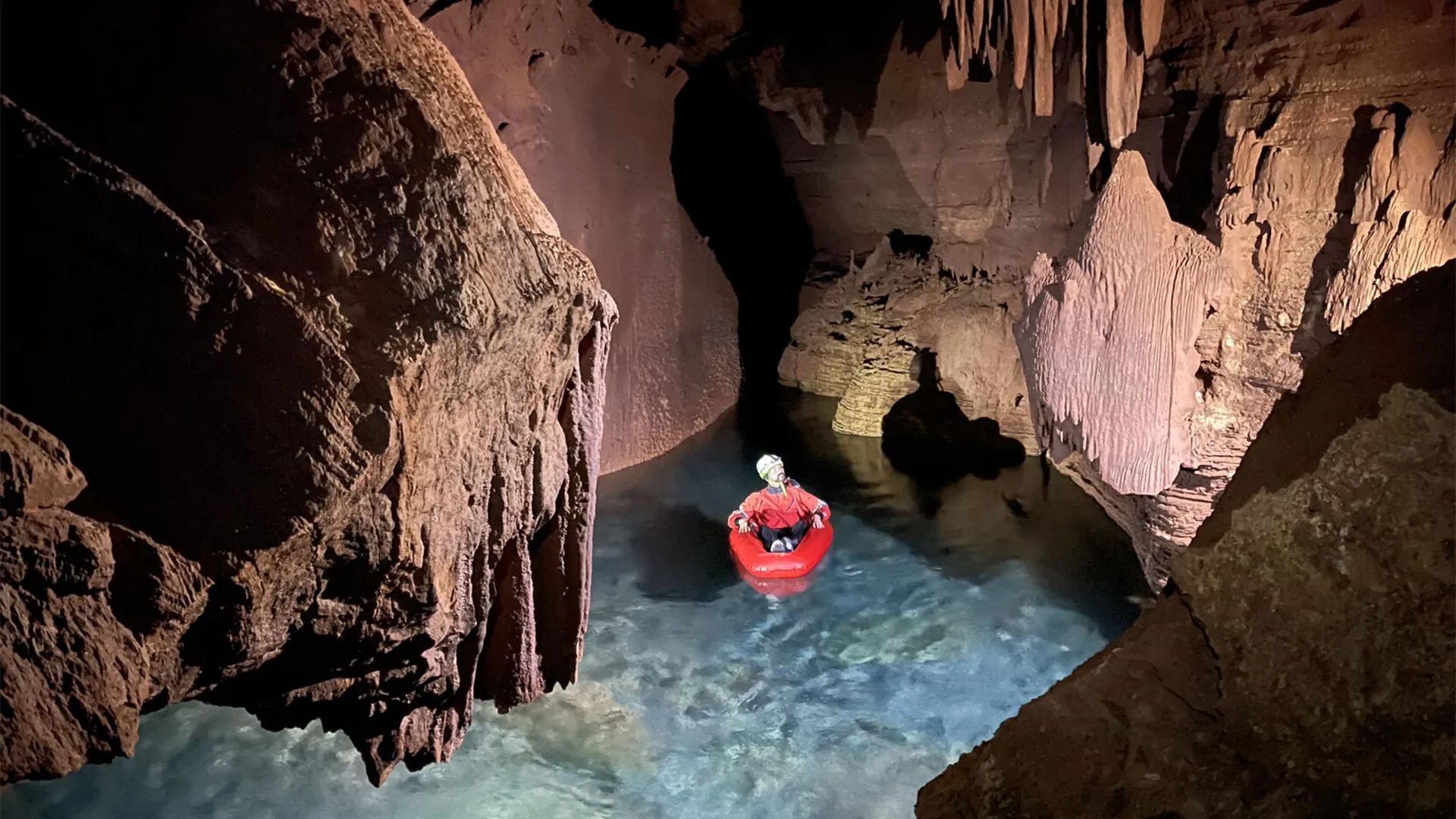
That water comes from a single source: Roaring Springs, a cave-fed spring on the North Rim. Although hikers can hear and glimpse the spring from the North Kaibab Trail, there is no trail leading directly to it. Roaring Springs provides water not only for park visitors but also for the plants, animals, and ecosystems that depend on it. As the region becomes hotter and drier, protecting this vital water source is becoming increasingly important.
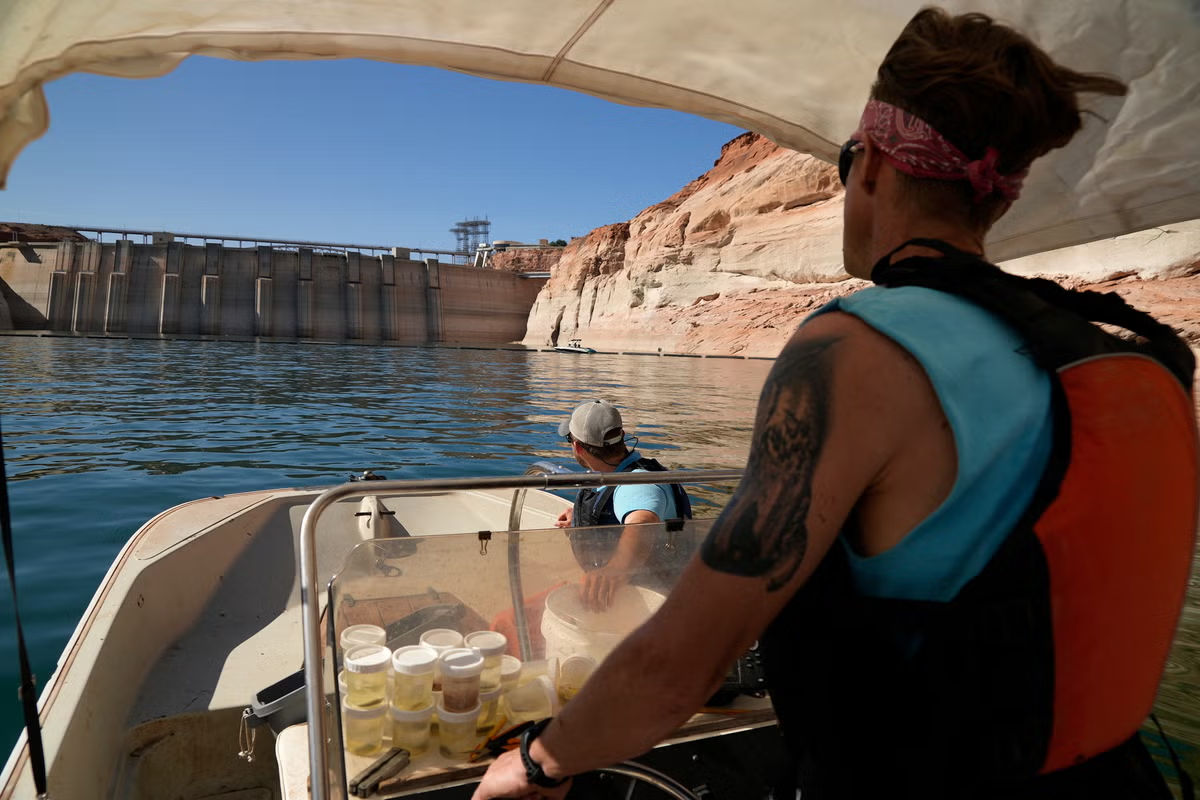
Researchers at Northern Arizona University's School of Informatics, Computing, and Cyber Systems are working to better understand how Roaring Springs and other cave-fed springs function. With support from a new grant funded by Grand Canyon National Park, the team will expand efforts to map these water systems and investigate how snowmelt is connected to the springs.