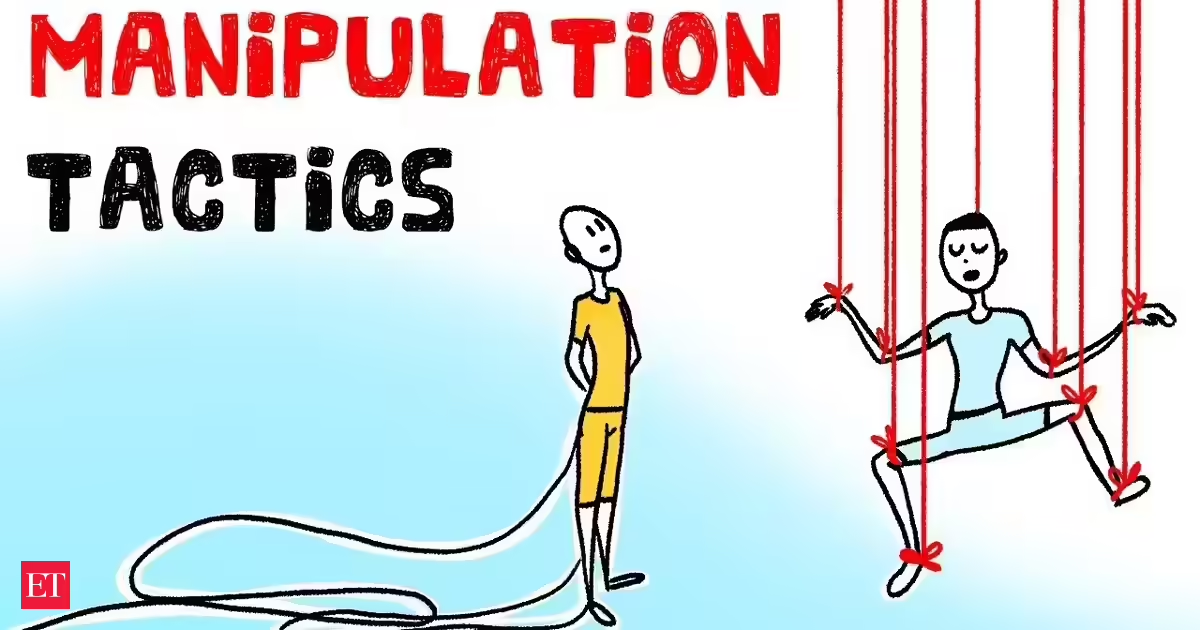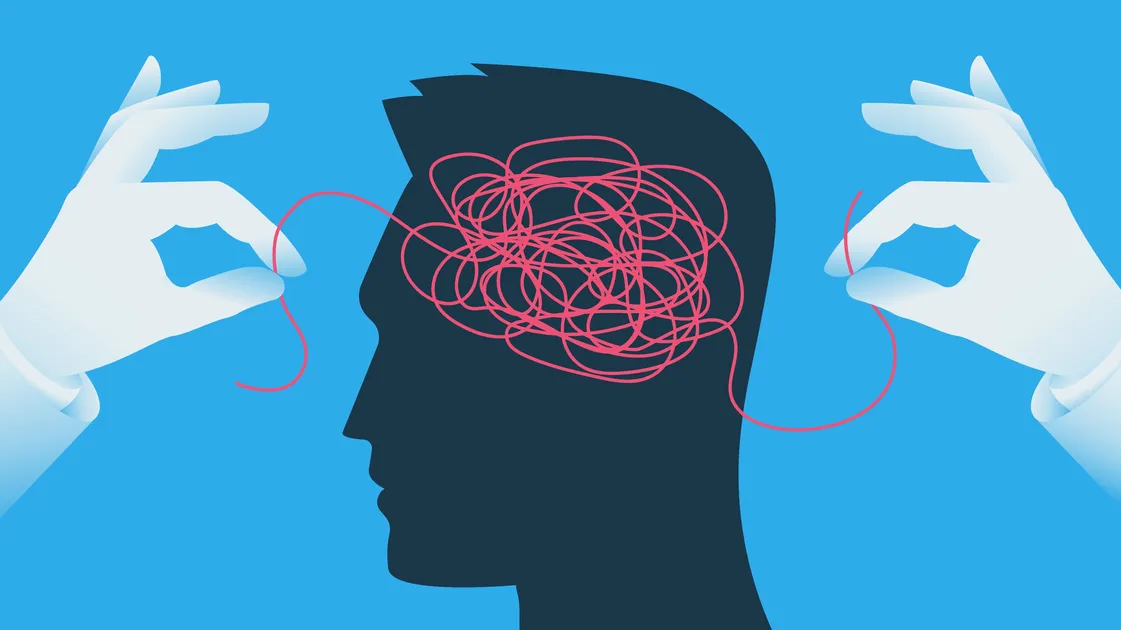
In today’s relationships, romantic, friendships, and even workplace bonds, many interactions are shaped by invisible psychological forces. While people often think manipulation is obvious or extreme, psychologists say it is usually subtle, emotional, and deeply woven into everyday behavior.Much of this thinking traces back to ideas associated with Niccolò Machiavelli, a Renaissance political thinker whose writings on influence and control have long been studied in modern behavioral science. Today, these ideas are not seen as instructions, but as psychological patterns that help explain human behavior in relationships.Psychology of manipulation and the illusion of emotional controlOne of the strongest psychological principles linked to manipulation is perception shaping reality. In modern psychology, this connects with impression management theory, which explains how individuals control how others see them through selective information.In fictional but realistic daily-life scenarios, imagine a person named “Alex” in a relationship who only shares carefully edited moments, happy selfies, success stories, and romantic gestures, but hides emotional struggles. Over time, their partner begins to believe the relationship is more stable than it actually is.This aligns with cognitive bias theory, especially the “availability heuristic,” where people judge reality based on what they see most often. When only positive signals are visible, emotional reality becomes distorted.Social media amplifies this effect. Psychologists note that curated digital identities can subtly manipulate emotional expectations without direct intent.Psychology of manipulation and intermittent emotional reinforcementAnother powerful concept in behavioral psychology is intermittent reinforcement, originally studied through conditioning experiments. This principle explains why unpredictable rewards create stronger emotional attachment than consistent ones.In a fictional example, “Monica” receives inconsistent attention from her partner, warm affection one day, emotional distance the next. This unpredictability increases her emotional dependency, even though the relationship feels unstable.Psychology of relationships (AI generated Image)This pattern is also linked to dopamine-driven reward systems, where the brain becomes addicted to uncertainty rather than comfort. Psychologists compare this to how people become hooked on notifications or social media likes.Modern relationship dynamics like “hot-and-cold texting” or delayed responses often unintentionally trigger this psychological loop.Psychology of manipulation and emotional dependency dynamicsEmotional dependency is often explained through attachment theory, developed by psychologist John Bowlby. It suggests that early emotional experiences shape how people bond in adulthood.In fictional workplace relationships, “Daniel,” a team leader, alternates between praise and criticism toward his colleague. This creates a psychological imbalance where the colleague constantly seeks approval.This behavior connects to operant conditioning, where rewards and punishments shape behavior over time.In extreme cases, manipulation can resemble “gaslighting,” a psychological phenomenon where a person is made to doubt their own perception. For example, a fictional partner might deny past conversations or twist events, leading the other person to question their memory.These behaviors are widely studied under what psychologists call the Dark Triad traits: Machiavellianism, narcissism, and psychopathy, personality patterns associated with strategic emotional influence.Psychology of manipulation and digital-age relationship trapsDigital communication has created new environments for psychological influence. Seen-but-not-replied messages, delayed responses, and online “status visibility” all contribute to emotional uncertainty.In a fictional scenario, “Maria” notices her partner is active online but ignores her messages. This triggers cognitive dissonance, where conflicting thoughts create emotional discomfort: “They are online, so why aren’t they replying?”Psychology warning (AI Generated Image)Psychologists explain that this uncertainty increases emotional fixation. Even simple features like “last seen” indicators can unintentionally create anxiety loops.These patterns mirror social exchange theory, which suggests people constantly evaluate relationships based on perceived emotional rewards versus emotional cost.Psychology of manipulation and lessons from Machiavellian thinkingThe writings associated with Niccolò Machiavelli are often interpreted in modern psychology as a study of power, perception, and influence. However, today’s psychological research reframes these ideas as cautionary insights rather than relationship strategies.Modern therapists emphasize metacognition, the ability to think about one’s own thinking, as a tool to detect manipulation. When individuals recognize emotional patterns instead of reacting impulsively, they reduce vulnerability to influence tactics.Psychologists also highlight emotional regulation theory, which helps individuals respond calmly instead of reacting to uncertainty or emotional pressure.Ultimately, healthy relationships rely not on control or strategy, but on transparency, consistency, and psychological safety.The psychology of manipulation reveals how subtle behaviors, not dramatic actions, often shape emotional dynamics in modern relationships. From intermittent attention to curated identities and digital uncertainty, these patterns are deeply tied to human psychology.Understanding these mechanisms does not mean using them, it means recognizing them, questioning them, and building relationships that are grounded in clarity rather than control.FAQsWhat is the psychology of manipulation in relationships? It refers to subtle behavioral and emotional tactics that influence how people think, feel, or act within relationships.Are manipulation tactics always intentional? No. Many patterns happen unconsciously due to attachment styles, habits, or learned emotional behaviors.
Psychology warning: Are you being manipulated in your relationship without realizing it? 5 Machiavellian secrets influencing your emotional balance
The psychology of manipulation shows that it is often subtle behaviors, rather than obvious actions, that shape emotional dynamics in modern relationships. Patterns such as inconsistent attention, carefully curated identities and digital ambiguity are closely linked to core aspects of human psychology and influence how people connect and respond to one another.
773 words~4 min read