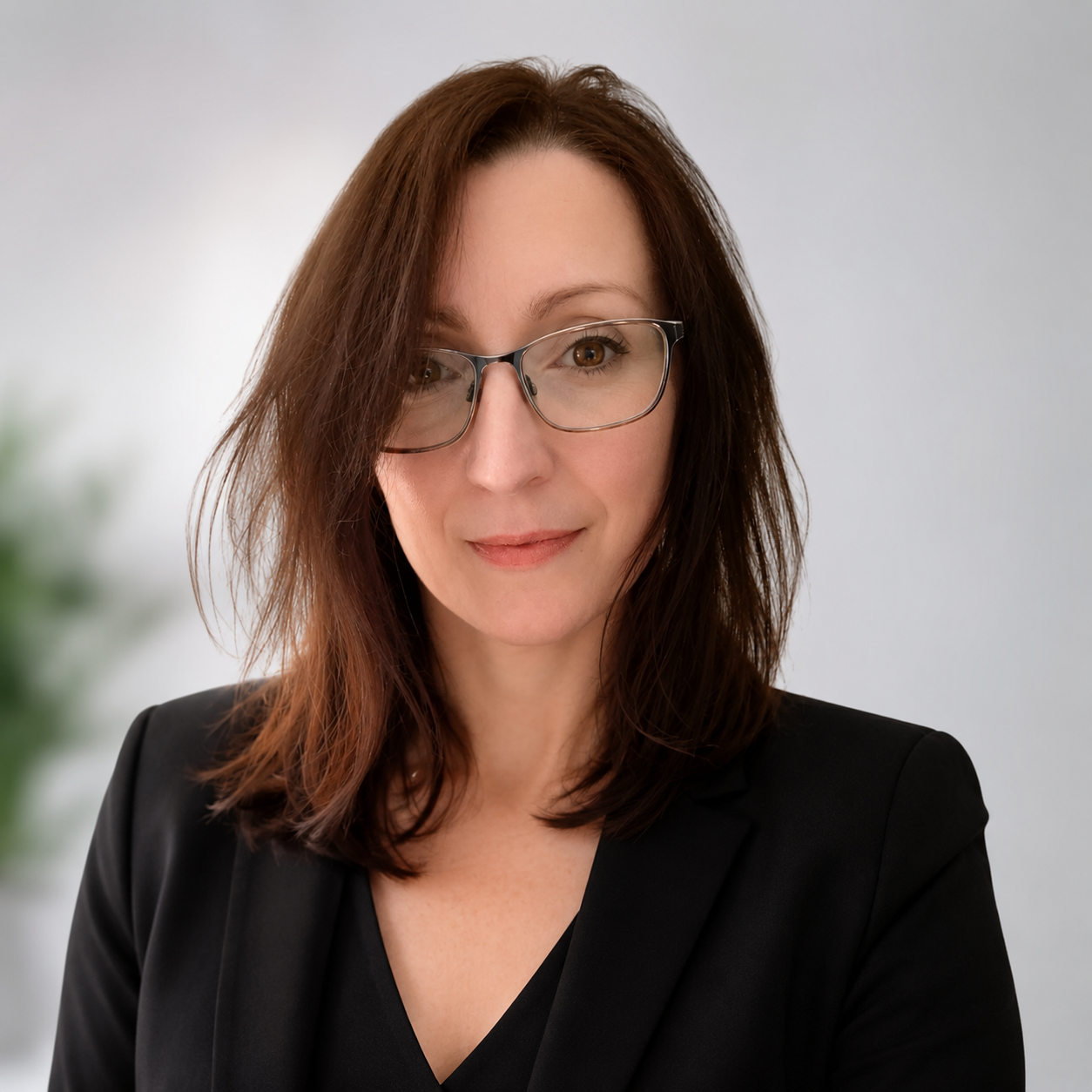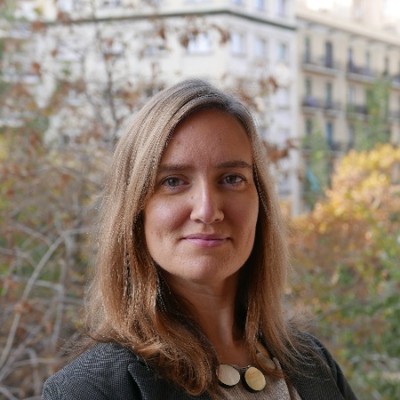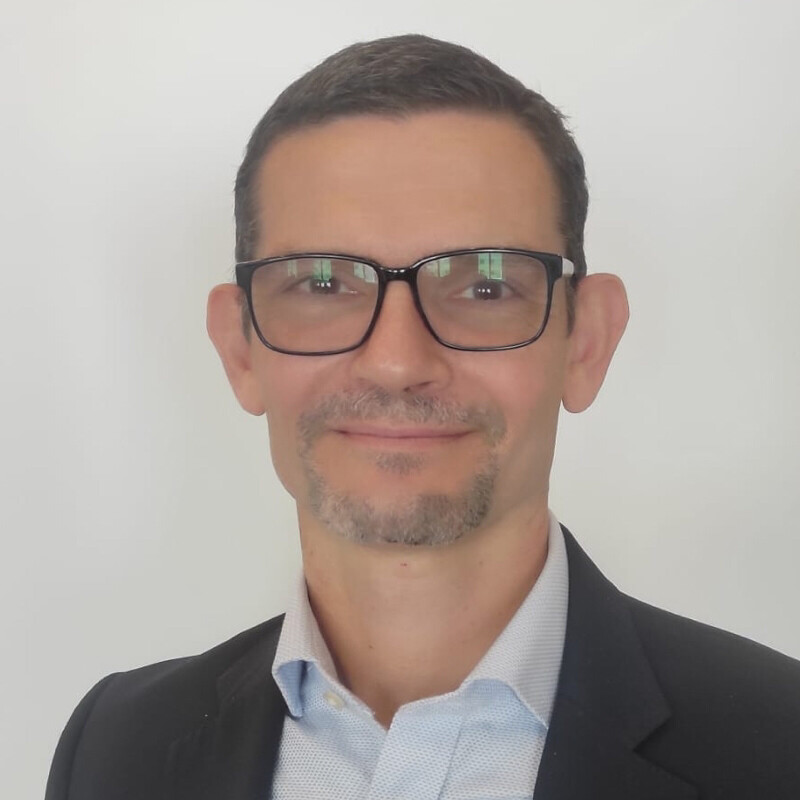
This week Women in Solar+ Europe gives voice to Kim Keats, Partner at Spain’s Ekon Strategy Consulting. “There is no substitute for speaking to colleagues, clients, investors, developers, operators and other market participants,” he states.
The energy transition is forcing us to solve problems that are often complex, interconnected and, in many cases, unprecedented. No individual, company or discipline has all the answers. In that environment, leadership is less about having the right answer yourself and more about creating conditions where the best ideas can emerge from the collective expertise of a team.
For me, inclusive leadership is a decision-making advantage, rather than a social objective. People with different backgrounds, experiences and ways of thinking will often identify risks, opportunities or unintended consequences that others miss. The challenge is ensuring those perspectives are actually heard. If the same voices dominate every discussion, organisations risk becoming less innovative and more vulnerable to blind spots.
Trust, challenge and psychological safety
Psychological safety does not mean avoiding difficult conversations or seeking consensus on everything. It means creating an environment where people can question assumptions, challenge decisions, and raise concerns without fearing negative consequences. If people feel trusted and respected, they are much more likely to contribute honestly, including when they disagree. This ultimately leads to better decisions and stronger organizations.