Every company needs a way to make money. That sounds obvious, but the mechanism — who pays, when, how much, and why — shapes almost everything else about a business: its costs, its growth potential, its relationship with customers, its vulnerability to competition. Two companies can sell the same product and operate under radically different economic logic. A car you buy outright and a car you lease are the same object. The businesses built around them are not.
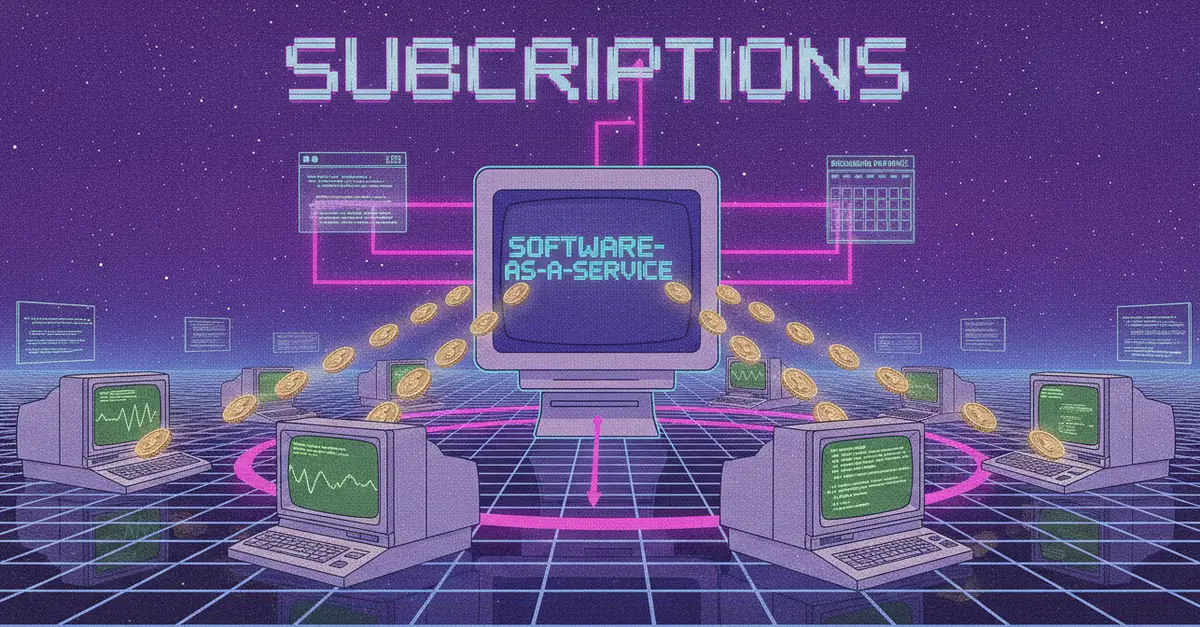
Business models have multiplied in complexity over the past two decades. The internet made it possible to reach global customers at near-zero marginal cost, which gave rise to platforms, marketplaces, and freemium products that would have been economically impossible in the pre-digital era. At the same time, classic models — the franchise, the subscription, the razor-and-blade — have endured precisely because their underlying logic is sound, regardless of the technology era.
Understanding business models matters well beyond the C-suite. Investors use them to gauge how a company creates and captures value. Employees benefit from knowing how their work connects to revenue. Entrepreneurs need to choose a model before they can price anything, hire anyone, or raise a dollar. Even consumers make better decisions — about loyalty programs, freemium apps, and subscription traps — when they understand the mechanics behind them.