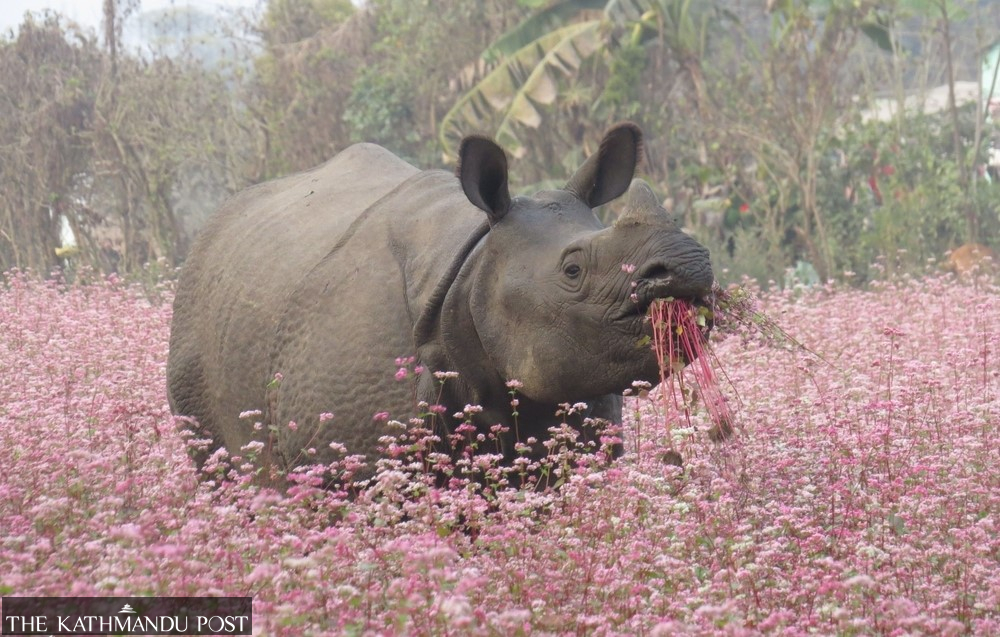
Farmers in Nepal’s Madhesh province lose crops every year to wildlife, including nilgai antelopes, wild boars, deer and elephants, but complex paperwork and bureaucratic procedures make accessing compensation extremely difficult.The relief guidelines require 12 types of documents for a maximum payout of 10,000 rupees, or about $65, but exclude crops grown on unregistered land, and only cover 16 specified animals — leaving out deer, peacocks and parrots, which locals say cause significant damage.Compensation distributed is widely seen as inadequate, and even those who complete the process face long delays — with some farmers reporting the travel costs to government offices exceed the relief they receive.Political parties including the ruling RSP have pledged to address human-wildlife conflict but have yet to take any concrete measures, leaving farmers skeptical and without meaningful relief.
SARLAHI, Nepal — Dhruba Prasai, a farmer from Sarlahi district in Nepal’s southern plains, says he’s exhausted from lack of sleep. Every year, nilgai antelopes, wild boars, deer and Asian elephants raid his fields, and if left unguarded at night, they not only feed on standing crops, but also stored harvest.