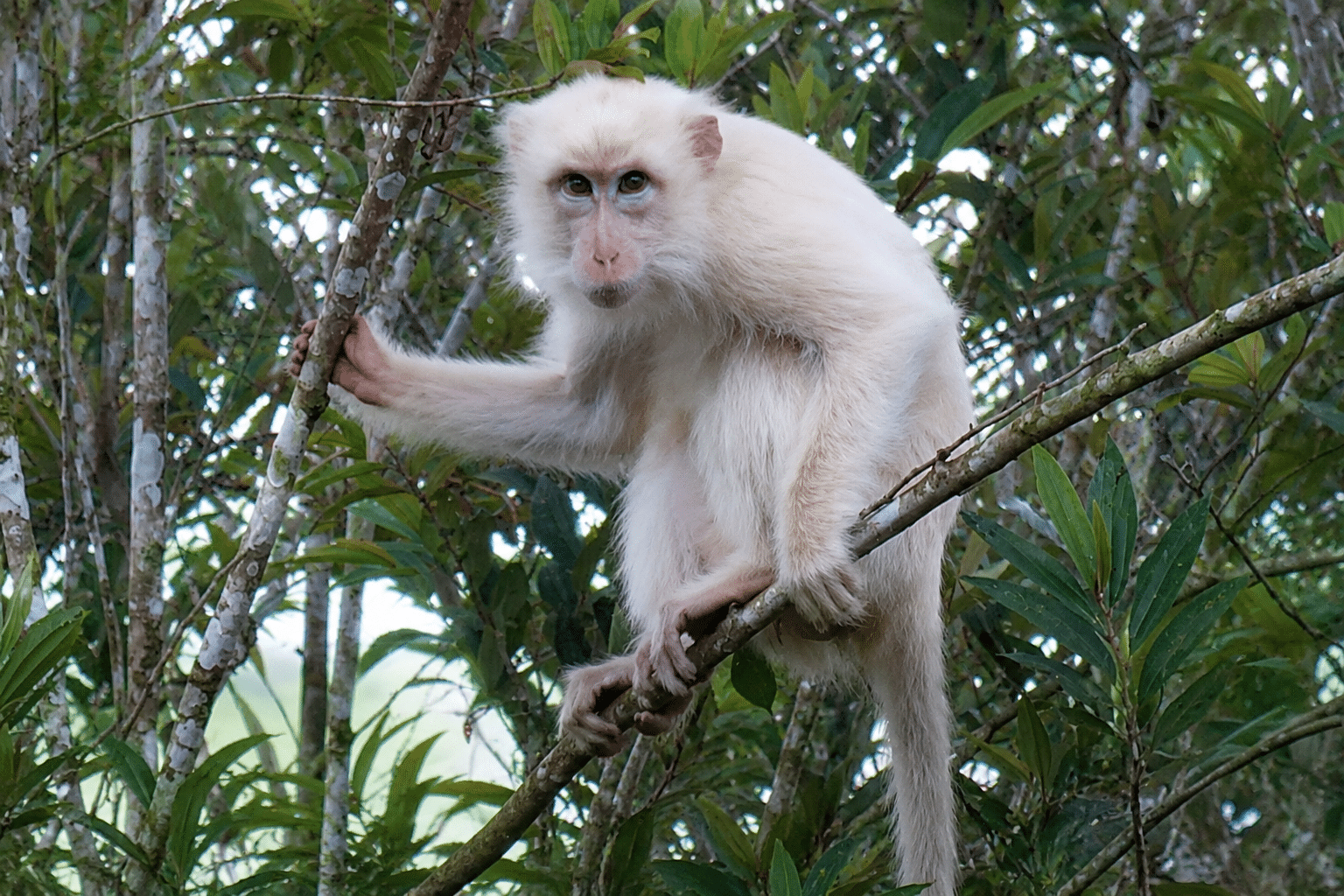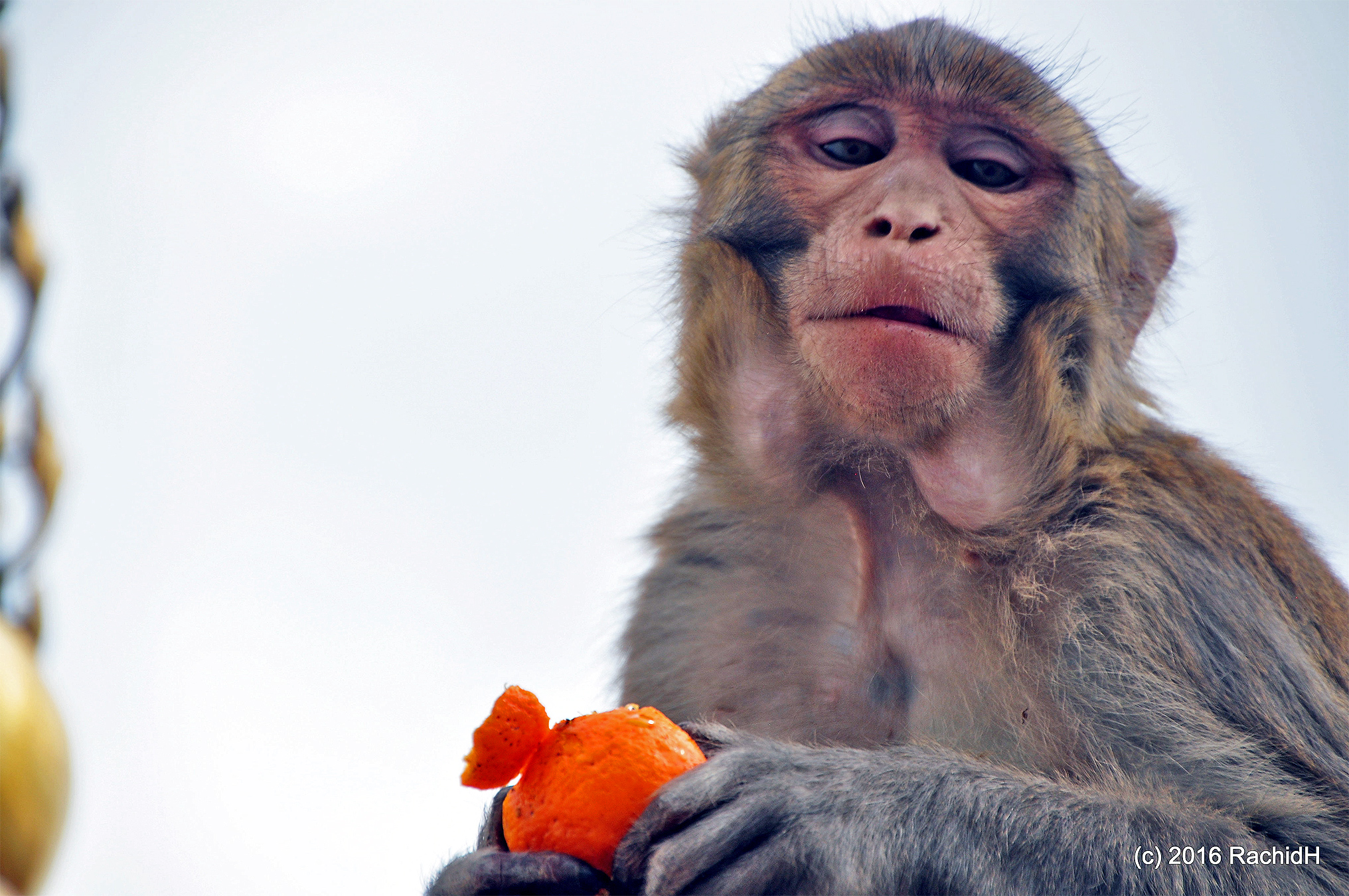
Nepal’s rhesus macaques are raiding crops across the mid-hills. A 2026 study found nearly half their diet in one region came from cultivated crops, and farmers bearing losses largely uncompensated.Researchers are testing AI-based detection systems, with one achieving around 88% field accuracy.Nepal’s compensation and relocation policies have struggled to keep pace with the conflict, and a 15-member government task force formed in May 2026 has yet to report, leaving farmers to guard their fields at dawn in the meantime.
KATHMANDU — At dawn in Birta Deurali village of Kavrepalanchok in central Nepal, maize fields aren’t quiet. Farmers stand guard, scanning the trees for movement, but they aren’t the only ones there.
“If you leave even for a short time, the monkeys do considerable damage,” said 46-year-old Sagar Tamang, a resident of Birta Deurali. Villagers take turns guarding fields every two hours, beating drums and sending dogs to chase them away.
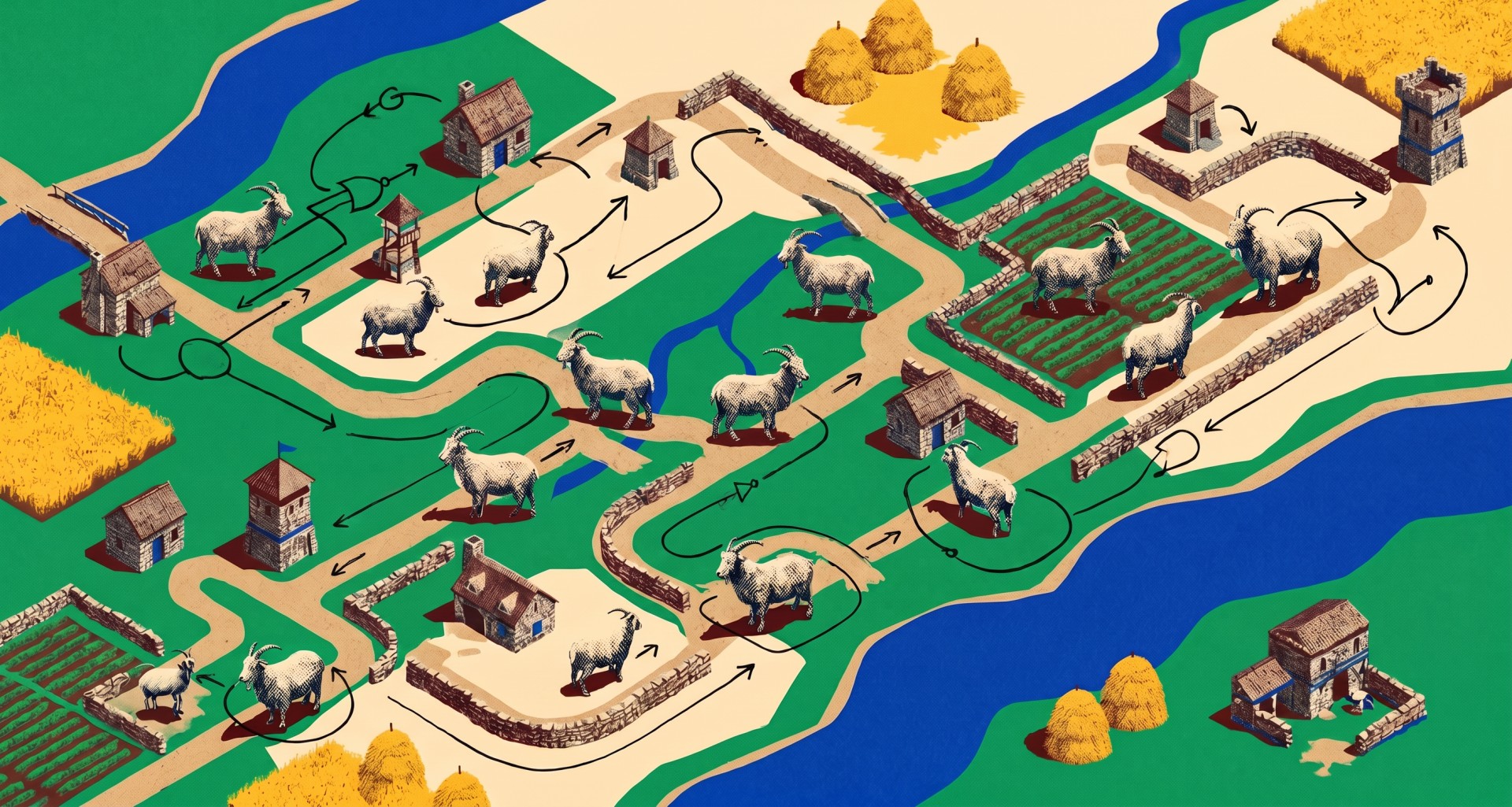
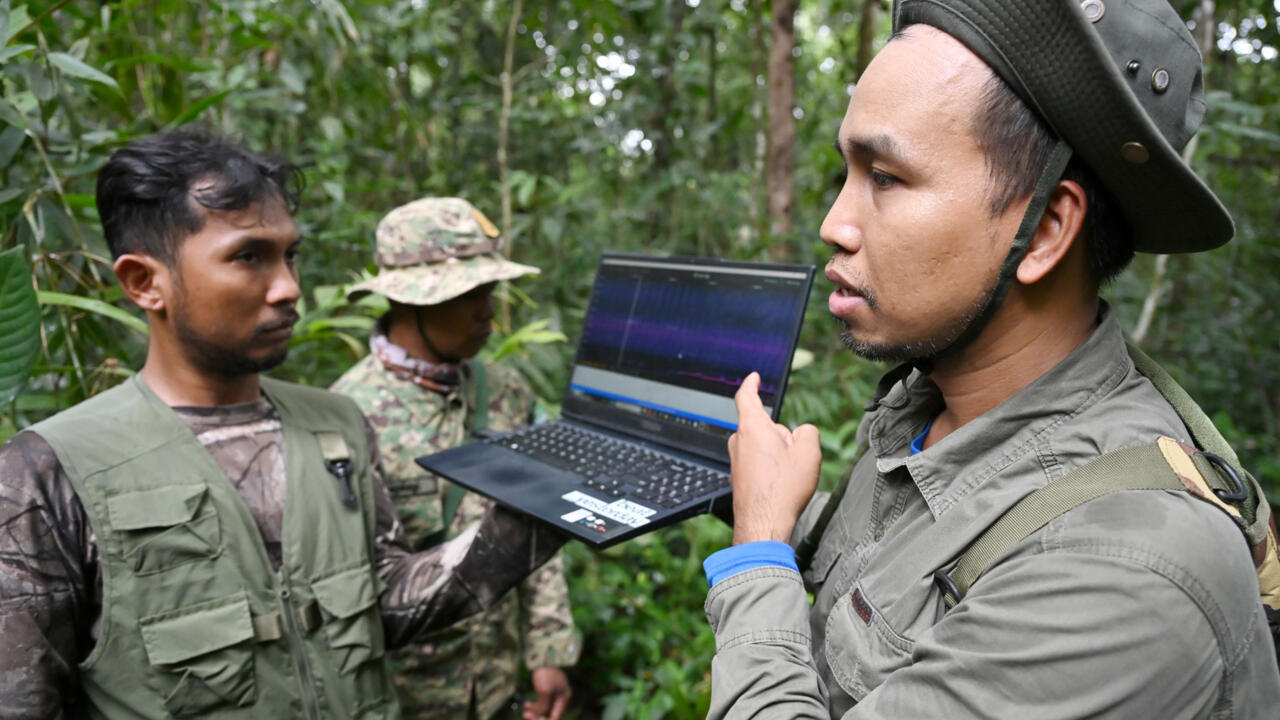
Nepal’s macaque crop raids are making national headlines, and the country’s researchers are testing artificial intelligence-based detection and deterrence systems, though even the scientists building them admit the technology isn’t yet a reliable fix.