There is a moment every dentist remembers. You are mid-appointment, patient in the chair, and you reach for the paper chart. It is there, technically. But the previous entry is smudged, there is a sticky note from three visits ago half-peeling off the corner, and somewhere under the crossed-out markings is the information you actually need. You find it. Eventually. The patient watches you search.
Nobody switches to digital charting because they read a whitepaper about it. They switch because of moments like that one. Because of the morning they spent 40 minutes reconstructing a patient's treatment history from a paper file that had been updated by four different hands over six years. Because of the claim that got rejected because a condition code on the chart did not match what was billed.
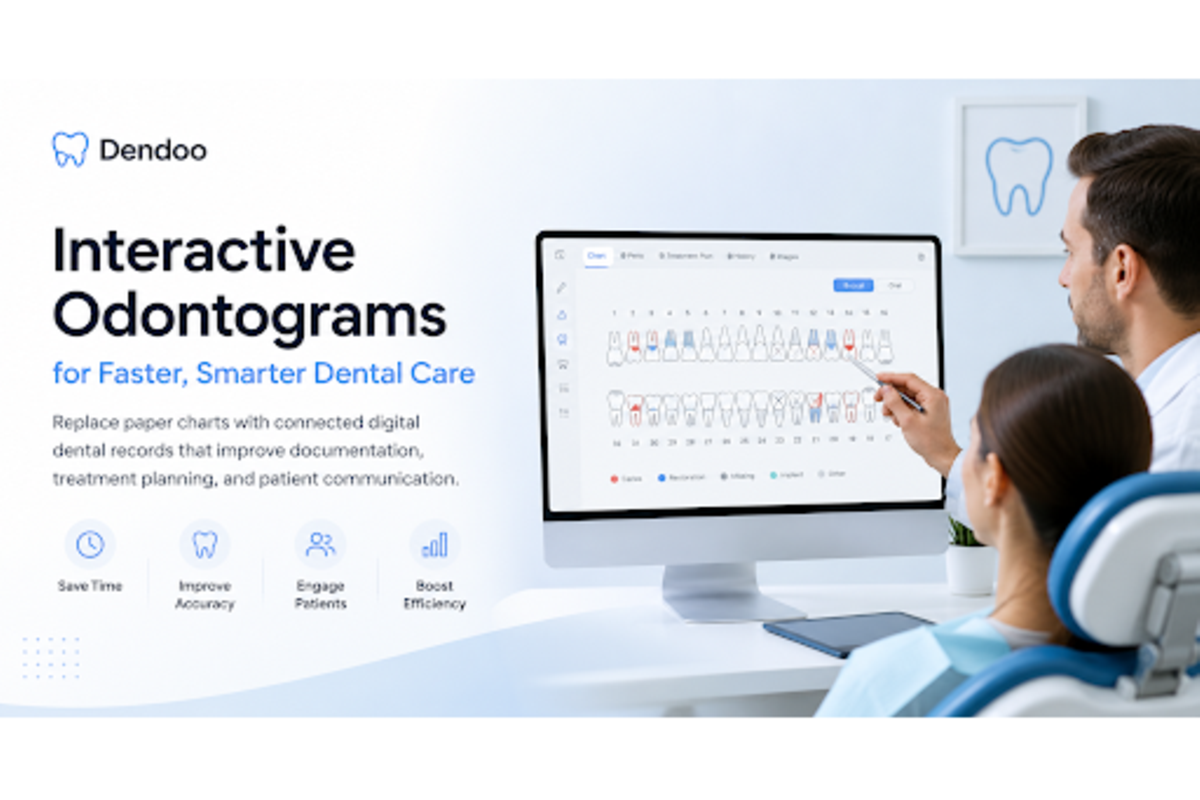
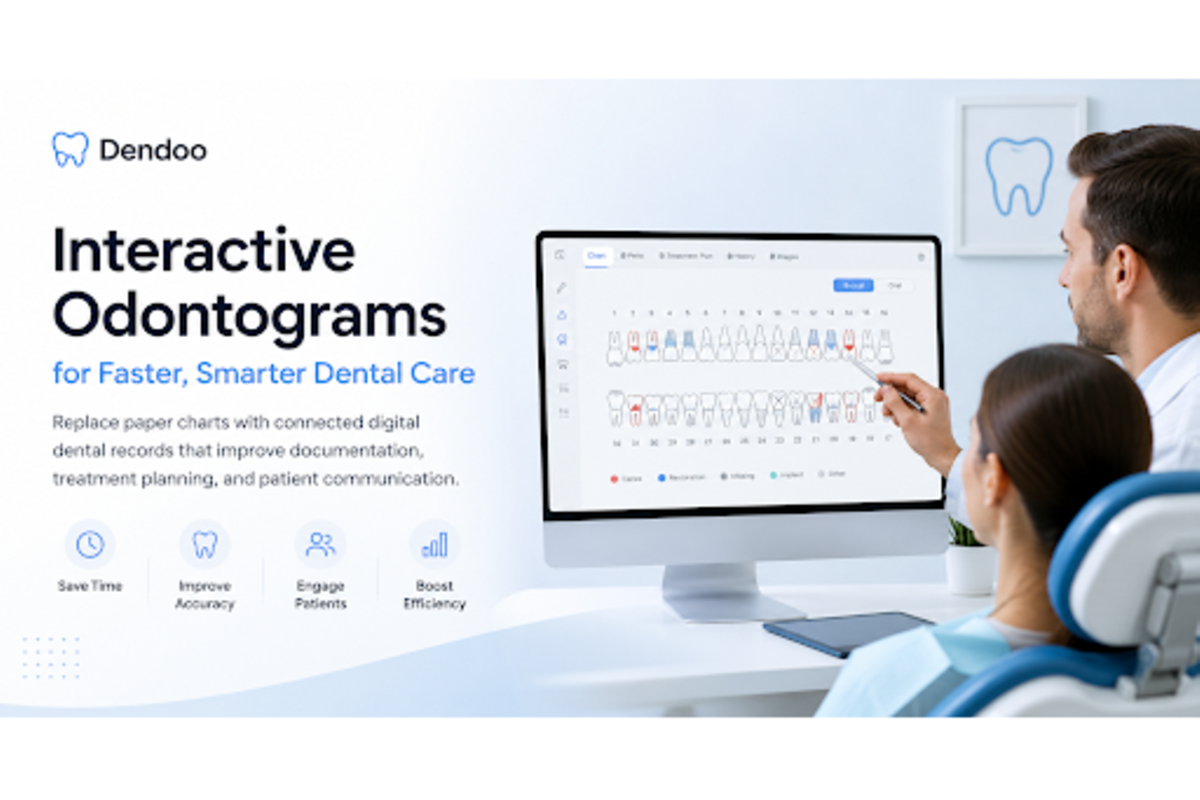
The odontogram dental is the map of every patient's mouth. When that map is interactive, connected, and alive, everything downstream gets better. This is why dentists are making the switch, and what the best interactive odontograms actually look like in practice.
Also Read
Frida Amani elevates Tanzanian hip-hop at IOMMA forum