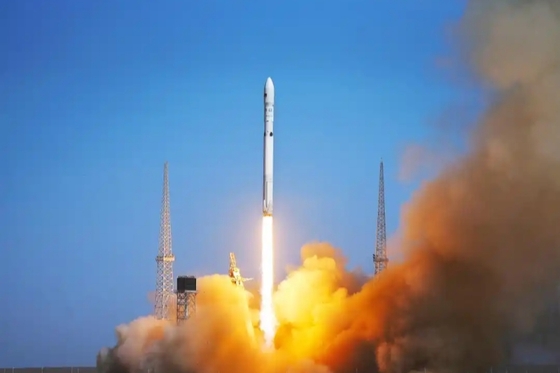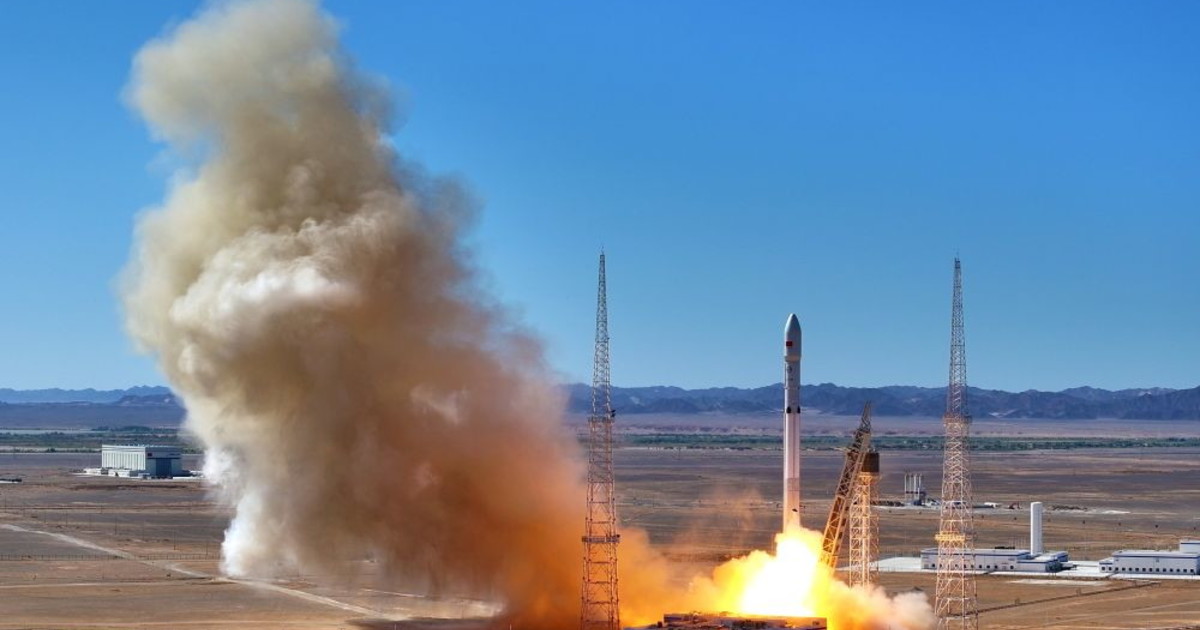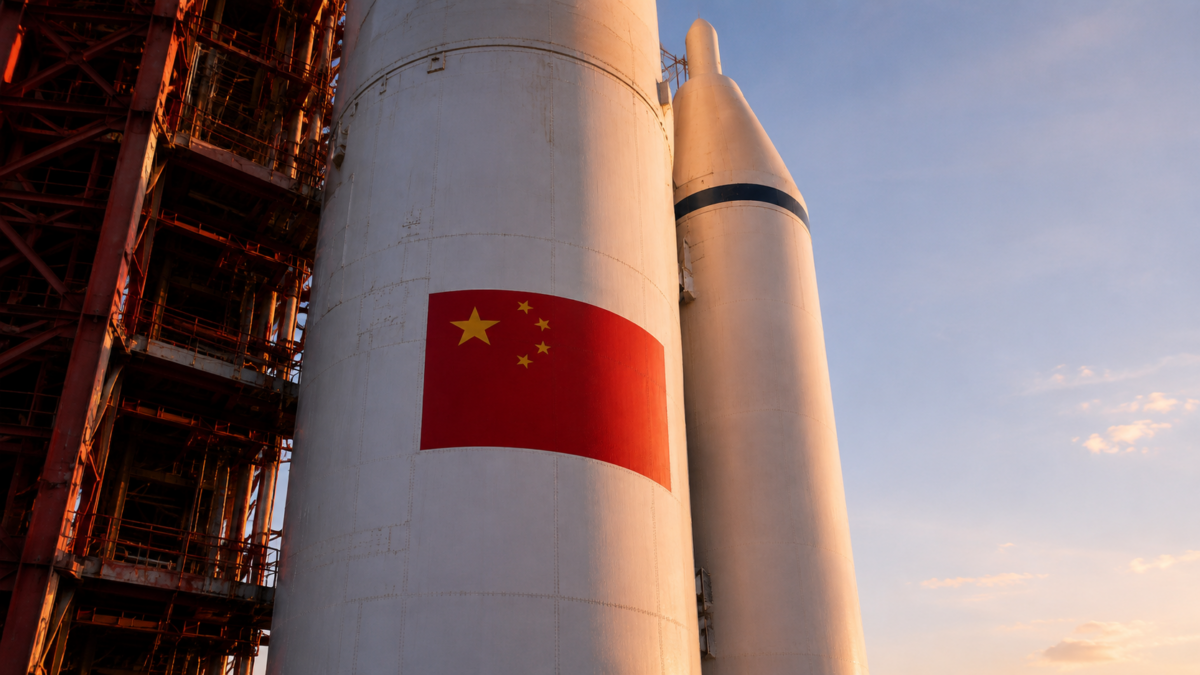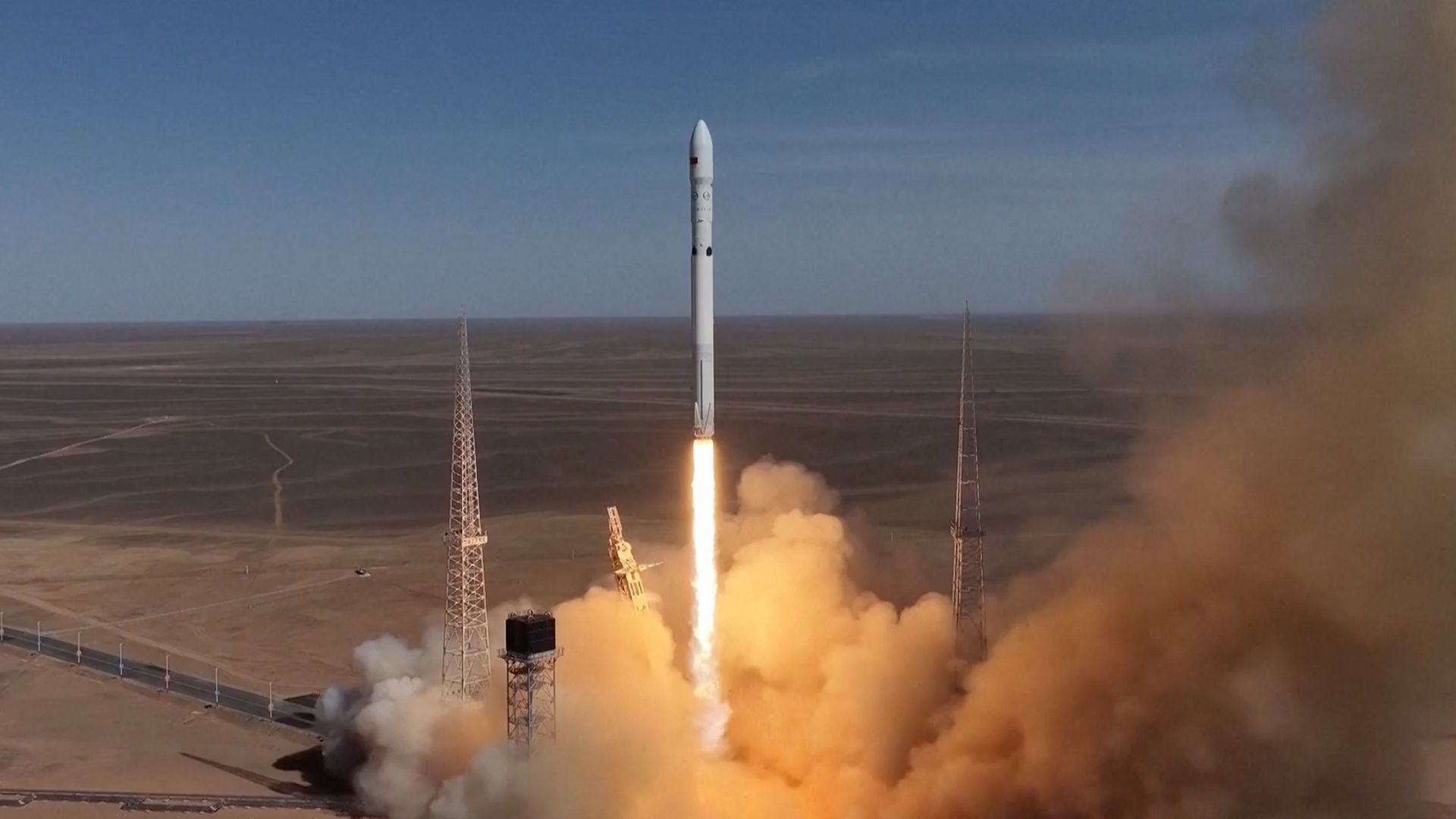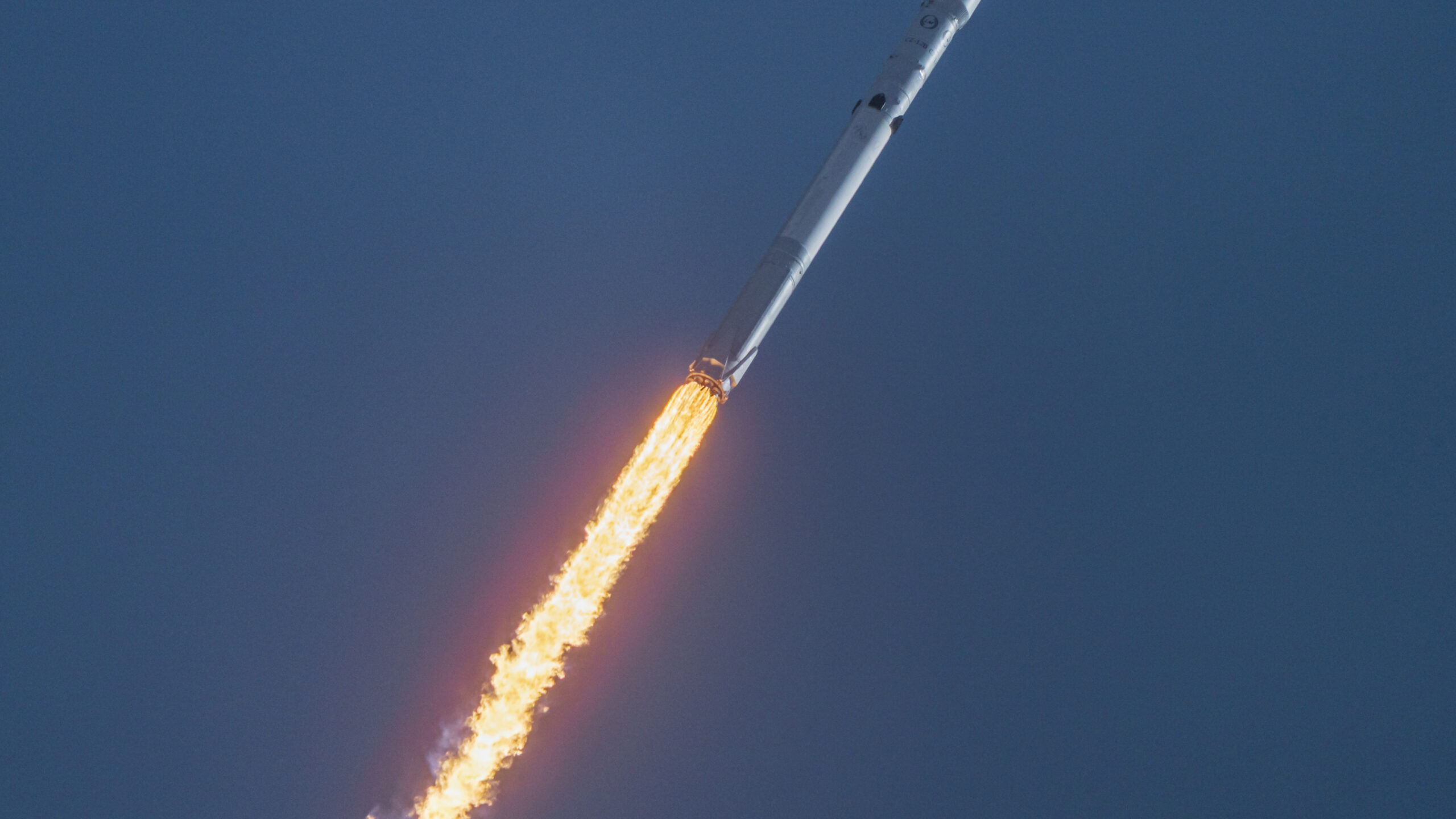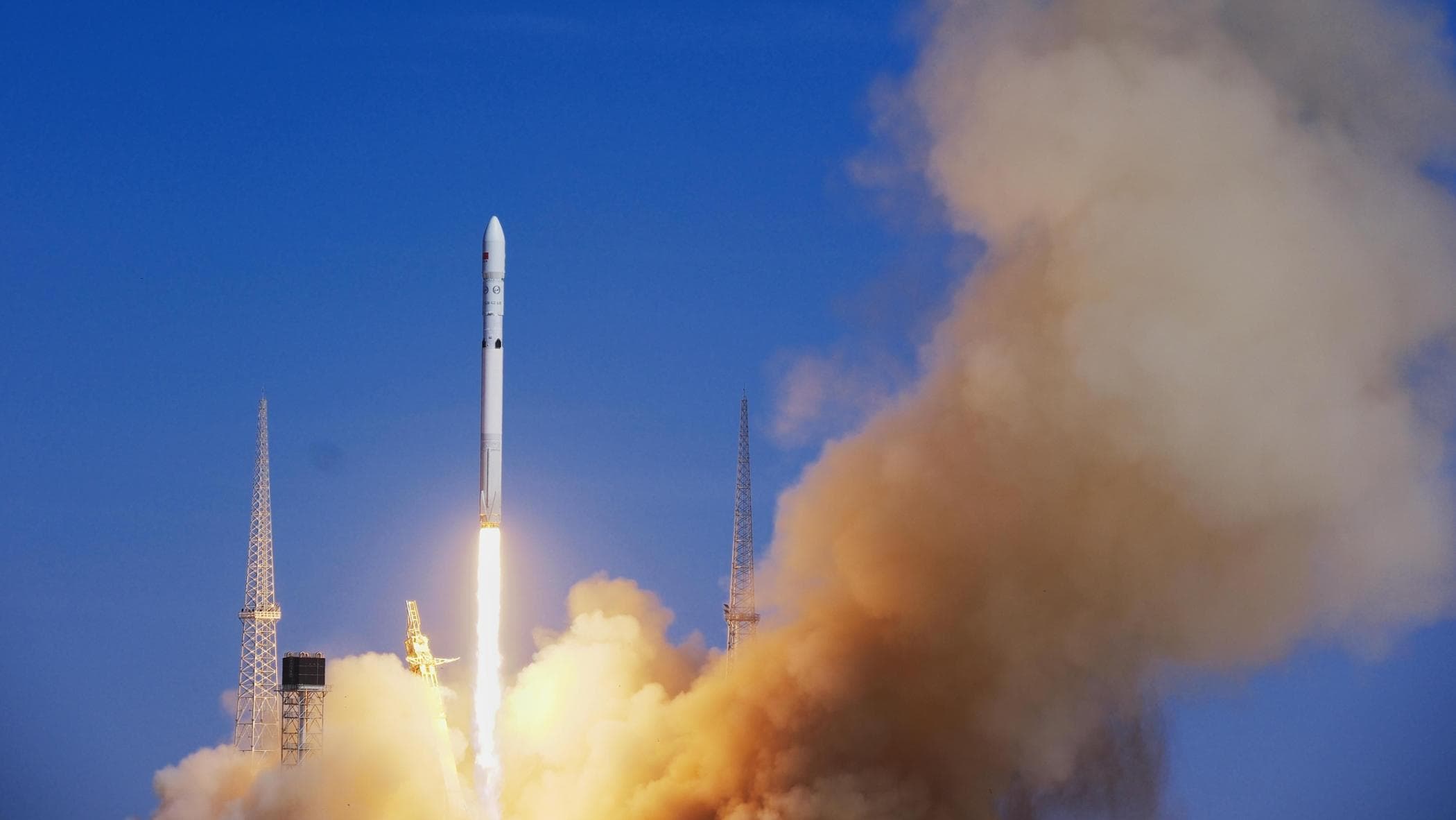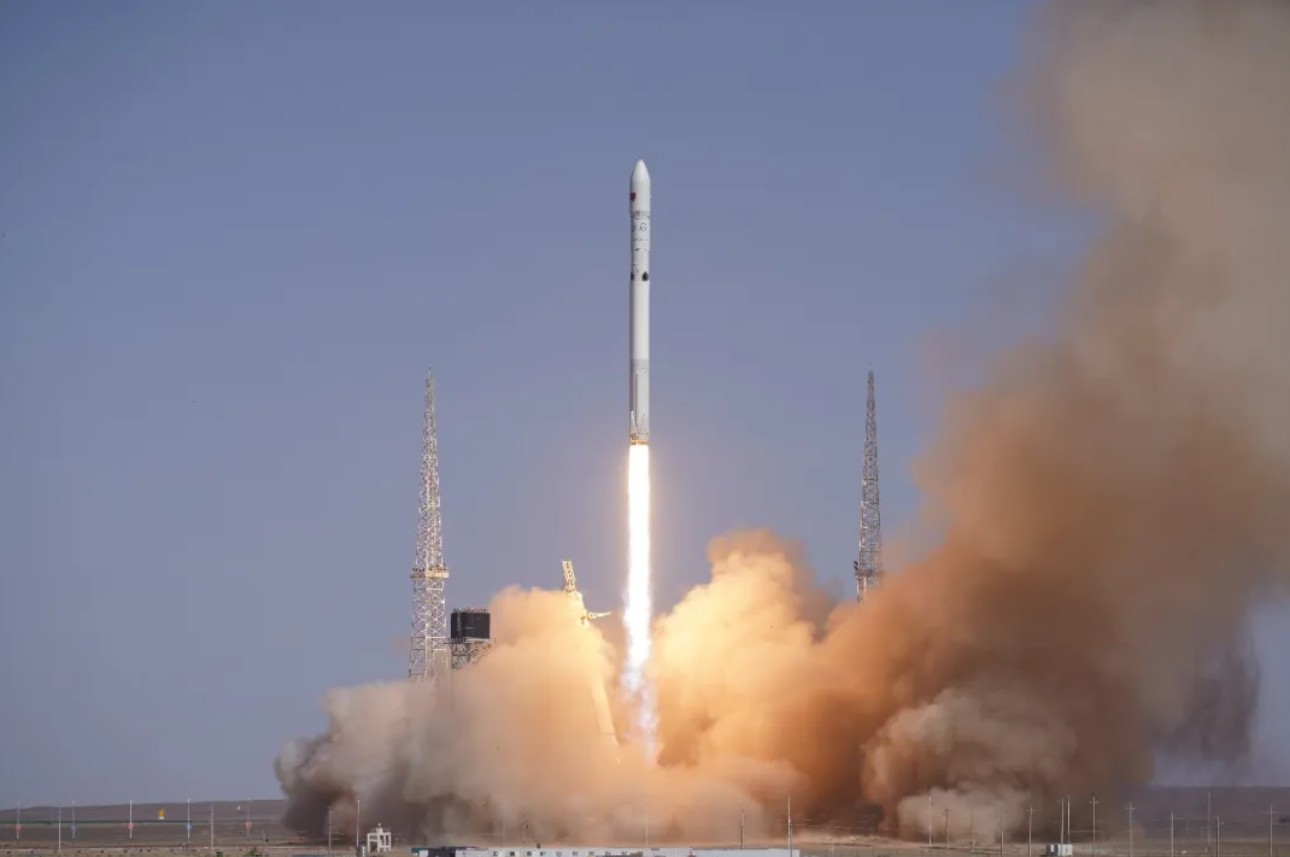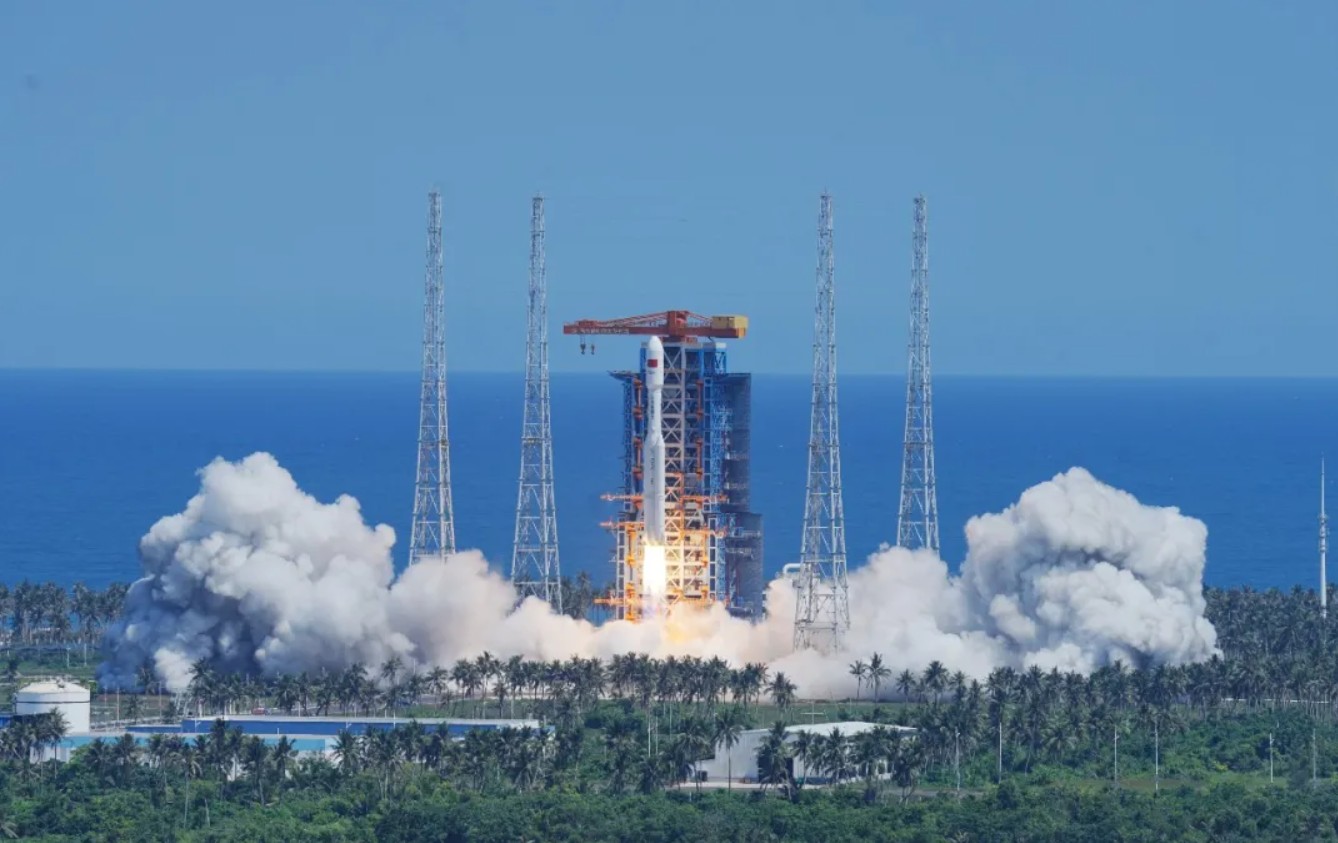
A Long March 8 rocket lifts off from Hainan, June 5, 2026, sending the 12th group of Qianfan satellites into polar orbits. Credit: Ourspace
HELSINKI — Construction of the Shanghai-led Qianfan constellation continued to accelerate this week with a pair of Long March launches, following on from two recent experimental flights.
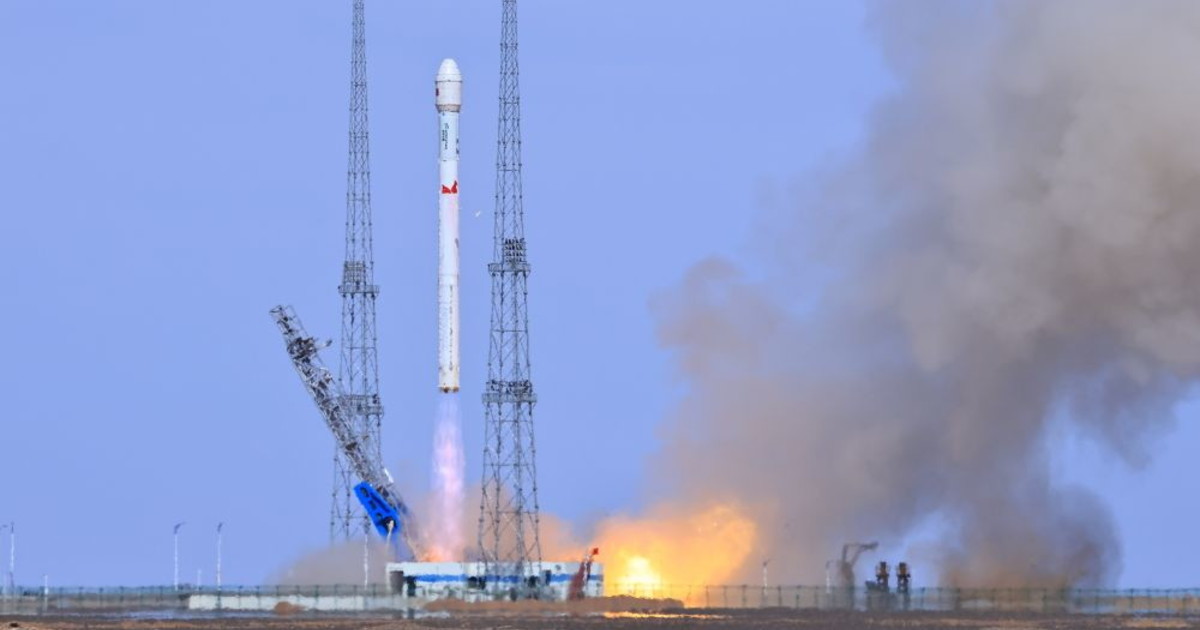
China launched Long March 6A and Long March 8 rockets Thursday and Friday respectively, adding 36 satellites to the project led by Shanghai Spacecom Satellite Technology (SSST), or Spacesail.
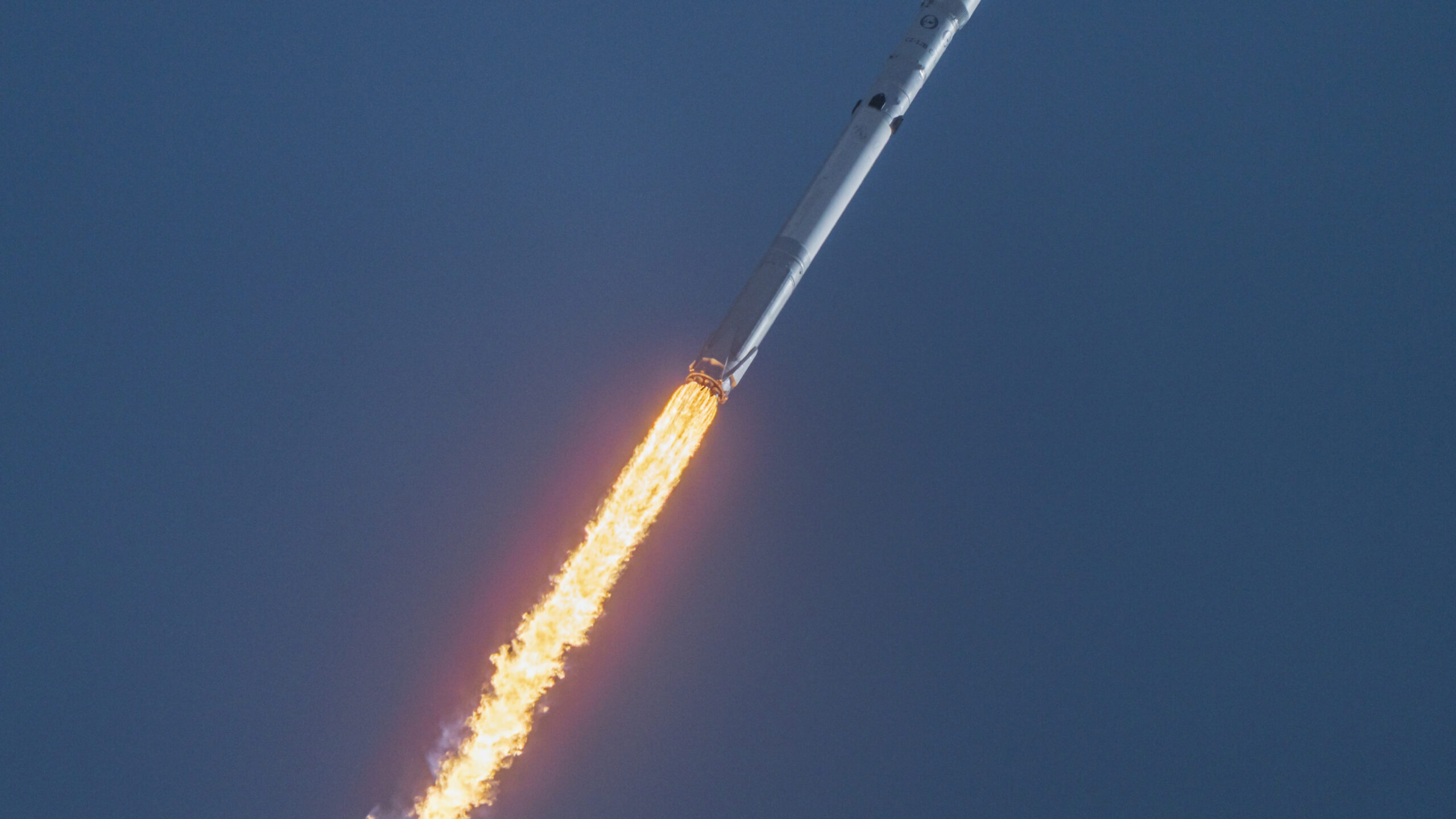
The Long March 6A lifted off at 7:39 a.m. Eastern (1139 UTC) June 4 from Taiyuan Satellite Launch Center in north China. The rocket climbed into the sky just before sunset, producing “jellyfish” like effects in the upper atmosphere visible downrange. The 11th launch for Qianfan, or Thousand Sails, saw 18 satellites successfully inserted into intended polar orbits, the China Aerospace Science and Technology Corporation confirmed.
Genesat, a satellite manufacturing subsidiary of Spacesail, provided the satellites for the Thursday launch. Deployment of Genesat satellites had stalled previously, following issues with a number of the satellites once in orbit, which failed to raise their orbits. Spacesail says it aims to provide global users with low-latency, high-speed and ultra-reliable satellite broadband internet services.