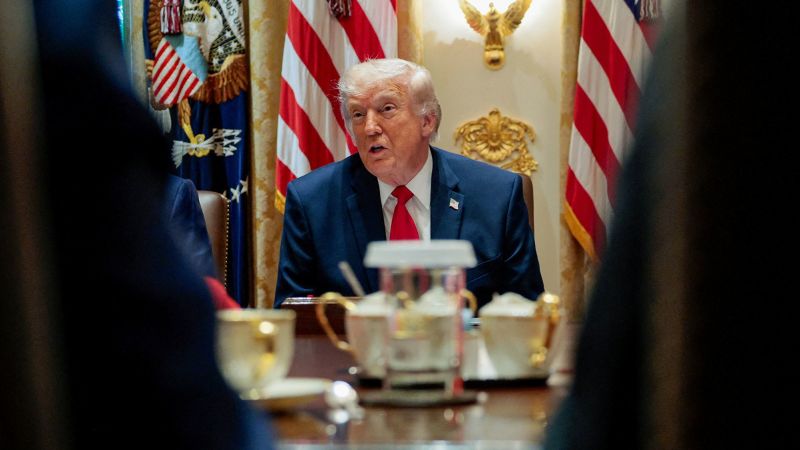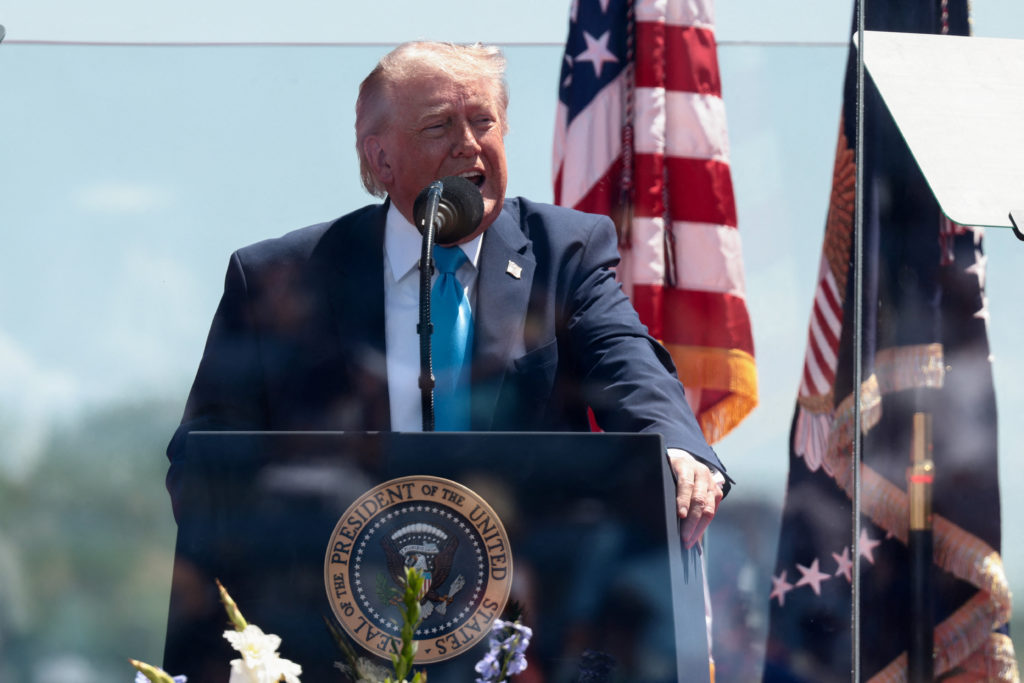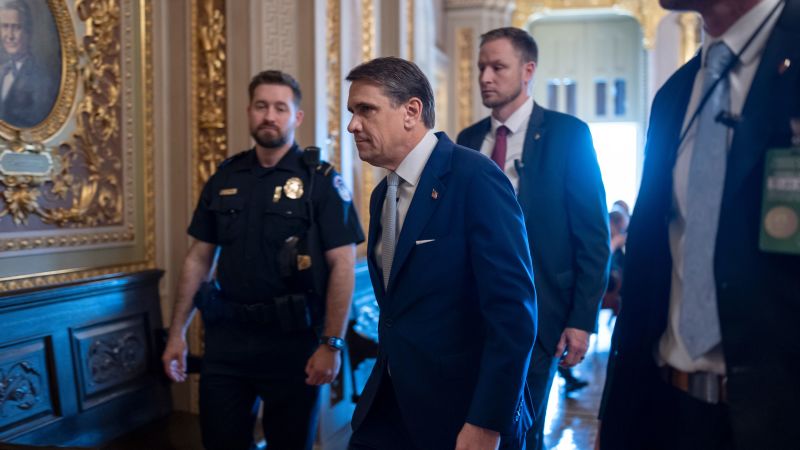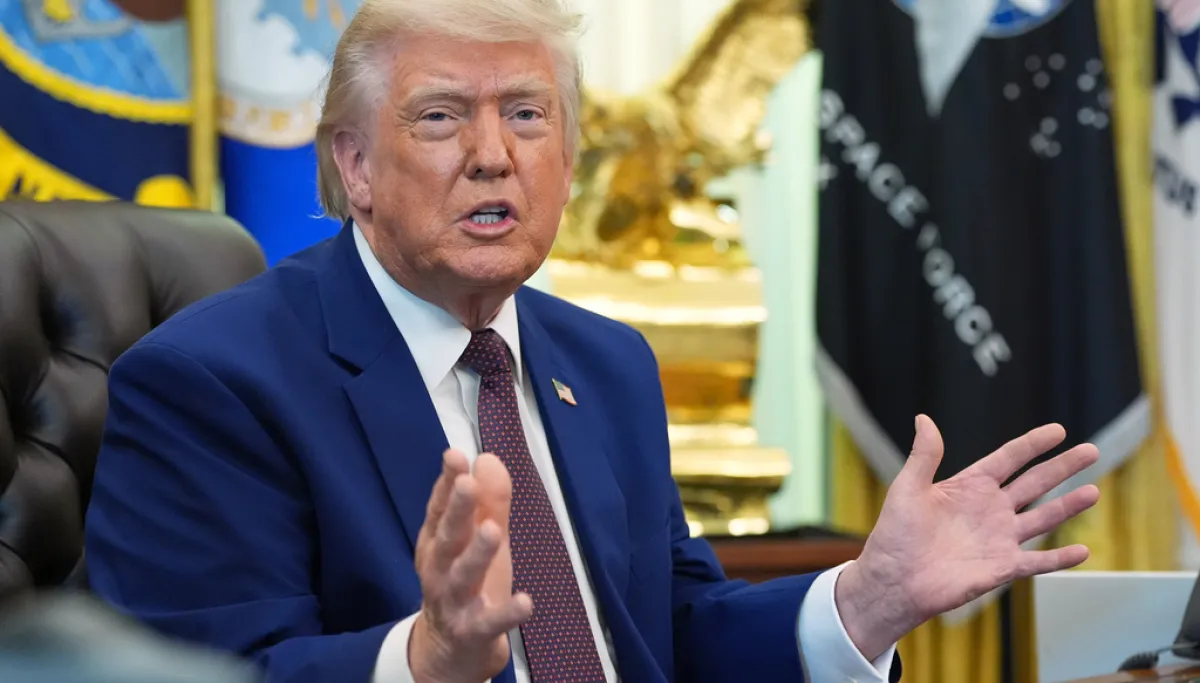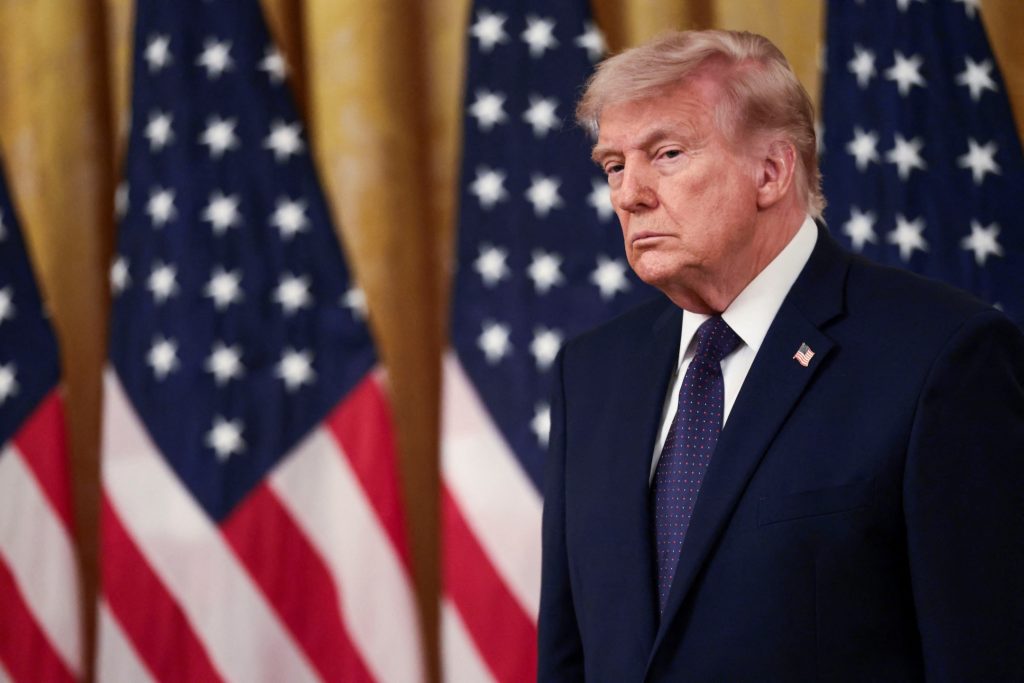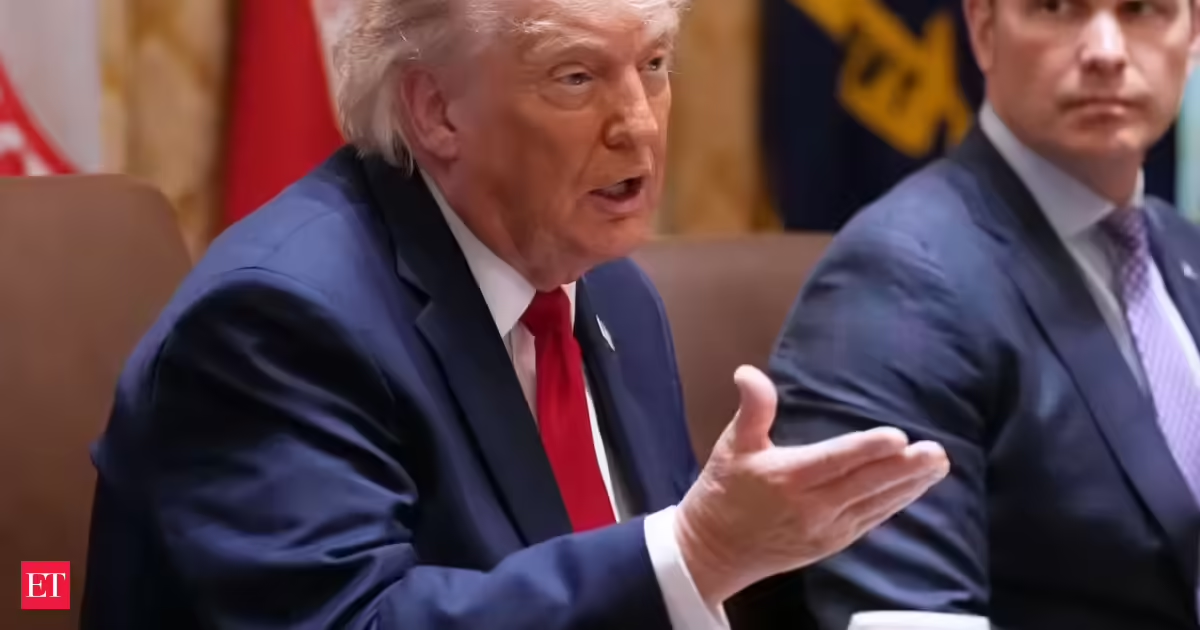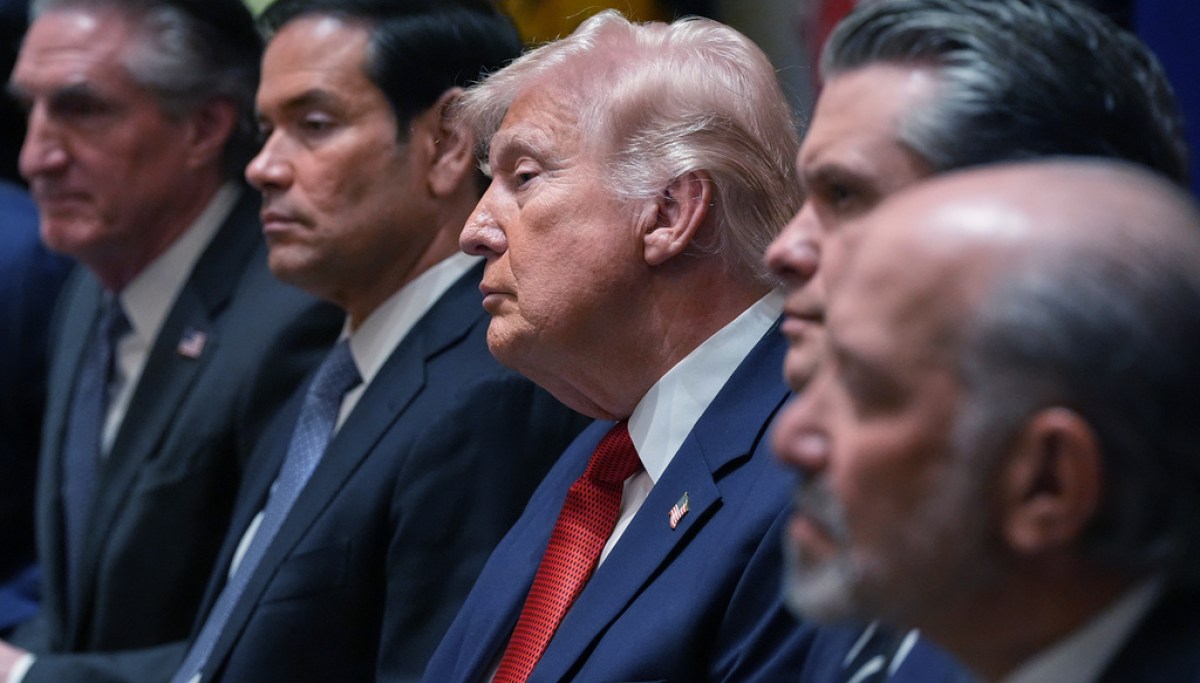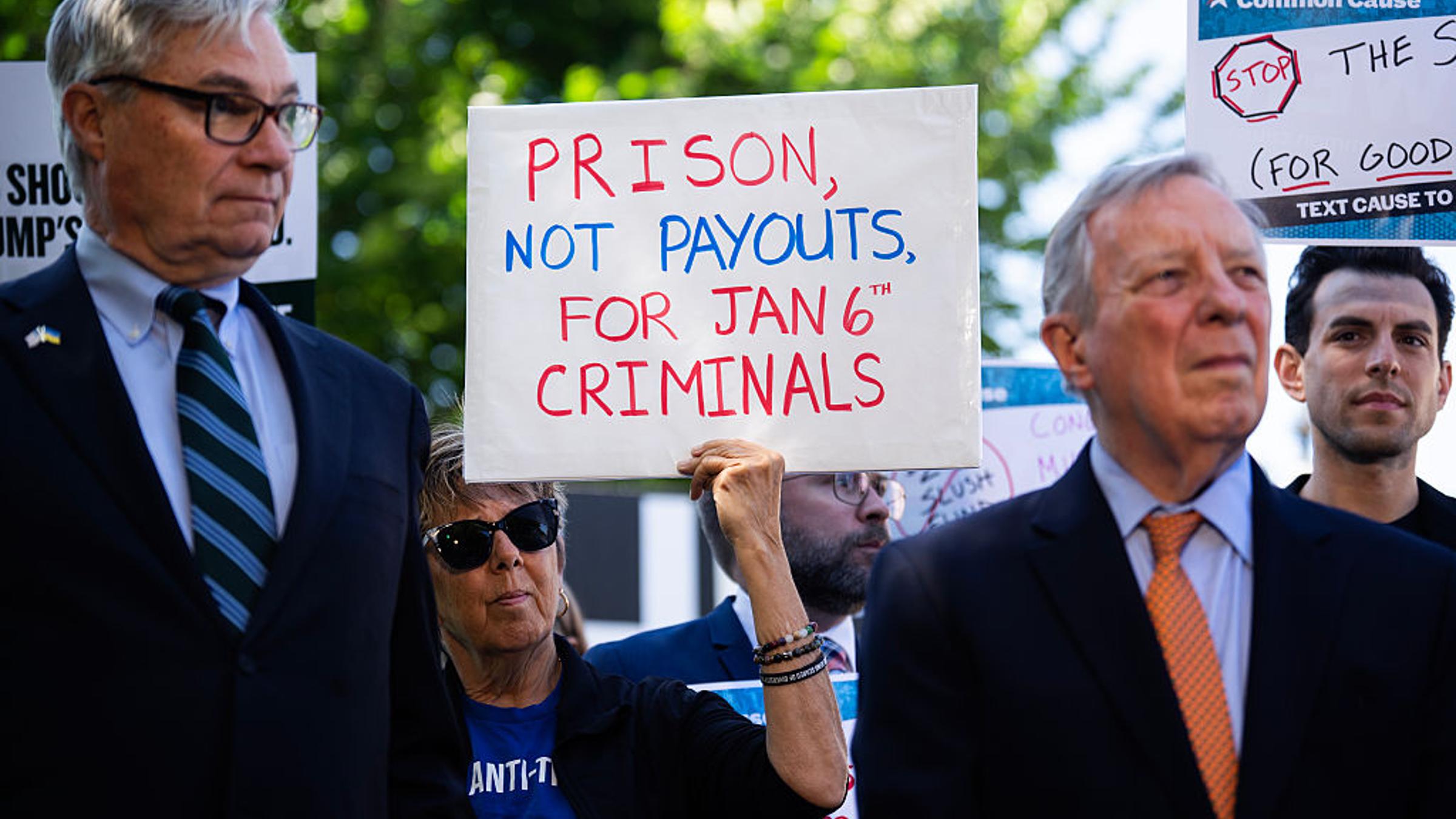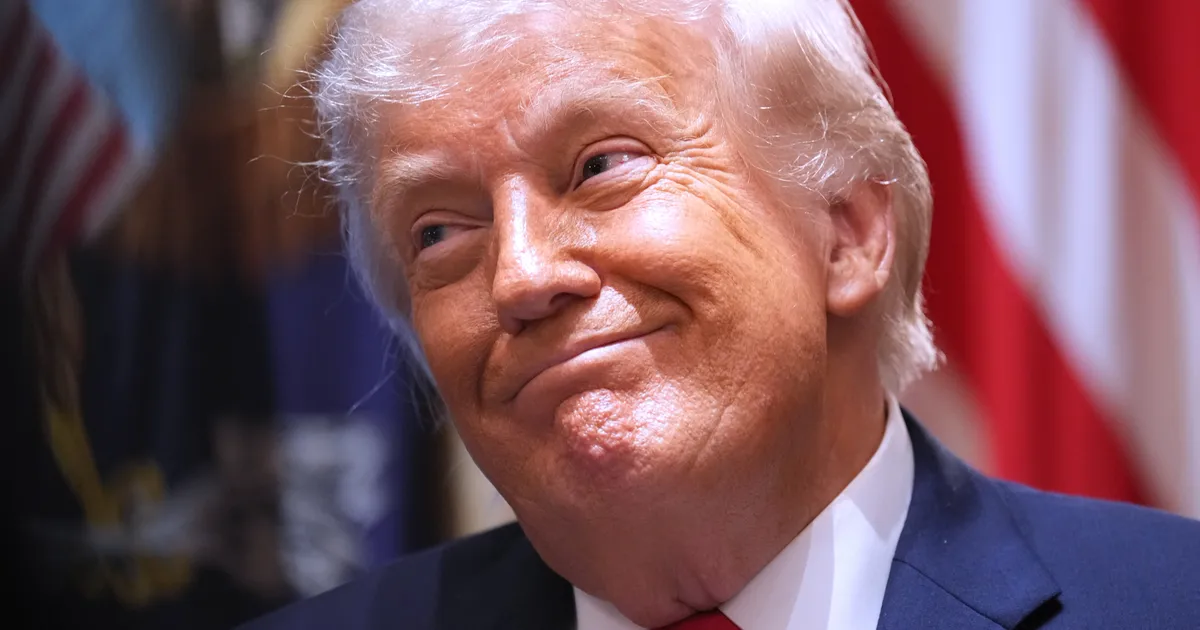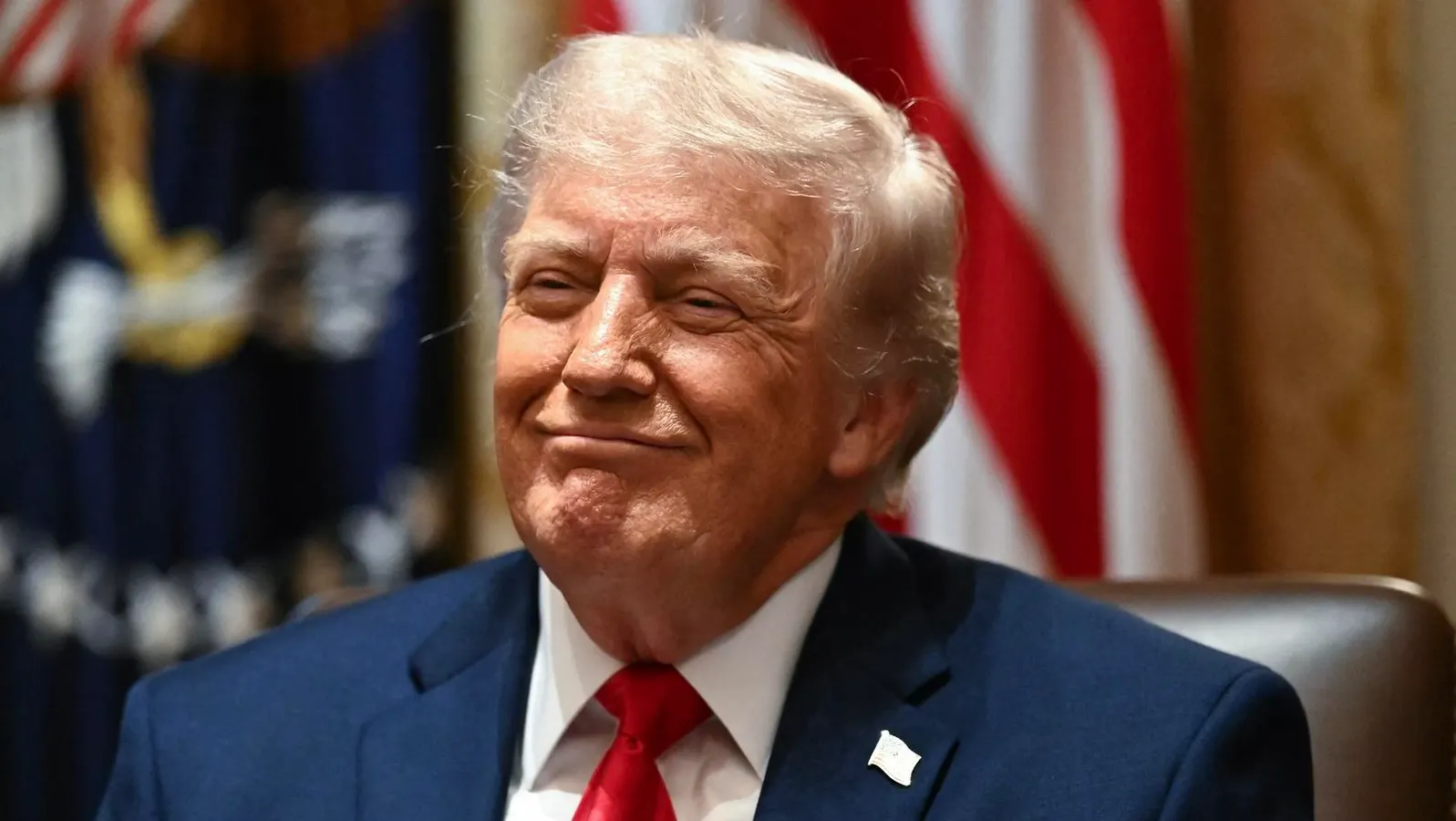
President Donald Trump expressed uncertainty about the fate of the taxpayer-funded initiative that, if enacted, could pay people who assaulted police during the Jan. 6, 2021 attack on the Capitol.Show Caption
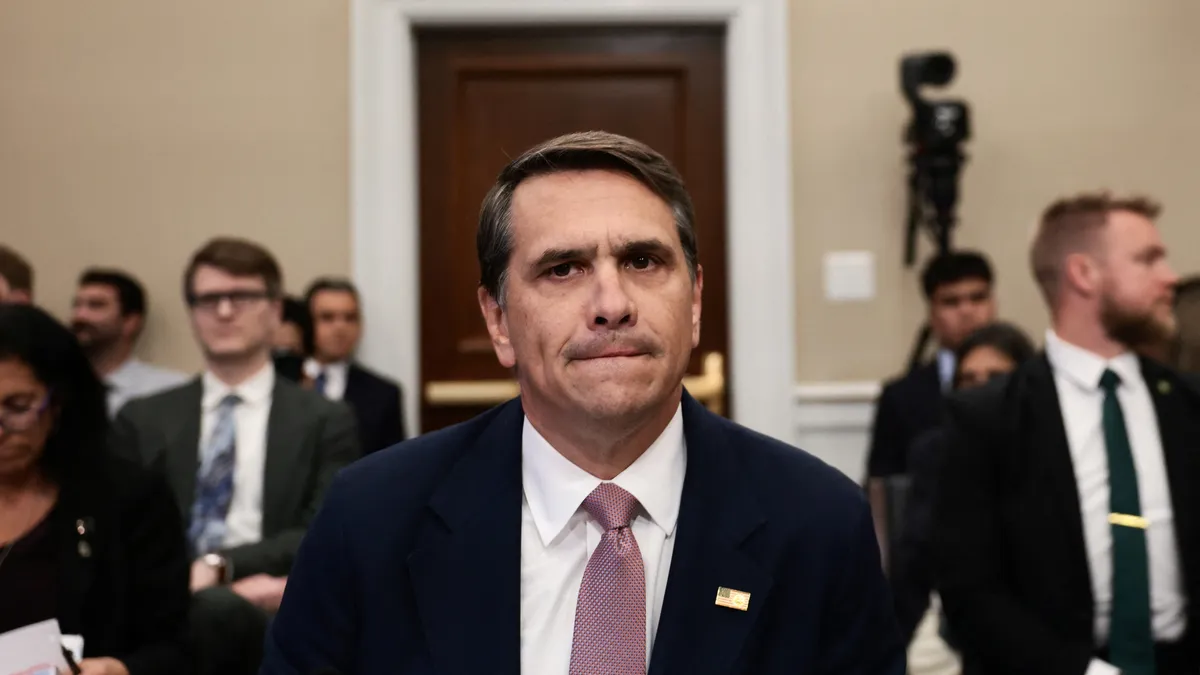
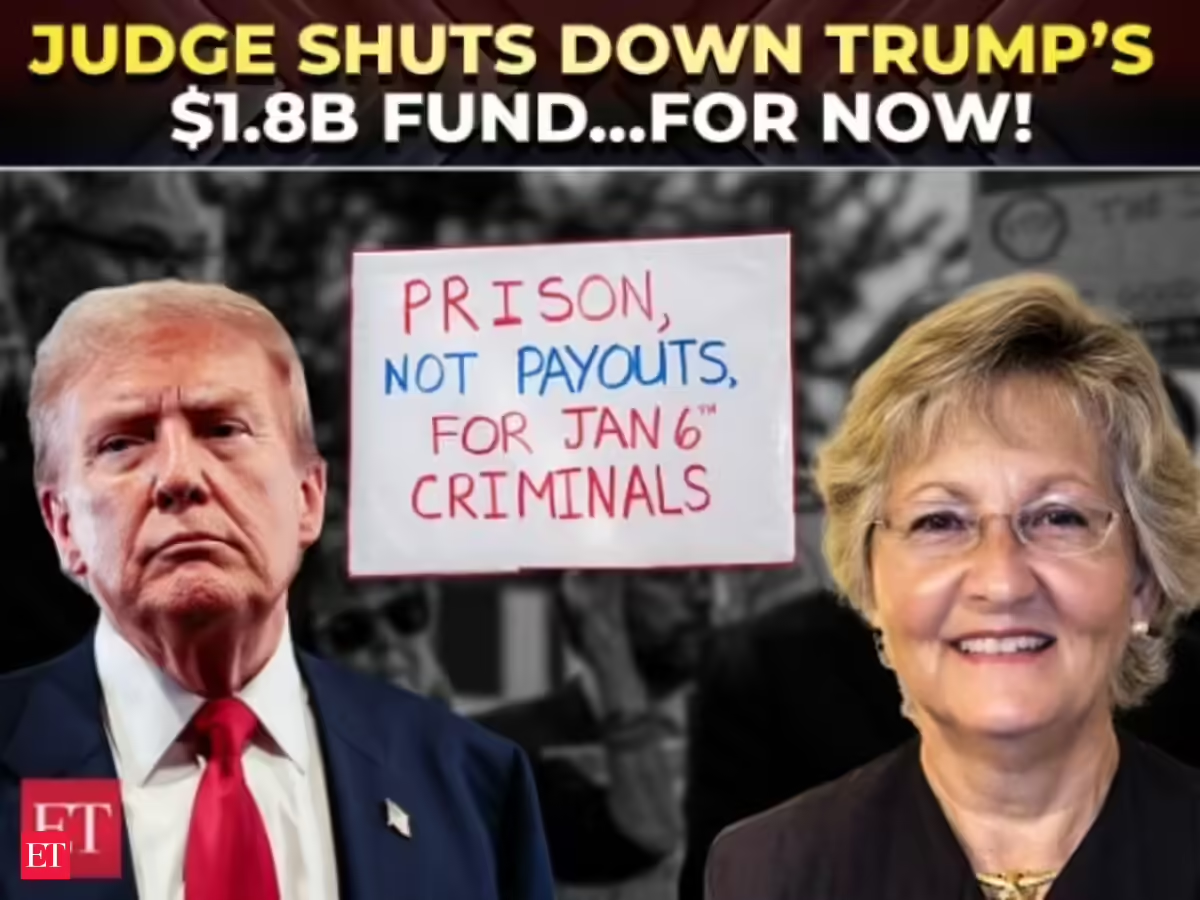
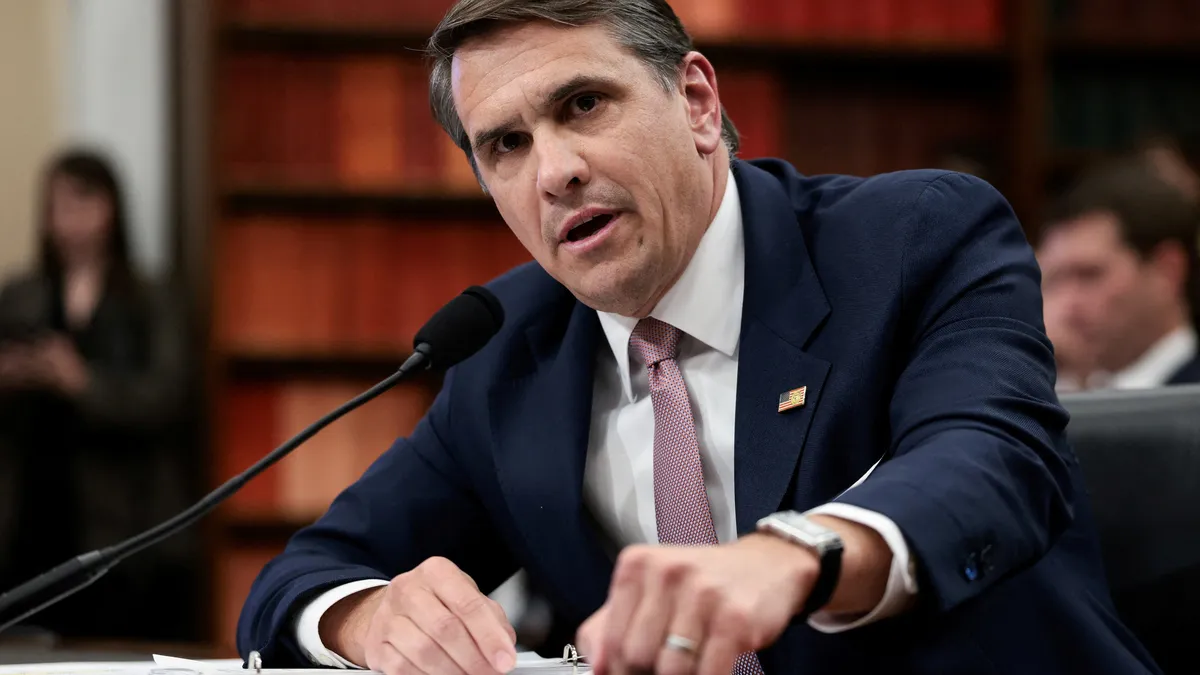
WASHINGTON – Legal fights over the Trump administration's proposed $1.776 billion "anti-weaponization fund" are continuing, after acting Attorney General Todd Blanche said the Justice Department won't move forward with the fund, but may still defend it in court against several lawsuits.On June 5, the Justice Department is due to file its response to one lawsuit in which a Virginia federal judge put a temporary hold on the fund."Notwithstanding what we do in those litigations, and defending our rights, or making sure our rights are protected, we're not moving forward with the fund," Blanche said at a June 2 congressional hearing.President Donald Trump himself has waffled about whether the taxpayer-funded initiative, which could have paid people who assaulted police during the Jan. 6, 2021 attack on the Capitol, is truly dead. In June 3 comments to reporters from the Oval Office, he said he doesn't know if the fund is dead or simply on hold, but also referred to it in the past tense."I'd have to ask the lawyers. I don't know," Trump said. "The weaponization fund, as far as I'm concerned, was a beautiful thing."Sen. Cory Booker, D–New Jersey, and Sen. Bill Cassidy, R–Louisiana, together said in a June 3 court document to the judge who temporarily halted the fund that it's an unlawful attempt to bypass Congress to potentially give money to violent insurrectionists. They said even if the DOJ drops the fund now, it could pursue it later."The Anti-Weaponization Fund presents a threat to our constitutional democracy that this Court has never before been asked to confront," the senators said."Less than a week after the DOJ announced the Fund, defendants who stormed the U.S. Capitol on January 6, 2021, began lining up to seek their share," they added.That lawsuit was filed by several plaintiffs, including a former federal prosecutor of crimes committed during the Jan. 6 attack.How did the fund come about?The DOJ announced it was creating the fund as part of a settlement of a $10 billion lawsuit that Trump and his two oldest sons filed against the IRS, alleging the agency failed to protect their tax returns. A contractor leaked the tax return information, along with information on hundreds of thousands of other taxpayers, around 2019-2020.DOJ lawyers and attorneys for Trump and his two sons then settled the lawsuit, with the government agreeing to establish the fund and free the family members from any prior tax liability.Both the fund and the tax portion of that settlement have sparked outcries from government watchdogs. The New York Times reported in 2020 that Trump was in a decade-long audit battle with the IRS over a claimed $72.9 million tax refund. Losing that battle could cost him more than $100 million, according to the Times.Other challenges to the fundThe DOJ is facing a plethora of other legal and political challenges to the fund.Capitol police officers have sued over the initiative in a Washington, DC federal court, saying the fund could further embolden people who have already subjected them to harassment and death threats.A former Department of Veterans Affairs employee sued in a California federal court, saying she was targeted by the Trump administration for her political speech and has an interest in making sure the funds are restricted to true victims of improper weaponization.In addition, 35 former federal judges have called on the Miami federal judge who closed Trump's case against the IRS to reopen it. They said in a court filing that the government has fought "nearly identical claims" brought by others against the IRS, and the disparate treatment for Trump shows the settlement was improper.The judge in that case has demanded that Trump file a response by June 12 to allegations that he improperly colluded with the Justice Department. That's the same day the DOJ faces a hearing in the Virginia case that could decide whether the fund is legally blocked for a longer period of time, as lawsuits continue to unfold.Blanche said the DOJ wouldn't move forward with the fund, even as it may continue defending it in court, after pushback from Senate Republicans, who said they wouldn't pass an immigration enforcement spending bill until the fund was limited or scrapped.