Show Caption
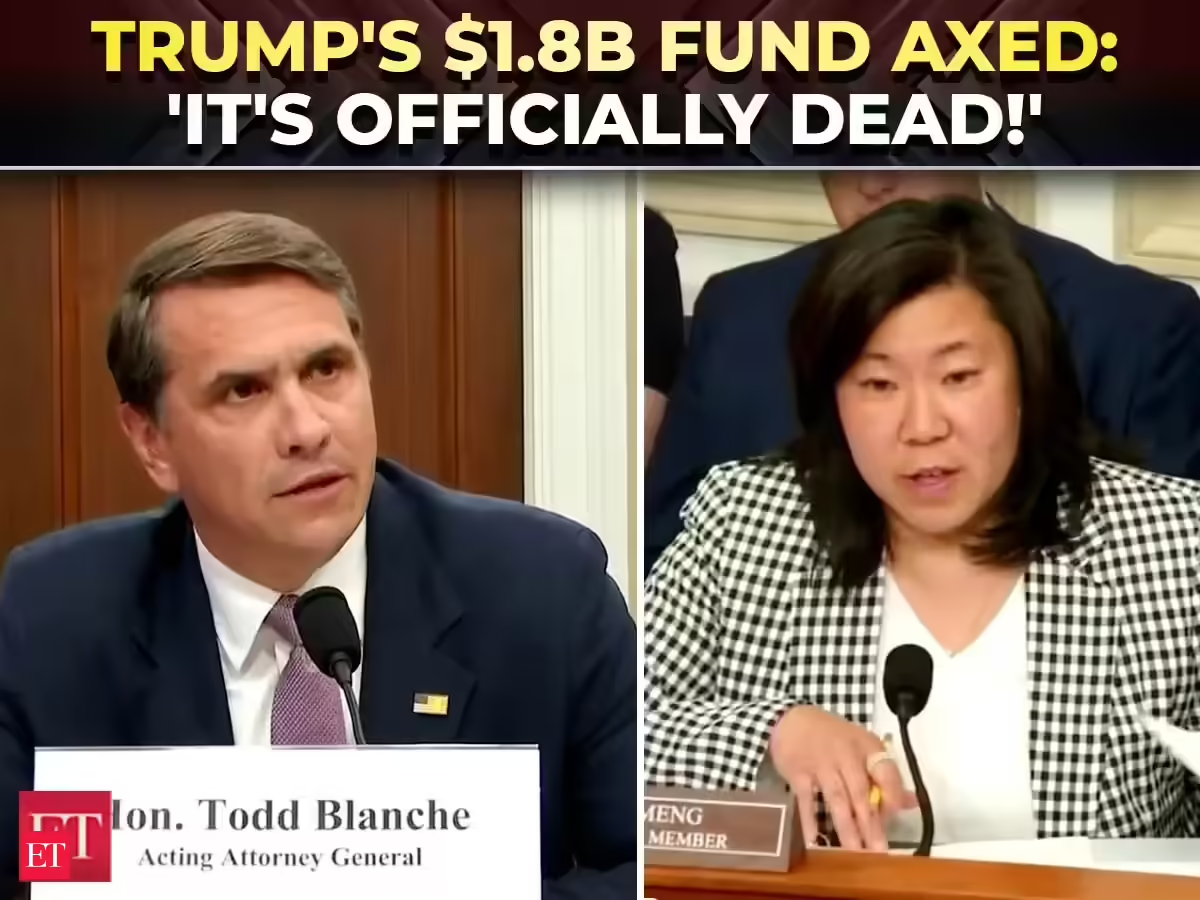
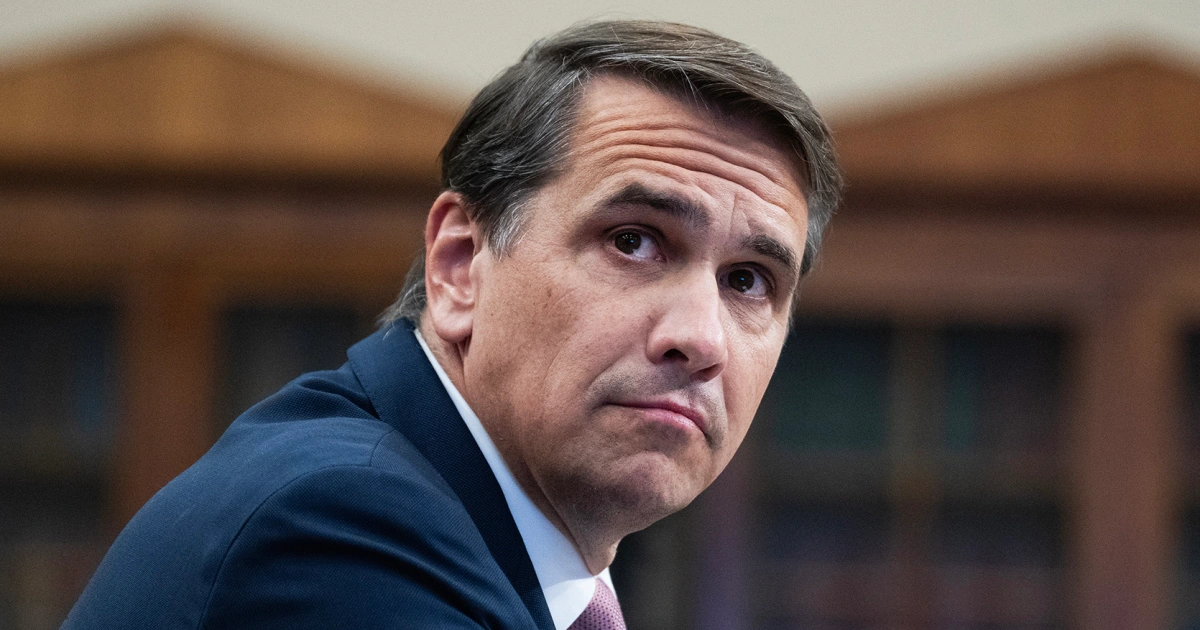
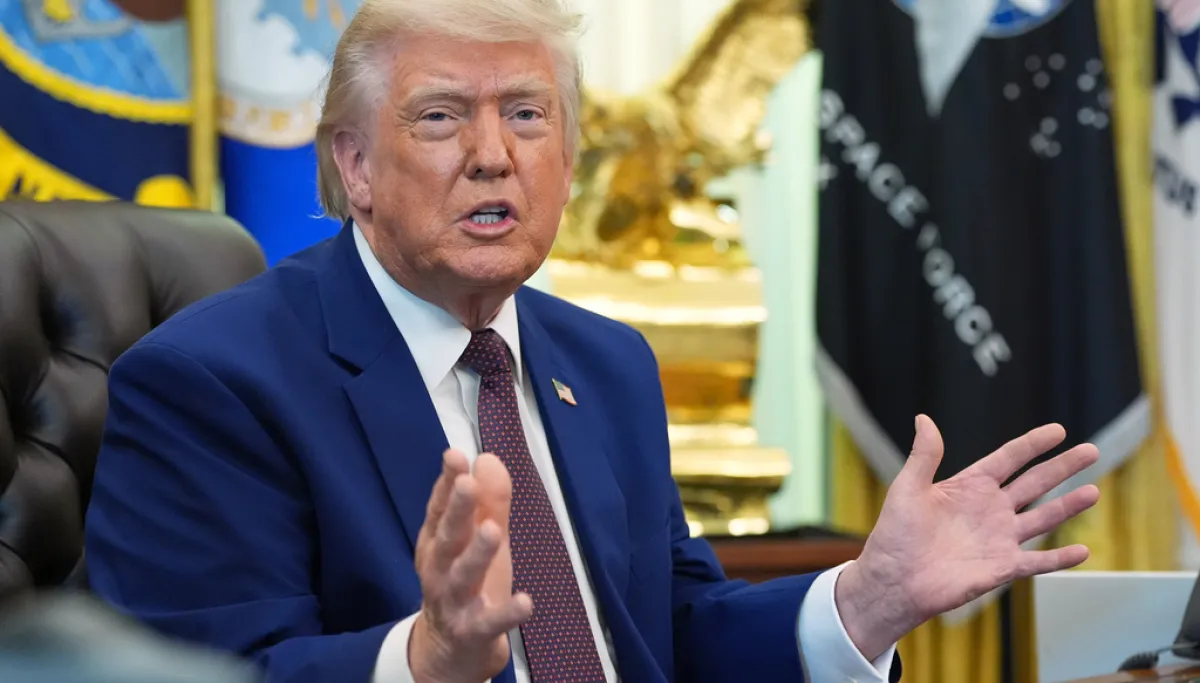
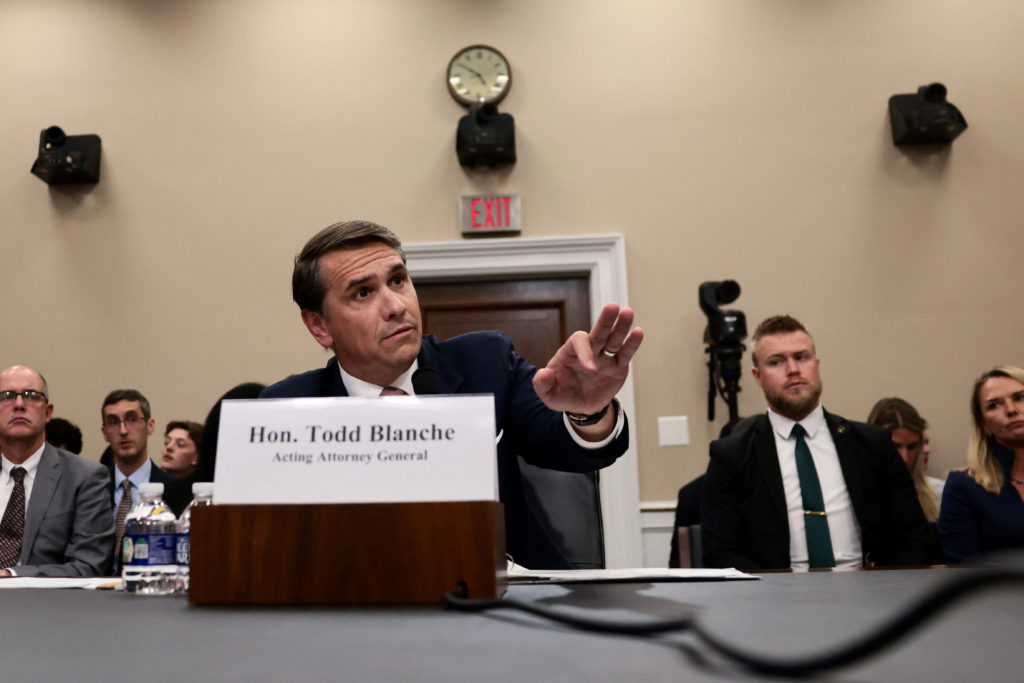
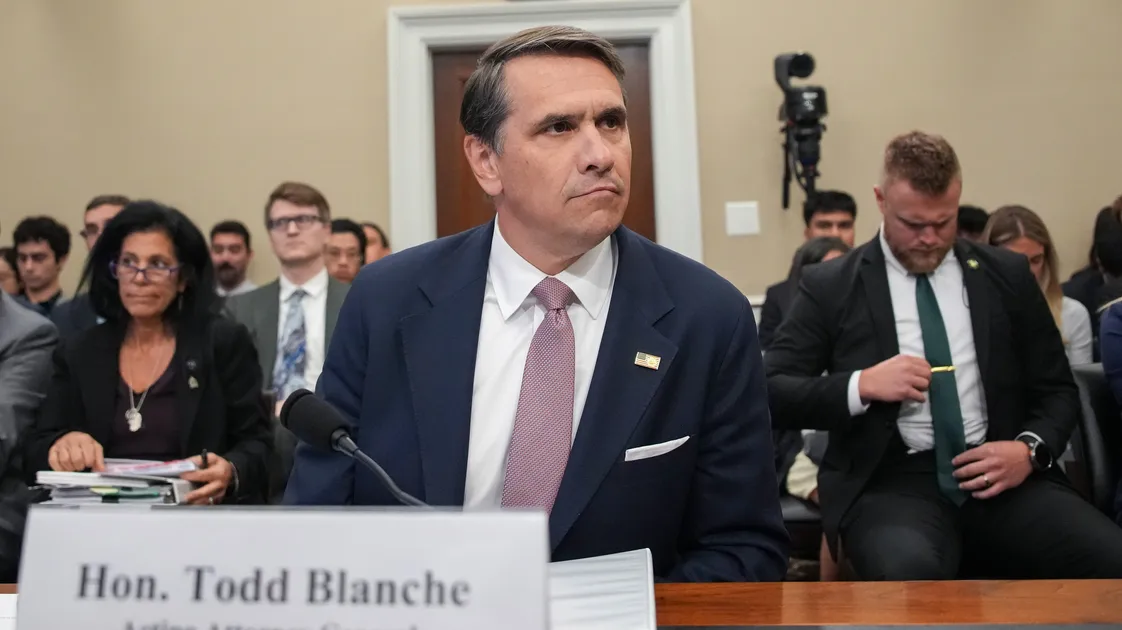
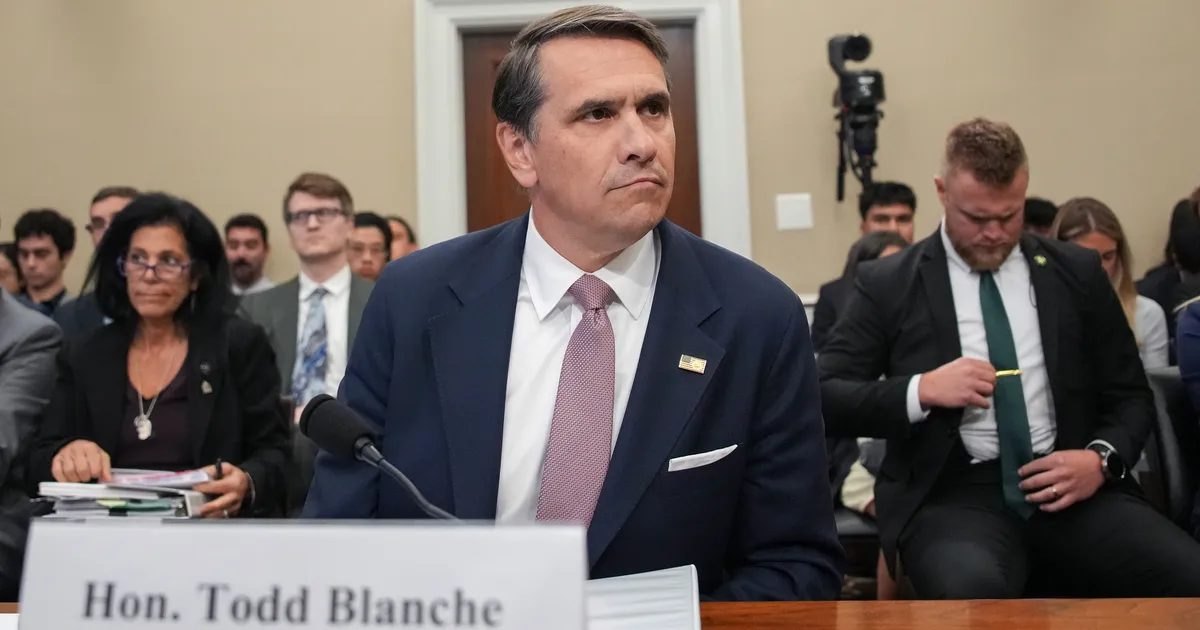
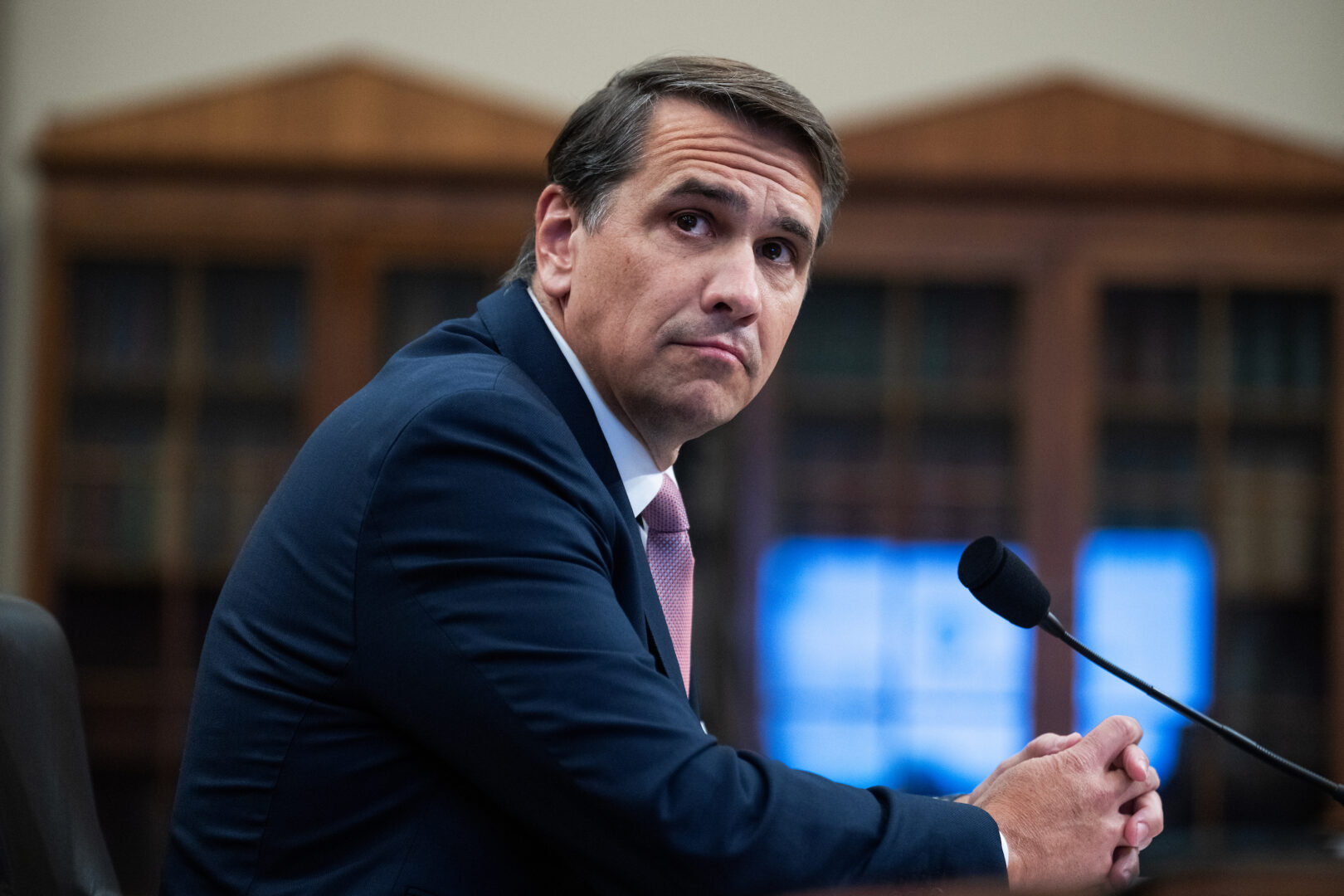
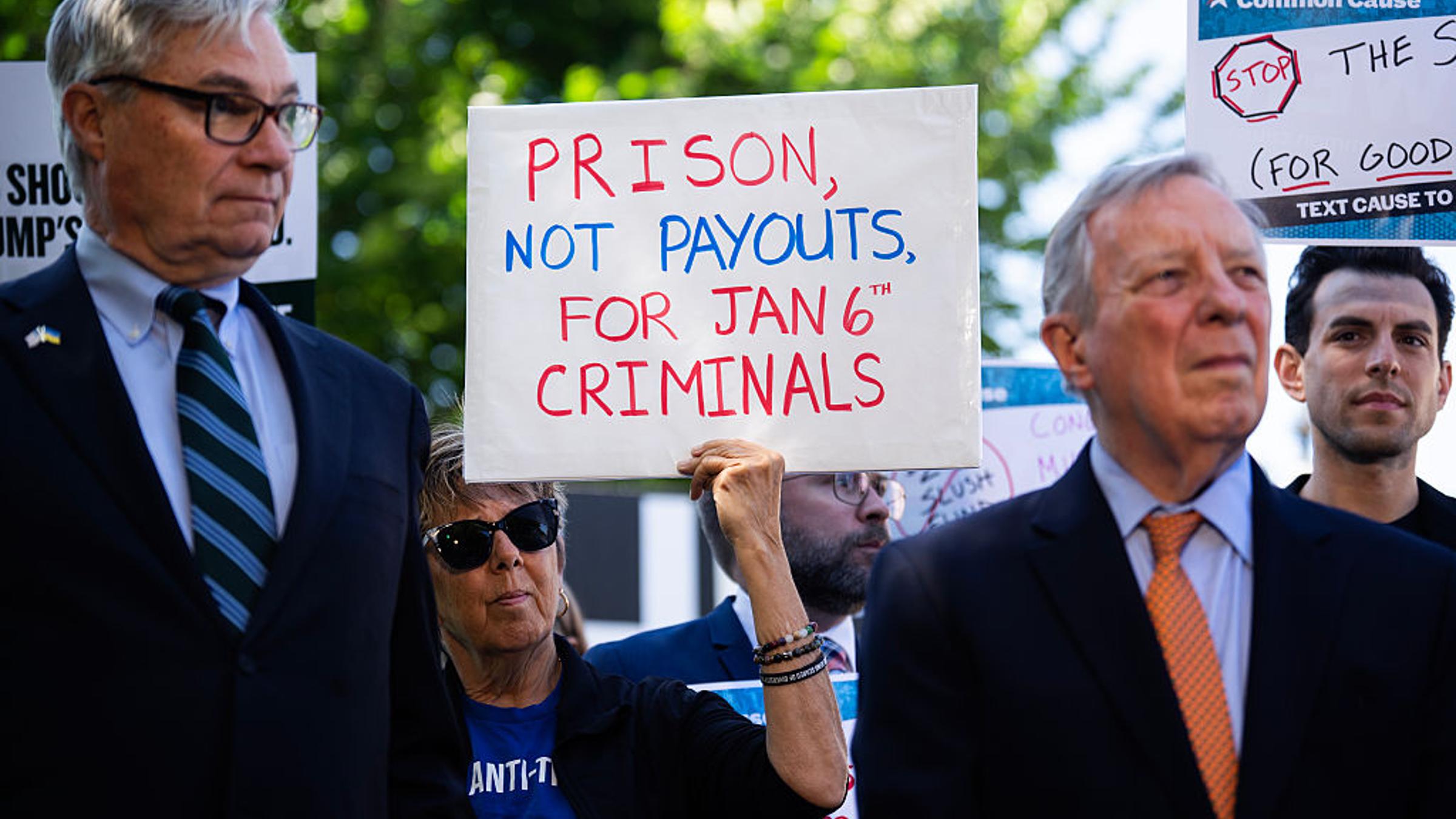
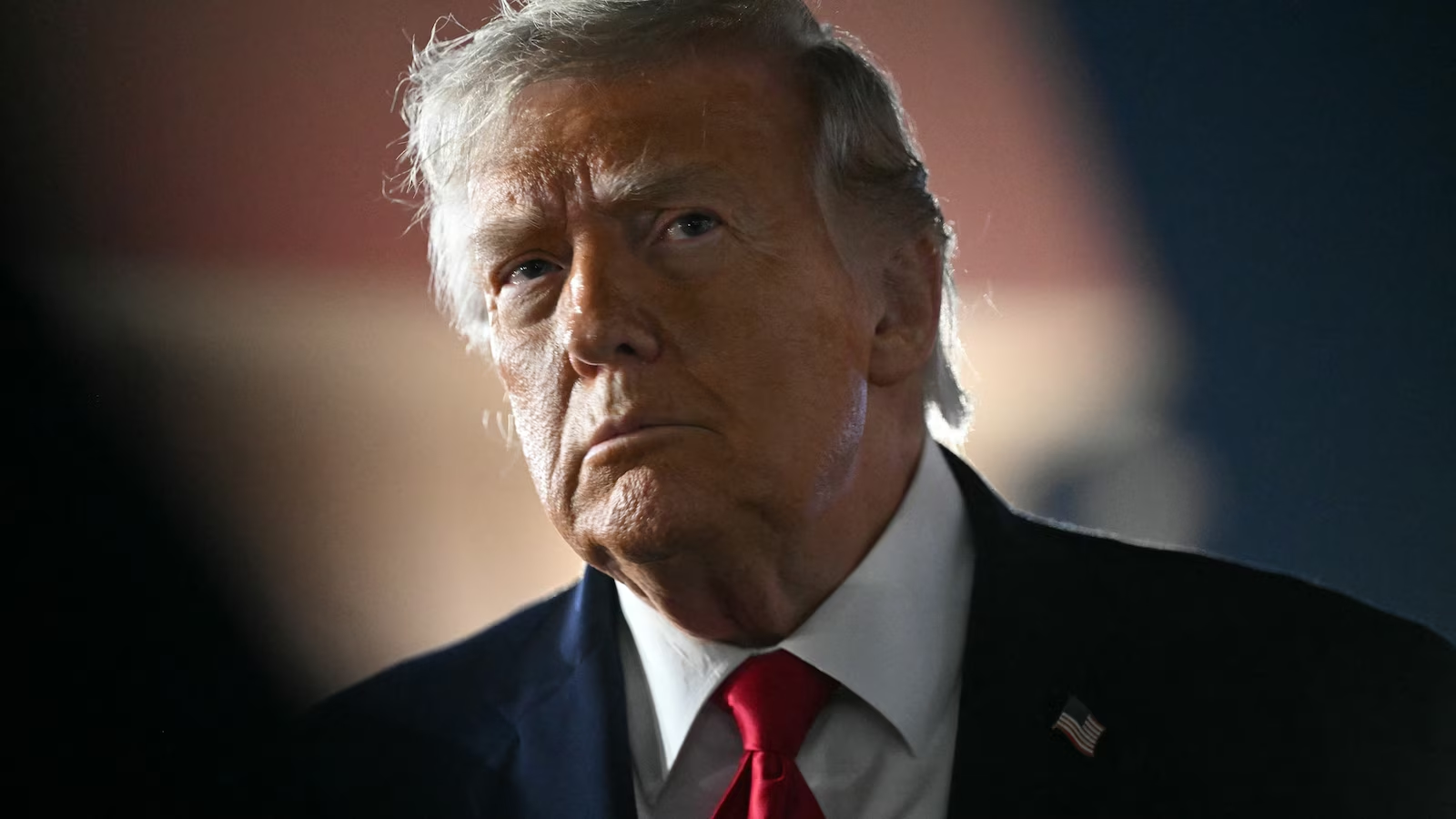
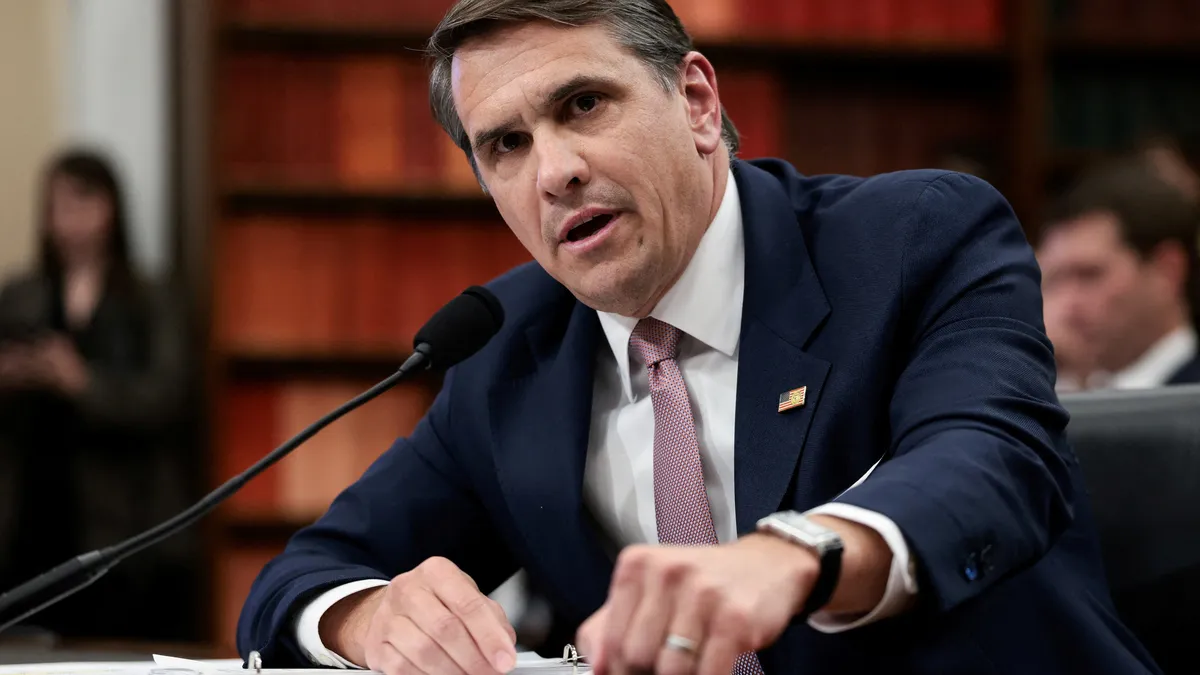
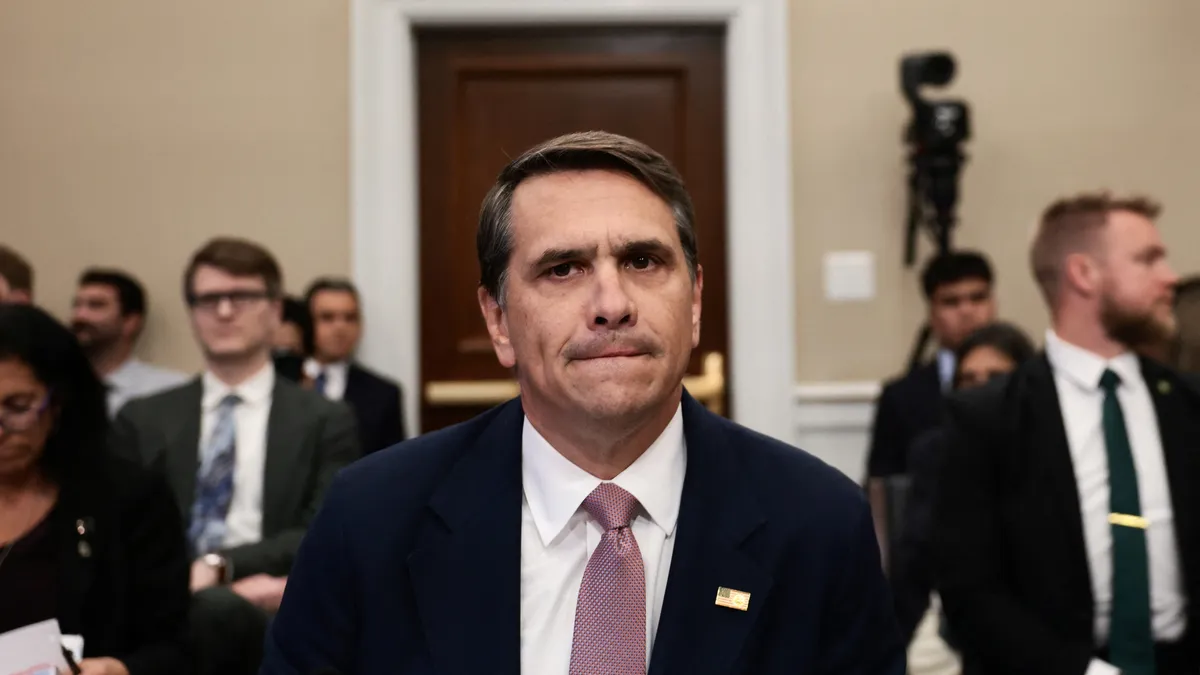
Acting Attorney General Todd Blanche said at a June 2 congressional hearing that the Justice Department will not move forward with President Donald Trump's "anti-weaponization fund," which could have paid people convicted of assaulting police during the Jan. 6, 2021 attack on the U.S. Capitol.The DOJ said in a statement June 1 that it would abide by a judge's ruling that put a temporary pause on the fund, ahead of a June 12 court hearing. However, it didn't respond to follow-up questions ahead of Blanche's testimony on whether it was permanently giving up on the $1.776 billion effort.The fund sparked widespread anger and a standoff between the White House and Congress, as Senate Republicans refused to move forward in recent days with an immigration enforcement spending bill until the fund was limited or scrapped.After the June 1 DOJ statement on the temporary halt to the fund, some Republican senators said they wanted a clearer message that the Trump administration was done pursuing it."We are not moving forward with the fund, period," Blanche said during his congressional testimony.Rep. Grace Meng, D–New York, told Blanche she hopes to see a written statement from the DOJ that it won't proceed with the fund, even after the June 12 court hearing."I mean, I think there'll be a transcript of what I say here, so that will be in writing," Blanche said.The acting AG nonetheless held open the possibility that the DOJ will fight against legal challenges that have been filed in court against the fund."Notwithstanding what we do in those litigations, and defending our rights, or making sure our rights are protected, we're not moving forward with the fund," he said.In a statement provided to USA TODAY following Blanche's testimony, the DOJ said the goal of the fund was to fix past wrongs, "but given the extraordinary misunderstanding of this, the DOJ is not proceeding.""Compensating the victims of weaponization and making them whole remains a priority for this administration," the department added.Trump still freed from tax audits, Blanche saysThe DOJ announced it was creating the fund as part of a settlement of a $10 billion lawsuit that Trump and his two oldest sons filed against the IRS, alleging the agency failed to protect their tax returns. A contractor leaked the tax return information, along with information on hundreds of thousands of other taxpayers, around 2019-2020.DOJ lawyers and attorneys for Trump and his two sons then settled the lawsuit, with the government agreeing to establish the fund and free the family members from any prior tax liability.The New York Times reported in 2020 that Trump was in a decade-long audit battle with the IRS over a claimed $72.9 million tax refund. Losing that battle could cost him more than $100 million, according to the Times.Blanche said later at the hearing that the DOJ wasn't abandoning the tax portion of the settlement."Nothing has changed with that," Blanche said."Like anytime the IRS settles with an individual taxpayer or another company, as part of the settlement, it's standard, it's typical for – to get rid of past ongoing audits," he added.The agreement sparked widespread ethics concerns. Government watchdogs argued it was inappropriate for DOJ lawyers who are arguably under the control of the president to make such a deal with the president's personal lawyers, with no judicial scrutiny.Dozens of former federal judges have called on the Miami federal judge who closed Trump's case against the IRS to reopen it. They said the government has fought "nearly identical claims" brought by others against the IRS, and the disparate treatment for Trump shows the settlement was unethical.While the judge considers what to do next, she demanded that Trump file a response by June 12 to allegations that he improperly colluded with the Justice Department.(This story has been updated with additional information.)