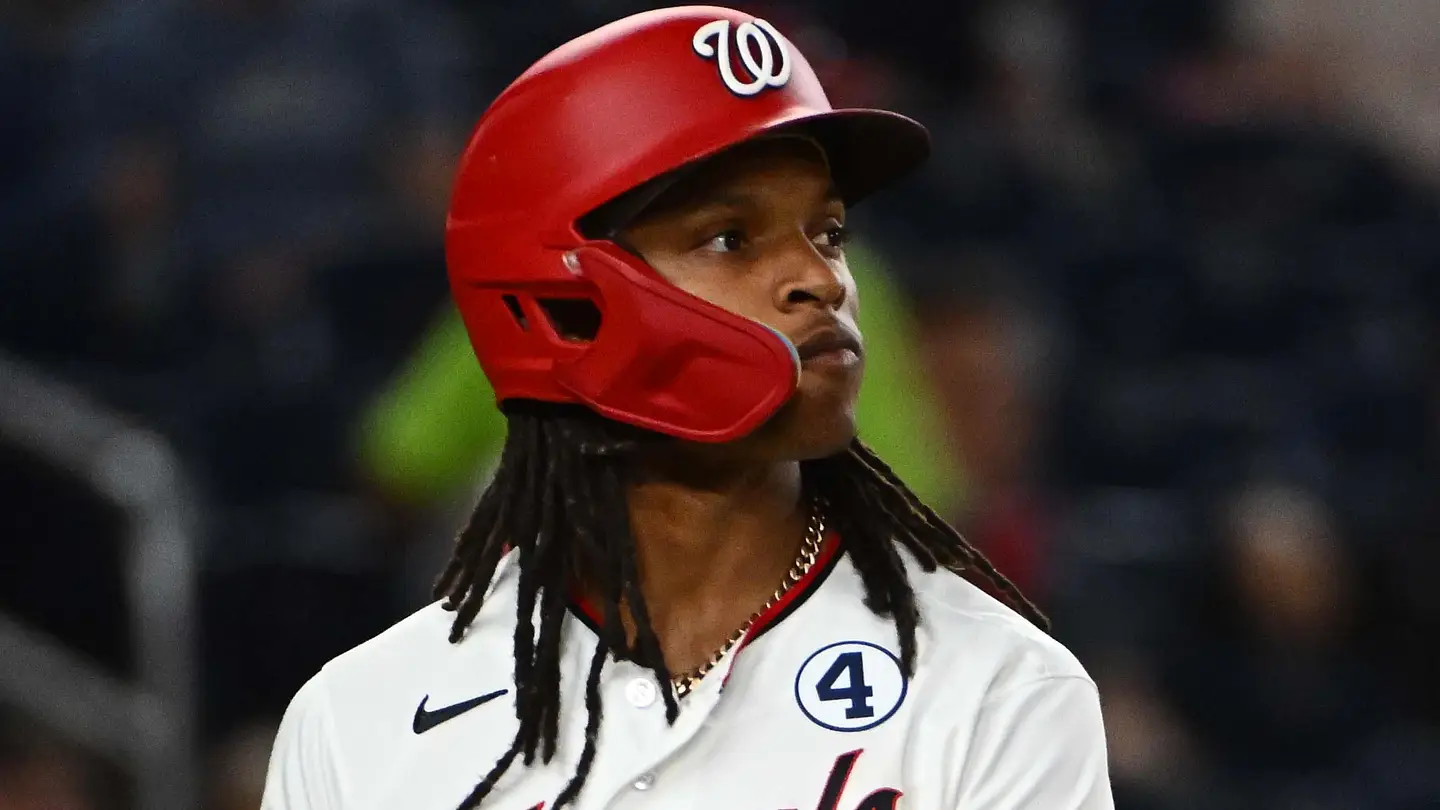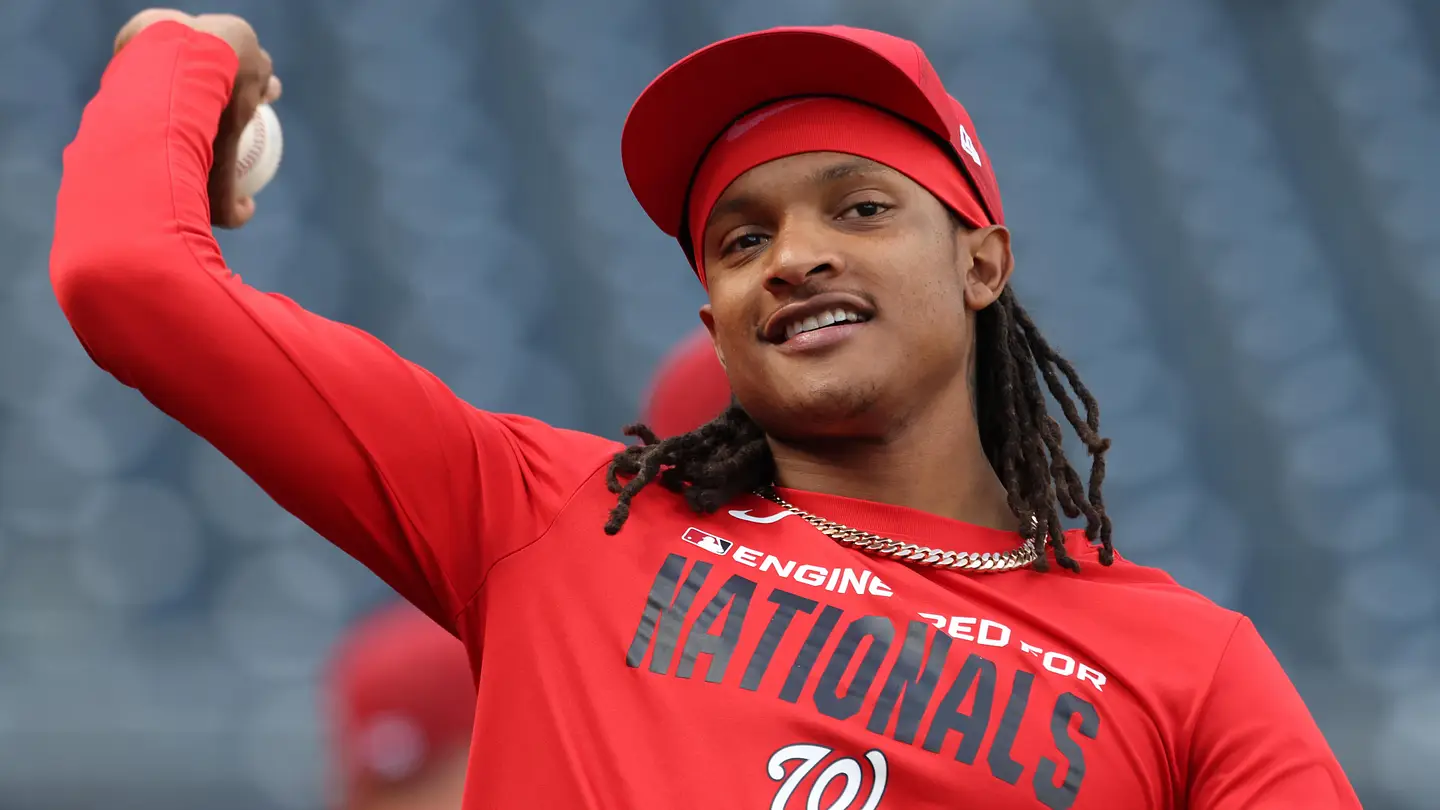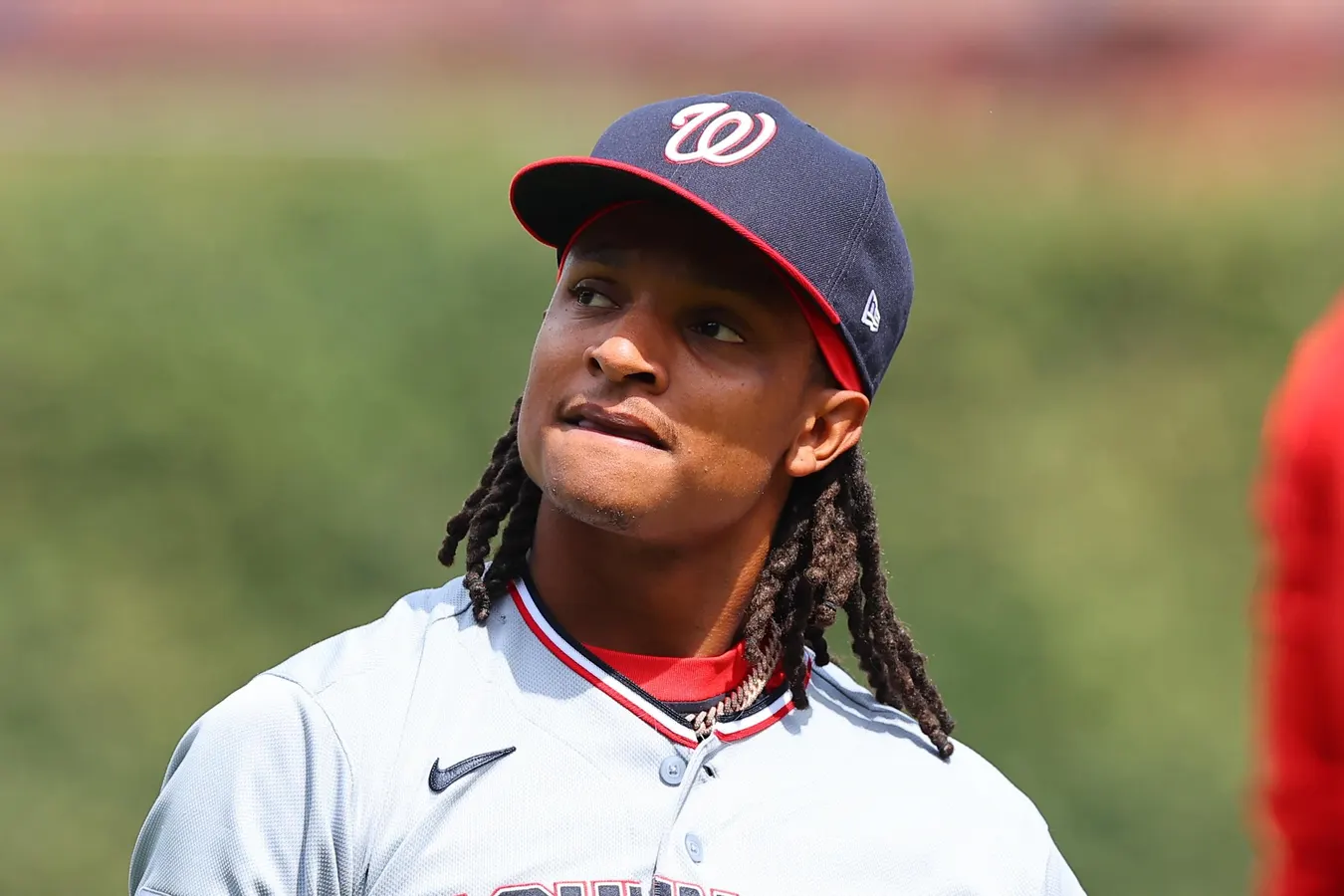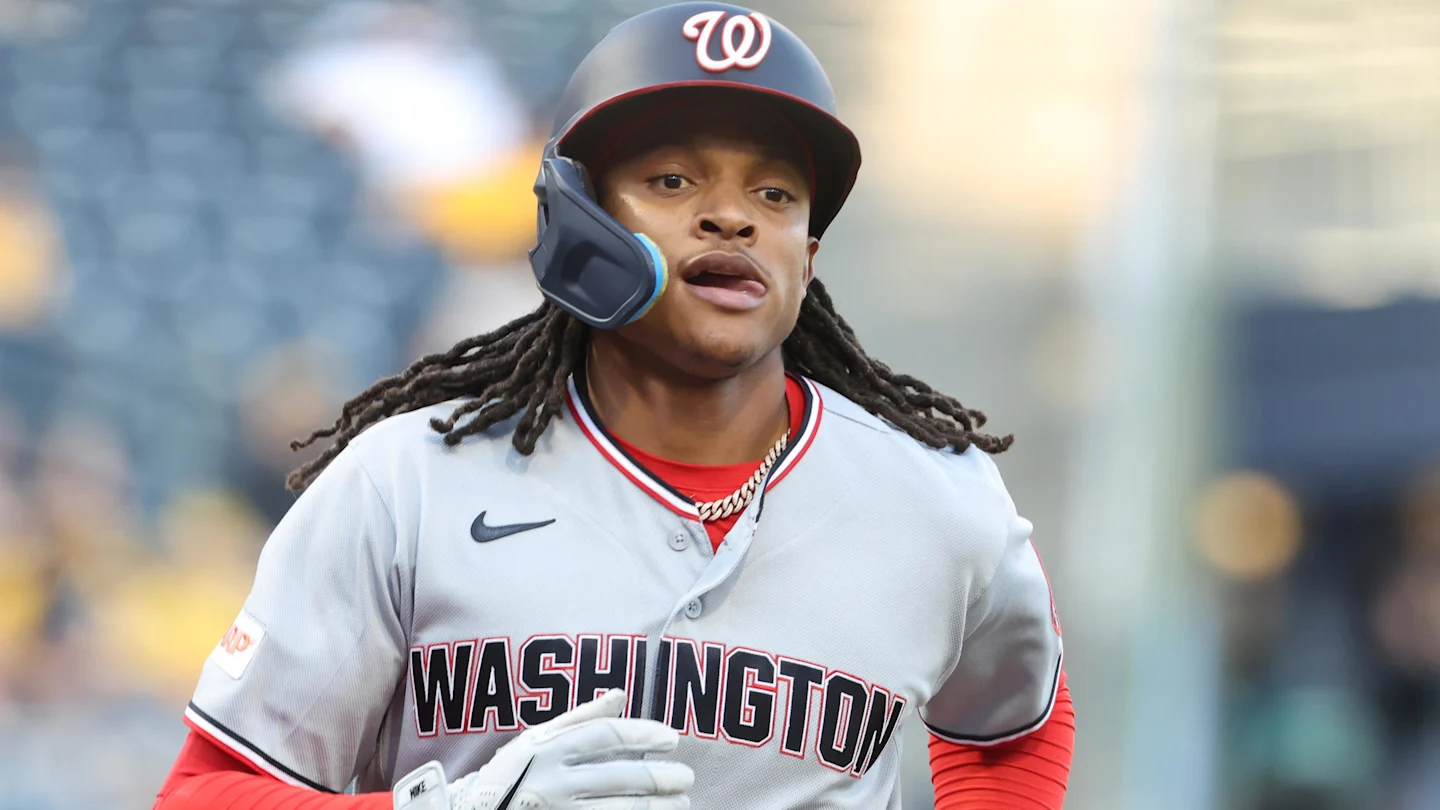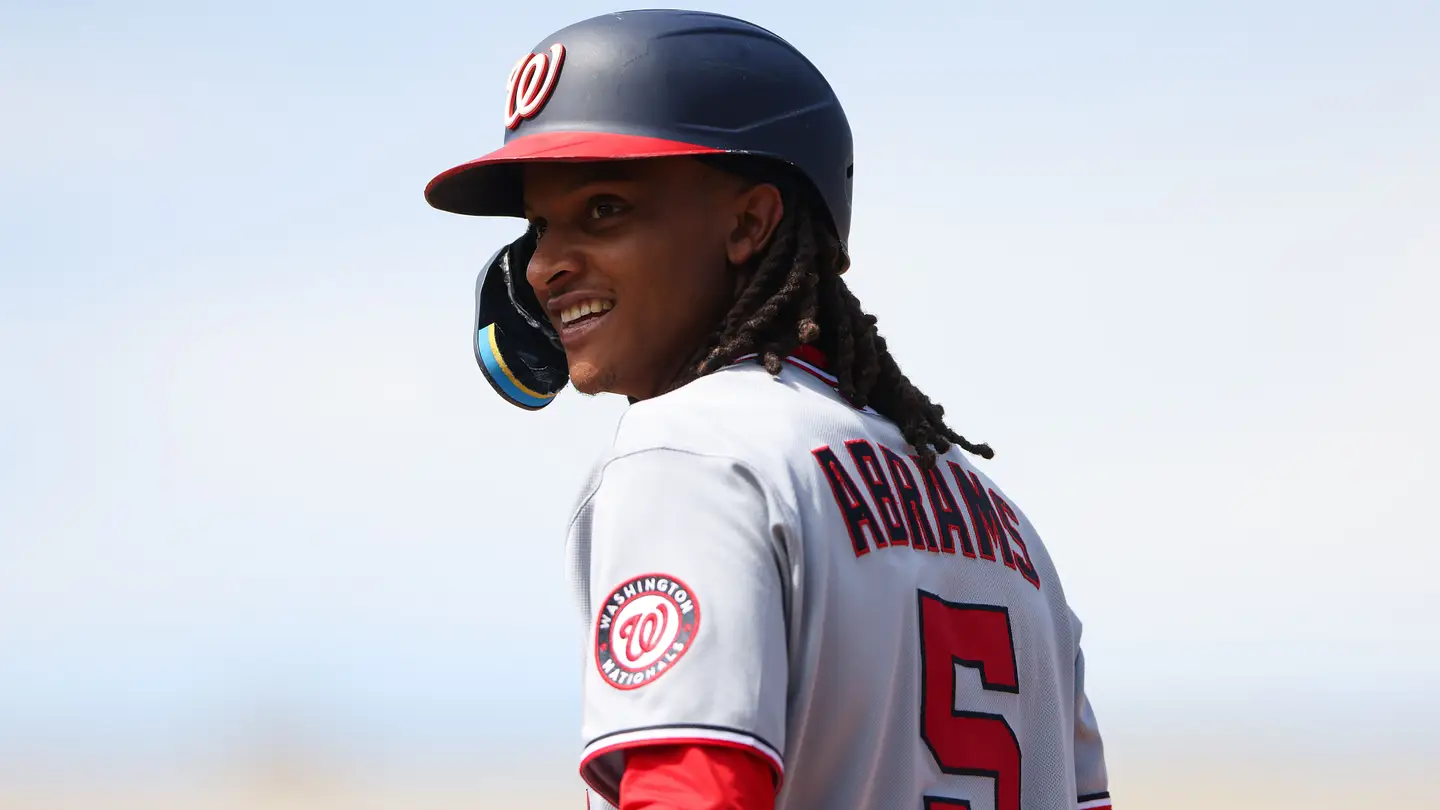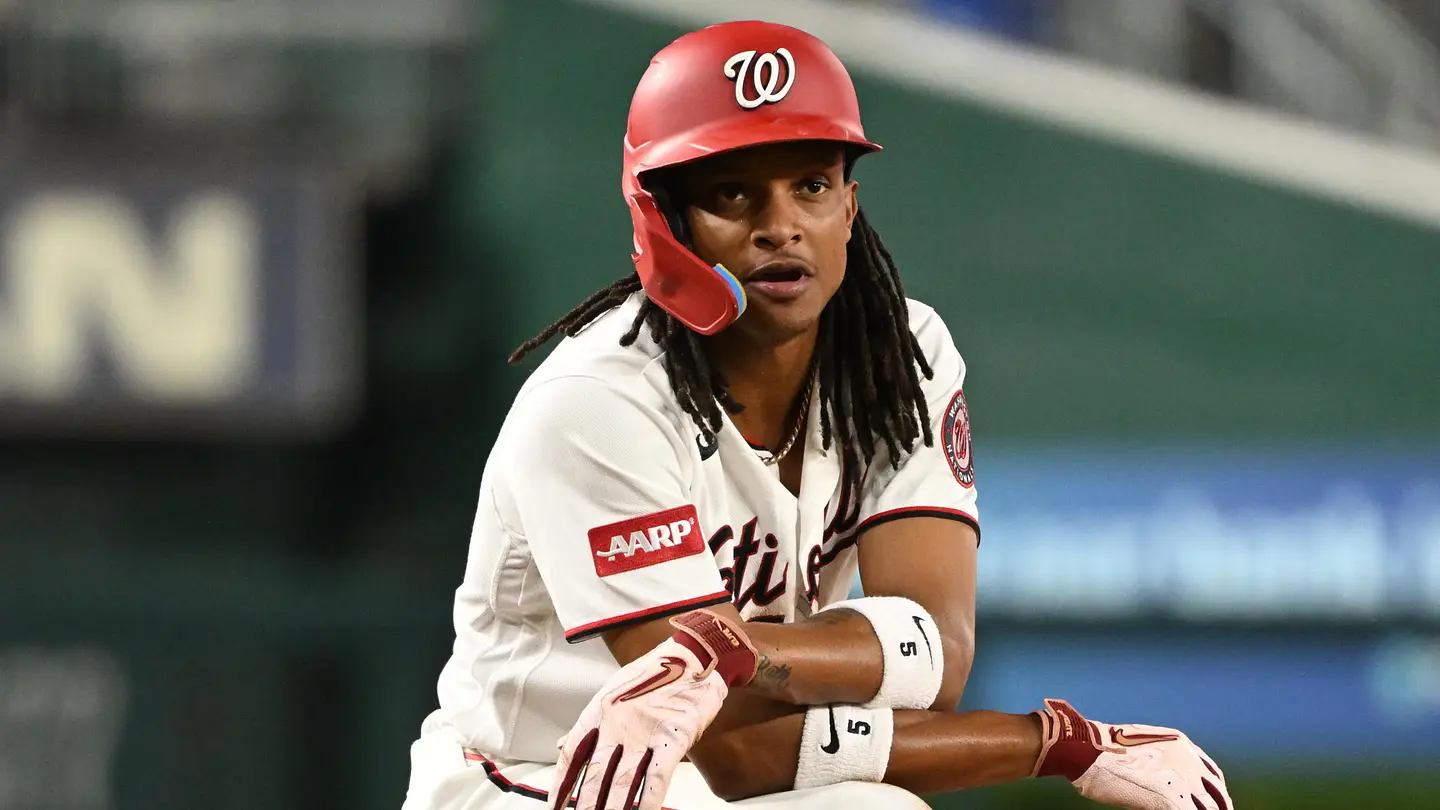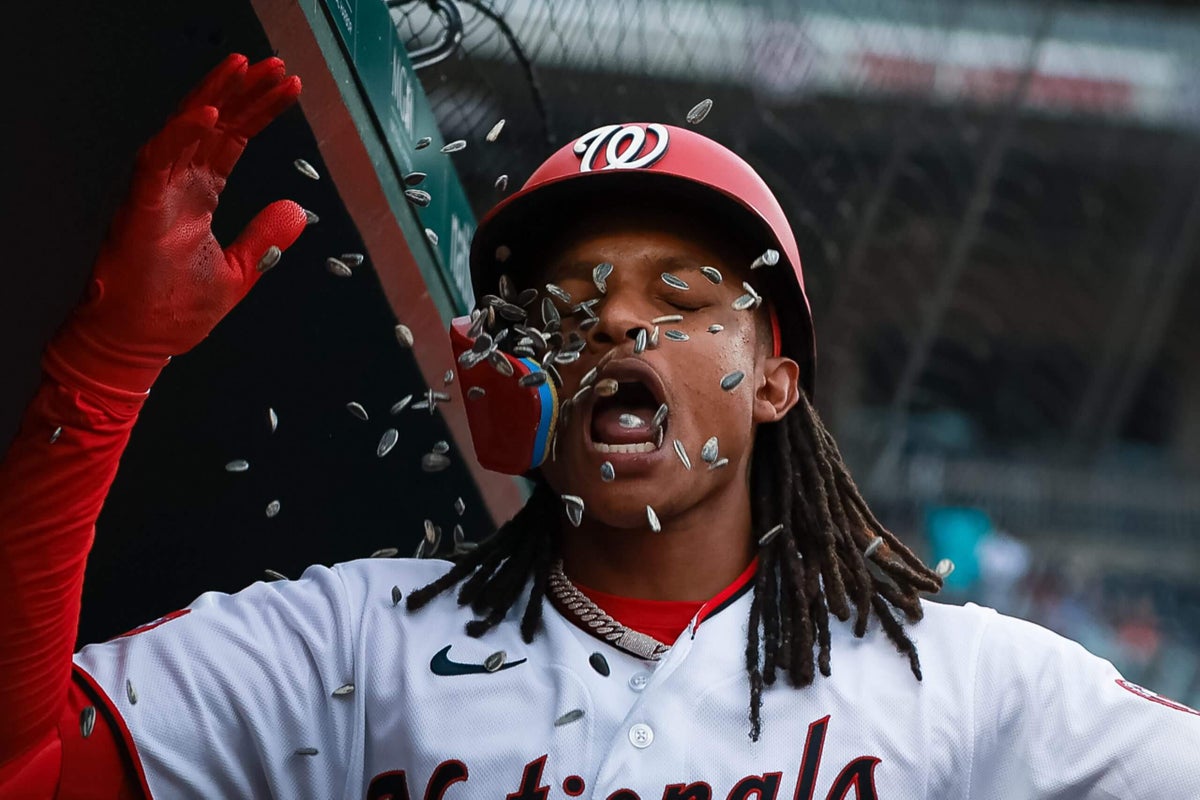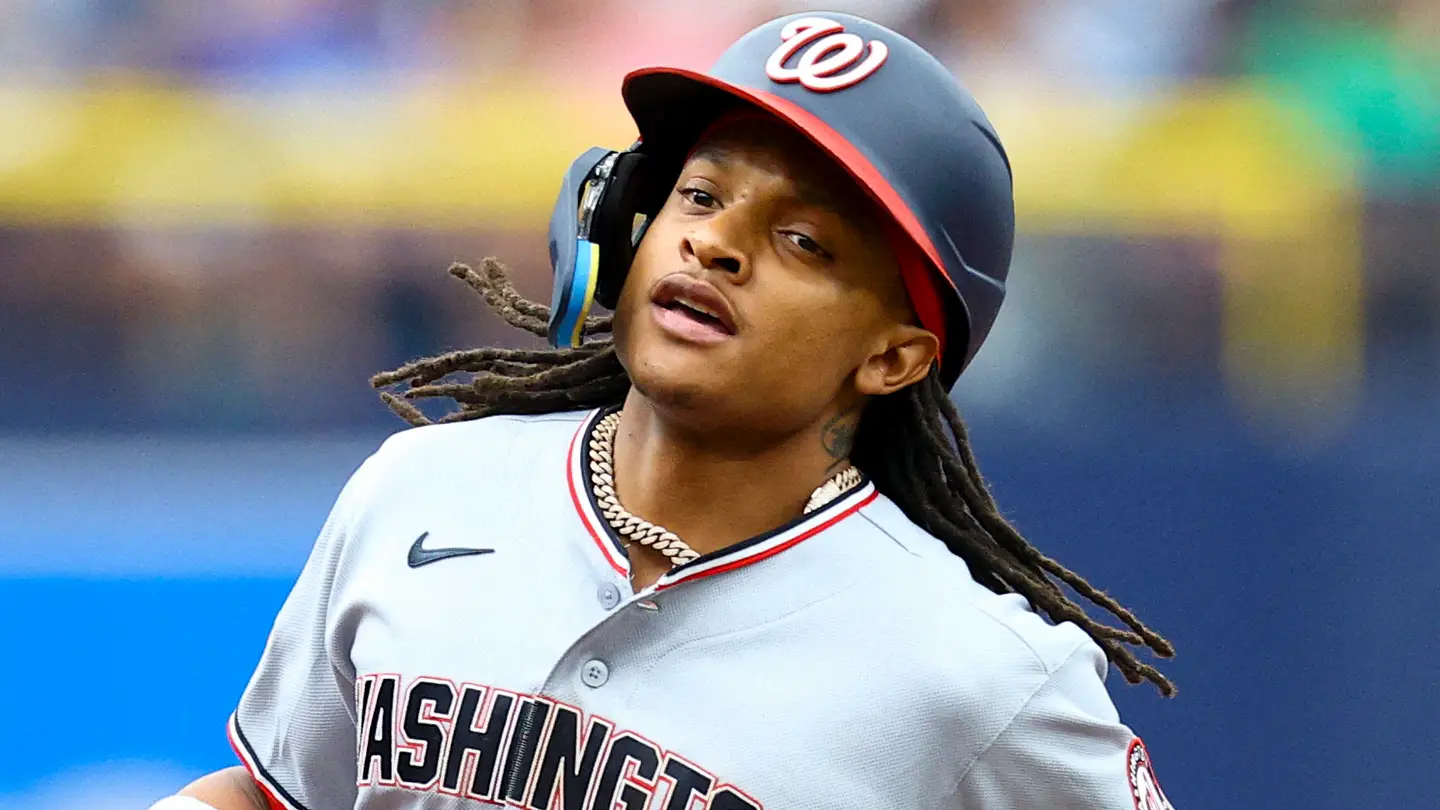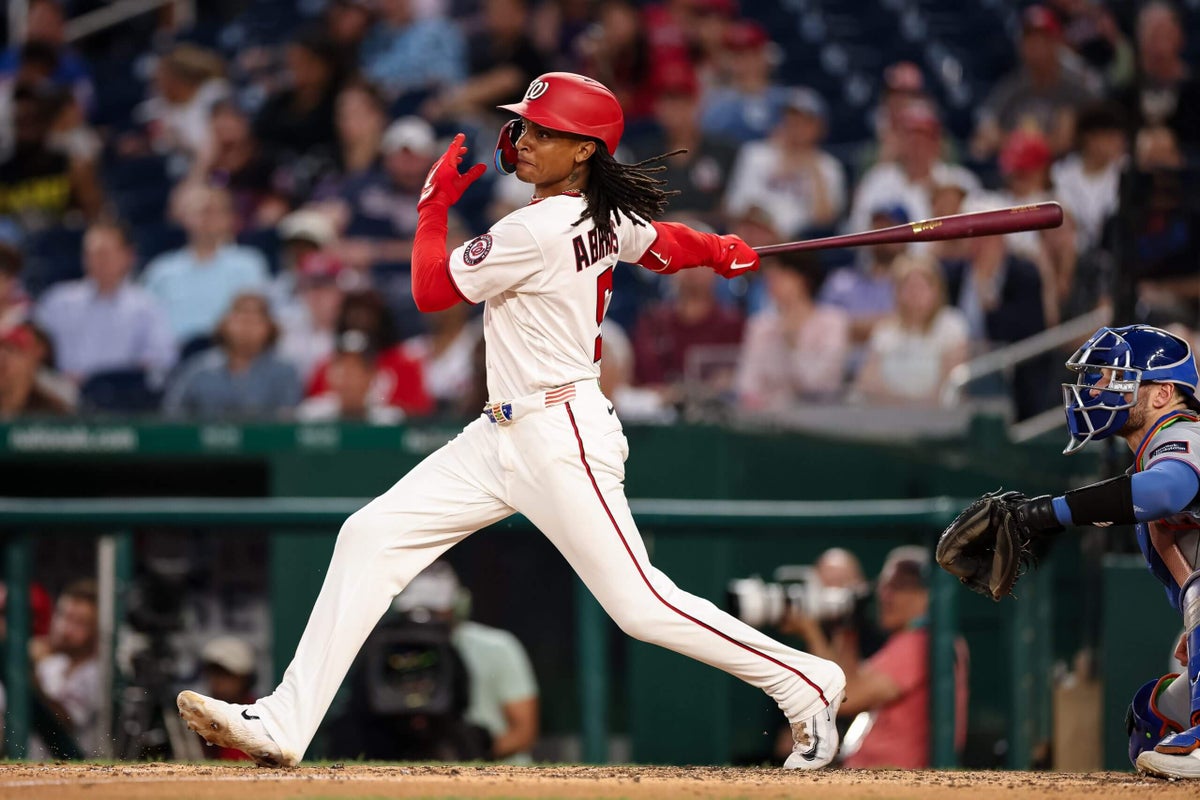
WASHINGTON — It might seem a strange time to evaluate whether the Washington Nationals are ahead of the rebuilding schedule new baseball chief Paul Toboni envisioned when he took over eight months ago. Get swept at home by the Miami Marlins to fall back below .500, and declare they’re ahead of schedule? Seems dubious.It says here, though, that the Nats have improved more rapidly than could have been predicted either from the front office or the grandstands. Sixty-three games into the season, that improvement isn’t completely baked-in, not guaranteed to last over 99 more games. Allowing more runs than any team but the Colorado Rockies can put a damper on aspirations.But the sample size is meaningful, and it leads to this conclusion: If the next 30 games are as encouraging as the first 63, the Nationals just can’t trade CJ Abrams this summer.From a Nats fan’s perspective, that seems obvious. Abrams isn’t eligible for free agency until after the 2028 season. His OPS (.903) is more than 40 points higher than the next-best shortstop (Elly De La Cruz). Through Wednesday’s games, he had driven in more runs (47) than anybody but Andy Pages of the Dodgers, putting him on a 121-RBI pace. His walk rate (10.2 percent) is nearly double what it was a year ago. He may be figuring out a consistent approach that would last the entire season. He’s still only 25. This is the guy you want to trade?When May dawned, I would have said, “Absolutely.” This is exactly the point in his career when the Nationals — then led by Mike Rizzo — traded Juan Soto for the package that included Abrams and James Wood, the current team’s two best players by far. It was apparent then that Soto wouldn’t sign an extension here. The Nats weren’t going to be competitive the following two seasons. Why not maximize Soto’s value in the moment? Thank you, A.J. Preller and the Padres.A month ago, in my mind at least, that same thinking applied to Abrams. There have been no substantive talks about an extension. His defense at shortstop is shaky enough that he’s likely not the long-term solution there. The Nats didn’t figure to be ready to compete for a postseason berth in Abrams’ tenure. Why keep an asset with an expiration date when he could be dealt for a package of players who would be around when the rest of the roster could contend?May changed things. To be clear, the view of the franchise from 40,000 feet shouldn’t accelerate because of one month in which it went 16-12. Toboni and his front office have to be mindful of not cutting corners because the current major league roster is playing over its collective head. If the frustrations from the Marlins series spill into the remainder of June and the Nats step backward, by all means, listen to offers — because they’re coming.But the way to think about whether the Nats are ahead of schedule — and therefore could be constructing a team that could compete in Abrams’ time in Washington — is by looking at the players who were here in previous years and noting their improvement. To truly contend, the Nats will need to add talent through the draft, in international signings, with trades and — yes, Lerner family — in free agency.But what if they found more wins in their current players? A year ago, Wood led the Nats in fWAR (3.3) even though he suffered through a miserable second half. Abrams’ fWAR in 2025 was 3.2.Now? Wood is already at 2.5, Abrams at 2.3. Center fielder Jacob Young’s fWAR from 61 games (1.3) already exceeds his number from all of last year. Catcher Keibert Ruiz, an absolute liability in ’25, is a value add with an fWAR of 1.1.The point: Through development at the major league level, the Nats can find wins without making roster moves. What if Wood is a six- or even seven-win player? What if Abrams is worth five or six wins? What if Young — who has more home runs (eight) in his first 211 plate appearances this season than he did in the first 1,006 PAs of his career (five) — is a three-win player?If those developments continue, the Nationals are finding wins without overhauling the roster. Part of Toboni’s challenge is restocking the system, and that will begin with July’s draft. There’s just no reason the talent on hand can’t simultaneously get better as the system does.Even after the dud of a Marlins series, the Nats are on pace to win 80 games. A year ago, the 83-win Cincinnati Reds earned a National League wild-card berth. The expanded playoffs mean teams that are at or above .500 at the trade deadline — which this year is Aug. 3 — are in the race.Win 80 games this year, make (more) smart moves in the offseason, and wouldn’t it be reasonable to get to 85 wins — and real postseason contention — in 2027? Couldn’t Abrams be a central part of something like that?Plus, an Abrams trade from a fringe postseason contender would feel like cruel and unusual punishment for a fanbase that understands cruel and unusual punishment. Nats fans have endured the deadline trades of Soto, Trea Turner and Max Scherzer, Kyle Schwarber, Lane Thomas and even Kyle Finnegan all in the name of a better future. It wears on the psyche, and it demonstrably diminishes interest.No more. What’s immediately ahead is intriguing. The eight remaining foes on the June schedule had a collective winning percentage of .482 through Wednesday. They include the disappointing San Francisco Giants, Kansas City Royals, Baltimore Orioles and Boston Red Sox (as well as the first-place Seattle Mariners and Tampa Bay Rays).If the Nats reach the end of the Boston series on July 1 at something around 44-44, and if Abrams has continued to help lift them there, keep him. Timelines are fluid. Real success could be closer than originally predicted. CJ Abrams is one reason why. Keep him around to find out what’s possible.
How can the Nationals best rebuild? By keeping CJ Abrams, and seeing what’s possible
The Nationals are ahead of schedule, and their improving shortstop can help keep them there.
1,026 words~5 min read