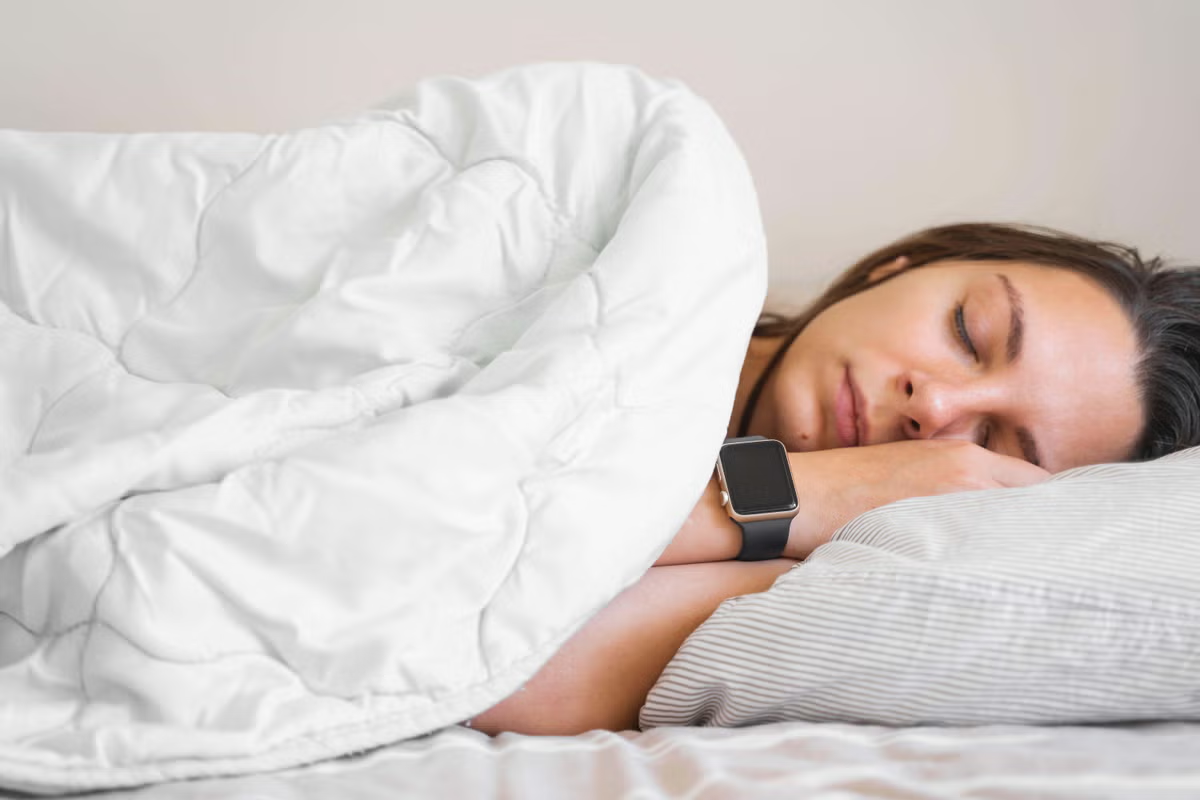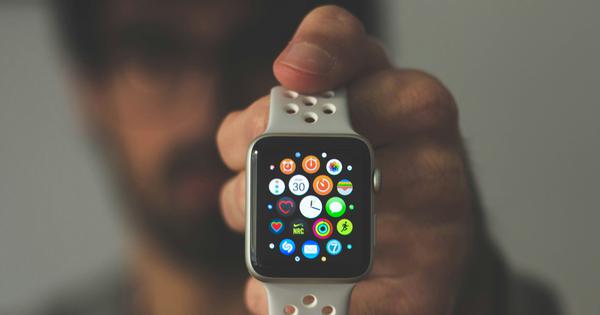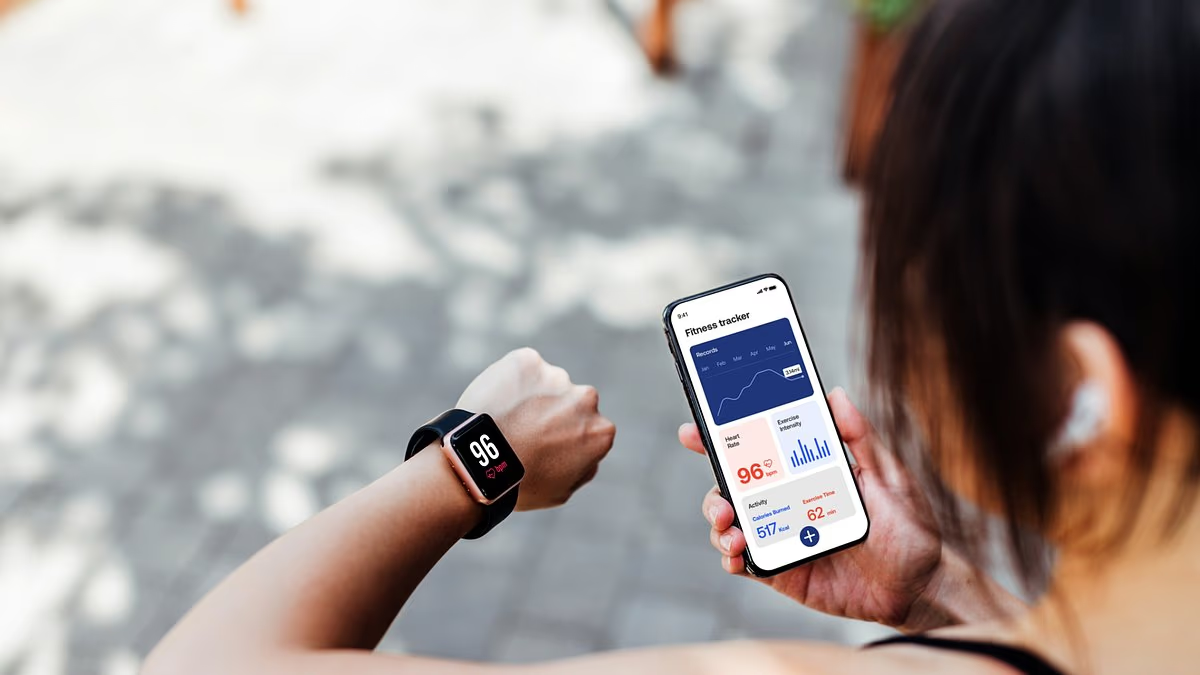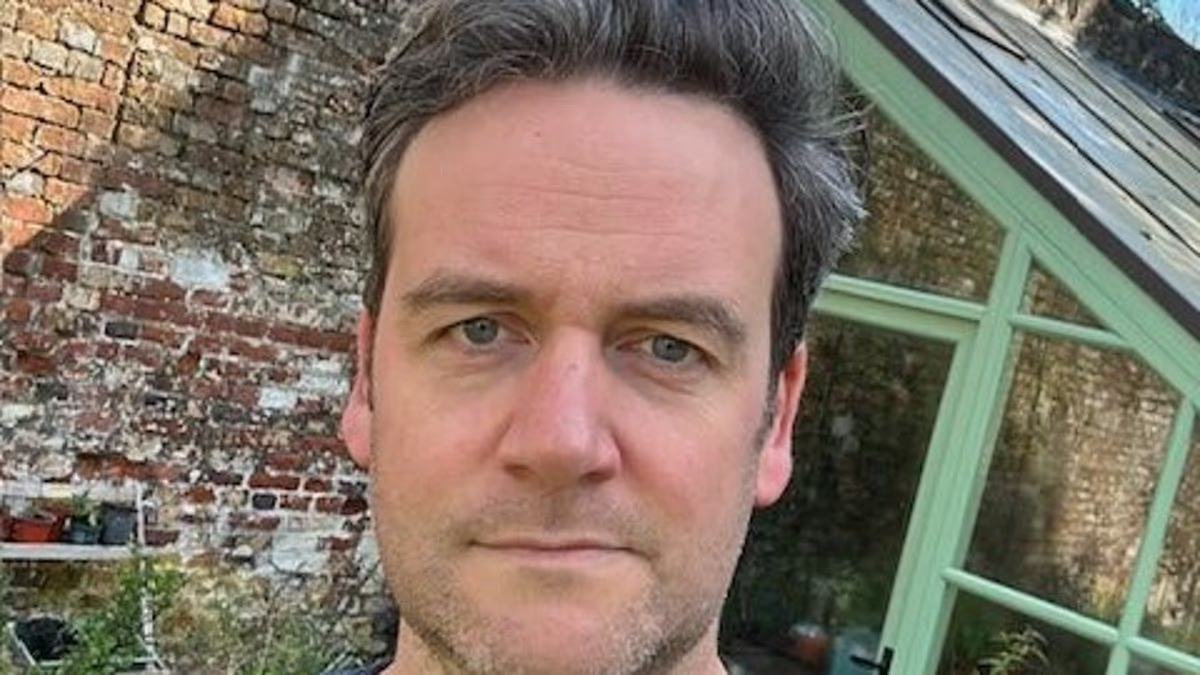
While out for a routine jog, Julian Davies was suddenly struck by a tightness in his chest - forcing him to stop and head home. At just 43, he was the picture of health - a regular at the gym, avid outdoor swimmer and regular competitor in gruelling ultra‑marathons.His smartwatch, a £190 Hume Band fitness tracker which he had been wearing for around five months, showed his cardiovascular fitness was excellent for his age.It recorded a resting heart rate of around 50, along with good sleep and normal heart‑rate variability.But within weeks, his health began to unravel. Mr Davies, a managing director at Cannaray Wellness from Surrey, continued to suffer from chest soreness and extreme fatigue. He dismissed the symptoms as stress, ageing or indigestion, while his fitness tracker showed his heart rate was normal. Then, on January 28, he was at the chemist when he was hit by a crushing pressure in his chest and thought he might faint - a sensation he later described as 'like being inside a washing machine, getting thrown around'.He managed to drive home while calling an ambulance, but collapsed on his driveway moments later.'My partner ran out, took the call and woke me up. It was at that point I knew I was going to die,' he said.When he came round in hospital the next morning, doctors told him he had suffered a major heart attack. Julian Davies, 43, trusted his fitness tracker to flag any problems. Instead, it told him he'd had a 'great night's sleep' - as doctors diagnosed a major heart attack Mr Davies (second R) was the picture of health - a regular at the gym who ran ultra‑marathons and swam outdoors'The most ironic thing was that when I finally came to and checked my watch, it was telling me I'd had a good night's sleep and that everything was normal,' he says.In reality, blood tests revealed his troponin - a key marker released when the heart is damaged - was 'off the scale', while scans showed his heart was not working properly.He underwent an emergency procedure in which a wire was threaded through an artery in his wrist up into his heart so doctors could 'hoover out' a blockage and use tiny balloons to open his coronary artery.Only in hospital did doctors reveal he had likely endured a couple of smaller heart attacks in the weeks before the big one – episodes his smartwatch failed to spot. The Hume Band markets itself as a consumer wellness and longevity wearable that provides 'medical-grade insights'While many modern fitness trackers now boast blood pressure monitoring and single‑lead ECGs, experts warn these features are no substitute for proper medical tests.Devices like the Hume Band 2.0 use light-based sensors (known as PPG) to estimate blood pressure trends and track heart rate variability. They can give a useful snapshot of your health - but readings aren't always perfect, and occasional spikes or errors are not uncommon.Some wearables also include a single‑lead ECG, designed to detect irregular heart rhythms such as atrial fibrillation. However, results can be affected by how the device is worn or even slight movements during use. They may also flag harmless extra heartbeats, which can be misleading.Crucially, these simplified ECGs are far less detailed than the 12‑lead versions used in hospitals, meaning they cannot provide the same level of accuracy or diagnosis.And while devices like the Hume Band can spot irregular patterns and send alerts, they cannot detect or diagnose serious conditions such as a heart attack. They are designed as wellness gadgets - not lifesaving medical tools.The Hume Health website claims: 'Hume connects every biomarker into one clear picture - so nothing gets missed, and nothing sneaks up on you' Consultant cardiologist Dr Malcolm Finlay said: 'These fitness trackers are designed as general wellness tools, and they can be very good at detecting certain things - particularly abnormal heart rhythms.'The more advanced devices, which include ECG functions, are much better than basic trackers that only measure pulse. Even simpler devices can sometimes pick up irregular heartbeats, which is useful.
My £190 fitness tracker said I was healthy...then I had a heart attack
'Fit and healthy' Julian Davies, 43, trusted his fitness tracker to flag any problems. Instead, it told him he'd had a 'great night's sleep' - as doctors diagnosed a major heart attack.
1,263 words~6 min read