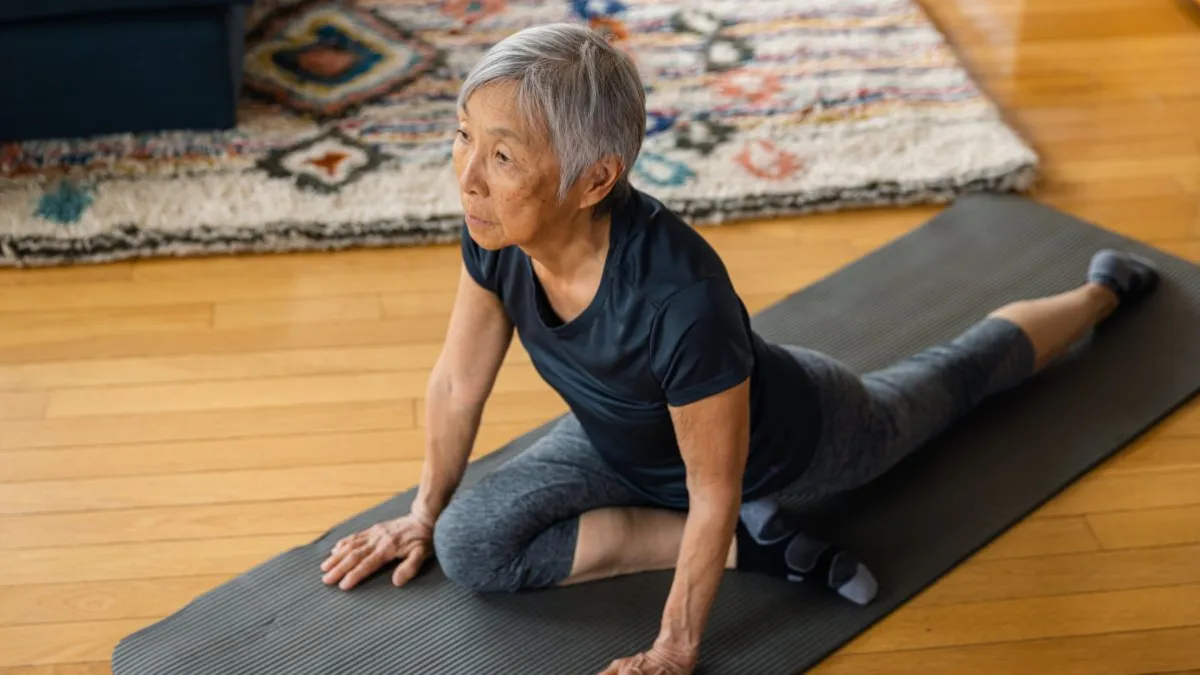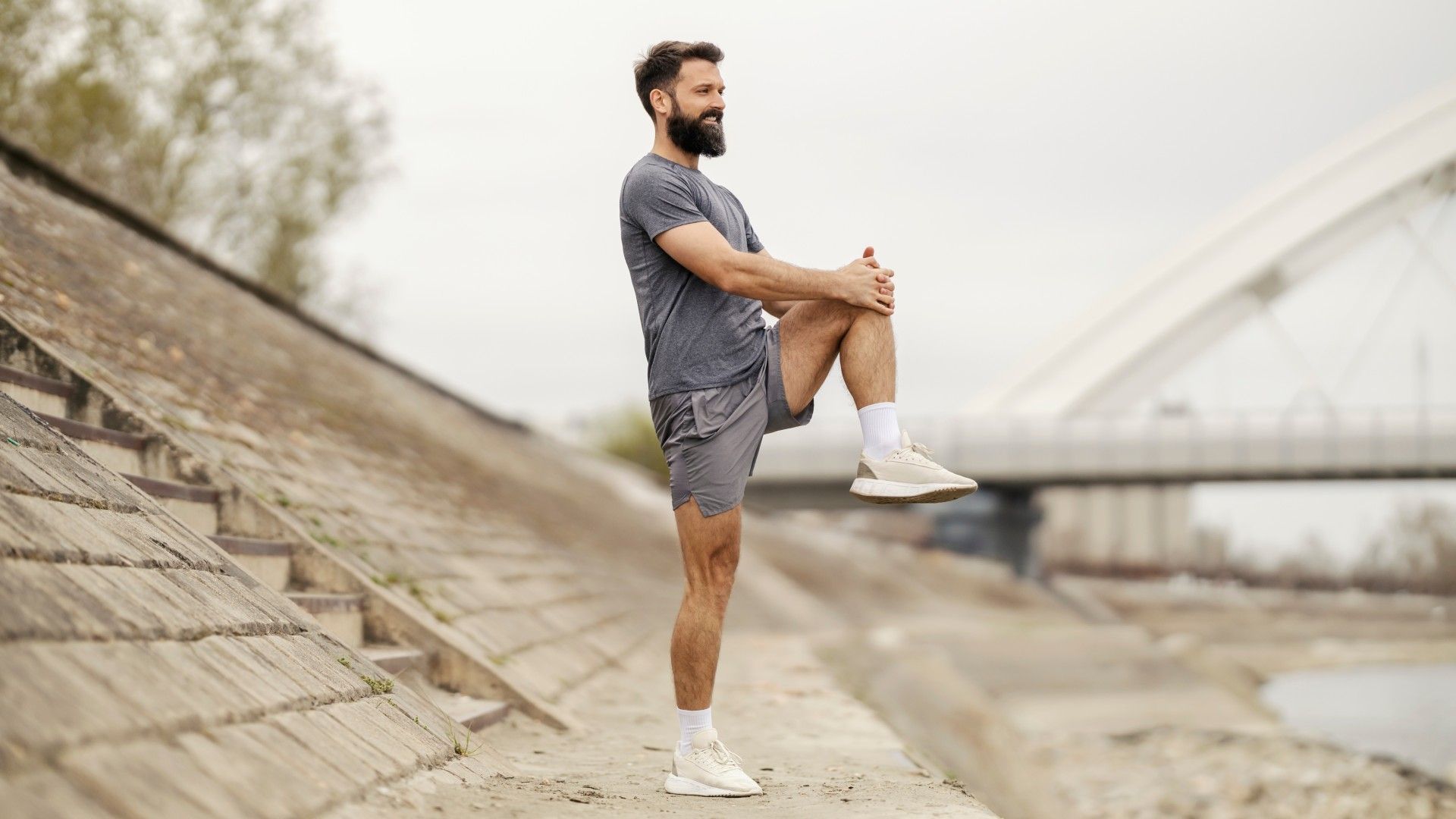
‘There’s a deeply embedded cultural narrative that says pain, stiffness and declining function are inevitable parts of getting older,” says Will Harlow, a physiotherapist specialising in treating the over-50s. “They’re not. They’re common, yes – but common and inevitable are very different things.”
Mid-lifers misunderstanding this is something he sees “every single week” in clinic. “The problem is when people write off pain or restriction as ‘just ageing’, they then stop moving, stop loading the affected area, and often start compensating around it – favouring one leg, avoiding bending, stopping activities they love.”
The effects of which spiral quickly. “What might have been resolved with six weeks of targeted exercise instead becomes a year of worsening stiffness, reduced confidence and a growing list of things they ‘can’t do’ any more.”
In his new book, Independence for Life, Harlow focuses on five “problem areas” which come up time and time again in his practice: the back, neck and shoulders, hips, knees and feet.
“They’re all load-bearing or high-use regions, absorbing enormous forces across a lifetime,” he explains. “And they’re the areas most affected by the age-related, changes such as reduced muscle mass and changes in connective tissues.” But, he adds, he chose to focus on these “because they’re all areas where the research overwhelmingly shows they respond to exercise – meaning these are issues you can do something meaningful about”.