June 5, 2026 | 01:18 pm
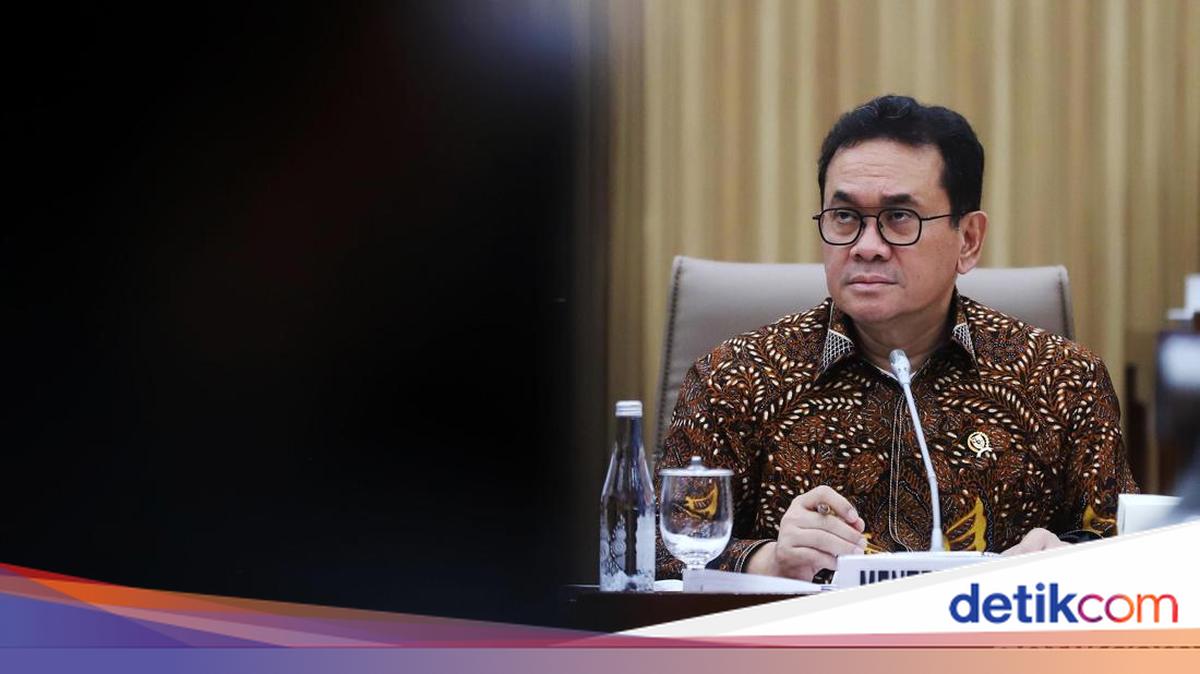
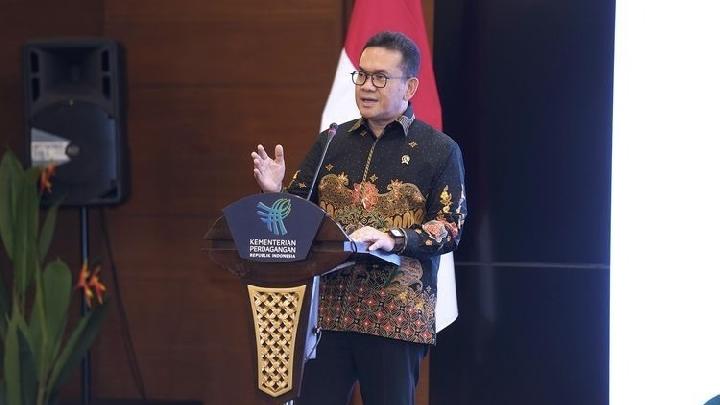
TEMPO.CO, Jakarta - Trade Minister Budi Santoso signed the Draft Regulation of the Minister of Trade regarding Electronic Systems Trading Activities (PMSE) on Thursday, June 4, 2026. This new regulation replaces the Trade Ministerial Regulation Number 31 of 2023, which governs Business Licensing, Advertising, Development, and Oversight of Business Players in Electronic Systems Trading.Under the updated framework, the Ministry of Trade officially includes ride-hailing and Online Travel Agents (OTAs) as recognized PMSE organizers.Budi defined the ride-hailing business model as a land transportation electronic system that may feature the trading of goods and services as supplementary features within its ecosystem.He emphasized that the new regulation specifically targets the trading of goods facilitated by ride-hailing platforms through their commercial features. "Thus, what is regulated is the buying and selling of the goods, not the transportation service itself," Budi clarified in a written statement on Thursday, June 4, 2026.The other newly regulated business model, the online travel agent, is defined as an electronic system for selling or booking travel services, operating either directly or by facilitating transactions between consumers and businesses. This service covers the sale and organization of transportation tickets, accommodations, attractions, and travel packages. Budi noted that adding these two business models to the revised e-commerce regulation responds to the dynamic shifts in the digital trading landscape while offering legal certainty for entrepreneurs.In general, Budi explained that the revision centers on five primary pillars. These include boosting the visibility of local products, facilitating legal compliance for businesses, ensuring transparency in digital platform partnerships, strengthening consumer protection, and improving digital technology governance.The PMSE revision, he added, aims to foster a fair, healthy, and mutually beneficial digital trading ecosystem. "Of course, this is carried out with attention to dynamic technological advancements," he said.The policy will enforce priority visibility for local micro and small business products on digital platforms, mandatory business permits, and transparency regarding platform fees and promotional policies, alongside promotional incentives for business players.Furthermore, it mandates platform-based complaint and dispute mechanisms, regulates the use of artificial intelligence (AI) in product marketing, and establishes protection against unfair trading practices.Addressing the mandatory business permits for all digital merchants, Budi stressed that such oversight is crucial to shaping a more orderly and healthy digital marketplace. He added that licensing also unlocks opportunities for businesses, particularly micro, small, and medium enterprises (MSMEs), to tap into government programs like training, financing, and promotional support.To assist entrepreneurs in adapting to the updated policy, Budi stated that a grace period has been established for meeting the licensing requirements. He expressed hope that the transition under this new regulation will proceed gradually and without burden.Read: Grab Denies Rumor of Plan to Exit IndonesiaClick here to get the latest news updates from Tempo on Google News