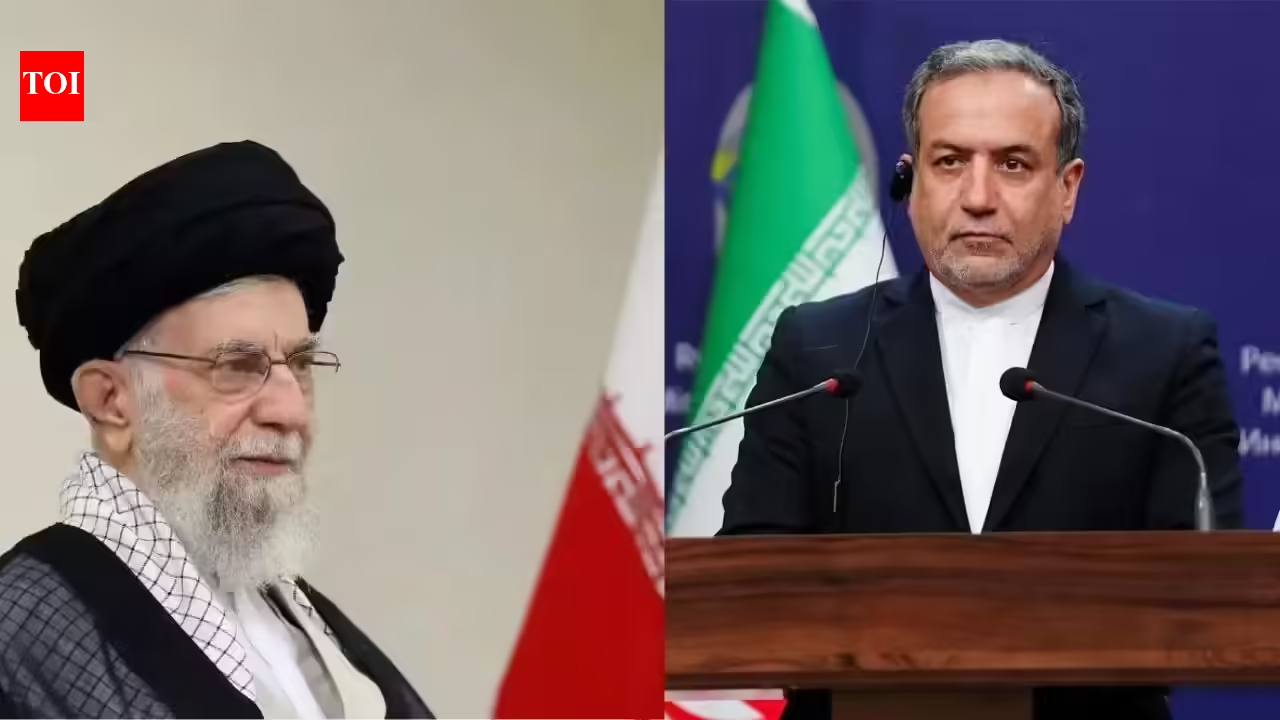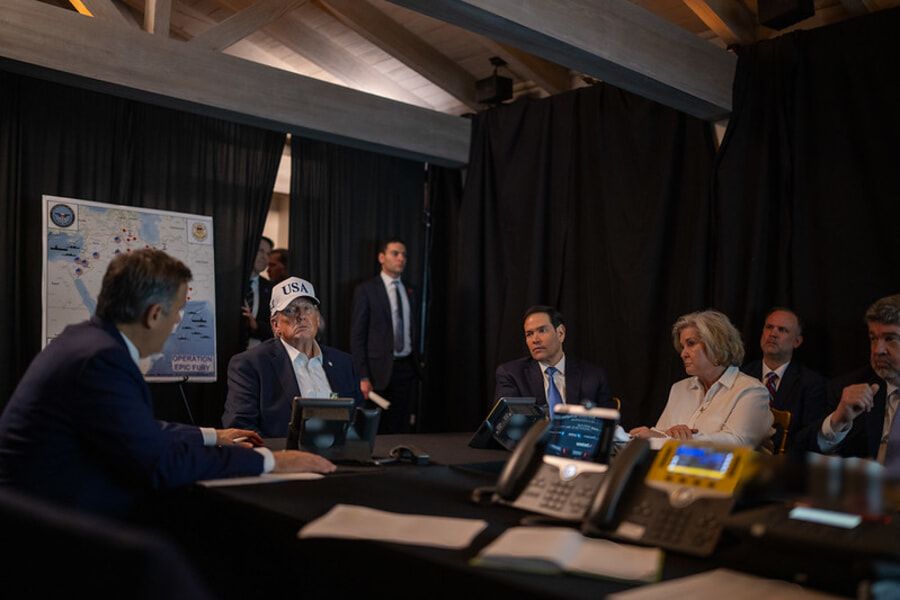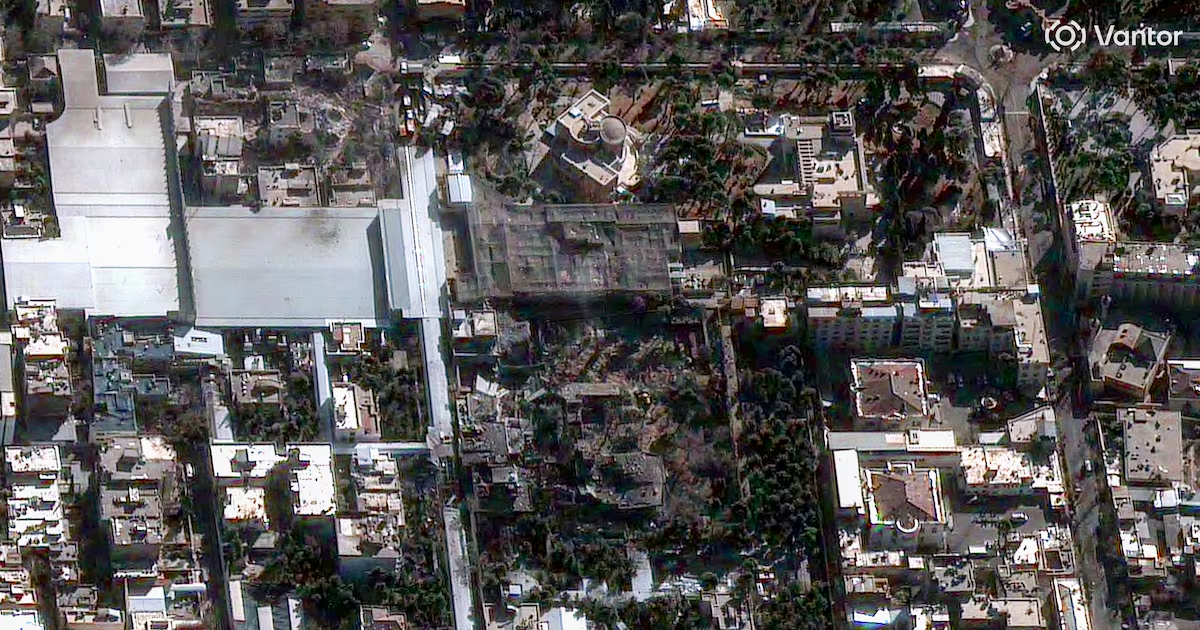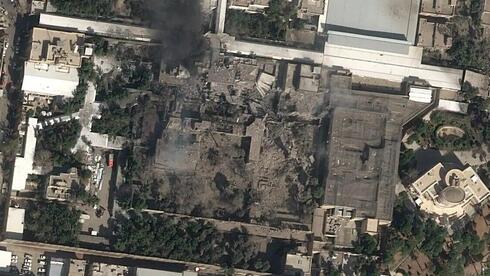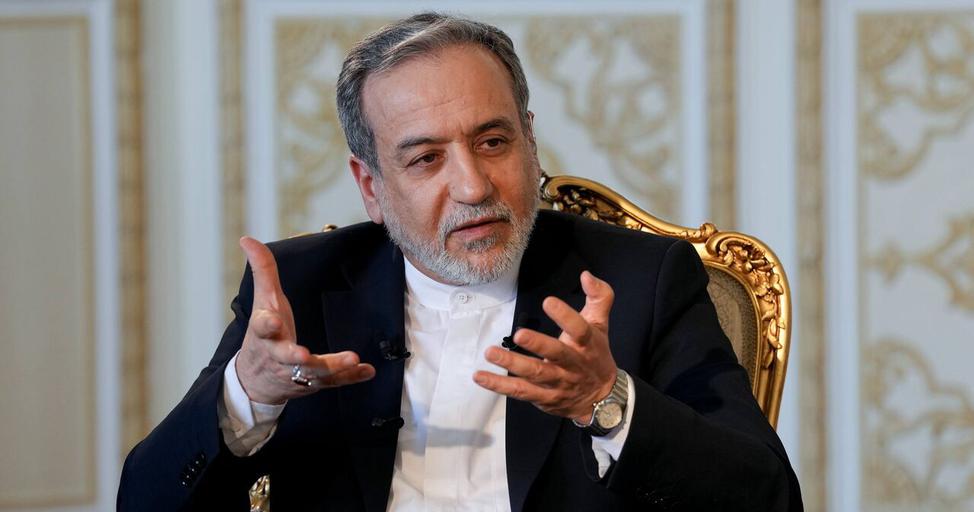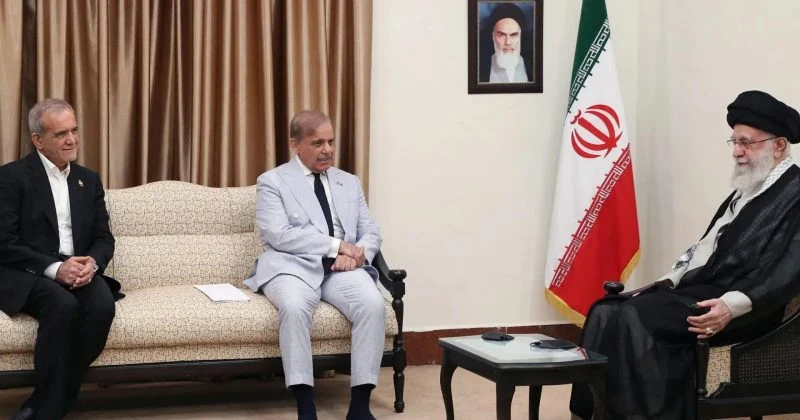
Iran’s Foreign Minister Abbas Araghchi has provided a chilling firsthand account of the February 28 US-Israeli strikes on Tehran, revealing he was sitting across from Supreme Leader Ayatollah Ali Khamenei when the building was hit. The interview, aired on Al Mayadeen on June 4, 2026, fills in critical gaps about the operation that killed Iran’s 86-year-old supreme leader and reshaped the geopolitical landscape of the Middle East.
Araghchi said he had returned from nuclear negotiations in Geneva on Friday and was briefing Khamenei at 9 a.m. Saturday morning when the strikes began. Their section of the building survived the initial impact. Khamenei, despite warnings, refused to take shelter.
What Araghchi described
Araghchi explained that the meeting was a routine briefing on the status of Geneva talks, the kind of Saturday morning session that had become standard practice as nuclear negotiations dragged on. The specific wing they occupied remained intact after the initial wave of airstrikes. But Khamenei, who had led the Islamic Republic since 1989, reportedly declined to move to a secure location. That decision proved fatal.
Iranian state media confirmed Khamenei’s death in the aftermath, triggering a 40-day national mourning period.