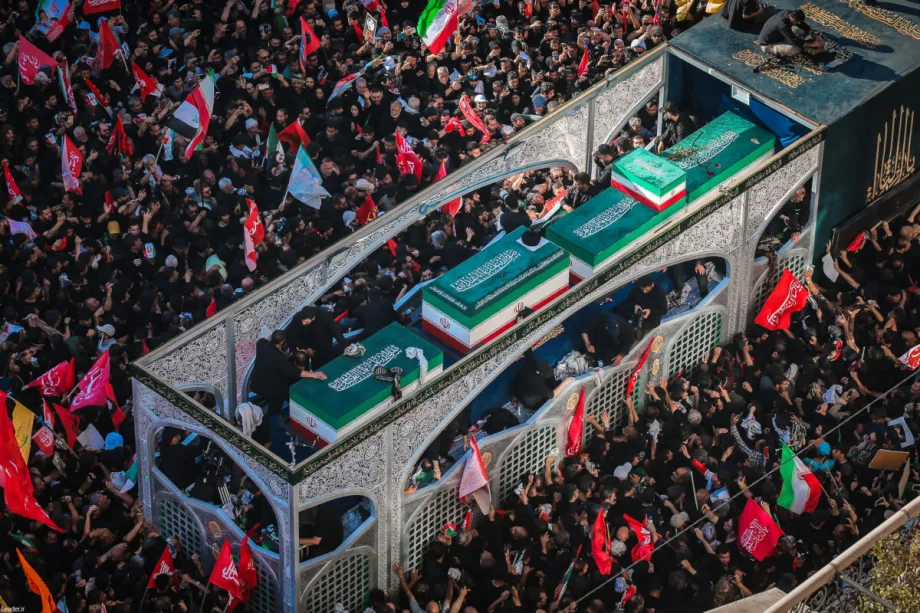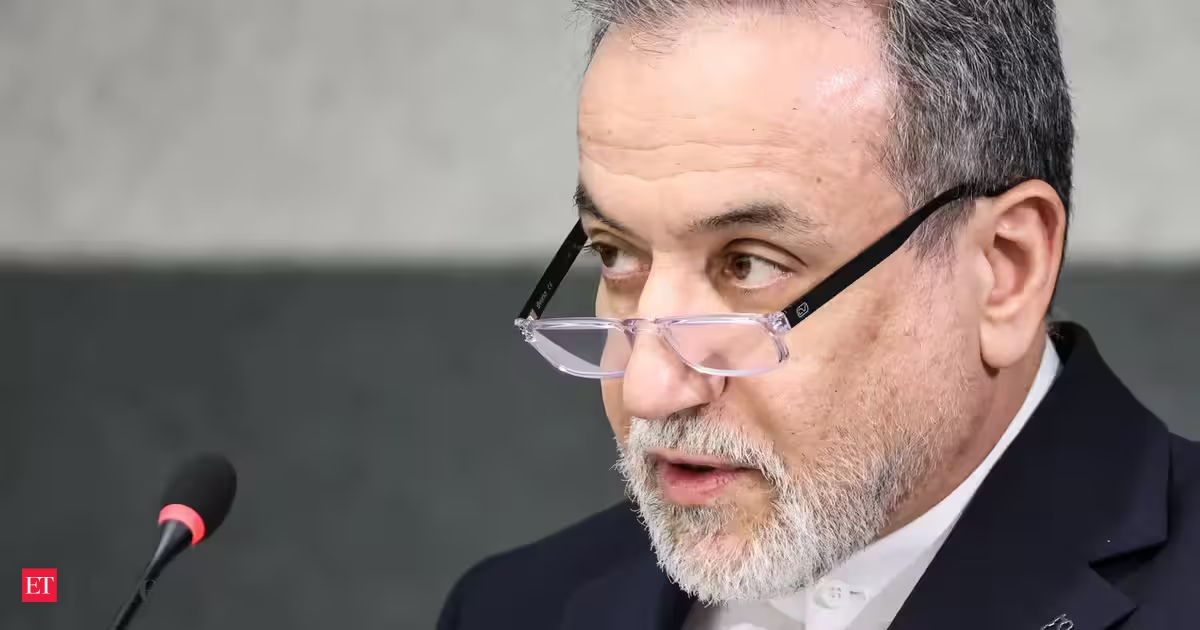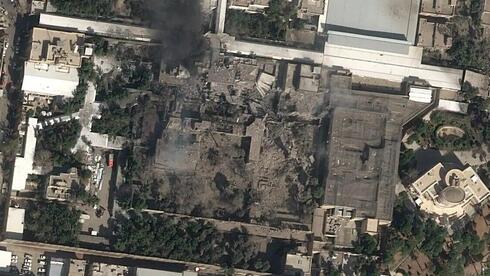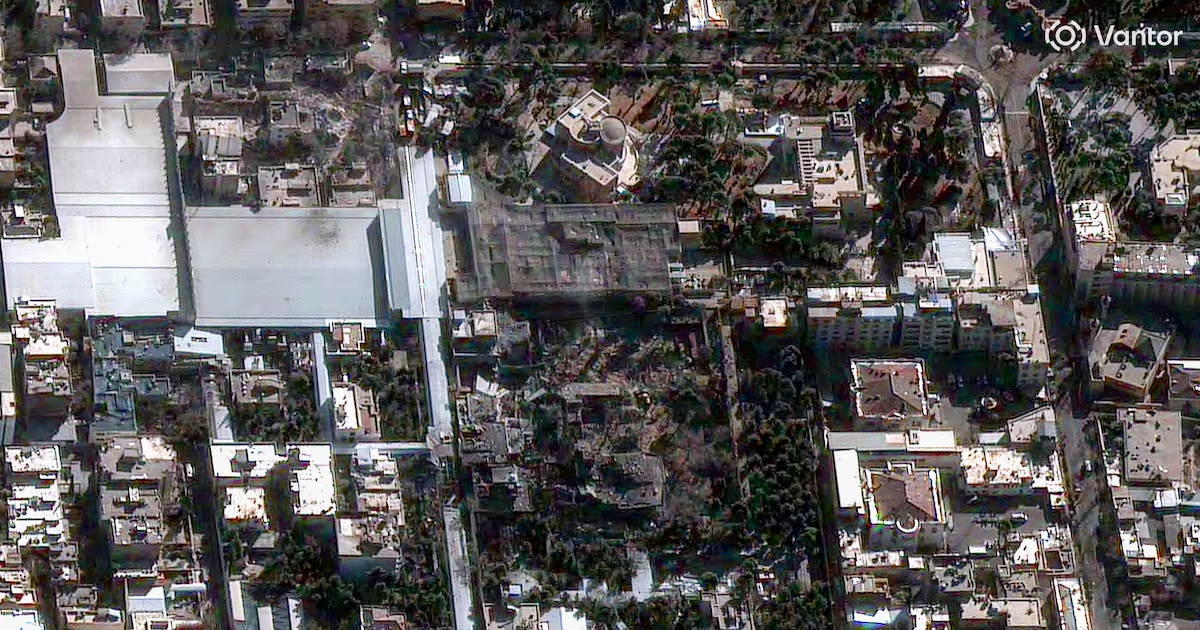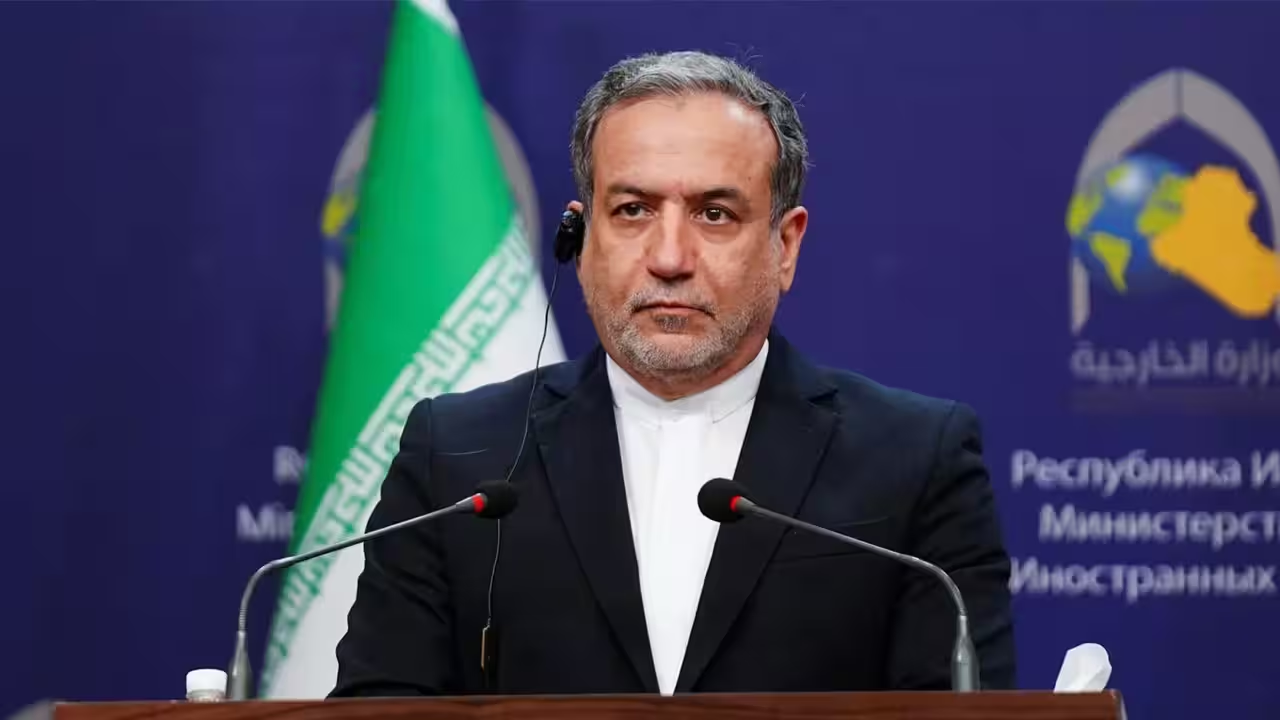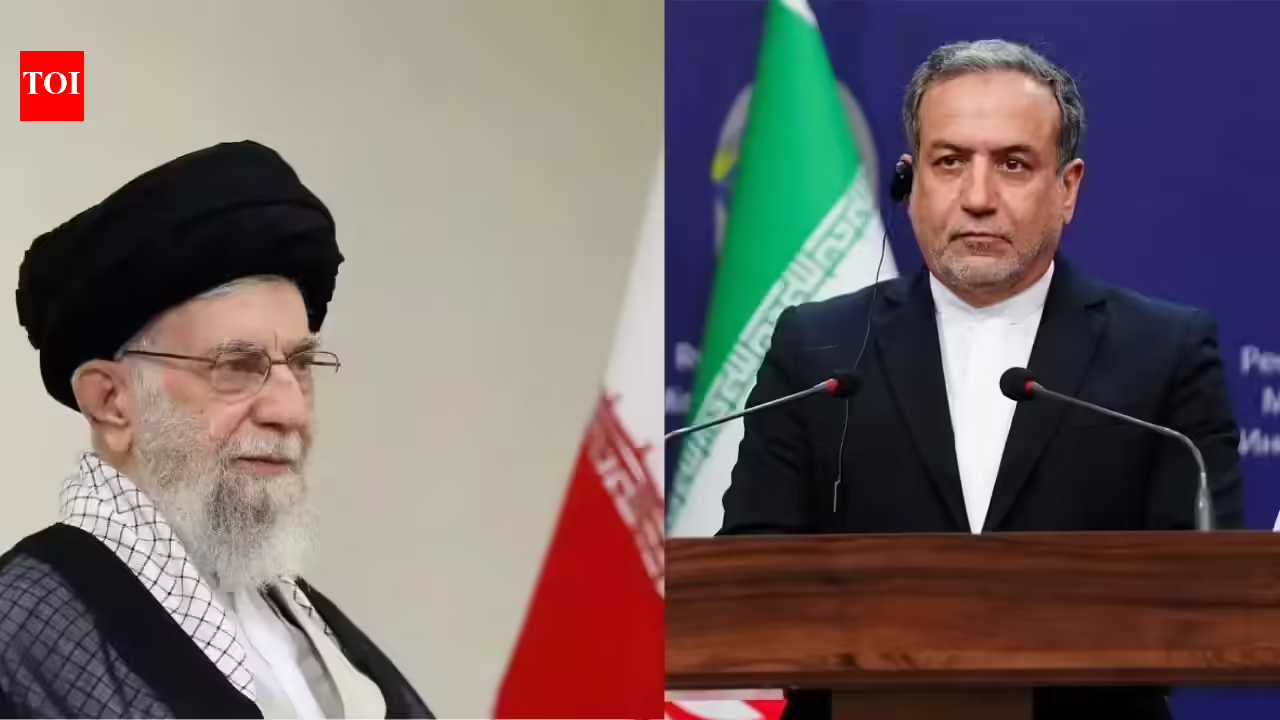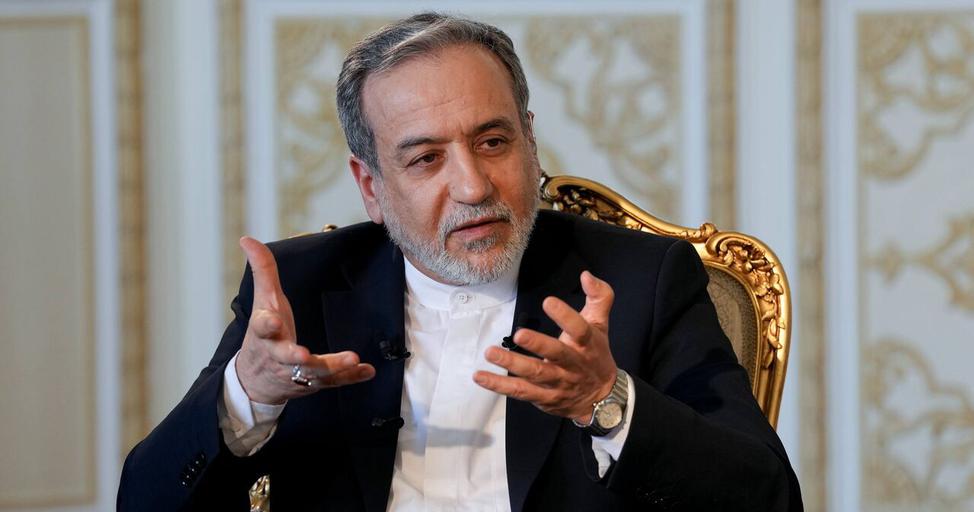
In a televised interview, Abbas Araghchi, the Foreign Minister of the Islamic Republic, claimed that the strike targeting the Supreme Leader’s compound was carried out through a “security breach” that persists within the country’s decision-making apparatus. He further revealed that contingency scenarios had been drafted in advance to address the potential death of the Supreme Leader.
Speaking to Javad Mogouei on the YouTube program The War Story 2, Araghchi defended the acceptance of the recent ceasefire, claiming that if the decision had been made sooner, infrastructure such as Asaluyeh and figures such as Ali Larijani would have been spared subsequent damage. He added that decisions regarding the continuation or cessation of war cannot be based on “speculation and guesswork.”
Reiterating that he has not yet seen Mojtaba Khamenei, the third Supreme Leader of the Islamic Republic, Araghchi described decisions to enter or end a war as “collective,” noting that negotiations with the United States were not his personal initiative. He emphasized that decisions on war and peace are made within the Supreme National Security Council.
Araghchi dismissed critics’ assertions that negotiations paved the way for the conflict, countering that the Islamic Republic stood firm on enrichment during the talks and that the opposing side chose the military option only after diplomacy failed.