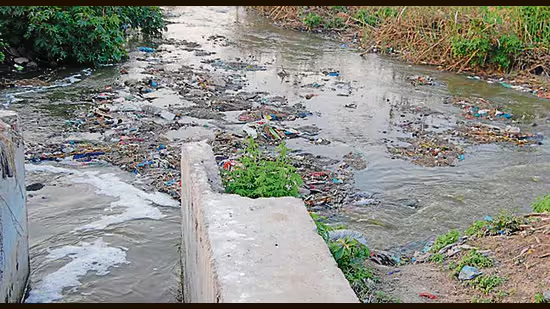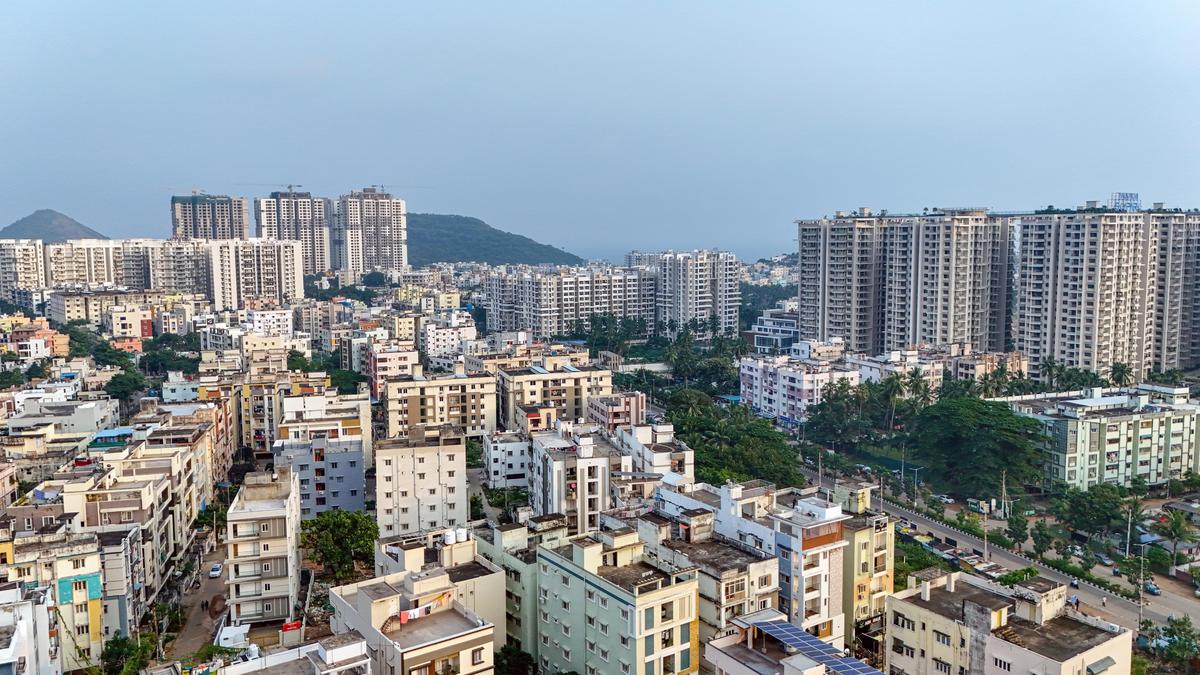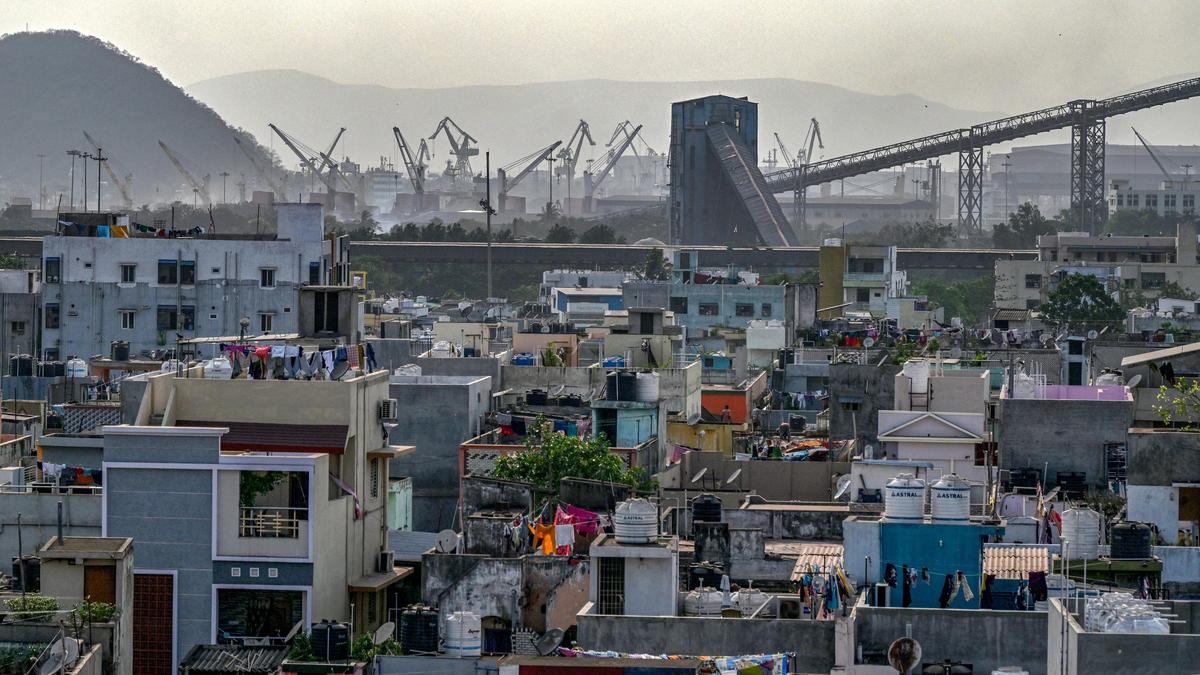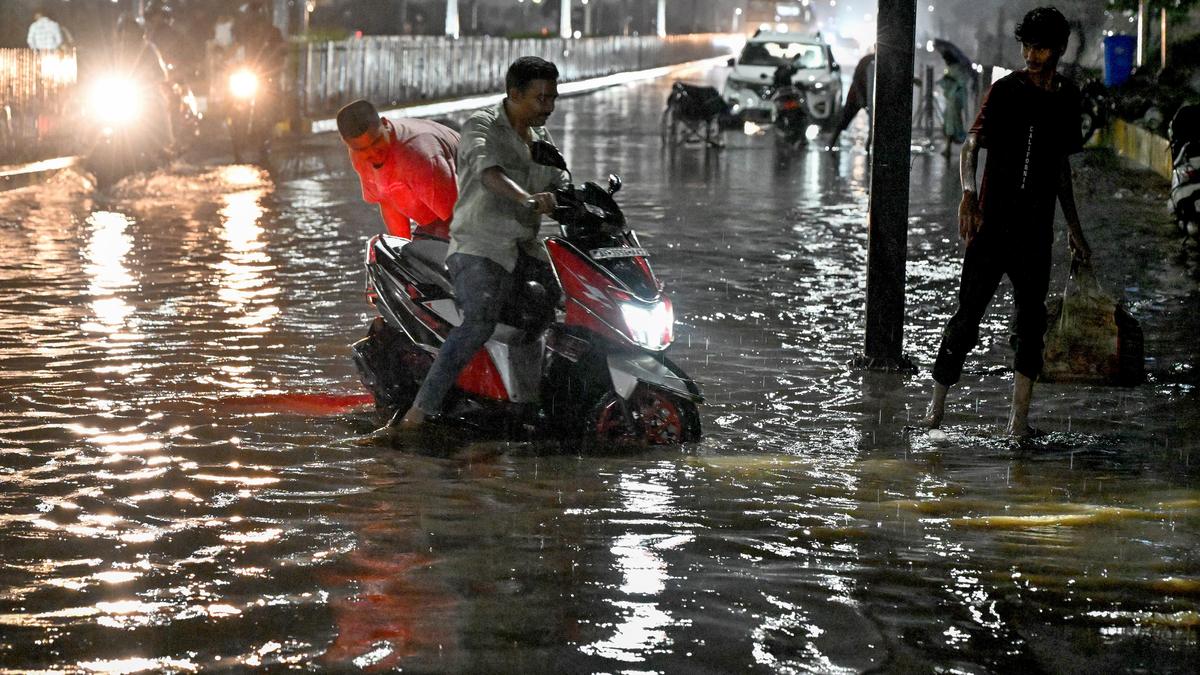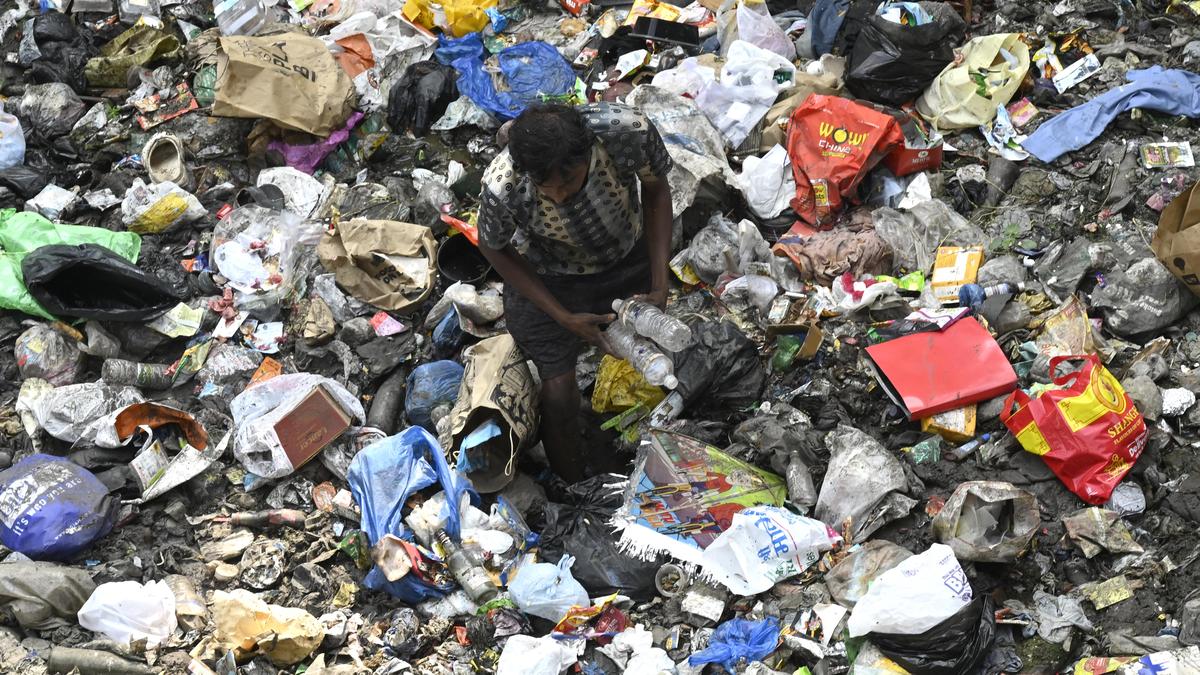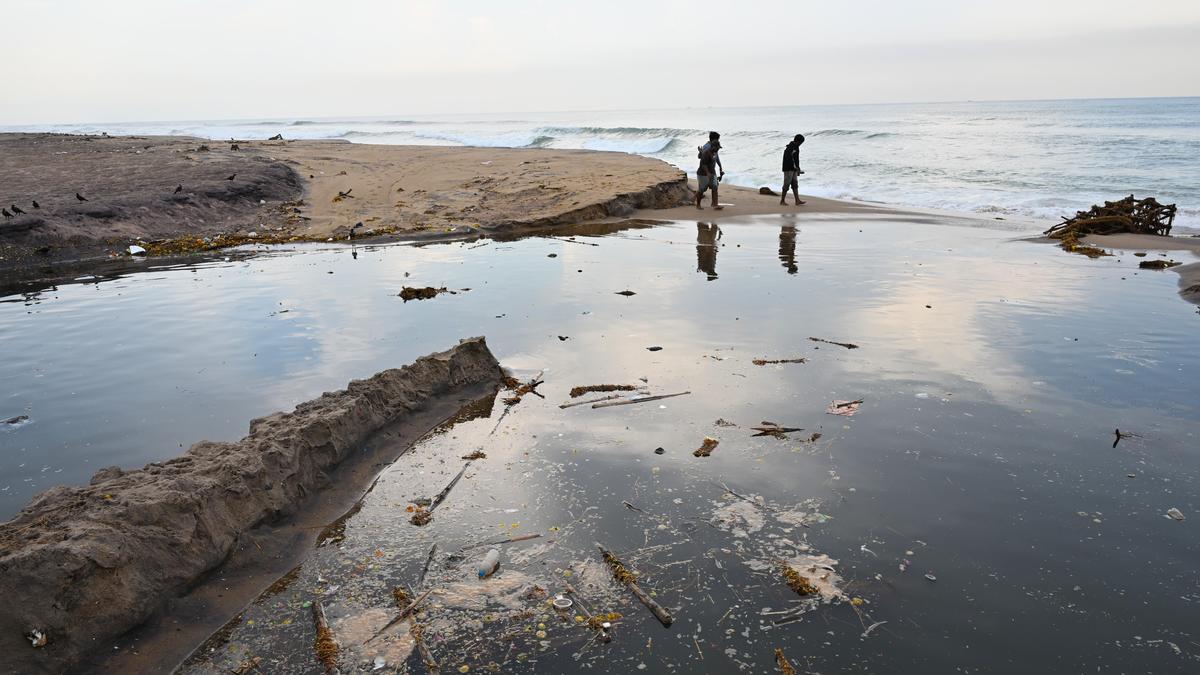
The disturbing sight of plastic waste and other debris floating on the stagnant waters near the outfall of a stormwater drain, where it converges with the Bay of Bengal at Pedda Jalaripeta—one of Visakhapatnam’s most historic fishing settlements—has become a regular view.The image captures Visakhapatnam, also known as the City of Destiny, and its growing challenge with stormwater drains, which are designed to carry rainwater and reduce flooding. However, these drains are increasingly transporting wastewater through many parts of the city throughout the year before discharging into the sea.The city’s landscape is shaped by hills, valleys, reservoirs, wetlands and natural drainage channels that carry rainwater towards the Bay of Bengal. However, over time, many of these natural channels became part of the city’s stormwater drainage network.On World Environment Day (June 5), the condition of Visakhapatnam’s geddas (local drainage channels) offers a glimpse into the coastal city’s natural drainage systems, urban infrastructure, and environmental health, which have become increasingly intertwined.Official records submitted before the National Green Tribunal (NGT) show that several drains continue to carry what authorities describe as “Dry Weather Flow” (DWF), wastewater generated even in the absence of rainfall. Unlike black water, which is sewage from households, DWF primarily consists of grey water collected from kitchens, bathrooms, roads and other domestic sources.Urbanisation and sewage infrastructureThe phenomenon highlights the widening gap between urban growth and sewerage infrastructure in one of Andhra Pradesh’s fastest-growing urban centres. As the city expanded, however, the sewerage infrastructure did not always keep pace.According to submissions made by the Andhra Pradesh Pollution Control Board (APPCB) and the Greater Visakhapatnam Municipal Corporation (GVMC) before the NGT in December 2025, the city generates around 224 million litres of sewage every day (MLD). Against this, available treatment capacity stood at 179 MLD across 19 sewage treatment plants (STPs), leaving a deficit of about 45 MLD.While 18 of the city’s 41 major drains had been diverted to treatment facilities, several others continued to discharge into coastal areas, including RK Beach, Jalaripeta, Appughar, Sagar Nagar, and Rushikonda.The challenge is particularly evident in the rapidly urbanising corridor between Madhurawada and Bheemunipatnam, where residential and commercial development has expanded faster than underground sewage infrastructure. Several drains in this stretch continue to discharge into the sea because sewage networks have yet to be established.And, for residents living along the city’s drainage channels and outfalls, the consequences are immediate and visible.
Visakhapatnam’s toxic stormwater drains threaten ecosystem
Visakhapatnam's stormwater drains, compromised by untreated wastewater, threaten local ecosystems and community health along the coast.
1,950 words~9 min read