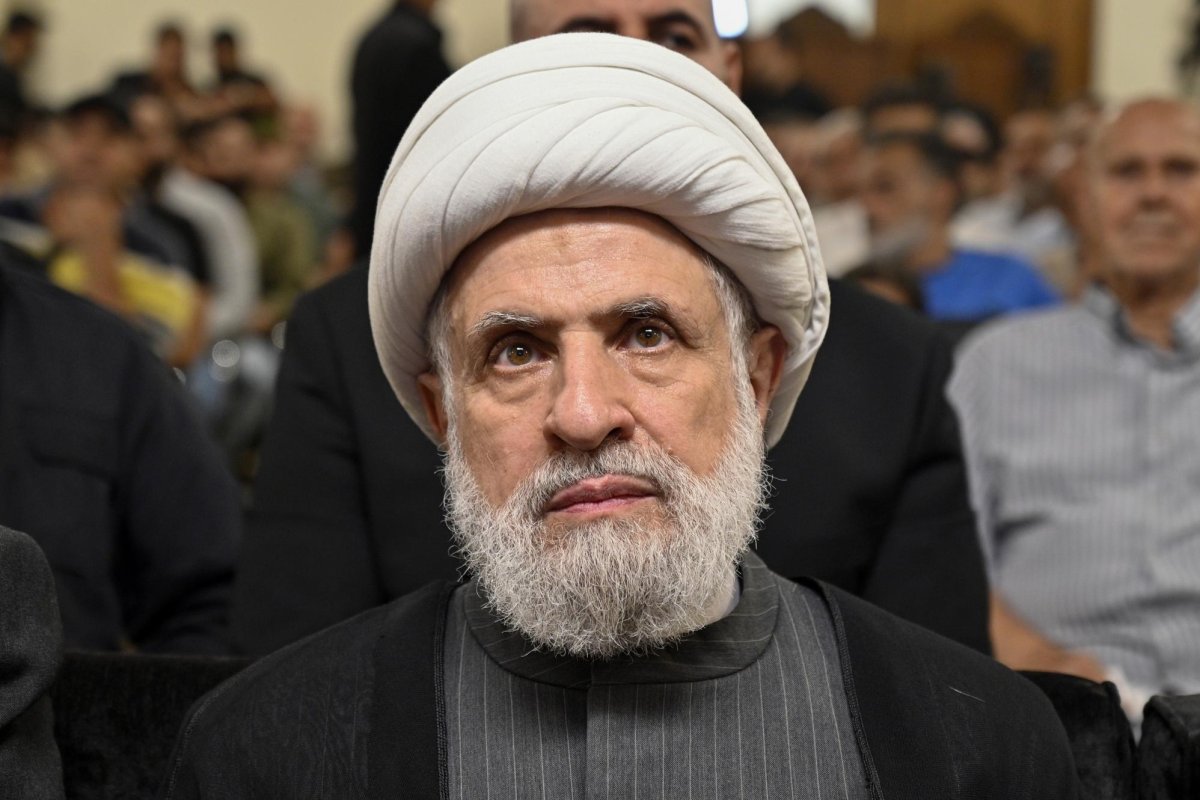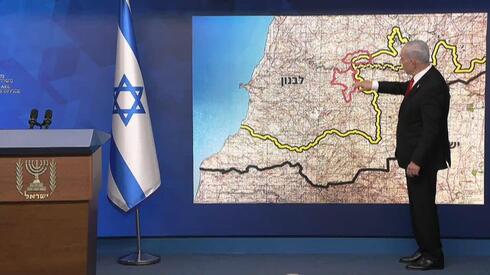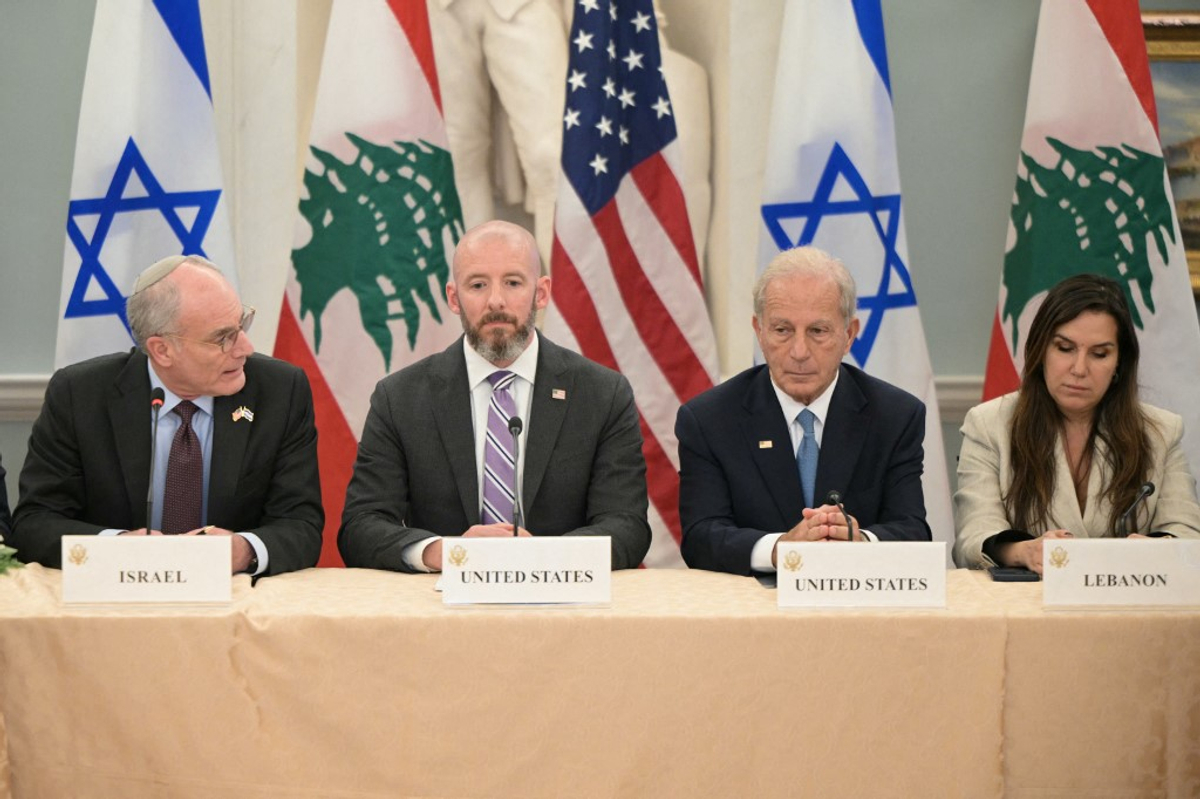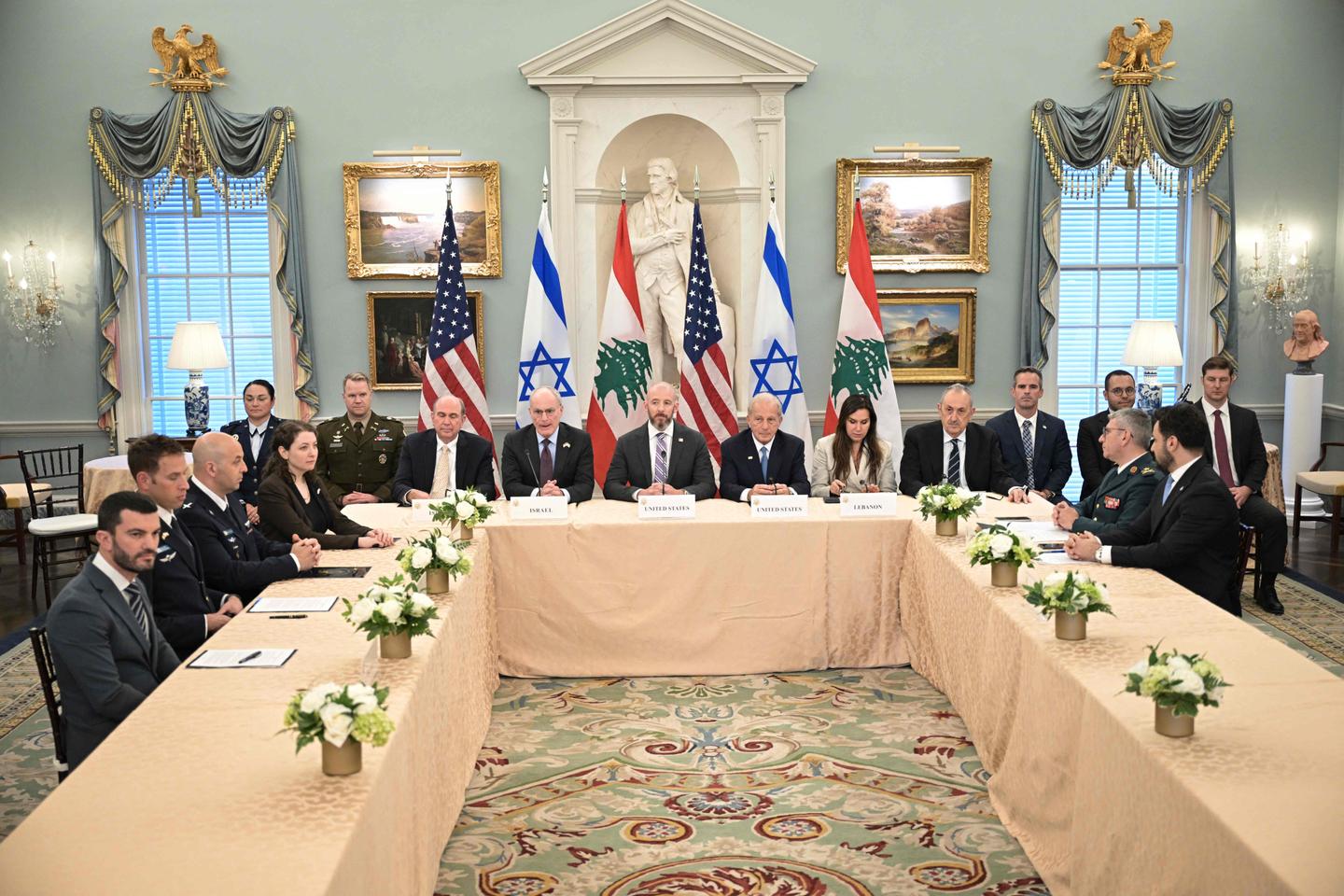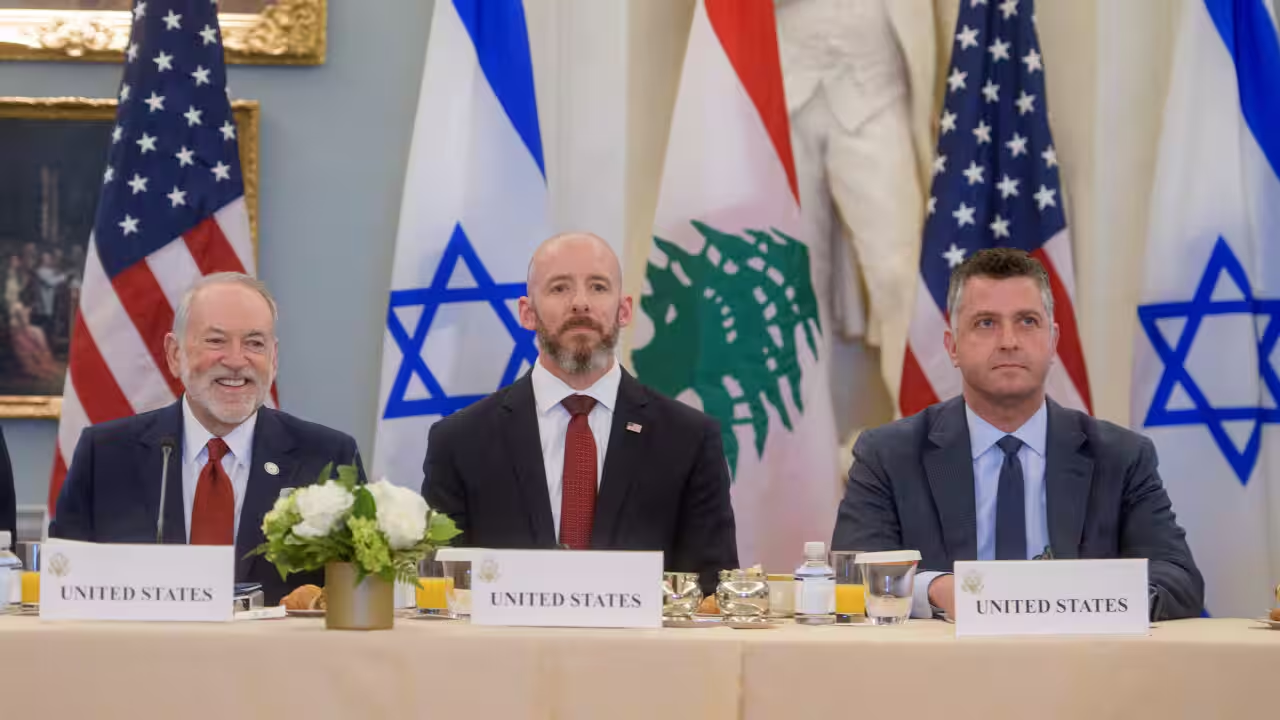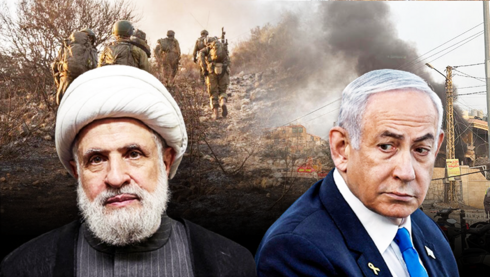
Ministers voice opposition to US-backed framework, but Netanyahu says there was no agreement to approve after Hezbollah leader Naim Qassem rejected the termsThe ceasefire framework was announced by the United States following Israeli-Lebanese talks in Washington. One of its central provisions called for Hezbollah to halt its attacks and withdraw from the area south of the Litani River.Hezbollah rocket lands in Shlomi, northern Israel (Video: from social media)Prime Minister Benjamin Netanyahu told ministers that Israel was still waiting for Hezbollah to formally accept the proposal.“At the moment there is no agreement,” Netanyahu said, according to participants in the meeting. “Hezbollah opposes it, and therefore I am not bringing it for a decision. If it agrees, I will bring it for your approval.”4 View gallery Hezbollah leader Naim Qassem, Prime Minister Benjamin Netanyahu (Photo: IDF, REUTERS/Amir Cohen)IDF Chief of Staff Lt. Gen. Eyal Zamir attended only the opening portion of the meeting and spoke little, according to officials familiar with the discussion.During the session, ministers were informed of the death of Capt. Eitan Shmuel Lamberg, an Armored Corps officer killed in southern Lebanon. The announcement strengthened opposition among some ministers to pursuing a ceasefire.4 View gallery Cabinet meeting in Shlomi, northern Israel (Photo: GPO)Energy Minister Eli Cohen argued that Israel should respond forcefully to such attacks. “We need to tell ourselves the truth,” Cohen said. “For incidents like these, we need to hit them hard.”Minister Ze’ev Elkin said Hezbollah’s rejection of the proposal demonstrated that the group was not interested in a ceasefire. “The other side does not want a ceasefire,” Elkin said. “We can wait a little longer, but we must respond.”4 View gallery Energy Minister Eli Cohen (Photo: Avi Moalem)Settlement and National Missions Minister Orit Strock called for changing the security reality along the border. “We need to move in that direction,” she said.Negev, Galilee and National Resilience Minister Yitzhak Wasserlauf also opposed the proposal, saying time was not working in Israel’s favor.4 View gallery National Security Minister Itamar Ben-Gvir (Photo: Shalev Shalom)National Security Minister Itamar Ben-Gvir urged Netanyahu to press for a tougher military response. “Go to the United States, take children from Kiryat Shmona and Metula with you,” Ben-Gvir told Netanyahu, according to participants. “Tell Trump: We love you, but we must strike Hezbollah’s vulnerable points in Beirut’s Dahieh district, and even if there is escalation, a ground maneuver is necessary. Our soldiers are more important.”Finance Minister Bezalel Smotrich, however, suggested that securing a ceasefire under the current circumstances would constitute a major achievement.IDF forces eliminate terrorists in Beaufort Ridge sector, southern Lebanon (Video: IDF)The debate came after Qassem publicly rejected the ceasefire understandings announced by Washington.In a speech Thursday, the Hezbollah leader condemned the proposed agreement, which would require the group to stop its attacks and withdraw north of the Litani River. “The result of the direct negotiations, which are humiliating and disgraceful, is rejected by broad segments of the Lebanese people,” Qassem said.He added that Hezbollah would not agree to any ceasefire while Israeli forces remain inside Lebanon. “The Washington declaration conditions the basic principles that America and Israel want as part of a project to subjugate Lebanon,” he said.Shortly after Qassem’s speech, air raid alerts warning of a hostile aircraft infiltration sounded across several communities in western Galilee.A drone later detonated near the northern border town of Shlomi, about 20 minutes after Netanyahu and Defense Minister Israel Katz had left the community following a meeting with local leaders. No injuries were immediately reported.
Israel holds off on Lebanon ceasefire after Hezbollah torpedoes US efforts
Ministers voice opposition to US-backed framework, but Netanyahu says there was no agreement to approve after Hezbollah leader Naim Qassem rejected the terms
579 words~3 min read