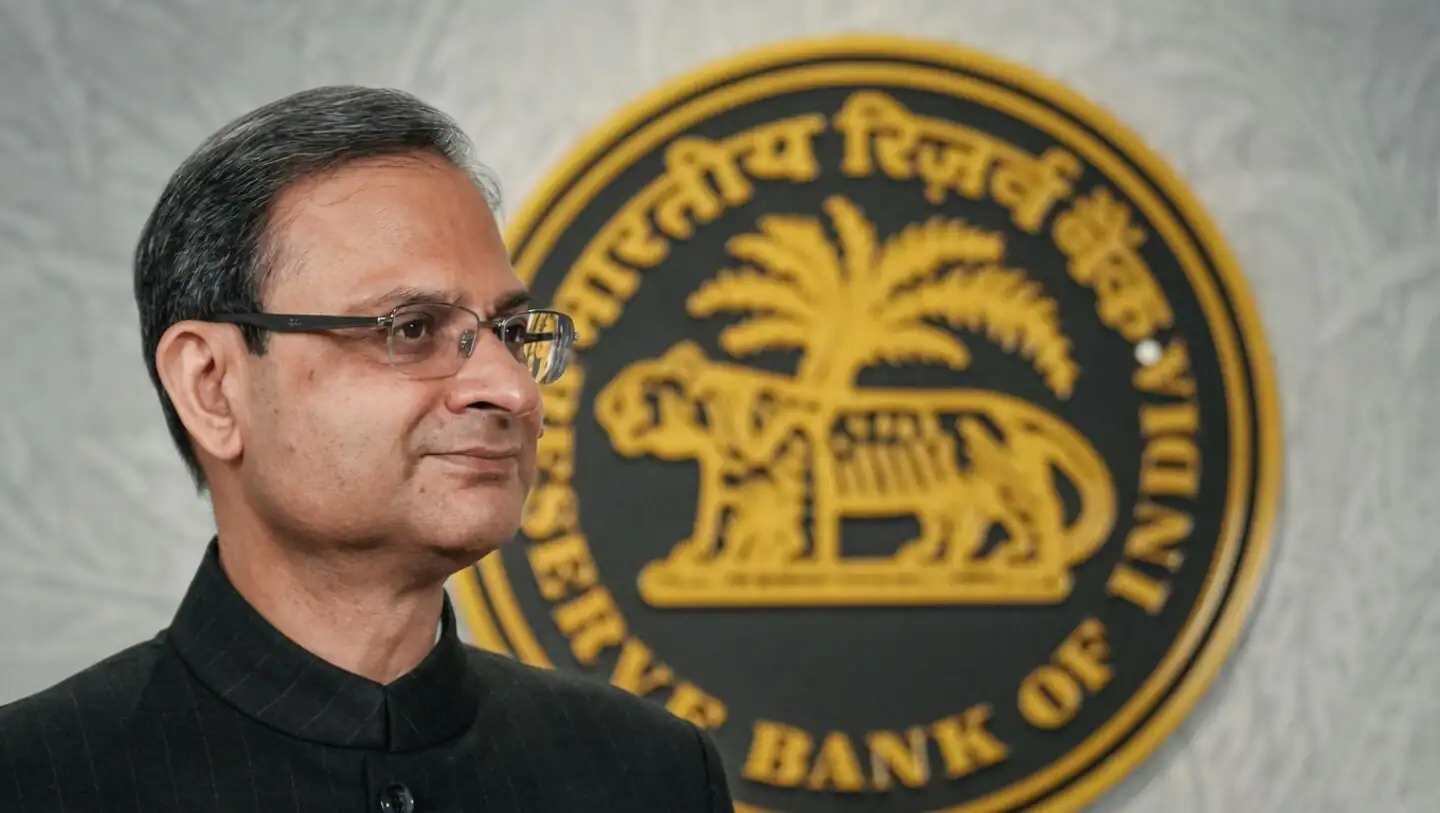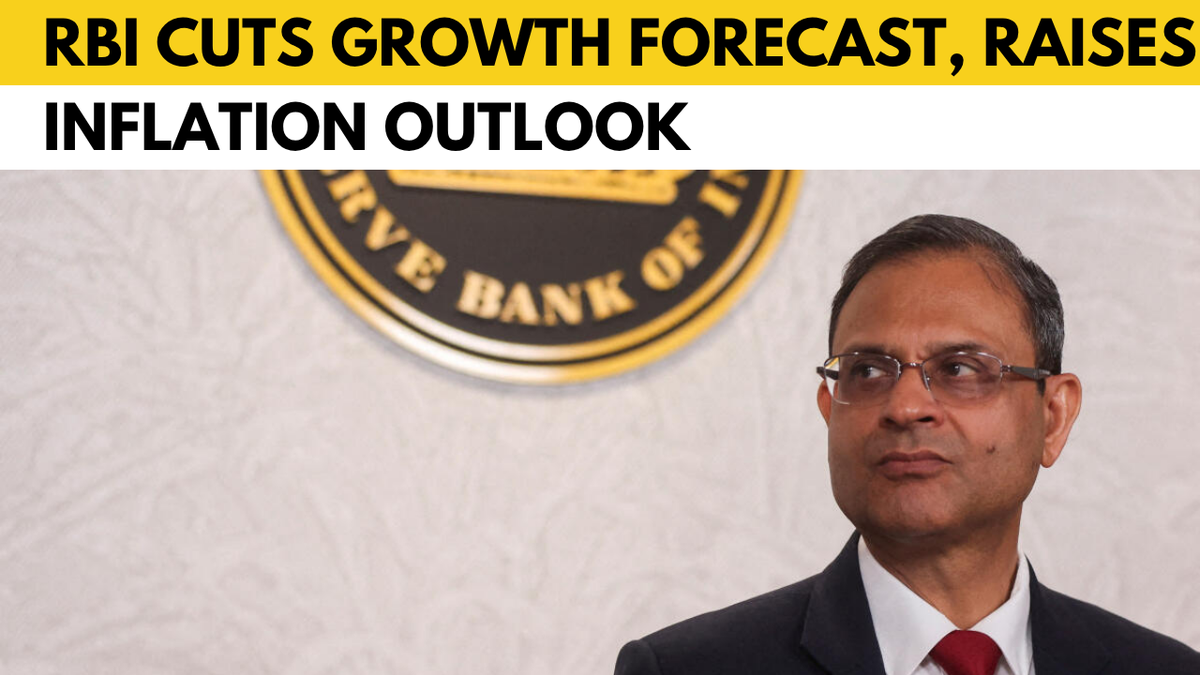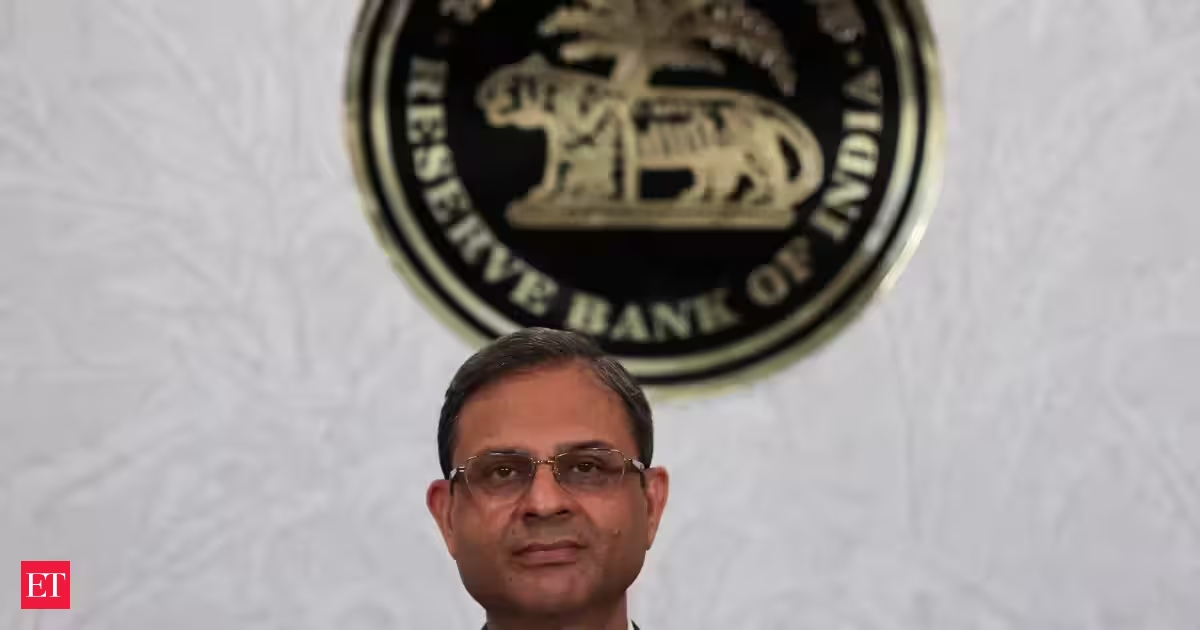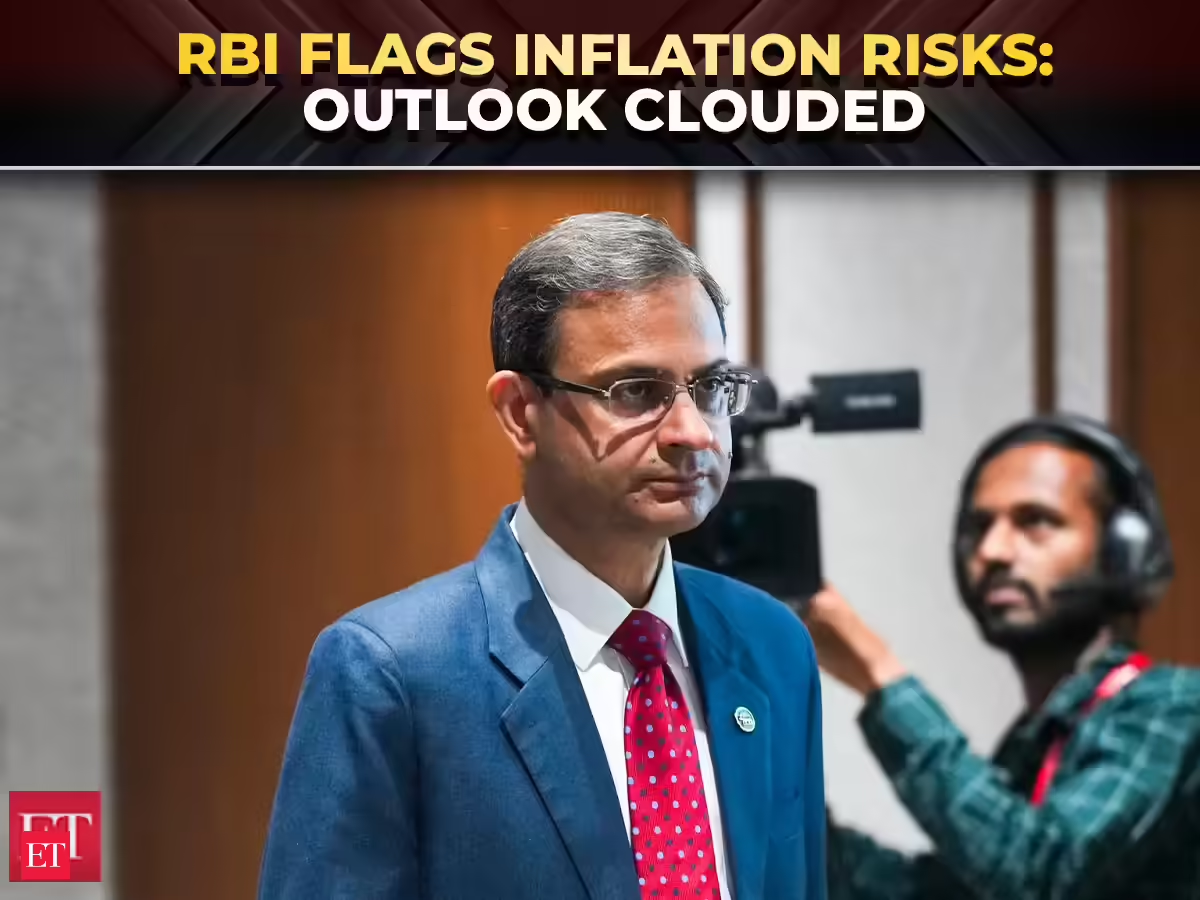
The Reserve Bank of India in Friday's monetary policy review revised its inflation forecast upward for FY27, reflecting the sharp uptick in food prices and retail inflation readings amid the ongoing West Asia crisis.Amid global uncertainties, the RBI has projected consumer price inflation (CPI) at 5.1% for FY27, up from 4.6% estimated in the April policy review.For the four quarters of FY27, the Monetary Policy Committee (MPC) projected inflation at 4.2% in Q1, 5.1% in Q2, 5.9% in Q3 and 5.4% in Q4, with risks evenly balanced. The RBI also raised its core inflation forecast for FY27 to 4.7% from 4.4% earlier.RBI MPC: Catch all live updates"CPI inflation remains below the target, despite global shock, as the pass through to domestic prices has been limited, while the baseline projections point towards headline inflation firming up towards the upper tolerance level in Q3 this year. Underlying inflation pressures continue to remain benign," Malhotra said. The governor, however, cautioned that the outlook remains vulnerable to several uncertainties. "These forecasts, I may mention, are subject to upside risks due to heightened uncertainty because of a variety of reasons, namely supply chain disruptions, global commodity price shocks, uncertainty about the spatial and temporal distribution of the southwest monsoon, and risks from El Niño conditions getting developed," he said.As expected by several economists the central bank decided to pause the repo rate with XX stance amid emerging risks from higher crude oil prices, supply-chain disruptions and weather uncertainties, further complicating the inflation outlook in the second half of the year.Retail inflation eased to 3.48% in April, remaining comfortably below the RBI's 4% target, while food inflation rose. The moderation has given policymakers room to focus on supporting economic growth after spending much of the past four years battling elevated inflation triggered by the pandemic, the Russia-Ukraine war and global commodity shocks.The expected revision would reinforce the view that inflation is once again becoming an immediate challenge like it was during former governor Shaktikanta Das' tenure, when the central bank raised the repo rate by 250 basis points between May 2022 and February 2023 to curb price pressures.Also Read: RBI MPC- A challenge Shaktikanta Das contained may be resurfacing againThe central bank acknowledged that while current inflation remains under control, risks are beginning to shift upward. The recent escalation of tensions in West Asia has pushed crude oil prices higher and revived concerns over supply disruptions through the Strait of Hormuz, a key route for global energy trade.For India, which imports more than 85% of its crude oil requirements, a sustained rise in oil prices can quickly feed into transportation costs, manufacturing expenses and household budgets.After touching a low of 2.74% in January, retail inflation has edged up for three consecutive months. Meanwhile, wholesale inflation has accelerated to 8.3% in April, fuel and power inflation has surged and input cost pressures are beginning to reappear across parts of the economy.The RBI is expected to underline that monetary policy cannot directly offset oil supply disruptions. Instead, its focus will remain on preventing second-round effects, where higher fuel and input costs spill over into broader inflation.Another factor that featureed in the RBI's assessment is the monsoon outlook.The India Meteorological Department has lowered its southwest monsoon forecast and warned that El Niño conditions could develop during the season. A weaker monsoon would raise concerns over farm output and food prices, potentially reversing some of the gains achieved on the inflation front.
RBI Inflation FY2026-27: The inflation battle is back as RBI raises FY27 forecast to 5.1% amid West Asia war
RBI Inflation 2026-27 Forecast: The Reserve Bank of India has raised its inflation forecast for fiscal year 2026-27. This revision reflects rising food prices and ongoing global uncertainties. The central bank has paused its repo rate decision. Higher crude oil prices and supply chain issues are complicating the inflation outlook. A weaker monsoon also poses a risk to food prices.
572 words~3 min read