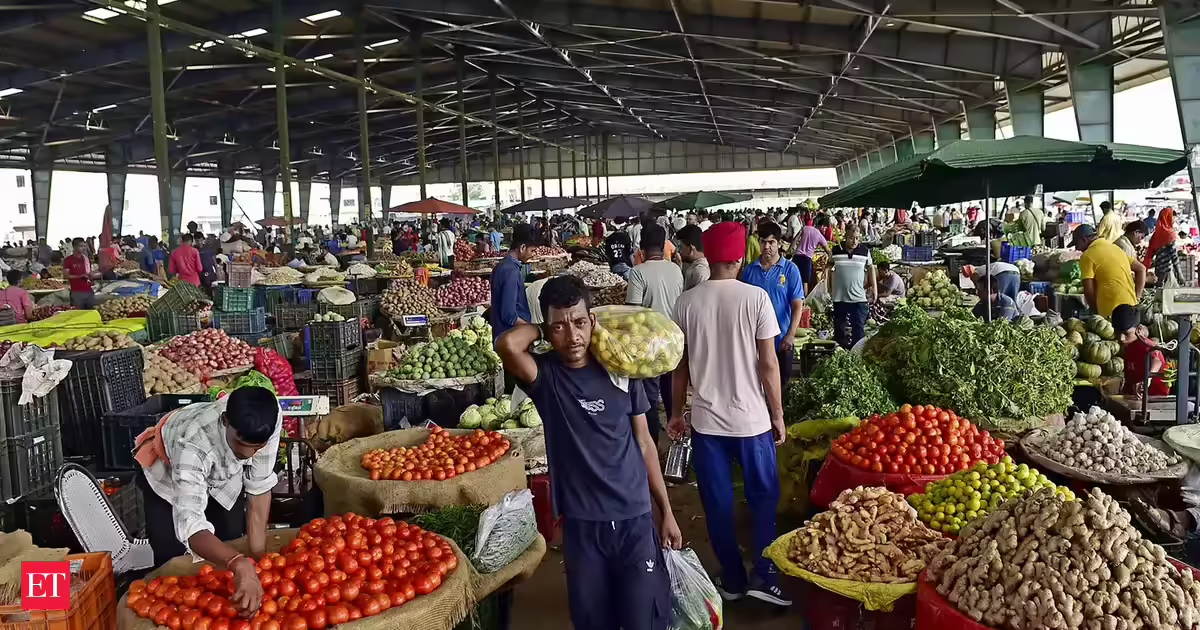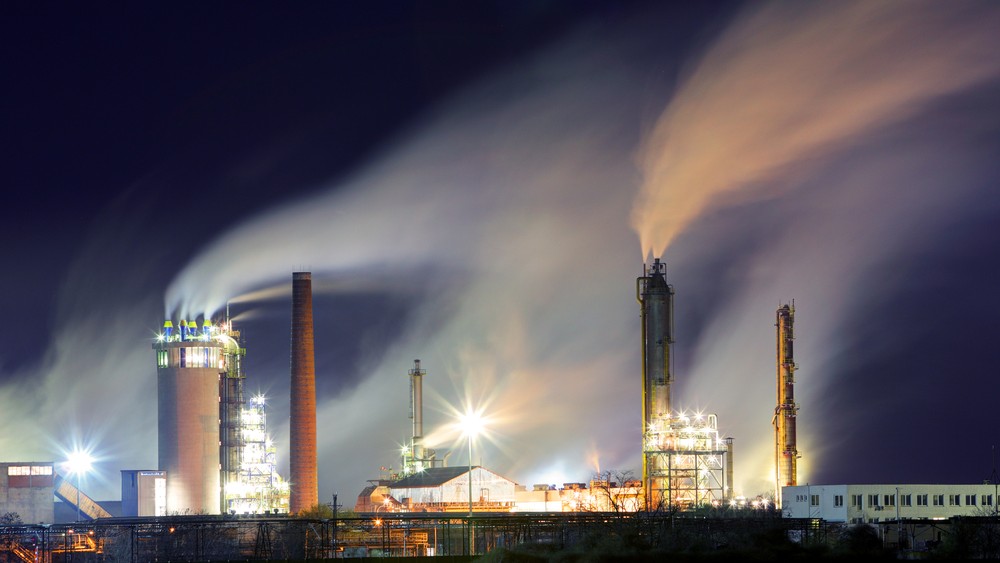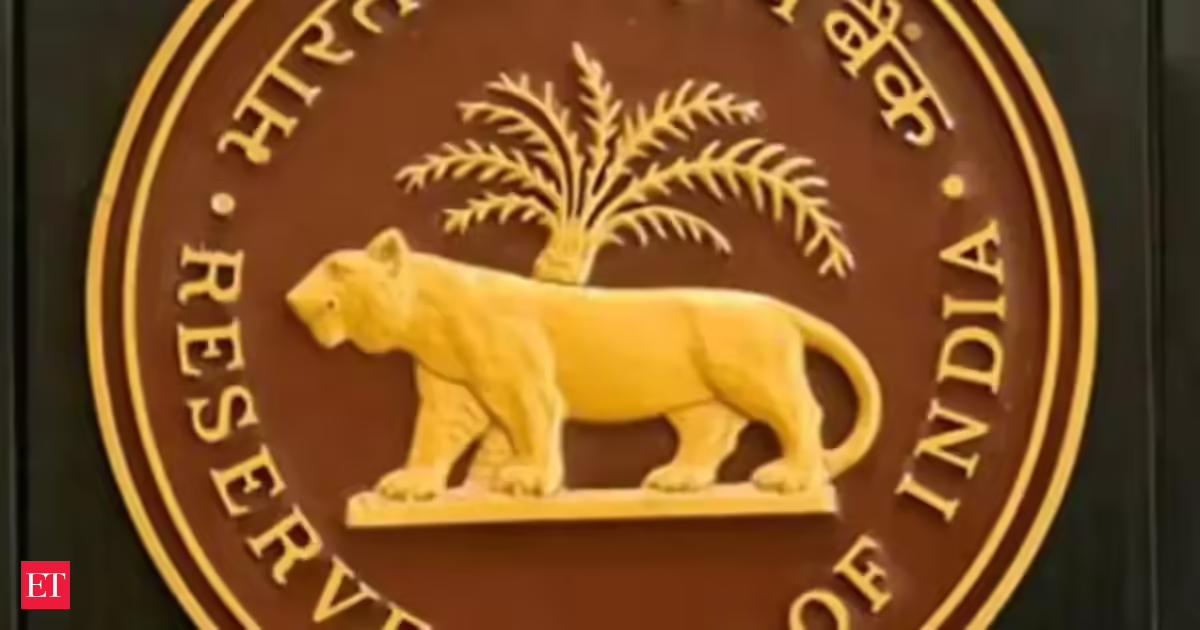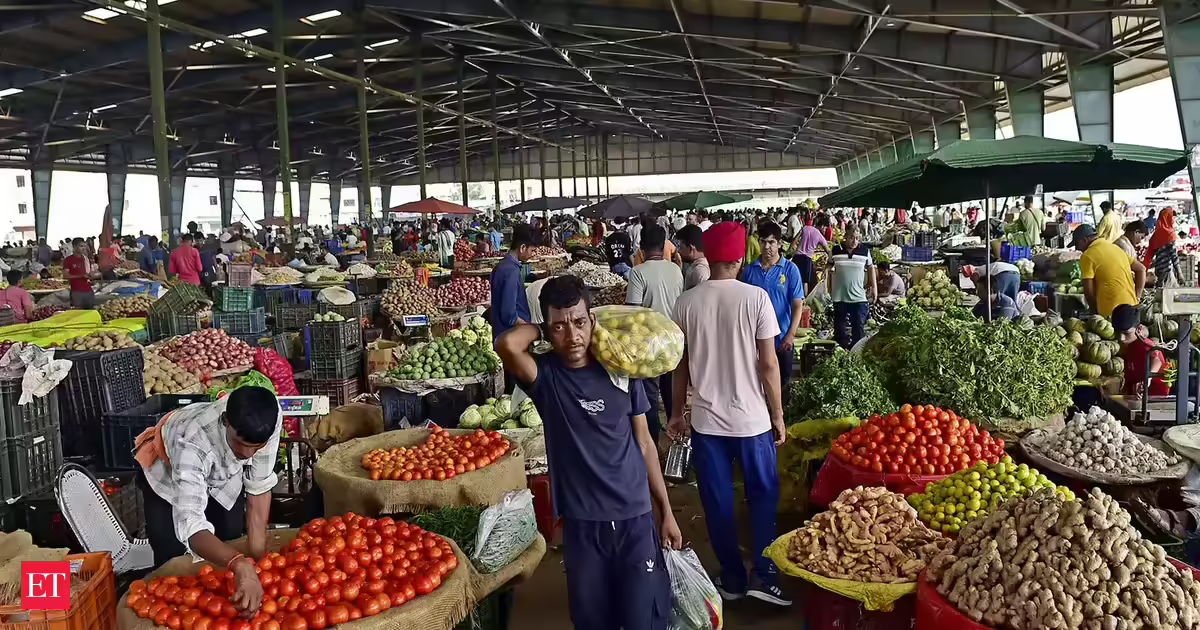
India's CPI inflation is expected to rise by around 70 bps to 4.8 per cent with crude oil averaging USD 90/bbl in FY27, according to a report by 360 ONE Capital.This projection comes as the ongoing conflict in West Asia and a downgraded domestic monsoon forecast introduce fresh challenges to India's macroeconomic trajectory.The report noted that the conflict in West Asia and the resulting energy supply disruptions warrant a reassessment of key macroeconomic assumptions."Our revised base case assumes de-escalation by mid-June, with crude oil averaging $90/bbl in FY27. Under this scenario, CPI inflation is expected to rise by around 70 bps to 4.8 per cent (from 4.1 per cent), while GDP growth moderates to 6.3 per cent (from 6.7 per cent). The fiscal deficit is projected to widen to 4.6 per cent of GDP (from 4.4 per cent), and the current account deficit to 2.1 per cent of GDP (from 1.3 per cent)," the report stated.The report noted that India's economic momentum remains stable due to domestic consumption and public spending, but geopolitical frictions pose tangible downside risks.Supply routes through the Strait of Hormuz are particularly vital, as India sources nearly 50 per cent of its LPG and around 30 per cent of its natural gas requirements through this route.Even though the "net petroleum import bill has declined from 5.5 per cent of GDP in FY14 to around 3.0 per cent in FY25, the economy remains exposed to a prolonged disruption in energy supplies."On the monetary front, global financial conditions continue to tighten as central banks react to persistent inflationary impulses.While the Reserve Bank of India is expected to keep policy rates unchanged in the upcoming meeting, domestic bond yields face upward pressure from a widening fiscal deficit and higher energy costs.The report mentioned that the impact on macroeconomic variables is likely to be non-linear, implying significantly larger downside risks if the conflict persists."A further $10/bbl increase in crude prices above our base assumption could push inflation to 5.6 per cent (assuming a partial pass-through of around 5 per cent to retail fuel prices), lower GDP growth by an additional 40 bps to 5.9 per cent, widen the current account deficit to 2.5 per cent GDP, and increase the fiscal deficit to 4.8 per cnet of GDP," the report added.Compounding these external geopolitical risks, the domestic agricultural outlook faces unexpected pressure. In its Second Long Range Forecast, the IMD downgraded the Southwest Monsoon 2026 forecast to 90 per cent of the Long Period Average (LPA) from 92 per cent estimated in April.This development represents the weakest monsoon outlook since 2015, which raises immediate concerns over overall agricultural output and rural demand.In the global perspective, the IMF has lowered its 2026 global growth forecast by 20 bps, citing risks from the Middle East conflict through higher commodity prices, inflation, and tighter financial conditions.The report stated that under the IMF's reference scenario, "global growth is projected at 3.1 per cent in 2026 and 3.2 per cent in 2027, below both the recent 3.4 per cent pace and the historical average of 3.7 per cent.In adverse scenarios, growth could slow to 2.5 per cent or even 2.0 per cent, accompanied by significantly higher inflation, with emerging markets expected to be disproportionately affected."Published on June 2, 2026
India's CPI inflation expected to rise to 4.8% in FY27: 360 ONE Capital
Even though the "net petroleum import bill has declined from 5.5% of GDP in FY14 to around 3.0% in FY25, the economy remains exposed to a prolonged disruption in energy supplies
TL;DRAI
India's CPI inflation forecast rises to 4.8% in FY27 per 360 ONE Capital, with crude $90/bbl amid West Asia conflict and monsoon weakness (90% LPA). GDP slowdown to 6.3% and wider fiscal deficit signal higher outsourcing costs and rupee risk—critical for IT vendor economics and India-based operations.
543 words~2 min read