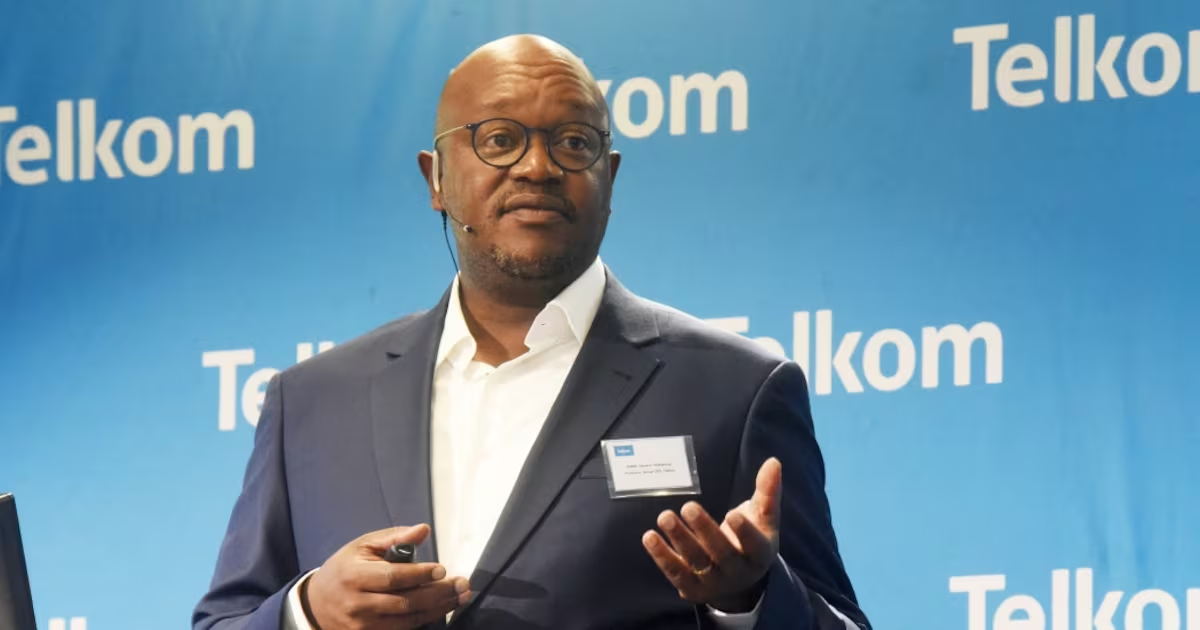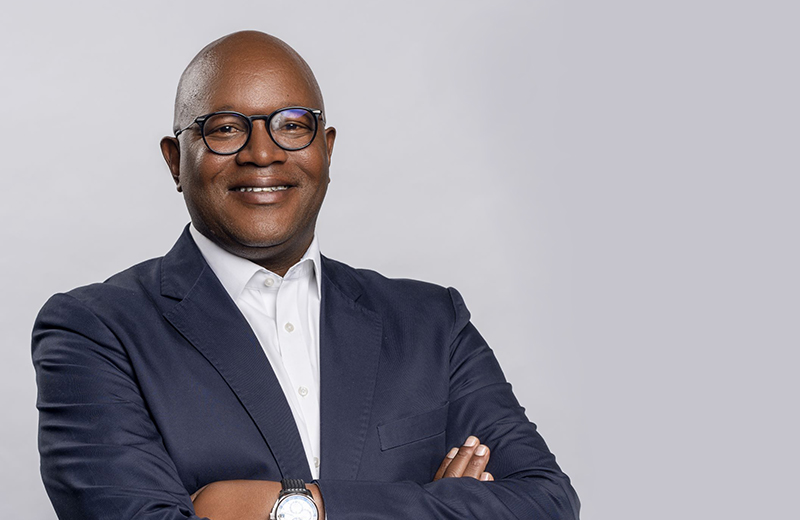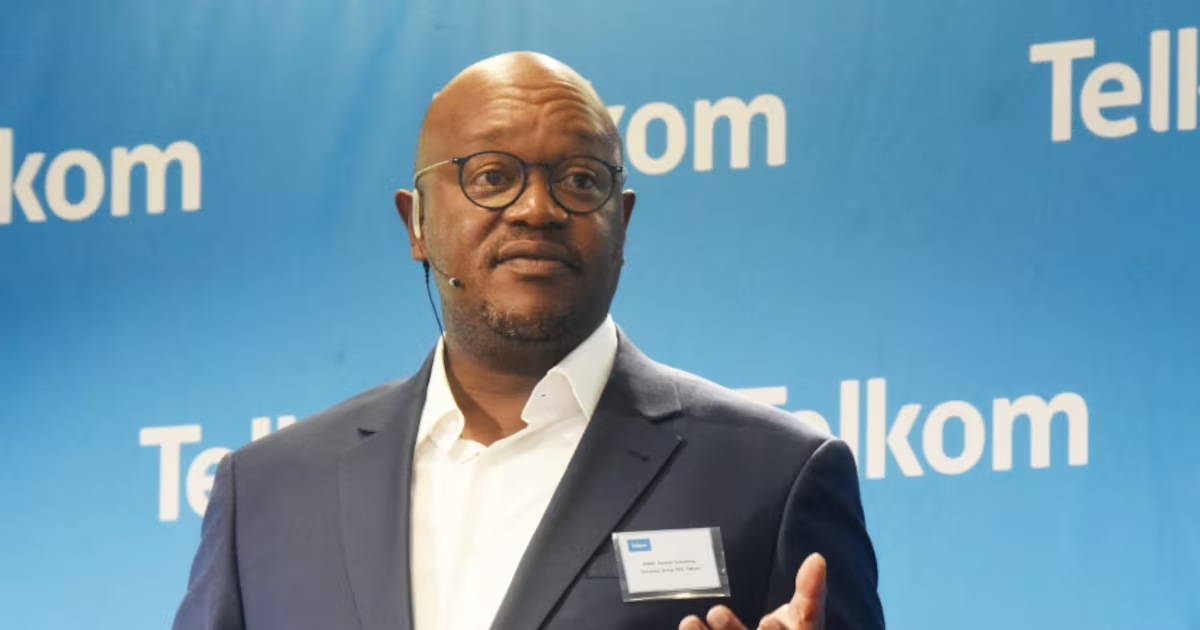
Telkom boss Serame Taukobong says the state-affiliated telecoms operator is well placed to capitalise on the growth in digital infrastructure demand, now being driven by AI. Growth in the digital infrastructure sector has been underpinned by the advent of cloud computing over the past decade and a half, presently benefitting from the demand created by the AI boom.While in the past data processing was mainly done through data centres, new approaches by the likes of Oran Development Corporation (ODC) and Nvidia technology now enable mobile operators to integrate AI directly into the radio control loop, allowing cellphone towers to perform real-time computing tasks.Rival MTN is among a group of investors, including Cisco, Nokia and AT&T that have backed ODC and its technology, underscoring the growing interest for alternatives to large data centre builds. (Dorothy Kgosi) According to Taukobong, Telkom’s large trove of digital infrastructure puts it in a strong position to take advantage of the new trends. In an interview with Business Day, he highlighted Sandton’s large concentration of banks and supermarkets to illustrate. Demand in those ecosystems is for low latency, he said. Latency refers to the speed with which signals and data travel. In Taukobong’s view, a key to cutting latency is boosting edge data centre capability. Unlike their large warehouse-sized counterparts, edge data centres are smaller facilities that bring computing closer to users to reduce the distances that data has to travel, in turn helping to cut latency.“If you’re looking for [better] latency and therefore edge data centre capability, that’s what we believe in Telkom we have. Not only do we have the 10 data centres that we manage,” there is also “the legacy ecosystem, which was the old Telkom/Openserve switches”, said Taukobong. “Within a 2km or 3km radius of this [Sandton] precinct, there are four or five of them, which is the ecosystem that will support [the] edge data infrastructure. “What underpins that? Fibre and power. That is a future-proof ecosystem,” he said, referring to the fact that Telkom has South Africa’s largest network of fibre optic cable at more than 170,000km through its Openserve business. This also comes while large data centre projects in the US and Europe are being scaled back. While mobile operators contemplate a future of AI computing being done at cellphone towers, the likes of Elon Musk see a future in which data centres could be in the sky. Musk sees an opportunity to turn his constellation of low Earth orbiting satellites, Starlink, into facilities that can also process data, thus reducing reliance on land-based facilities.Whatever the case, “it’s not the massive 5GW data centres; it’s the distributed data ecosystem” that Telkom and others see as a real opportunity, Taukobong said. ‘Fibre connectivity’“But before you get there, the first key driver is connectivity. Not microwave connectivity. Fibre connectivity. Even if you’re going to be building AI ecosystems in towers, what do you need for that? Fibre.” In that Taukobong sees opportunity for Openserve, both for “last-mile” fibre to homes and businesses, as well as for backhaul, which connects cellphone towers to their core networks. “So, we’re actually encouraged by people putting AI ecosystems in towers, because that means it’s an upsell for Openserve.” Globally, there is a push for data centres to be built close to where most data originates. Data sovereignty and residency refer to the idea that information from local companies and governments does not have to leave the country’s borders to be processed. The issue has grown in importance alongside the growth of cloud computing, where data is processed in large data centres that are often away from an organisation, in many cases in another country. With much of the AI processing for platforms such as OpenAI’s ChatGPT, Google Gemini and Anthropic’s Claude being done “in the cloud”, discomfort among many nation-states has grown over where and how sensitive personal information is being processed.
Telkom’s Taukobong sees big opportunity in AI infrastructure
Telkom boss underscores growing interest for alternatives to large data centre builds
646 words~3 min read