Story audio is generated using AI
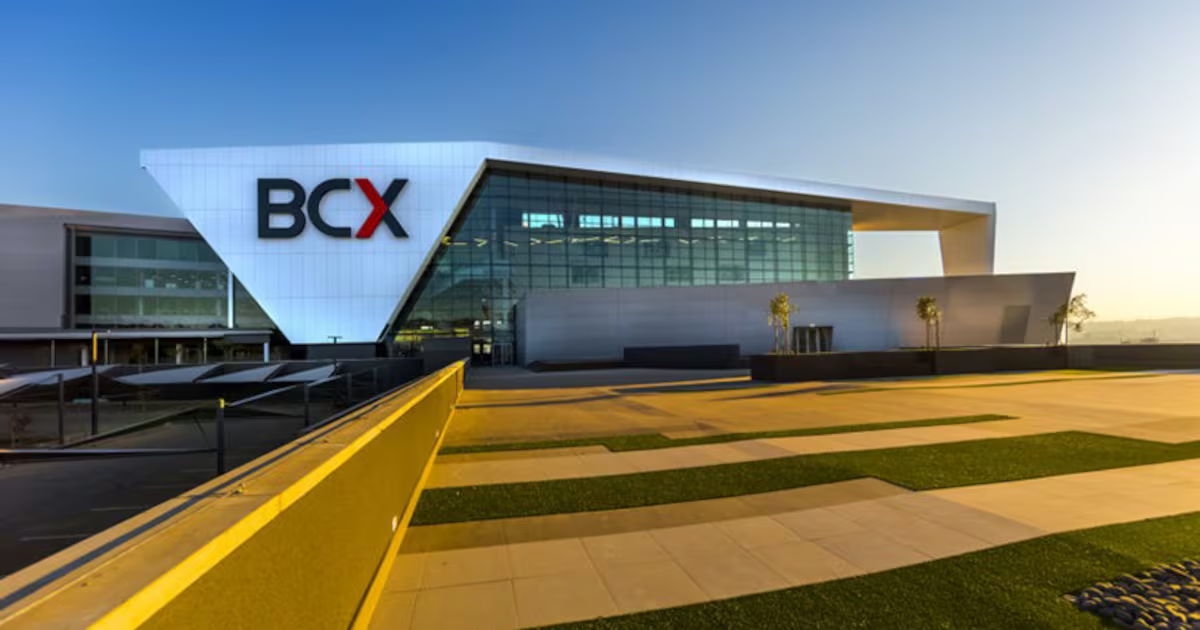
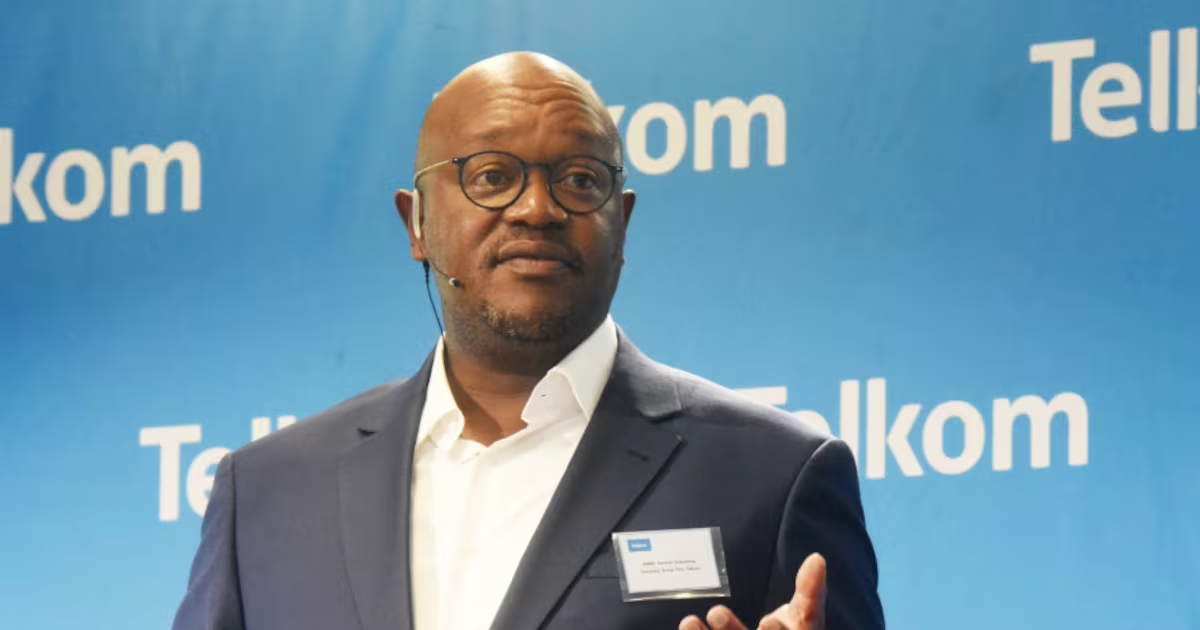
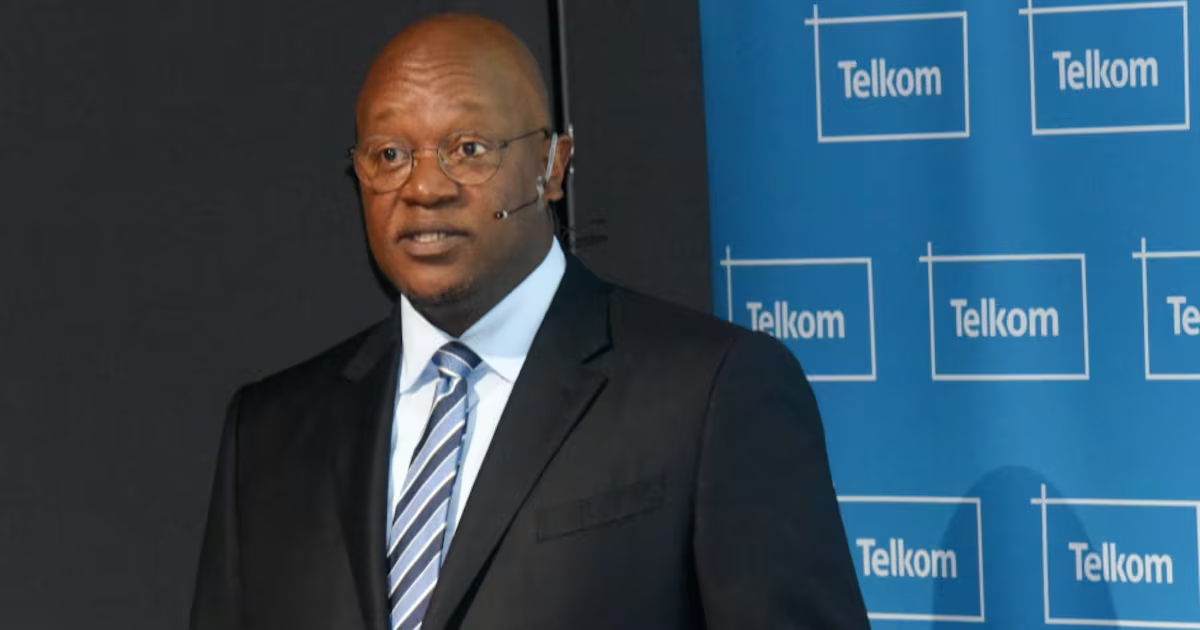
Telkom sees value in holding on to its IT services business BCX, even as such businesses are facing lower spend and tightening margins. According to Telkom boss Serame Taukobong, BCX’s alignment with the group’s broader digital infrastructure differentiates it from rivals facing the same challenges. In recent years, margins for legacy IT services have come under pressure due to high costs for labour and hardware and lower spending by corporates. By comparison, platform businesses appear to be doing much better on this score. Altron’s recent earnings report illustrates this dynamic. For the financial year ended February, Altron’s IT services segment had an earnings before interest, tax, depreciation and amortisation (ebitda) margin of 5.3% while platforms had a much healthier 41.4%. (Dorothy Kgosi) Aventis Advisors, which has reviewed more than 6,000 mergers & acquisitions deals in the sector, identifies ebitda margins of 10%–15% as “healthy” for IT services firms. For BCX, which accounts for a third of Telkom’s revenue, this metric came in at 9.4% for the year to end-March. “When people say, ‘Well, exit BCX,’ we say, hold on. I don’t want to be that guy … five or six years [down the line] … [and people ask] who was the idiot who sold BCX? Because that is the enabler of our digital ambitions,” said the Telkom group head. While performing, this business only offers low margins, but Telkom is comfortable with this situation as it creates opportunities to sell higher-margin products and services to customers. Total revenue declined 7.6% to R11.4bn, mainly due to the shift from legacy voice that carries higher margins. Yet, Taukobong is upbeat about the unit’s prospects. “If you look at BCX in its competitive set and peers, the published margins sit in the range of 4%-5%. BCX is sitting at 9%. Why is that? That’s the key thing of the One Telkom approach. The unique differentiator that BCX has is it sits on top of connectivity,” he said in an interview. Taukobong’s view is that growth in BCX’s IT solutions business can help to drive higher recurring revenue and margins. “With the connectivity on board, we can then go for the high-connectivity, high-margin IT solutions,” he said, highlighting that across the industry, companies are looking for ways to shift away from the high-cost, low-margin model. “Where we have our own IP [intellectual property] in cloud, cybersecurity, [and so on] … if it sits on top of a good connectivity proposition, that’s where we can start to extract value. That’s why BCX is sitting at that higher end of the low-margin ecosystem. That’s a big differentiator,” Taukobong said. Without making these changes, the former MTN Ghana CEO expects the low-margin status quo to remain. “That’s the nature of that business [and] it will sit there. That’s the mental mind shift we’ve had to do. BCX is not mobile,” he said. “But also understand the value of BCX,” Taukobong said, making the case that “there’s a high cash conversion rate because the clients do pay. And once we get a nice mix of annuity-type propositions we’ve got far better certainty.“And if you look at where the spend is coming from. Yes, everyone’s talking AI, but IT and solution spend is still the biggest spend out of the total pie.”In the period, overall BCX income was helped by 21.1% growth in cybersecurity services reflecting “sustained client demand for advanced threat management, advisory and network protection services”.