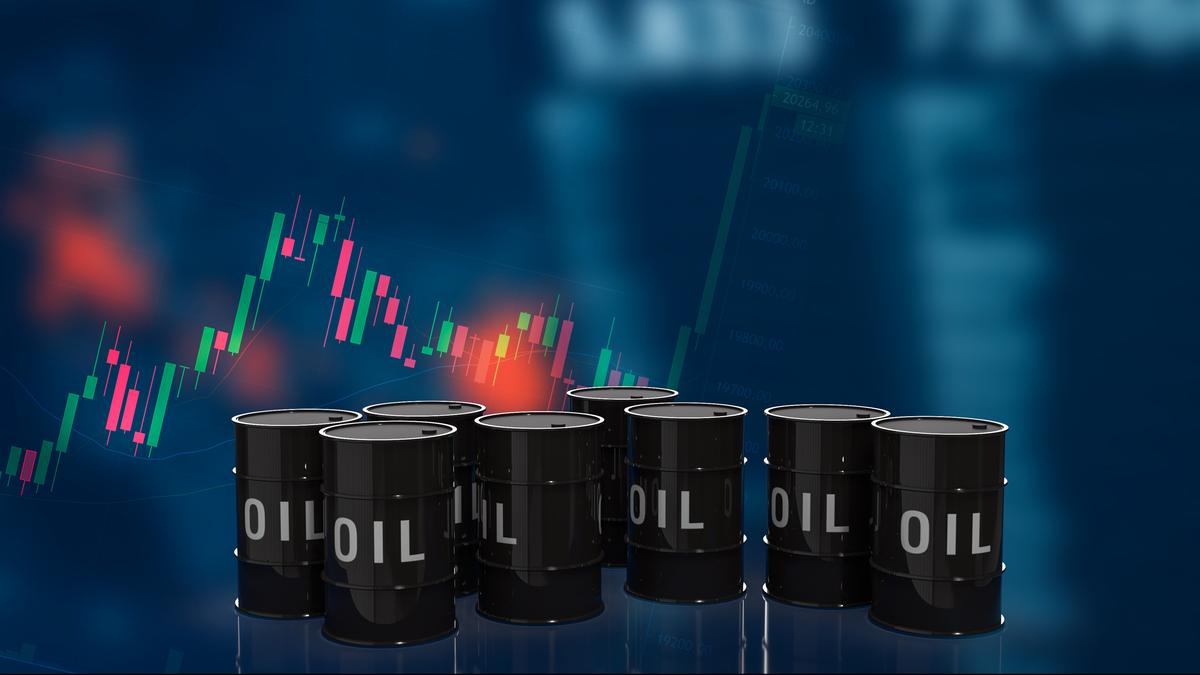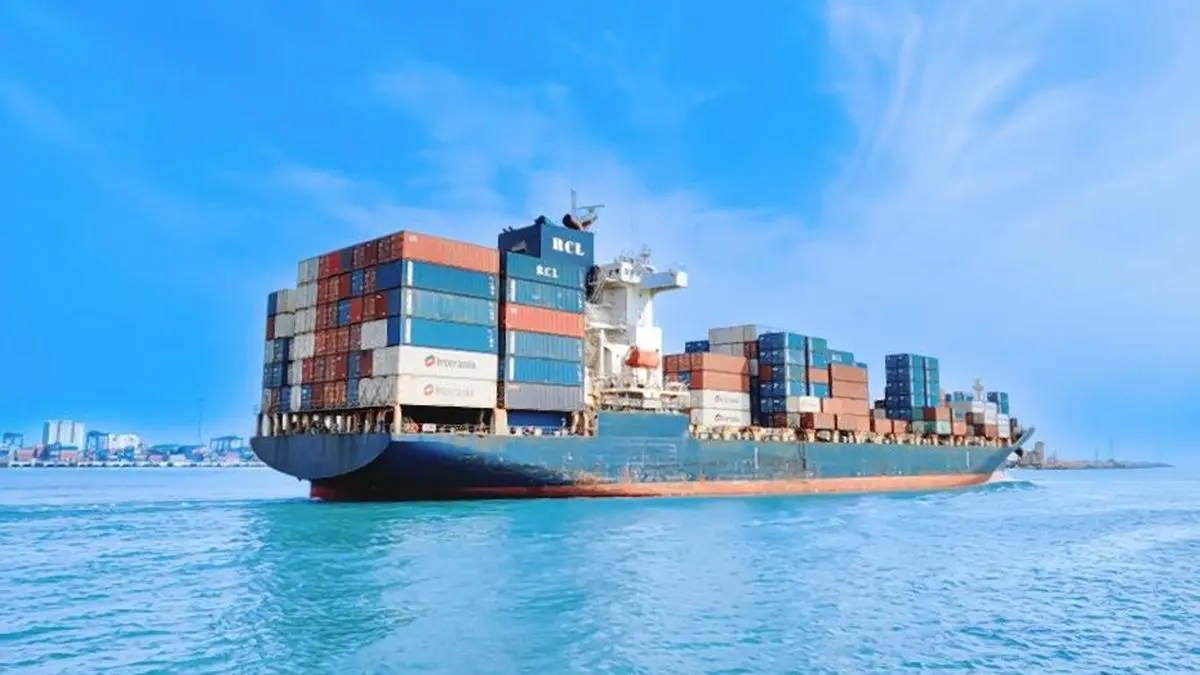
The restoration of trade patterns to pre-West Asia conflict levels might take time till late-2026, even if shipping through the Strait of Hormuz normalises by June, the Union finance ministry told the parliamentary standing committee on finance on Thursday. The ministry said that 70% of the country’s current crude imports come from outside the gulf region, signalling its diverse options.West Asia conflict’s economic impact may linger till 2027: Finance ministry“Even if shipping flows through the Strait of Hormuz begin to normalise in late May or June, the restoration of pre-conflict production and trade patterns may extend well into late 2026 or early 2027. Thus, elevated energy prices, supply-chain pressures and financial market volatility are likely to remain in the global economic landscape in the near term,” the ministry said during the panel meeting.The ministry maintained that looking ahead, the global outlook remains highly contingent on developments in the Strait of Hormuz and the pace of restoration of the gulf’s energy infrastructure.Led by BJP lawmaker Bhartruhari Mahtab, the panel met to discuss the general economic situation of the country. The ministry said that India is not insulated from the global upheavals. Meanwhile, it listed several policy steps taken by the government and pointed out that nearly three months into the conflict in West Asia, “its adverse effects are becoming increasingly visible across multiple areas, including elevated energy prices, supply-chain disruptions, rising inflationary pressures and tightening financial conditions”.“The extent of their (conflict) impact in the near term, however, would depend critically on the strength of domestic macroeconomic fundamentals and the policy buffers available to absorb external shocks,” the ministry said.However, the government said India’s external position provides an additional layer of resilience. “Steady growth in merchandise and services exports ensured that the current account deficit as a percentage of GDP remained modest at 1.1% in FY26 (April-December). The strengthened external position is also reflected in foreign exchange reserves of US$ 681.4 billion (22 May 2026), providing import cover of about 10.5 months”, it told the panel.But the ministry also admitted that some of the pressures emanating from the evolving global environment are beginning to show early signs of transmission into domestic economic activity.“The most immediate channel through which global developments are being transmitted to the domestic economy is through rising input costs. India’s crude oil basket price increased sharply from USD 63.1 per barrel in January 2026 to USD 106.8 per barrel in May 2026 (up to 28 May). Since India imports the bulk of its crude oil requirements, such an increase inevitably has implications for inflation, the current account balance and public finances. In addition, global prices of fertilisers, metals and other industrial inputs have also firmed up, contributing to cost pressures across sectors.”The ministry noted that the global economy “continues to navigate an extended period of heightened uncertainty.”It pointed out that reflecting these pressures, the Global Supply Chain Pressure Index rose in April 2026 to its highest level since late 2022, driven by rising transportation costs, delivery bottlenecks, shortages and precautionary inventory accumulation.
West Asia conflict’s economic impact may linger till 2027: Finance ministry
The Union finance ministry predicts a slow return to pre-conflict trade levels by late 2026, despite normalizing shipping in the Strait of Hormuz. | India News
503 words~2 min read