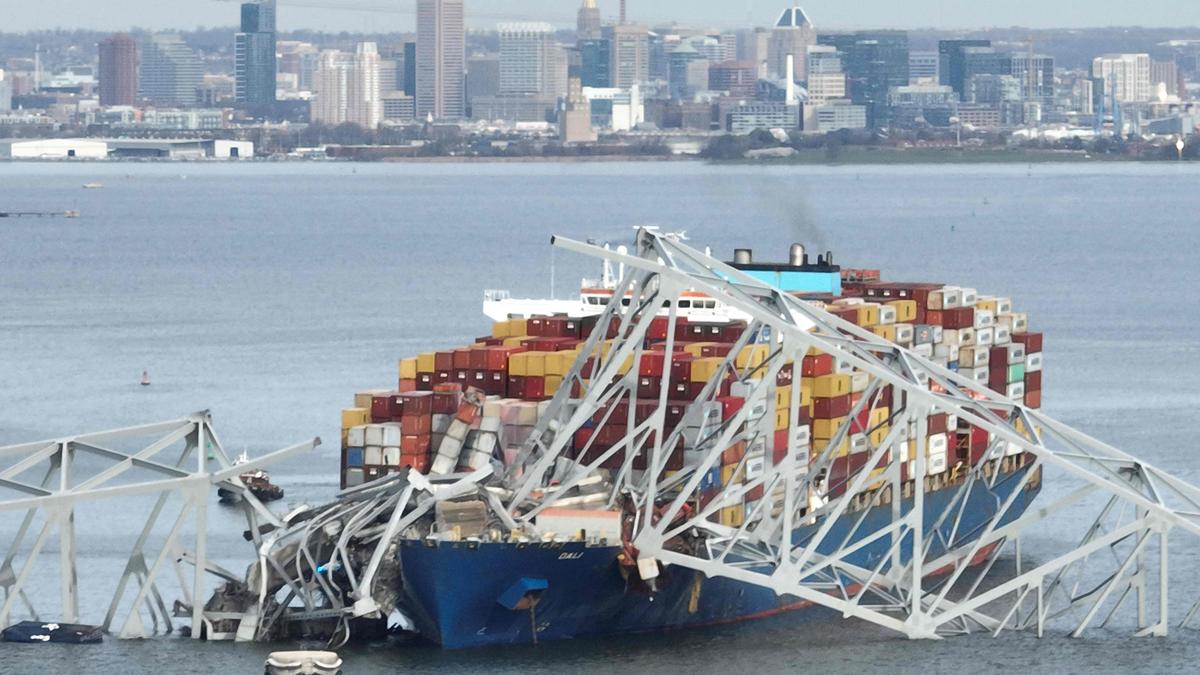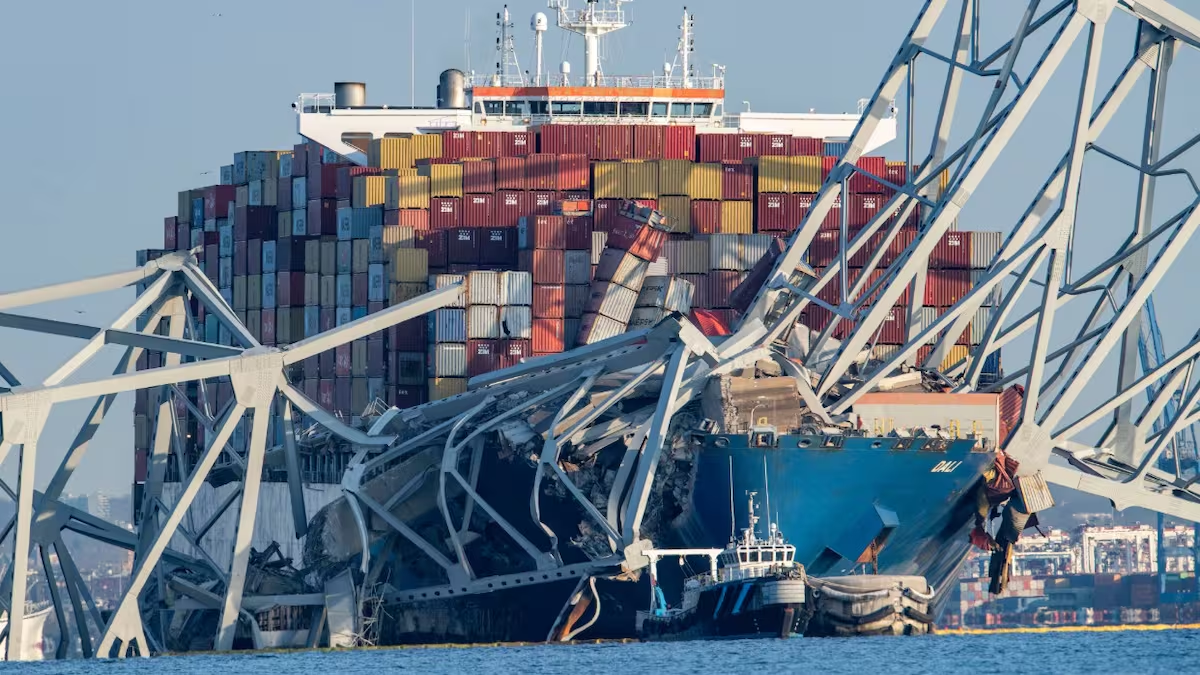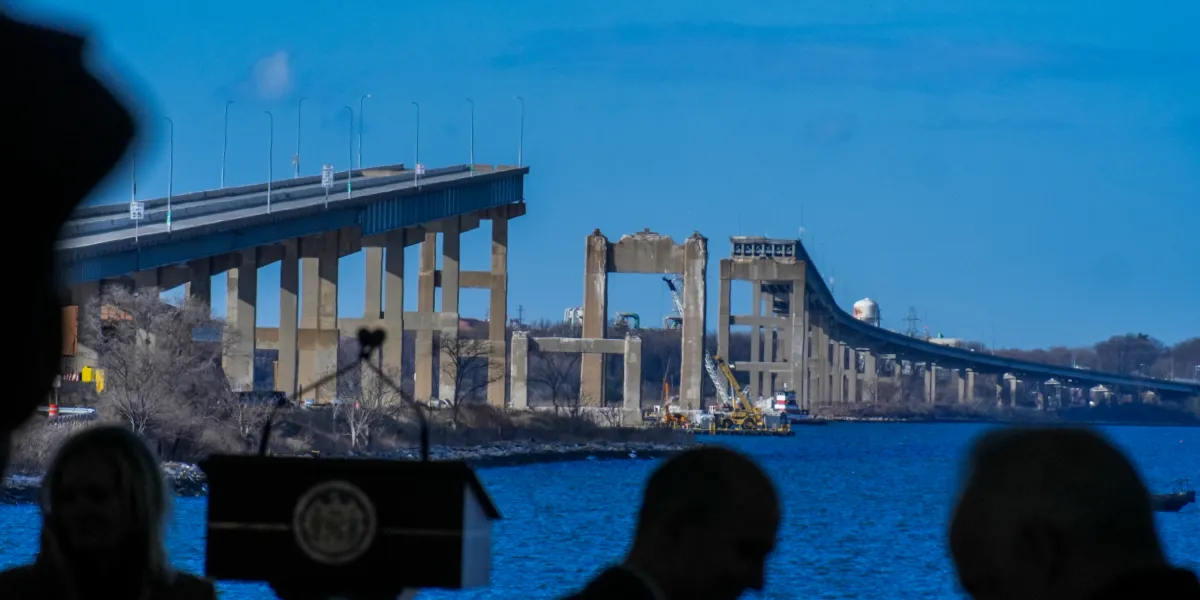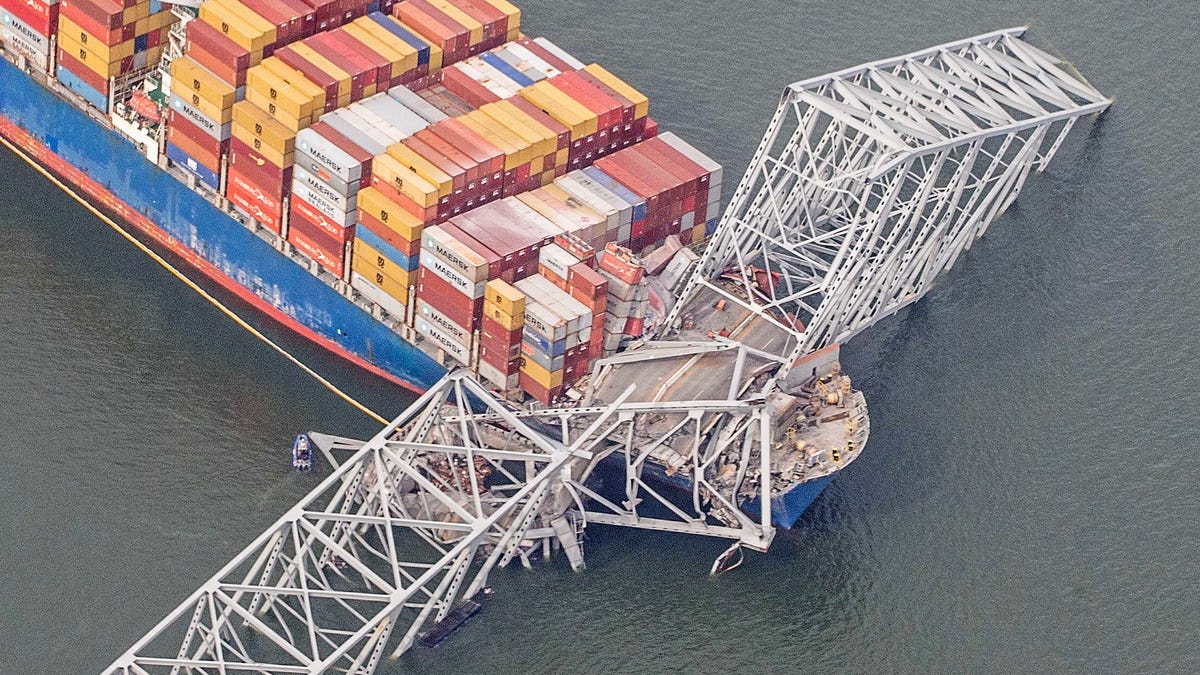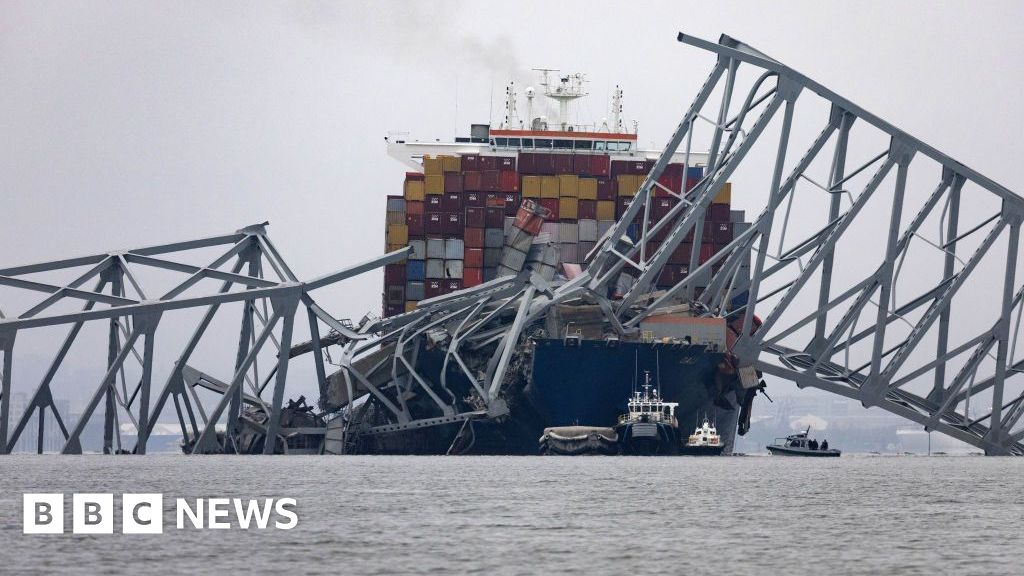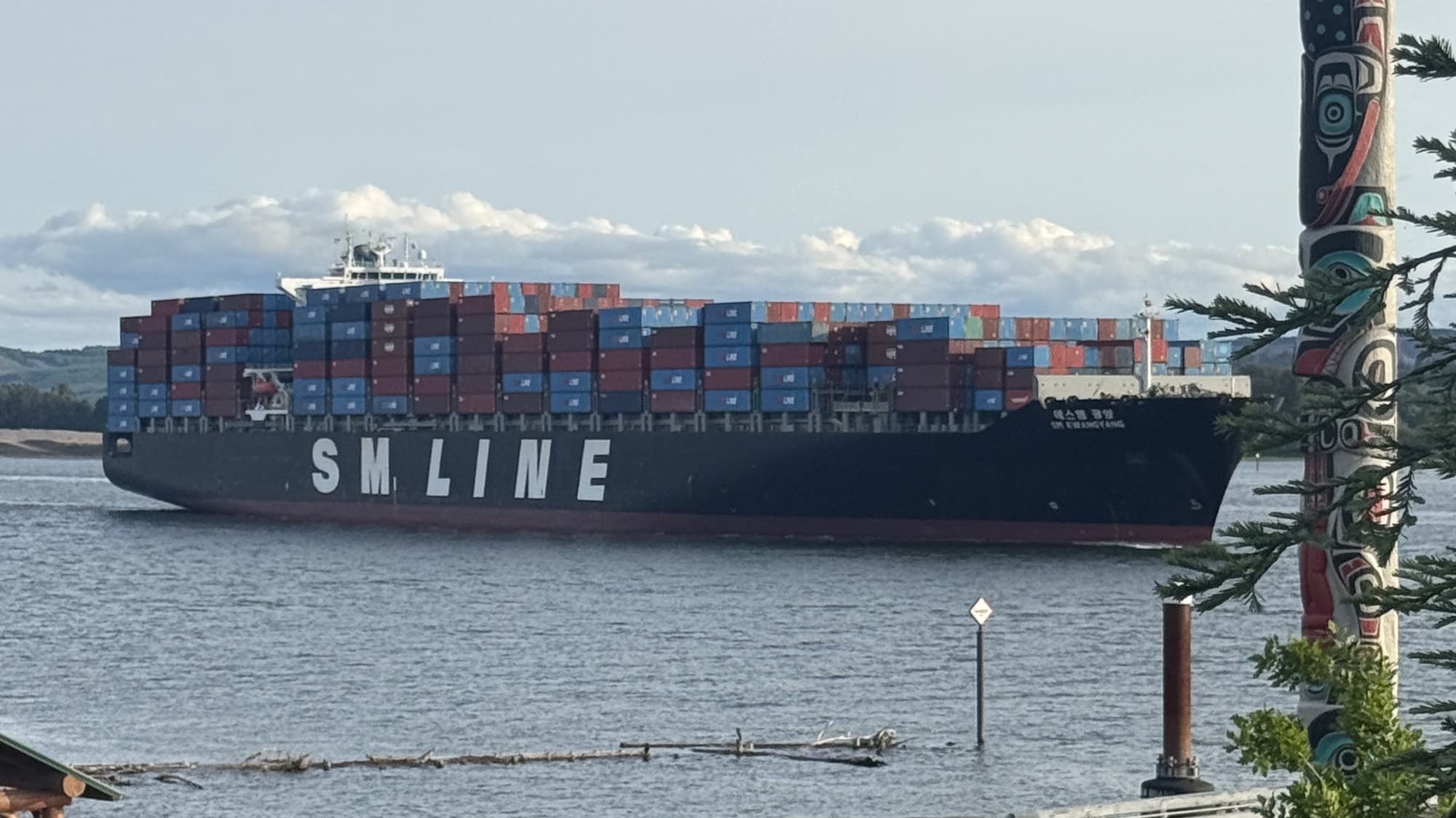
The Lower Columbia River is a 100-mile stretch from Portland, Oregon, past Longview, Washington, to Astoria, Oregon, and the Pacific Ocean, that presents numerous hazards: to ocean-going vessels transiting the winding shipping channel, to workers onshore and onboard, to traffic crossing the river on aging bridges. The Lewis and Clark Bridge, a nearly 100-year-old, two-lane cantilever span that crosses the Lower Columbia at Longview, could be harboring safety hazards of its own. After the fatal collapse of the Francis Scott Key Bridge in Baltimore in March 2024, the National Transportation Safety Board conducted a national survey to identify other bridges around the country that could face a similar risk. It found 68 that were built before the mid-1990s, when new engineering safety standards for bridges were implemented, of which 34 were identified as “critical/essential” to the U.S. transportation network.Two of those bridges are on the Lower Columbia: The Astoria-Megler Bridge, built in 1966, is in Astoria, at the mouth of the river. The other — the Lewis and Clark Bridge, constructed in 1929, in Longview — is 50 miles upriver. Fifty miles further upriver is the Port of Portland, gateway to a vast inland river-network that brings grain and mineral exports by barge, truck, and rail to ocean-going vessels headed for world markets.A steady stream of ships navigate this part of the river, past rail yards and port facilities loading grain, potash, logs, and cars. I boarded a 47-foot launch with Columbia River Launch Service Captain Tyson Hill. He shuttles pilots, port officials and crews to ships. He steered the boat to the center of the river to pass under the Lewis & Clark Bridge. “You can see the channel right here,” he said. “It definitely gets close to the Washington side. I hadn’t noticed that before.” The channel for ocean-going vessels — which Tyson can see on a screen from his pilot’s chair — makes a tricky turn, then passes close to one of the bridge’s spindly support towers. The towers have no protective bumpers, called “fenders,” to defend against a wayward ship.“It’s a single-point failure bridge, much like the Francis Scott Key Bridge,” explained Captain Jeremy Nielsen, president of the Columbia River Pilots, who go onboard to guide every large ship navigating the river. “So if you hit that support tower, if the top of the ship hits the underside of the bridge, that whole bridge is coming down.” Nielsen said there have been close calls. The Pilots shared a video with me: It shows a huge cruise ship, sounding like a train engine, churning towards the bridge on its way back to sea from a Portland shipyard. There’s no sound from the crew as the ship’s front radar tower passes close under the bridge span, cars and trucks whizzing by overhead. Then the rear tower barely squeaks by, with just four feet to spare.Other heavily laden ships have lost power and barely missed hitting the bridge, said Nielsen. Part of the danger comes from the size of today’s ships: “The largest vessels that we see — 1,200-foot container ships — until you stand up next to one, it’s tough to grasp how big those really are. So our safety margins have decreased dramatically.”The two-lane Lewis and Clark Bridge, built in 1929, crosses the Columbia River at Longview, Washington. Both support towers are in the river, and the shipping channel passes near the tower on the Washington side, close to the Port of Longview. The towers have no protective fendering to deflect wayward ships.
States spend to reinforce at-risk bridges after Baltimore bridge collapse
The nearly 100-year-old Lewis and Clark Bridge wasn’t built to accommodate the giant ships that now travel underneath it.
1,426 words~6 min read