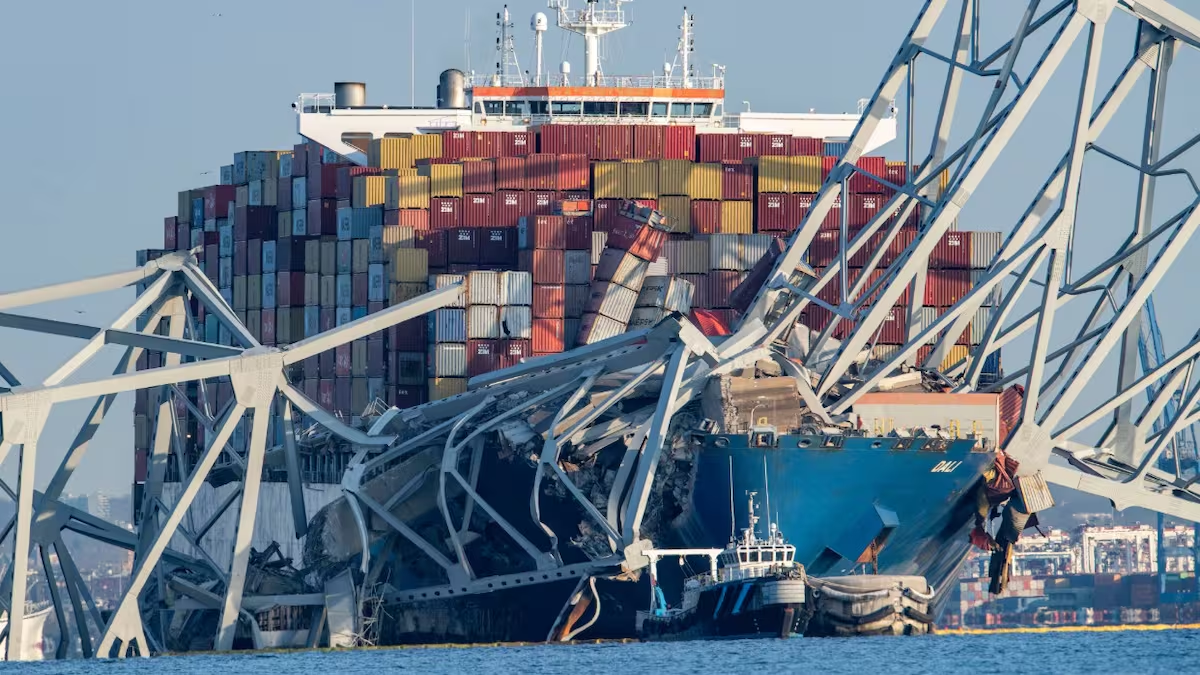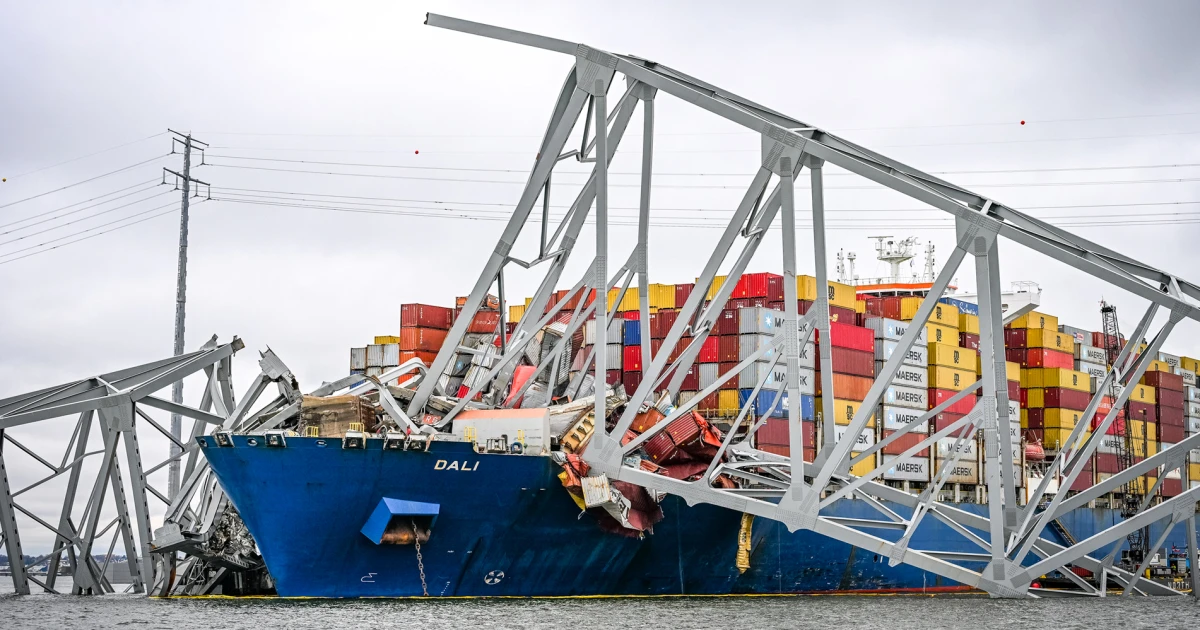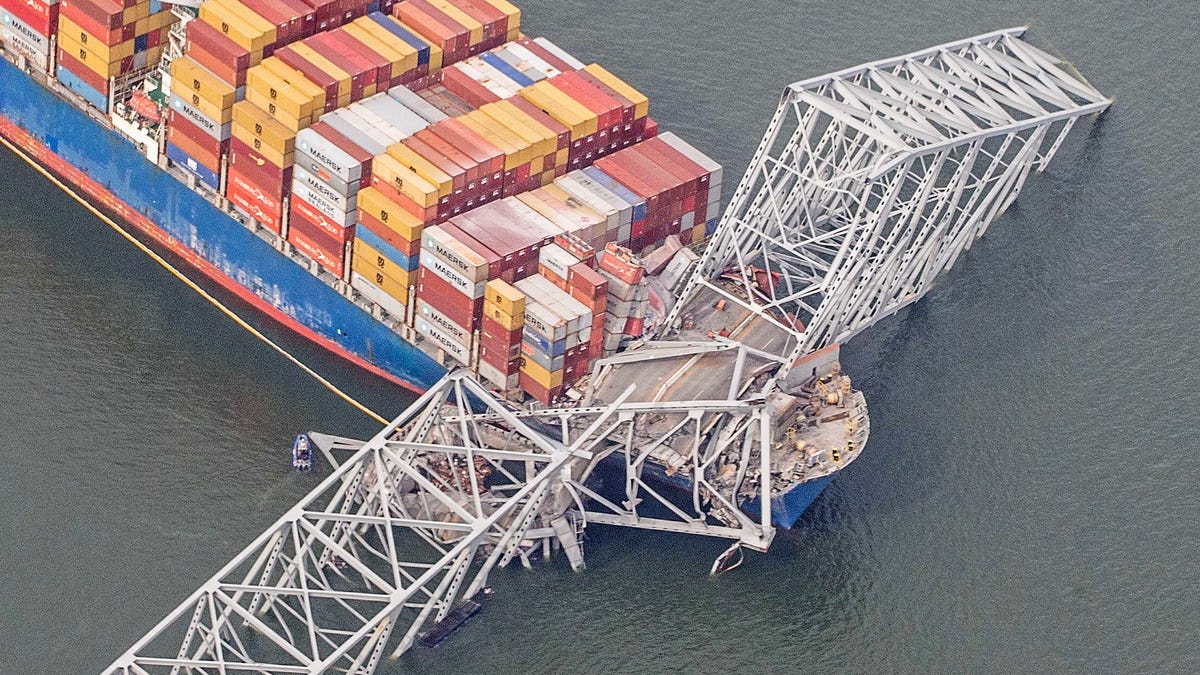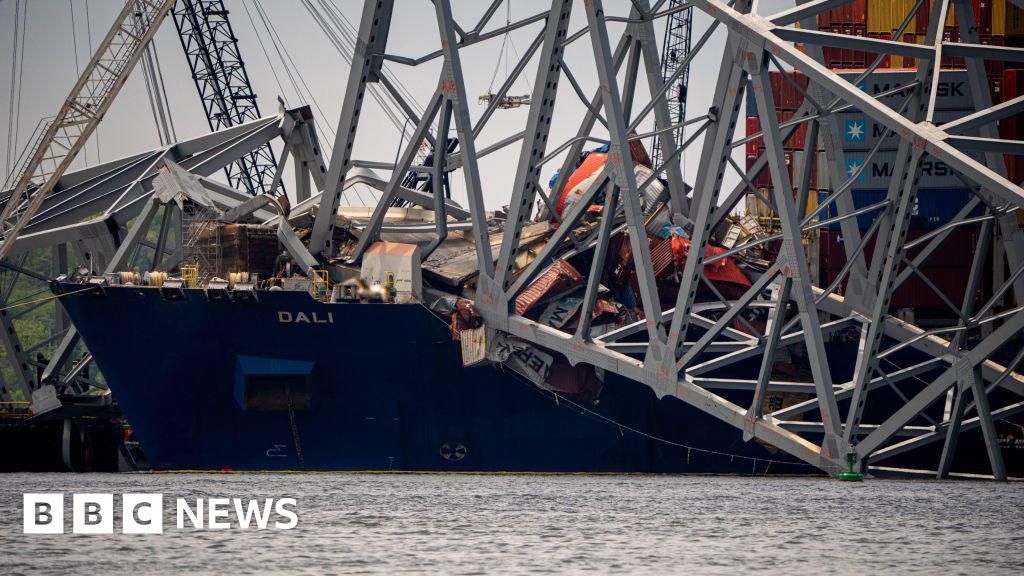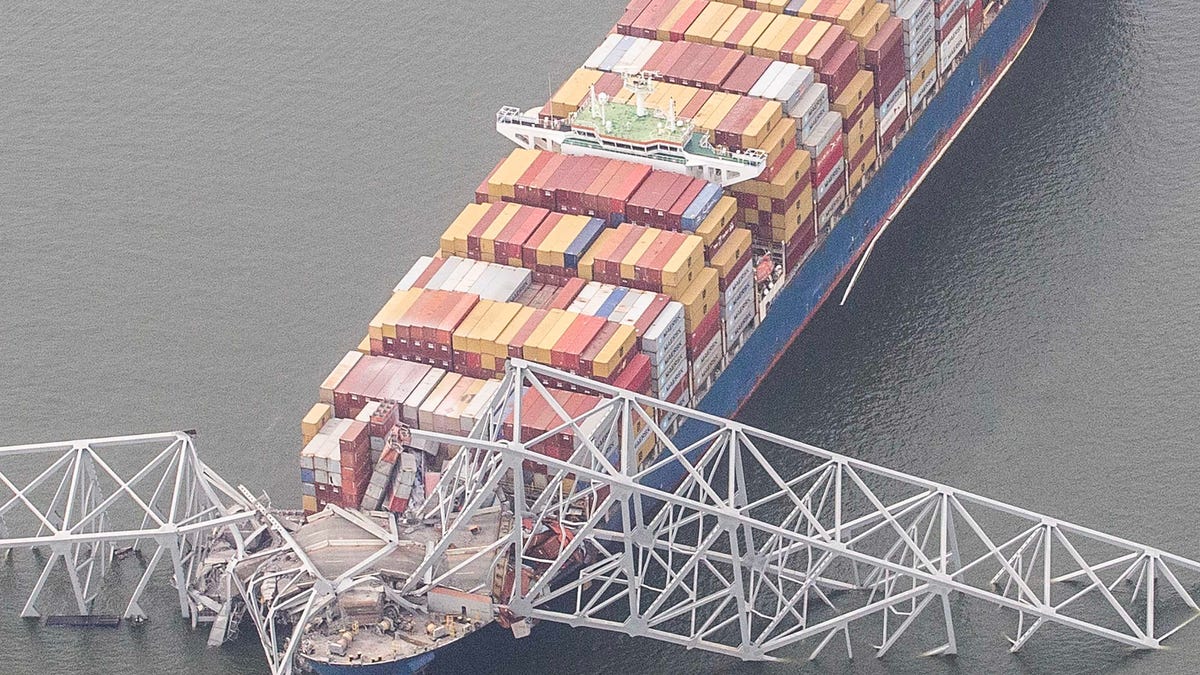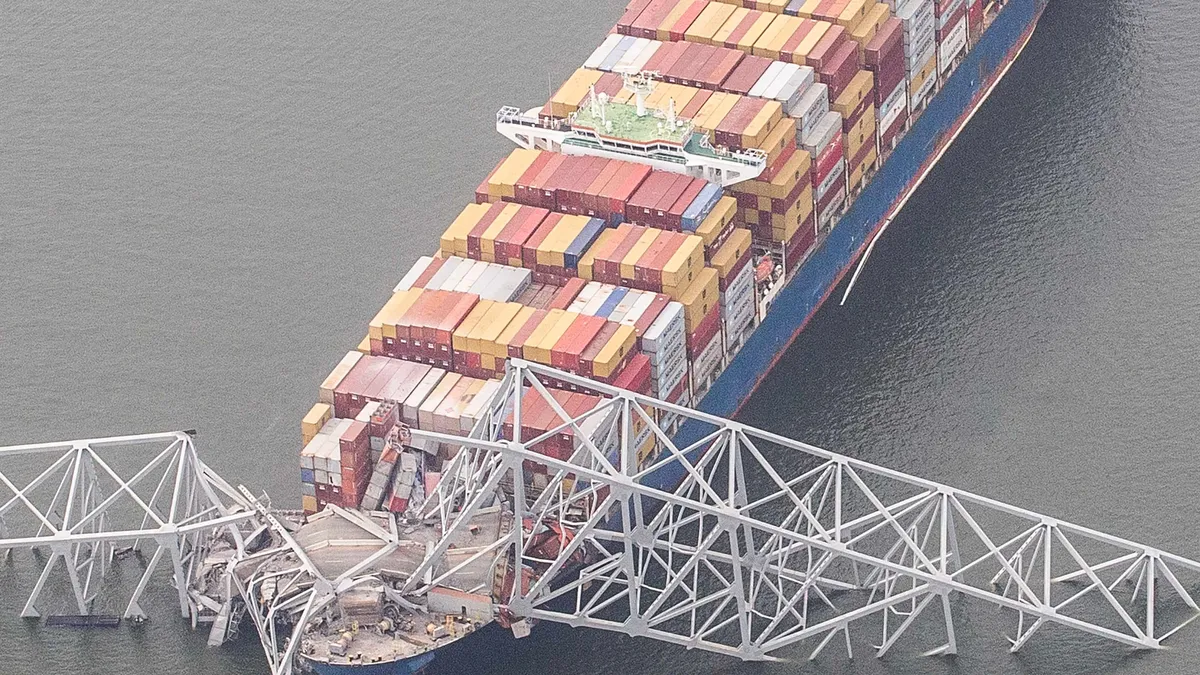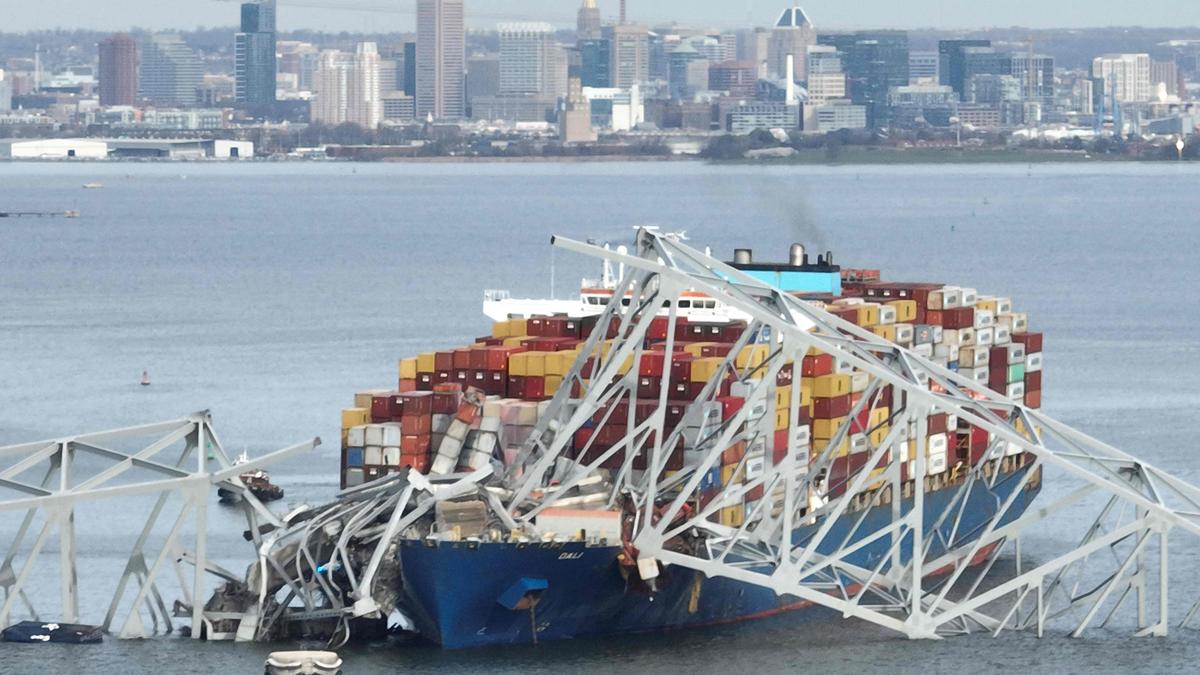
The collapse of the Francis Scott Key Bridge in Baltimore after the allision involving m.v. Dali on March 26, 2024 was one of the most devastating maritime casualties in recent years. Six lives were lost, a major bridge collapsed within seconds, and one of America’s busiest ports was paralysed for months. Public grief and outrage were, therefore, entirely justified. So too are compensation claims, civil liabilities, insurance disputes, and rigorous technical investigations.But beneath the tragedy lies a deeper and more uncomfortable question for the global maritime industry: are we slowly beginning to criminalise technical failures and human struggle during complex maritime emergencies?The criminal proceedings initiated by the U.S. Department of Justice against individuals associated with the ship’s operations have generated unease across large sections of the maritime world. Not because accountability should be avoided — it must never be — but because maritime casualties are rarely simplistic stories of villains and victims. They are usually the outcome of layered technical failures, infrastructure vulnerabilities, operational realities, human limitations, organisational decisions, and sometimes sheer misfortune.Unfortunately, public discourse increasingly prefers emotionally satisfying narratives over uncomfortable technical truths.Technical troubleA careful reading of the U.S. National Transportation Safety Board (NTSB) investigation report — the most technically credible account available — reveals a far more nuanced picture than much of the public commentary suggests. The NTSB nowhere describes the casualty as an act of wilful criminality by the crew or ship management. Instead, the investigation identifies the initiating event as a loose electrical signal wire connection caused by improper placement of wire-label banding, which ultimately triggered the blackout and subsequent loss of propulsion and steering.Most important, this latent defect was discovered only after extensive forensic investigation involving manufacturers, technical experts, detailed testing, and system-level reconstruction. Expecting onboard engineers to instantly diagnose and rectify such a deeply embedded fault within seconds, amid a cascading blackout inside a darkened engine room, reflects the comfort of hindsight rather than the realities of shipboard operations.Even in those circumstances, the crew reportedly succeeded in restoring electrical power within minutes. But beneath a vulnerable bridge structure and within confined waters, even a few minutes can mean the difference between recovery and catastrophe.A merchant ship is not a motor car. It is a floating industrial ecosystem — an extraordinarily complex integration of propulsion systems, electrical networks, automation loops, navigation systems, fuel arrangements, safety interlocks, and emergency redundancies. Hundreds of interconnected systems operate continuously under harsh environmental conditions, managed by a relatively small group of human beings working under immense pressure.And despite every regulation, inspection, audit, checklist, and layer of compliance, ships can still fail. Machinery breaks down. Electrical systems collapse. Human judgment under stress becomes imperfect. That is not a defence of negligence. It is simply the operational reality of the sea.Only those who have experienced a complete blackout at sea can fully understand the terror of such moments: alarms screaming in darkness, propulsion lost, thousands of tonnes of steel drifting helplessly toward danger, and engineers struggling desperately to recover systems before disaster unfolds. Those realities are rarely visible in television debates, political commentary, or courtroom narratives constructed long after the event.The danger begins when hindsight becomes the sole lens through which complex emergencies are judged. After every major casualty, experts sitting safely ashore can identify alternative decisions that “could” have been taken. Lawyers can reconstruct perfect scenarios after studying reports for months. Prosecutors can isolate individual failures from a much broader chain of systemic vulnerabilities and present them as criminal acts. But maritime emergencies do not unfold in hindsight. They unfold in seconds — under uncertainty, incomplete information, immense pressure, and fear.Culture of fearTransforming technical judgment calls made during unfolding emergencies into criminal conduct risks creating a dangerous culture of fear within global shipping. Most important, it diverts attention from the larger systemic questions that such casualties often expose.Indeed, the NTSB recommended several operational improvements aimed at making ship operations safer, including stronger safety-management systems, enhanced redundancy arrangements, thermal imaging, and improved fuel-system configurations. But such recommendations emerge after almost every major marine casualty worldwide. That is precisely how maritime safety has evolved for decades: through painful lessons, technical learning, and systemic improvement — not through simplistic criminalisation of every failure.Significantly, the NTSB report also points toward broader institutional vulnerabilities. It notes that had bridge authorities undertaken vulnerability assessments recommended under guidance issued by the American Association of State Highway and Transportation Officials (AASHTO), they would likely have identified that the Francis Scott Key Bridge carried a collapse risk nearly 30 times greater than accepted thresholds.NTSB Chair Jennifer Homendy summarised the larger issue with striking clarity: “Ships got bigger, but the bridges did not.”That observation perhaps captures the deeper truth behind this tragedy more honestly than many emotionally charged narratives. For decades, increasingly massive vessels have transited beneath infrastructure originally designed for another era of shipping. Yet discussions about navigational risk assessments, bridge-protection systems, channel design, and infrastructure resilience rarely generate the same outrage as criminal proceedings against ship personnel.Responsible maritime governance must prepare not only for normal operations, but also for foreseeable failures. Maritime safety is not merely about preventing accidents aboard ships; it is equally about ensuring that waterways, ports, bridges, and coastal infrastructure are resilient enough to withstand such failures when they occur.Importantly, the NTSB recommendations extend not only to the ship manager, but also to the International Maritime Organization (IMO), classification societies, bridge owners, infrastructure authorities, and navigational safety systems. That reflects a principle long understood in mature accident-investigation systems: complex casualties are rarely attributable to one isolated failure alone.Safety responsibilityShipping is an interconnected ecosystem. Ships, ports, pilots, regulators, infrastructure owners, classification societies, and commercial operators all benefit from maritime trade — and therefore all carry corresponding responsibilities toward navigational safety.None of this means accountability should disappear. Wilful negligence, deliberate safety violations, or reckless conduct must never be excused. But there remains an important moral and legal distinction between deliberate wrongdoing and human beings struggling to manage a rapidly unfolding technical disaster in real time.Even the much-discussed second blackout on March 26 requires balanced technical understanding. The NTSB observed that the flushing pump supplying fuel to the online diesel generators did not automatically restart after the initial blackout. Can this operational arrangement be debated as a procedural weakness? Certainly yes. But elevating it directly into deliberate criminal conduct is an entirely different matter.The concern is not about defending any company. Courts will decide legal liability. The real danger is that in our collective urge to find villains after every tragedy, we may end up criminalising human struggle against machinery failure, operational limitations, and uncertainty itself.That should concern not merely seafarers but everyone dependent upon global trade.For when politics, hindsight, and public anger begin to outweigh technical wisdom and human compassion, the maritime world risks losing something far greater than a bridge: its faith in the very people who quietly keep global trade, energy, and civilisation moving across the seas.The author is a maritime professional and former Chief Surveyor-cum-Additional Director-General of Shipping with the Government of India. He has been associated with ship safety, marine casualty investigations, and maritime policy for over two decades. The views expressed are personal.
When maritime casualties become political theatre
Explore the implications of criminalizing maritime failures and its impact on safety, accountability, and the maritime industry's future.
1,190 words~5 min read