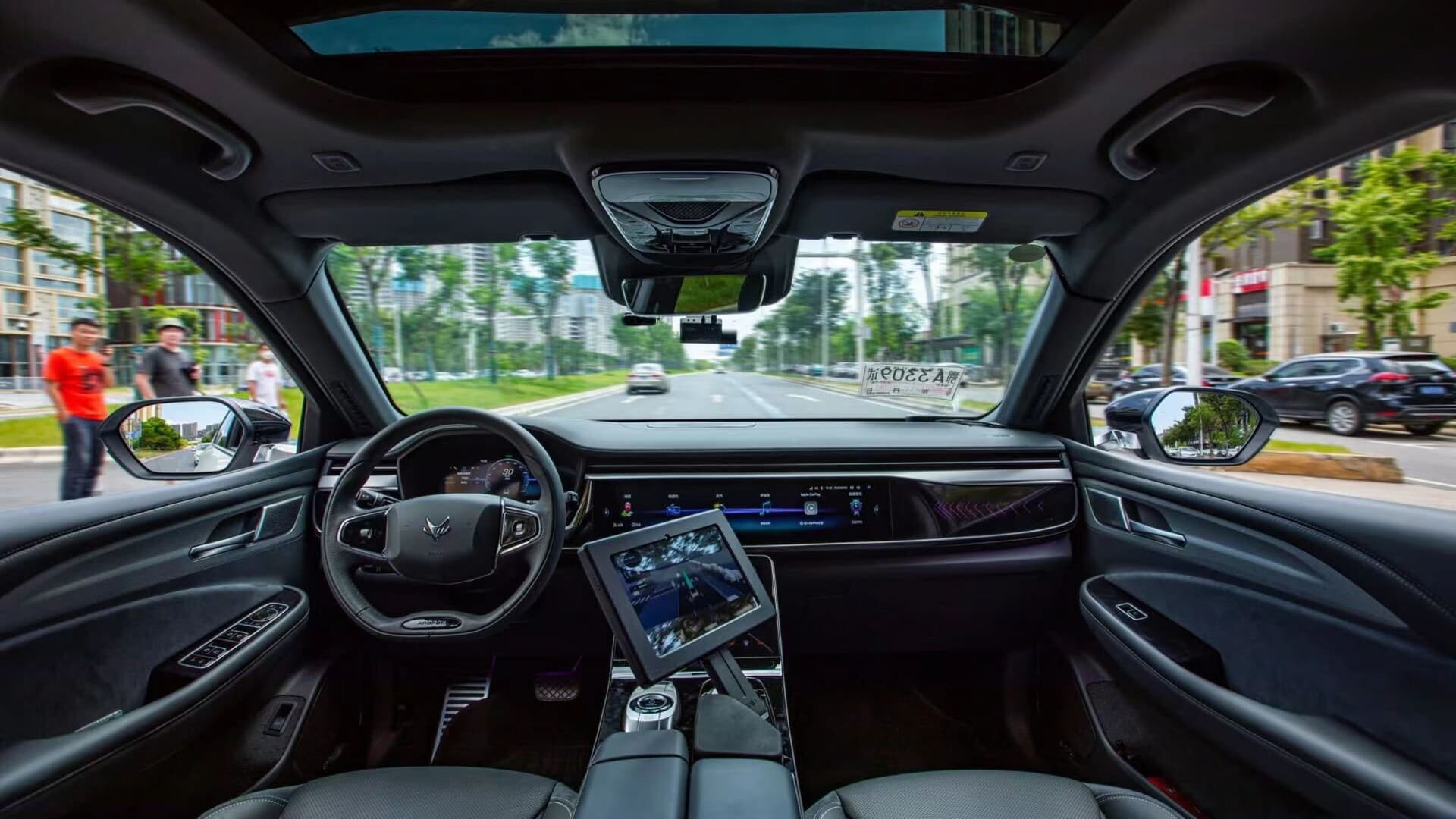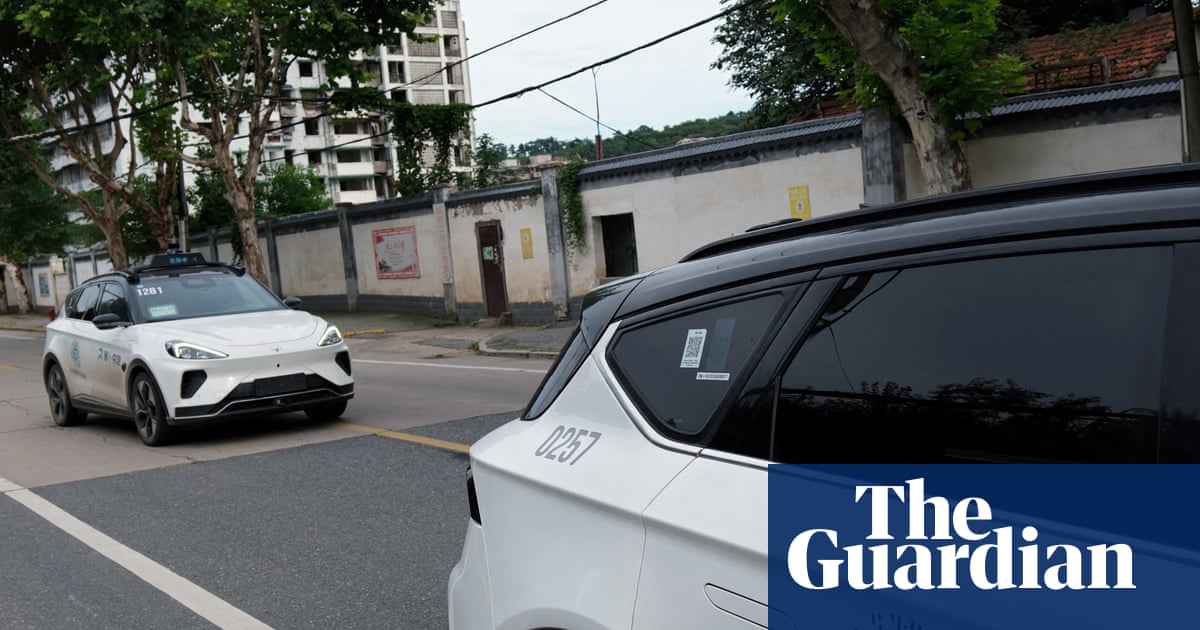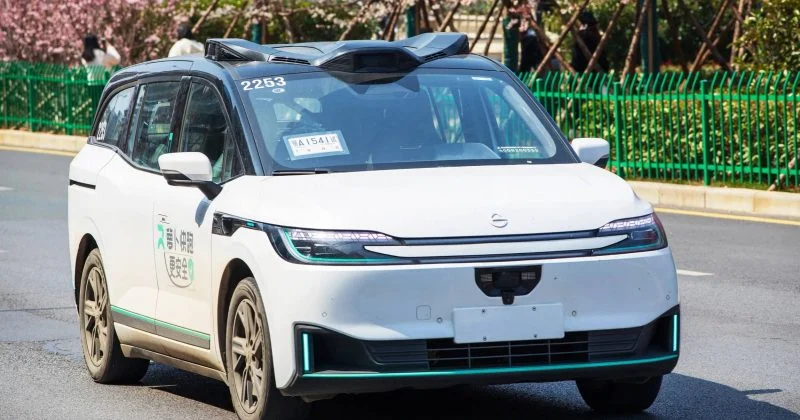
On April 29, 2026, China suspended the issuance of new autonomous driving permits across the country. The freeze covers fleet expansions, new pilot programs, and city-level robotaxi operations, effectively putting the brakes on one of the world’s most aggressive pushes into driverless transportation.
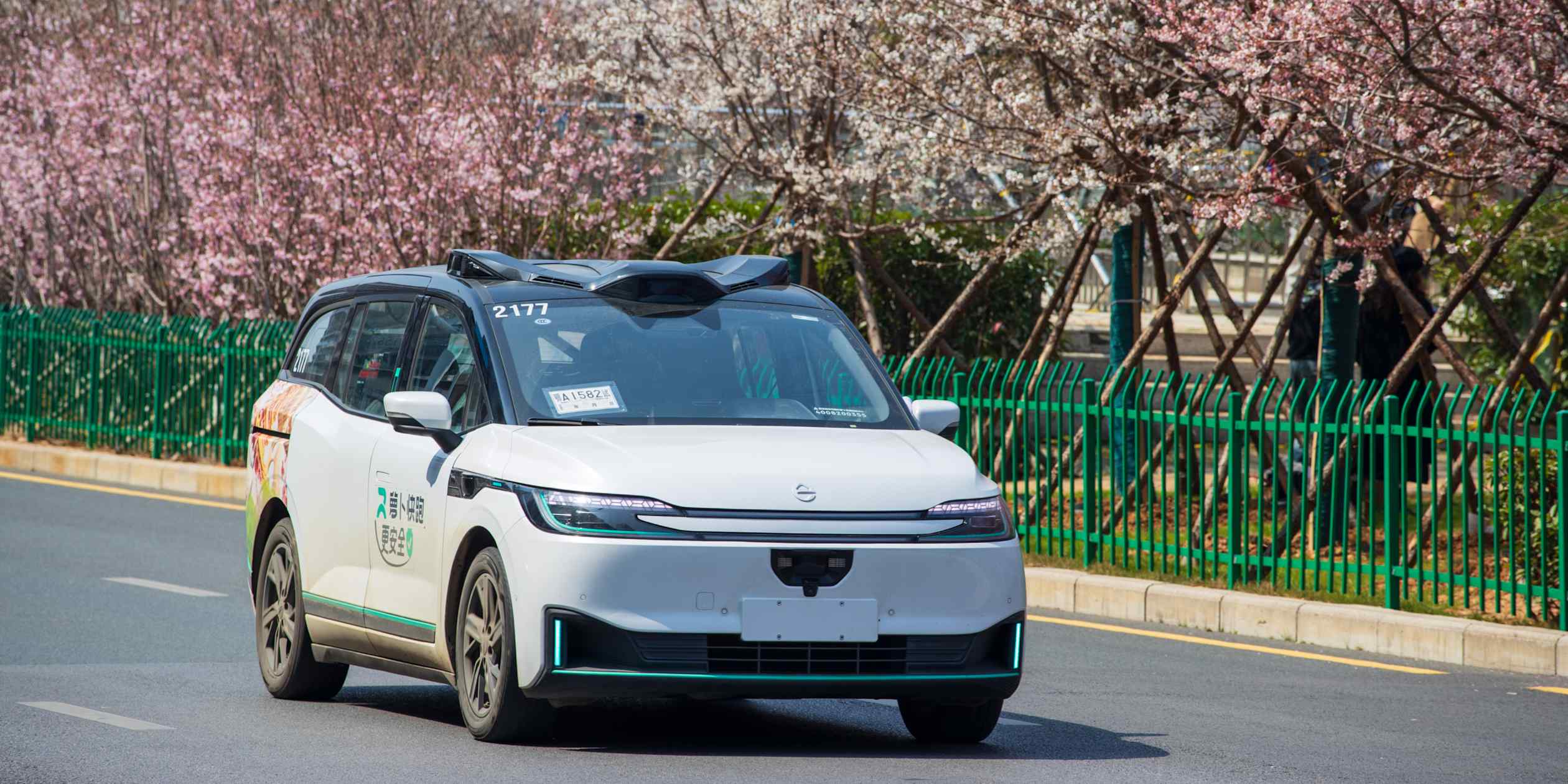
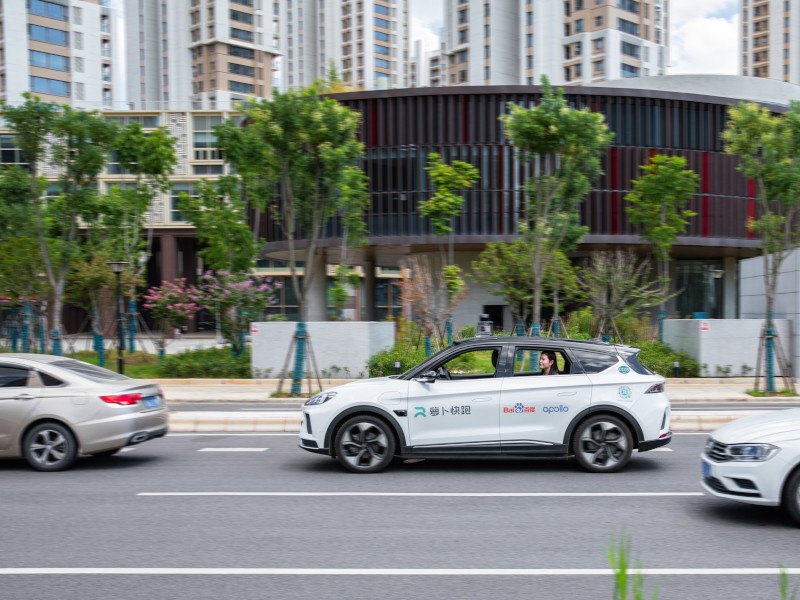
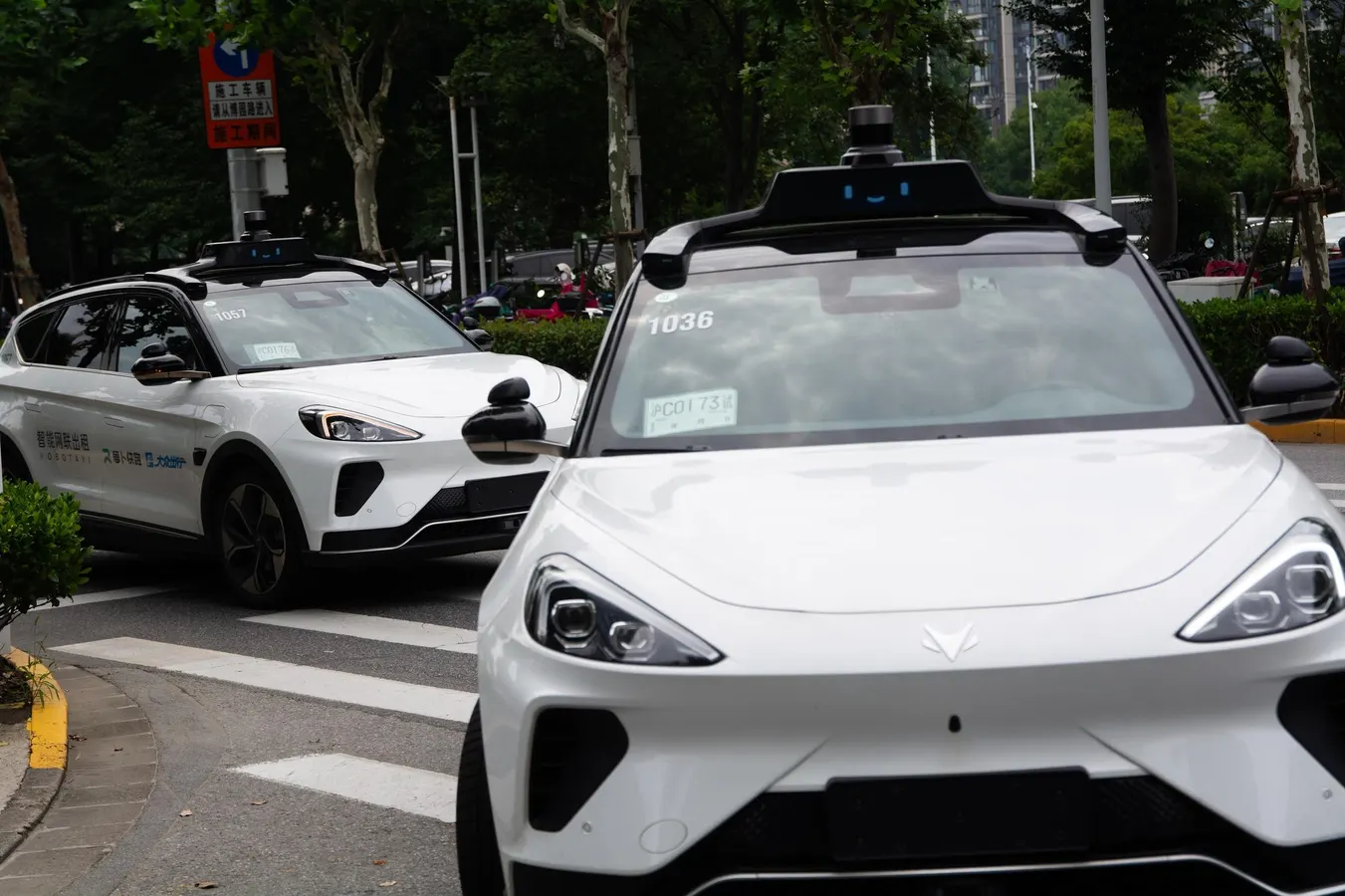
The trigger was a March 31 incident in Wuhan where more than 100 Baidu Apollo Go robotaxis malfunctioned simultaneously. A system failure tied to a cloud outage left passengers stranded for up to two hours and snarled traffic across the city. No injuries were reported, but the optics were brutal: a fleet of supposedly intelligent vehicles sitting paralyzed in the middle of the road while humans figured out what went wrong.
What actually happened in Wuhan
Think of it like every Uber in a city losing GPS at the exact same moment, except there’s no driver to pull over and wait it out. Baidu’s Apollo Go robotaxis rely on cloud-based systems to coordinate navigation and fleet management. When that connection dropped, the vehicles didn’t gracefully pull to the curb. They just stopped.
Over 100 cars froze in place, creating a cascading traffic mess that took hours to resolve. Passengers were stuck inside vehicles that couldn’t move and, in many cases, couldn’t communicate why.