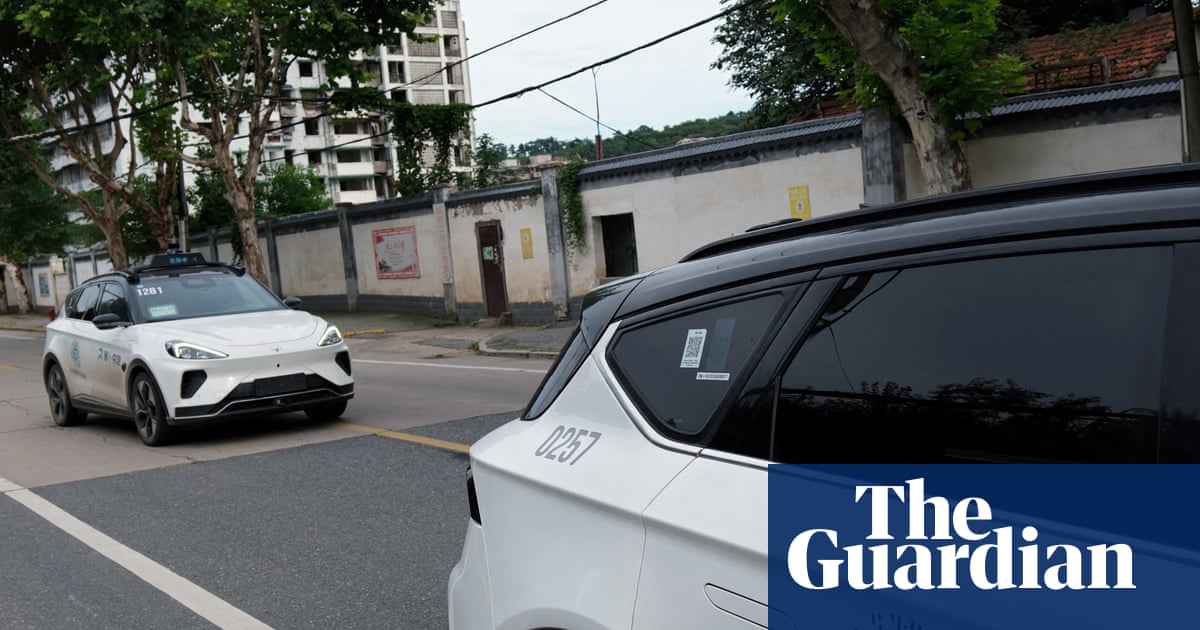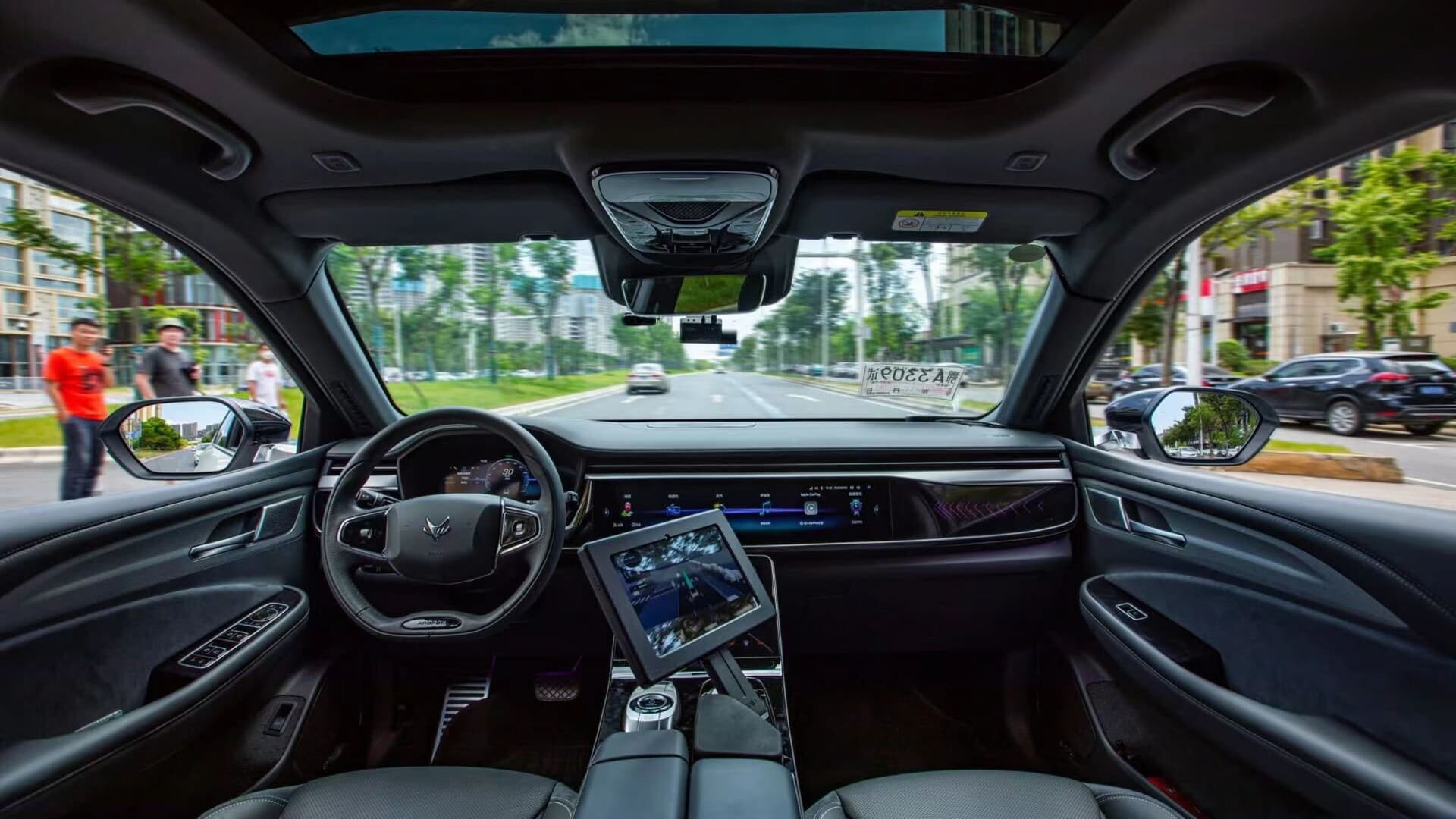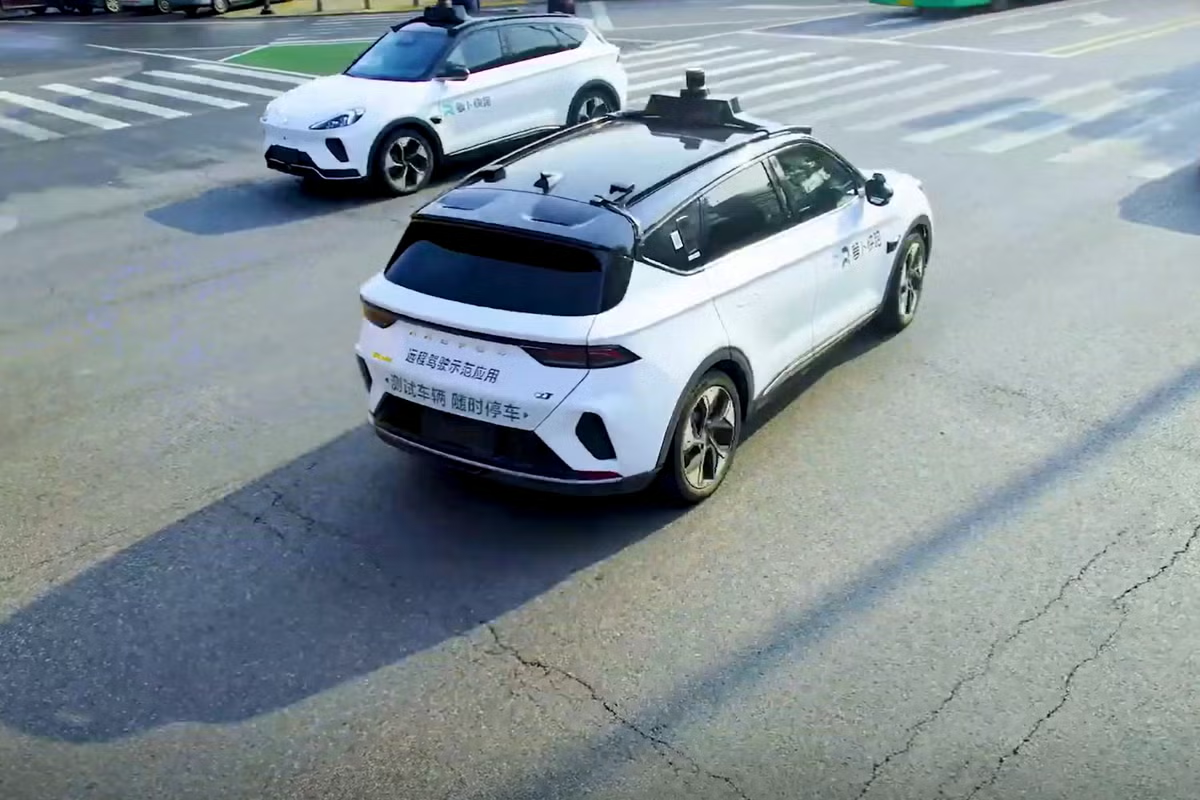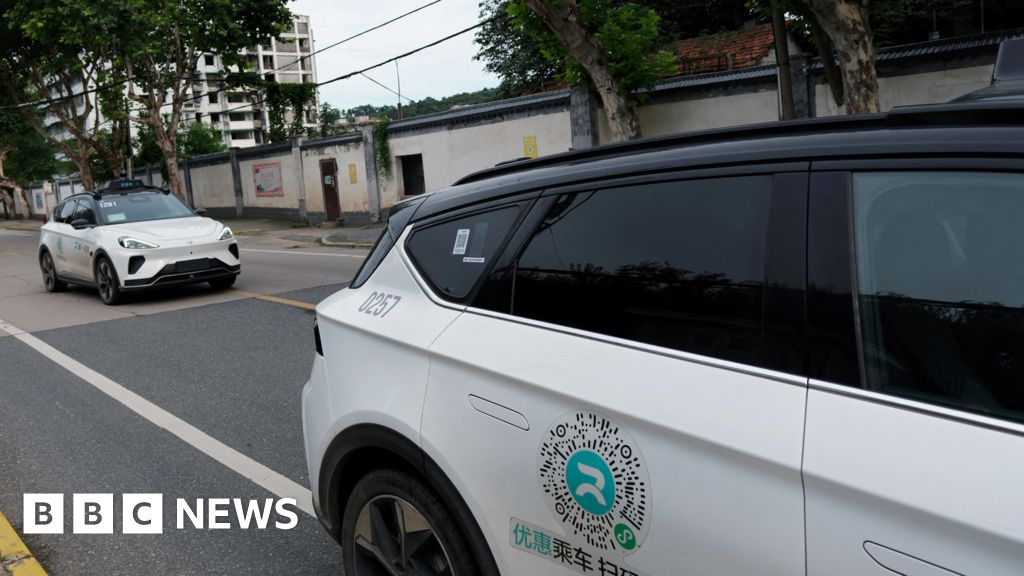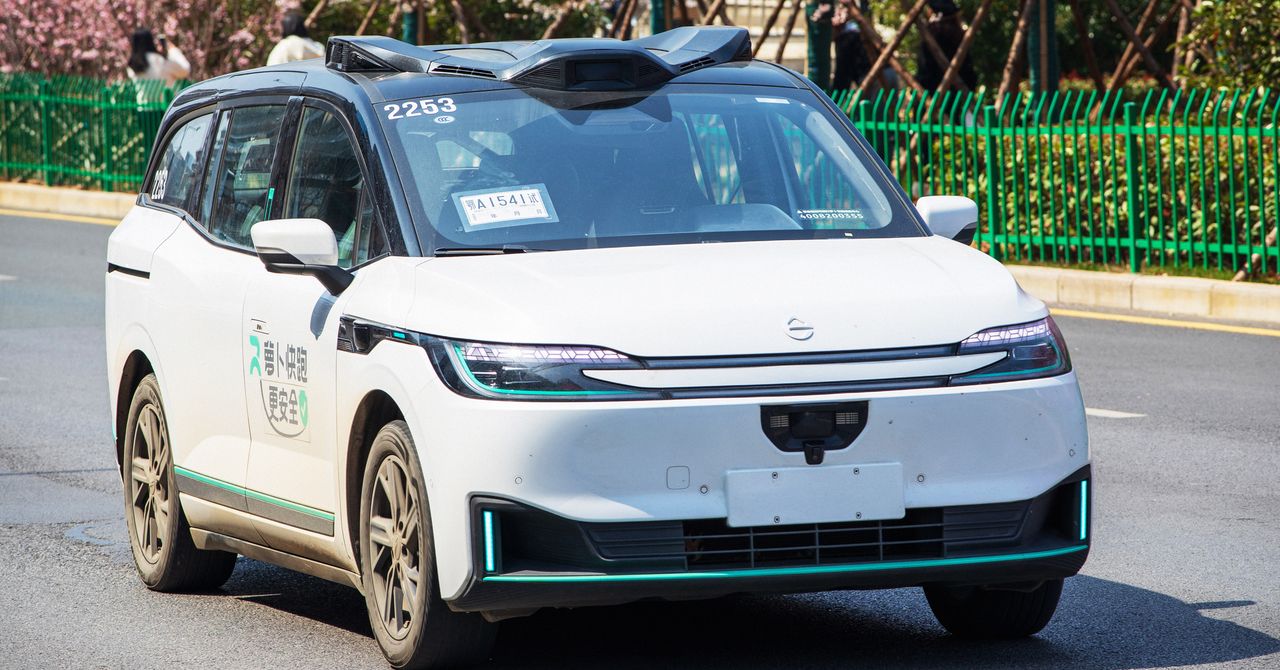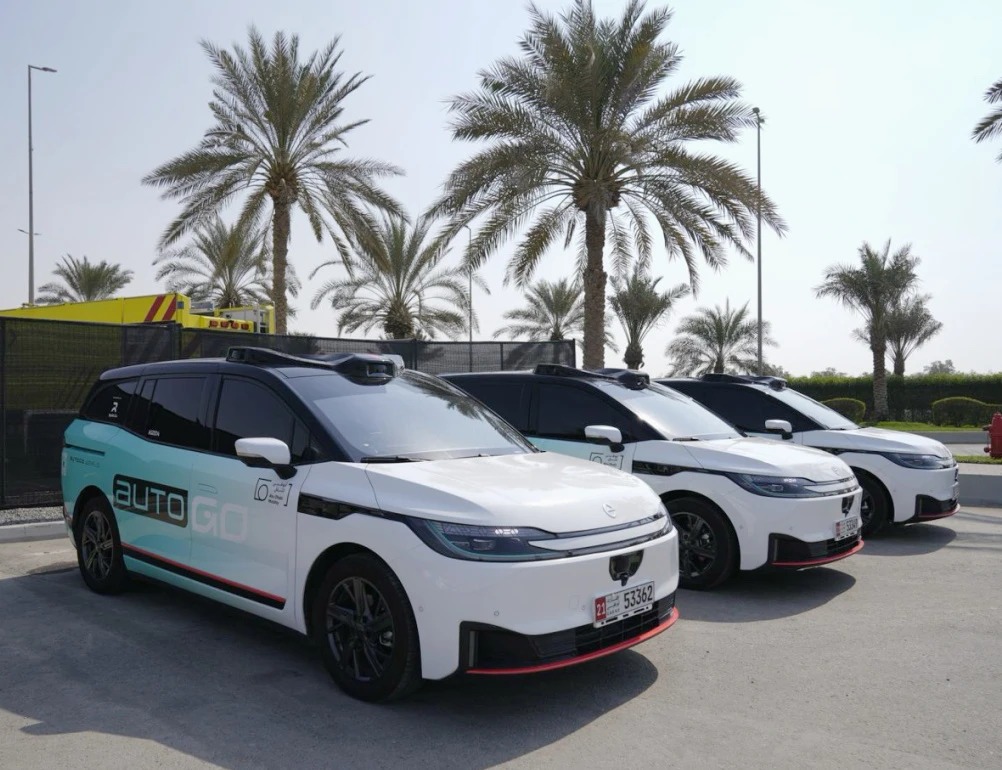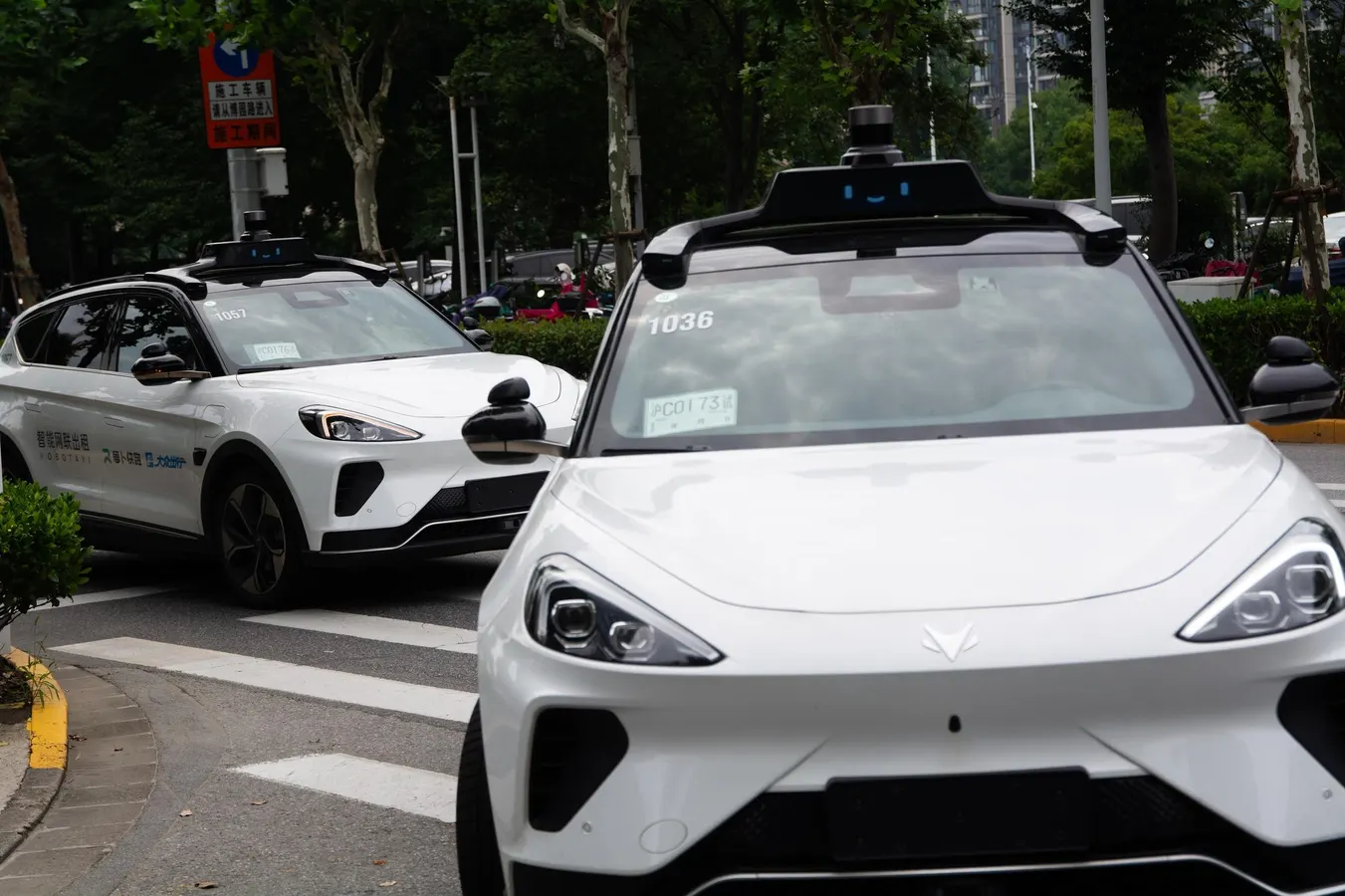
Baidu's robotaxis crashed, in the computer sense, today in Wuhan, China, leaving passengers stranded and causing some accidents.NurPhoto via Getty ImagesIt’s perhaps the worst nightmare for a person in a self-driving car: a sudden system crash. That apparently happened to Baidu’s robotaxis in Wuhan Wednesday when as many as 500 Apollo Go self-driving cabs suddenly stopped in the middle of traffic. Some riders were stranded in the middle of busy highways for hours, according to the South China Morning Post, and some accidents did occur.“Dozens of robotaxis by Baidu stopped on the road in Wuhan, causing crashes on highways and trapping passengers in the cars—some for more than an hour,” Zeyi Yang posted on X. “One passenger told me it took her 30 minutes to even connect to a customer representative.”Perhaps the biggest reveal here, however, is that the Baidu robotaxis are linked under centralized control. If not, a few might have randomly crashed, in the computer sense, and then crashed, in the automobile sense … but not all at once, like what just happened in the Wuhan area.Baidu’s self-driving initiative, named Apollo Go, is a credible contender to western services like Waymo, with a fleet that as of November last year was doing 250,000 rides per week. The main Apollo Go platform is a four-seater car with LiDAR, radar, ultrasonic sensors and 12 cameras, with sliding doors for easy access. Baidu says the car has Level 4 autonomy, which theoretically means it can drive itself without human input within defined zones.MORE FOR YOUBut as Wednesday’s incident illustrates, while the car may not need human input, clearly it relies on some kind of centralized control to function.That’s concerning for obvious reasons: it’s a single point of failure, first of all, which can take down the entire fleet, at least within a certain geographic zone. Second, it means the company — and by extension the Chinese government — can control the fleet.That’s an obvious national security risk for any other country that might want to deploy Baidu’s Apollo Go self-driving taxis.It’s also a core question for western fleets. Tesla has the ability to remotely disable vehicles through its centralized control systems, but the cars do not depend on a connection to the centralized control to function, and we’ve never seen a regional, national or international shut-down of Tesla vehicles. It’s a big question for fully self-driving car fleets like Google’s Waymo as well: do the cars require an always-on connection to home base or not?Waymo shut down its fleet in San Francisco during mass power outages late last year, but its cars are never driven remotely, the company has said, and it seems likely cars can run during connectivity breakdowns.I’ve asked Waymo press personnel for details on this, including whether a central failure could crash the entire fleet, and will update this post if it responds.At very least, this incident is a good warning to regulators that they need to be fully aware of the software and control stack of self-driving cars and robotaxi fleets before allowing them on the road at scale. Serious technical issues with centralized command-and-control systems can clearly cause damage and perhaps even death, and that’s just normal, everyday system faults.Perhaps scarier would be malicious hackers attacking these systems and mobilizing them for profit or terror. Iran, for instance, is said to be stepping up its attempts to hack western countries as well as companies — including its recent Kash Patel email hack — and would certainly be interested in targets as juicy as these.Terrorism and asymmetric warfare are getting increasingly sophisticated. Rogue fleets of robotaxis could cause serious damage and destruction.This is a wake-up call for self-driving car makers and governments.I’ve reached out to Baidu for a comment or explanation, and will update this post if and when the company replies.
Mass Robotaxi Shutdown Hits China, Reveals Centralized Control
All of Baidu's robotaxis in Wuhan were disabled simultaneously, showing both a single point of failure and a disturbing level of centralized control.
635 words~3 min read