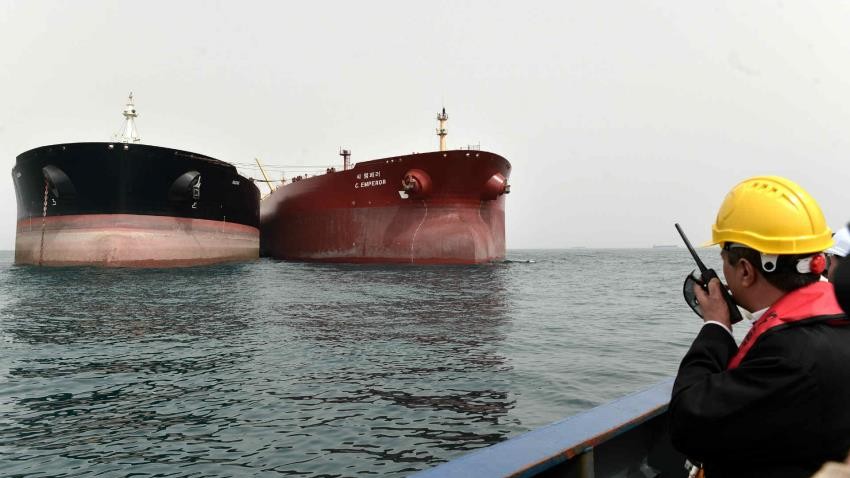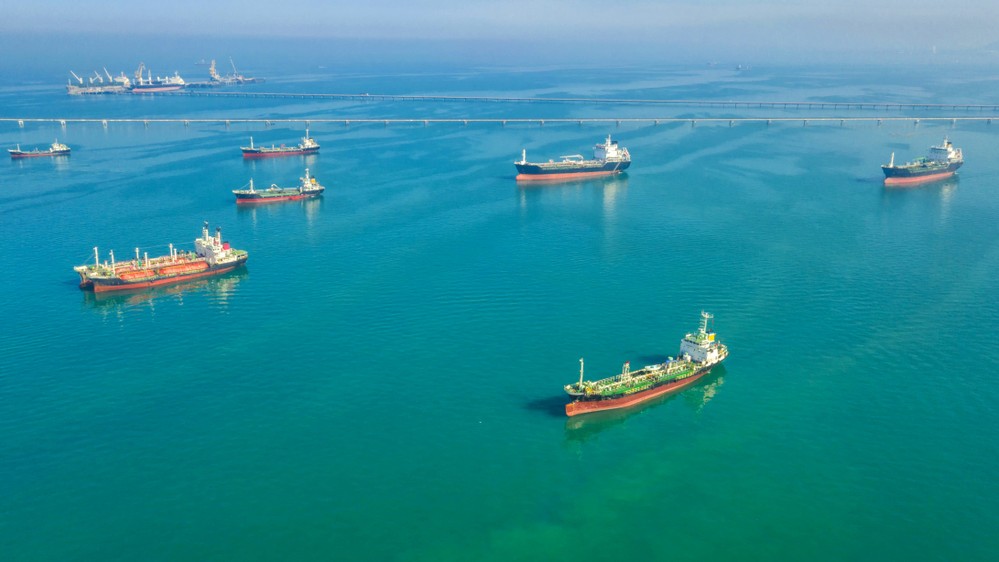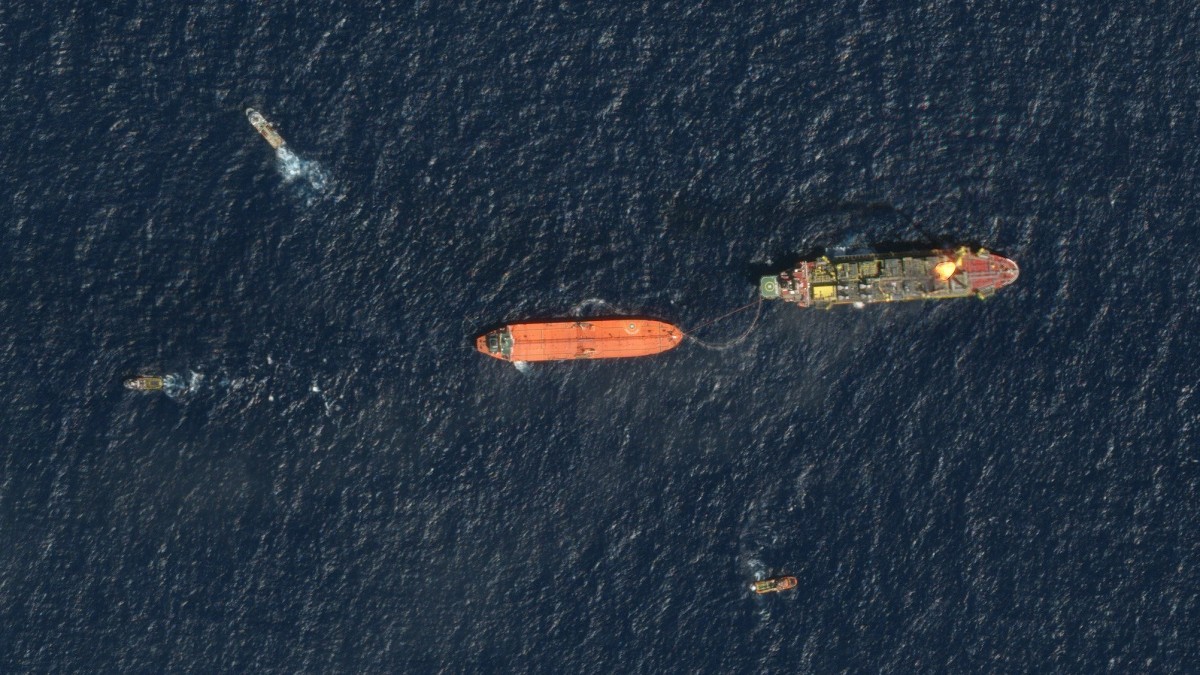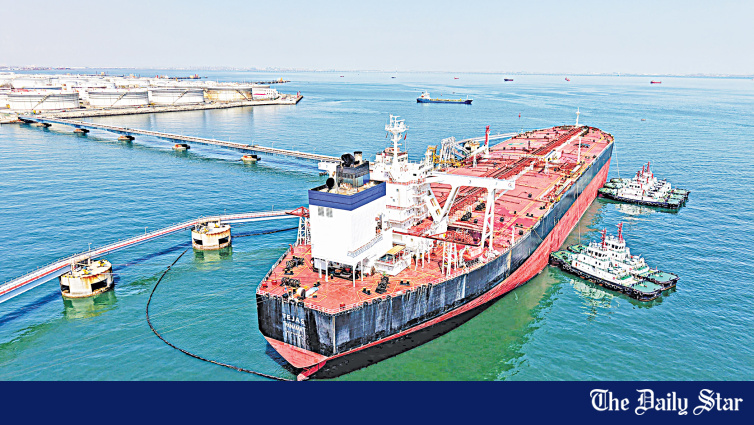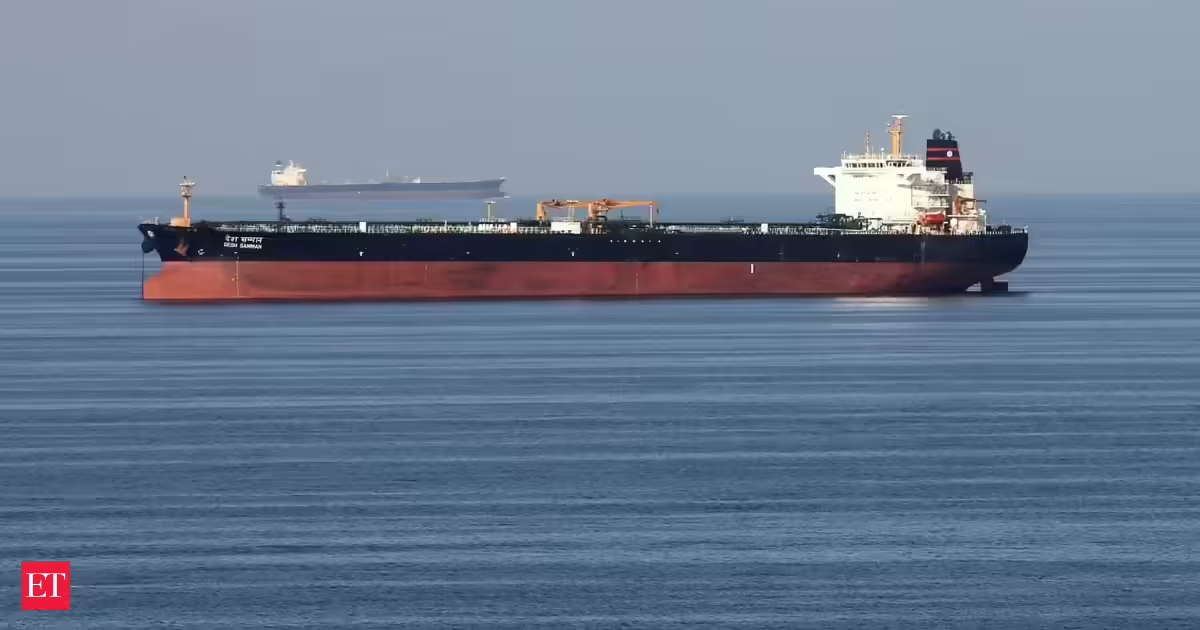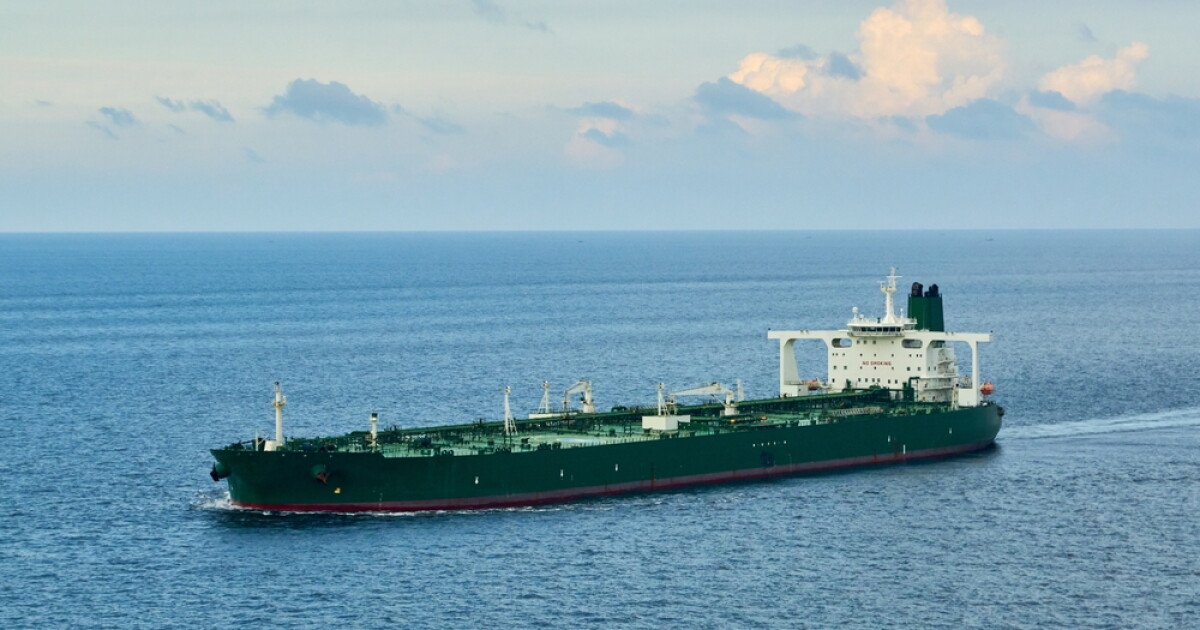
As the near-closure of the Strait of Hormuz continues to upend global energy flows, so too has it left what could be a lasting impact on the market for tankers that ship crude oil and refined products around the world. Tanker rates, while off their previous highs, remain elevated. Even if recent talks between the US and Iran lead to some sort of reopening of the strait, insiders see little chance of freight rates returning to prewar levels anytime soon. High rates reflect not only shifting trade flows, as countries typically dependent on Mideast barrels scramble for alternative supplies, but also the evolving strategies of fleet operators and traders positioning themselves for the next opportunity. Spot rates for very large crude carriers (VLCCs) have backed off highs of more than $500,000 per day, seen shortly after Israel and the US attacked Iran on Feb. 28, but remain well above year-ago levels. Cypress-based tanker operator Frontline said it is contracting most of its VLCCs at almost $182,000/d, with Suezmaxes at $131,000/d and Aframaxes around $125,000/d. A large swath of tanker capacity remains in and around the Mideast Gulf; tanker tracker Kpler sees almost 60 loaded VLCCs trapped inside the strait. But a significant number of vessels, mostly VLCCs, are parked just outside the Gulf, awaiting a reopening of the strait. Headlines over the last week have given conflicting accounts of how likely a US-Iran agreement may be. But many tankers under relatively cheap long-term contracts signed prewar are likely waiting to pounce the moment they can safely pass, according to Frontline CEO Lars Barstad. If they relocate and the strait suddenly reopens — with potentially millions of discounted barrels up for grabs from desperate sellers — buyers may need to recontract tankers at high market rates, or go to the back of the line, Barstad explained. That is tying up available tonnage and is a key reason why tanker rates globally remain so high, he told a recent earnings call.
Oil Tanker Markets Brace for Lasting Impacts
Insiders see little chance of freight rates returning to prewar levels anytime soon, due to both shifting trade flows and the evolving strategies of fleet operators and traders.
329 words~1 min read