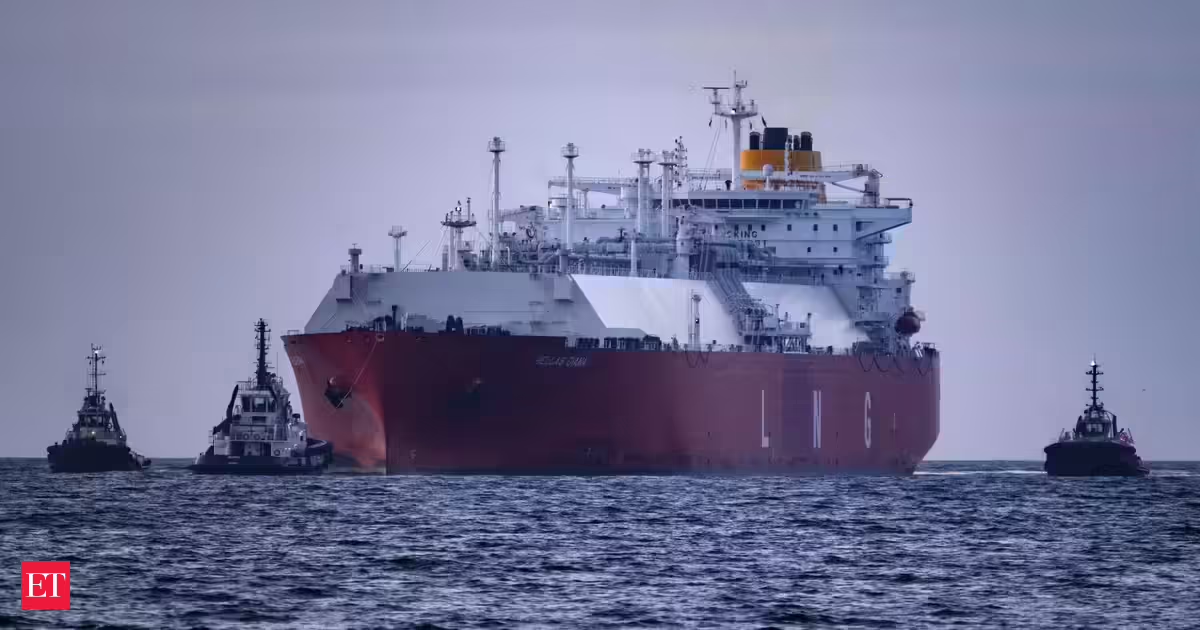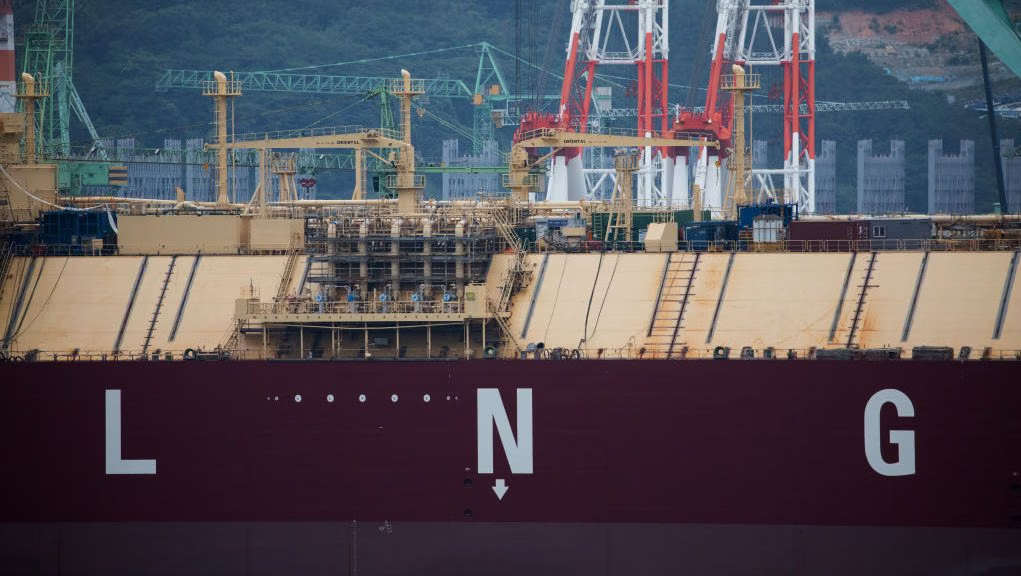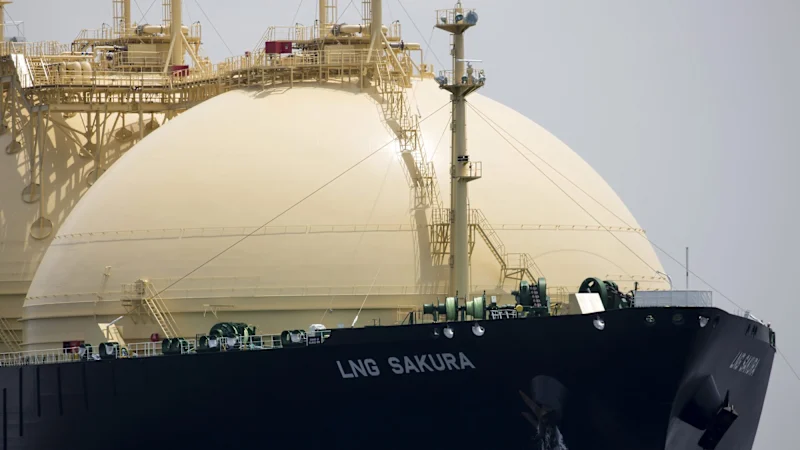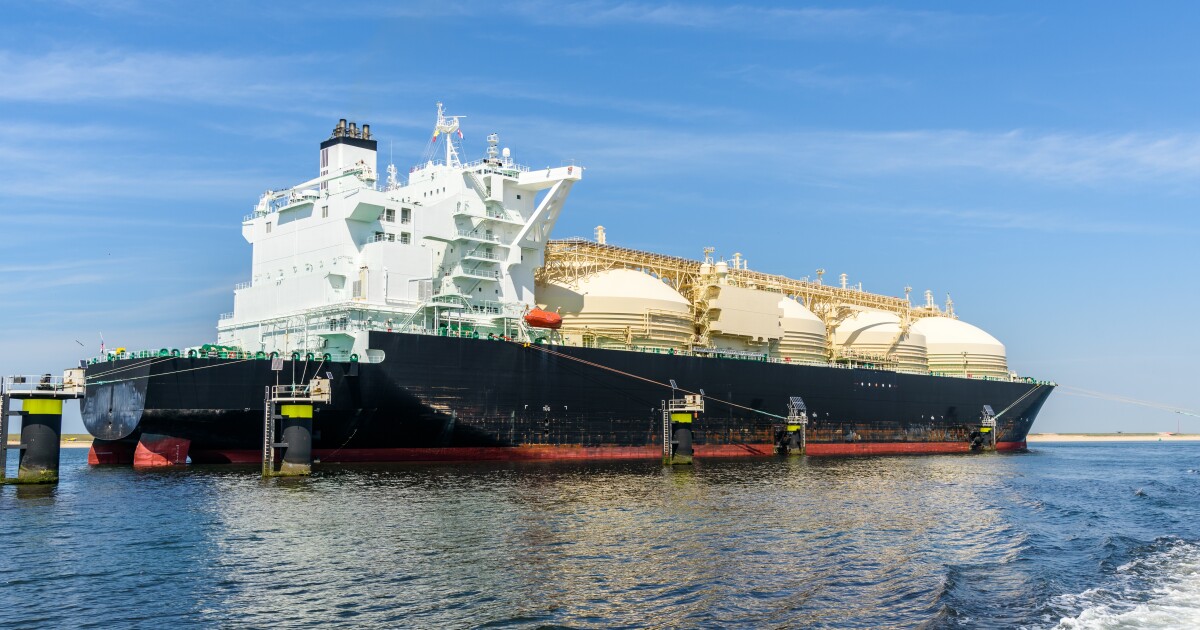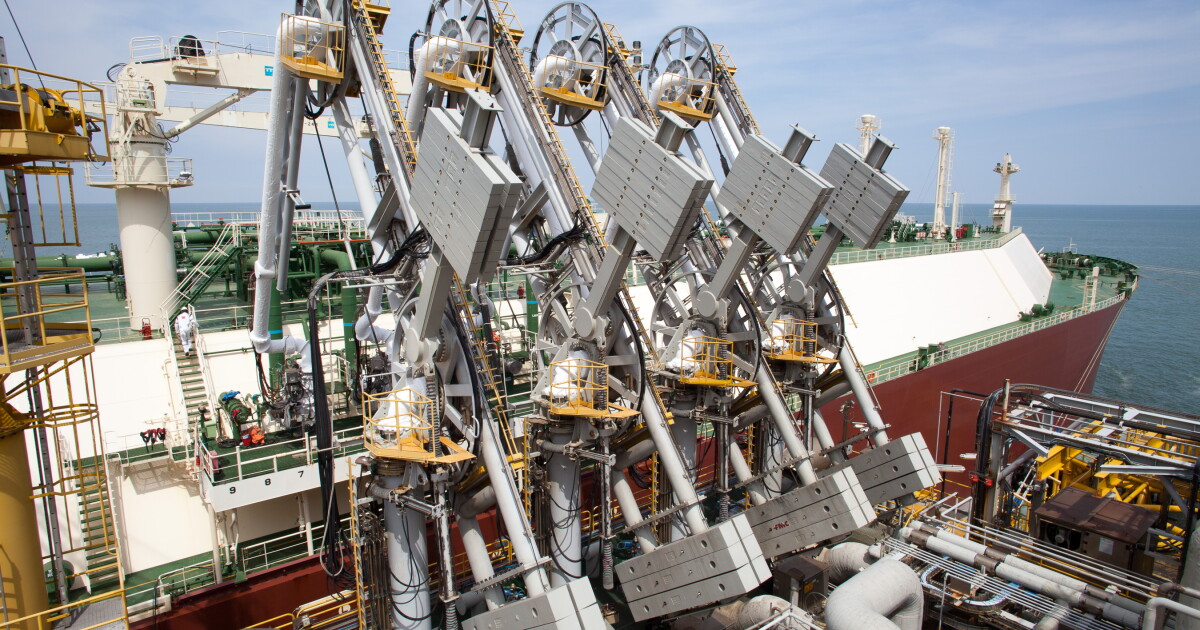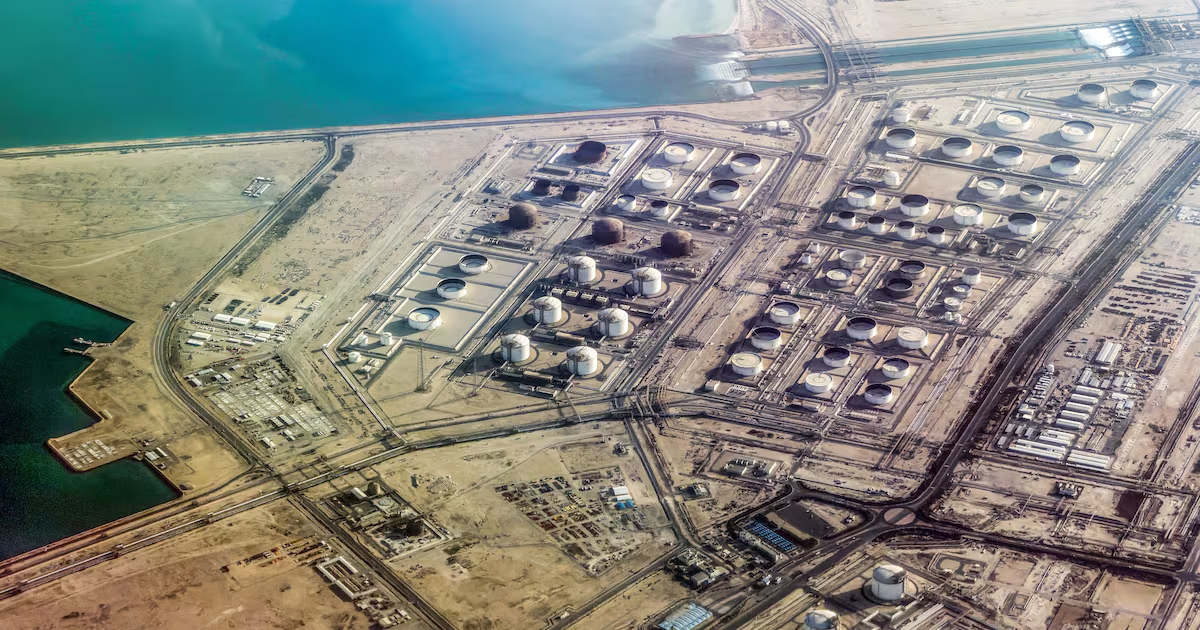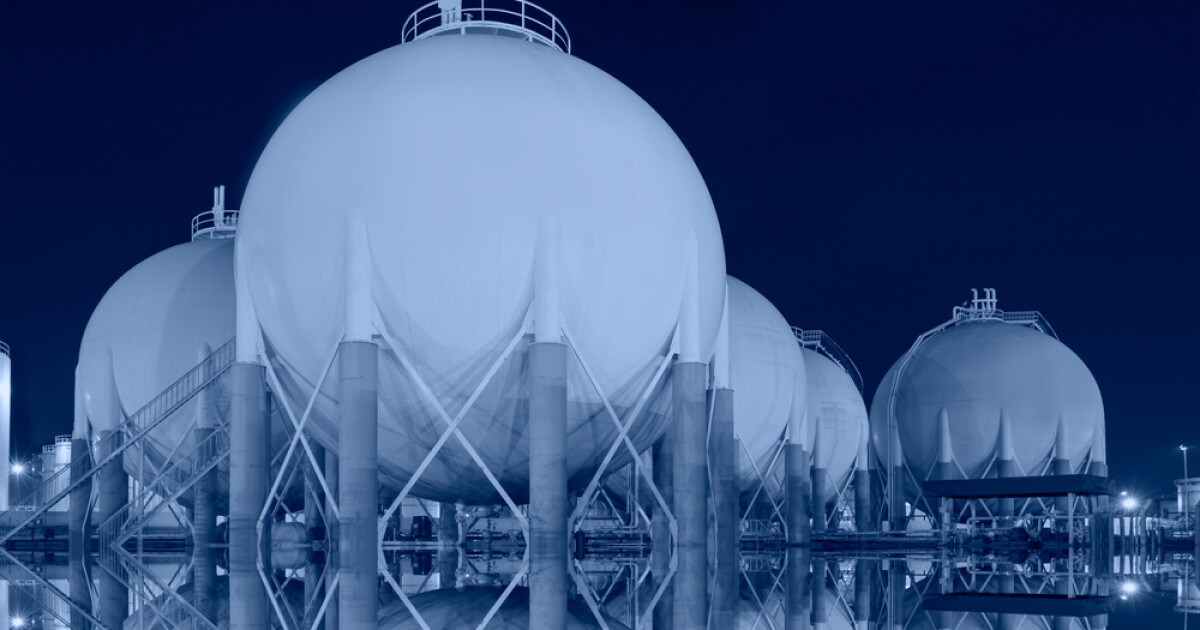
Despite the world losing one-fifth of its LNG supplies for more than three months, and counting, a feeling the disruptions will be short-lived and manageable has persisted over the global market. LNG prices in Asia and Europe are higher than they were before the near-closure of the Strait of Hormuz, which has choked off some 7 million tons per month of LNG flows from Qatar and the UAE. But they are well below levels seen in the months following Russia's invasion of Ukraine in February 2022, as are panic levels. Indeed, the LNG market has changed significantly since then, with new supply sources and trade routes cushioning the impact of the current crunch. But with a potentially hot summer looming in the Northern Hemisphere and competition for cargoes likely to jump going into storage season, market sentiment and the price environment could be nearing inflection points. In some ways, the Hormuz closure came at the best possible time for the LNG market. LNG supplies from outside the Mideast Gulf increased by 8 billion cubic meters year on year in May, enough to make up 90% of the lost Mideast LNG volumes last month, according to International Energy Agency analyst Greg Molnar. That's after some 33 million tons per year of new liquefaction capacity started up in 2025. A surge in renewable electricity capacity in Europe and Asia since 2022 has insulated some power consumers in these regions from gas supply shocks. LNG portfolio players have been able to navigate the market and get LNG where it's needed. In 2022, there were far fewer backup options to cover war-related losses. Countries like Germany, for example, lacked LNG import facilities to diversify supply sources.
Tightening Balances Could Shake LNG Market's Relative Calm
The LNG world has many more options today than it did during the gas supply shock of 2022, but competition for cargoes is set to increase heading into summer.
282 words~1 min read