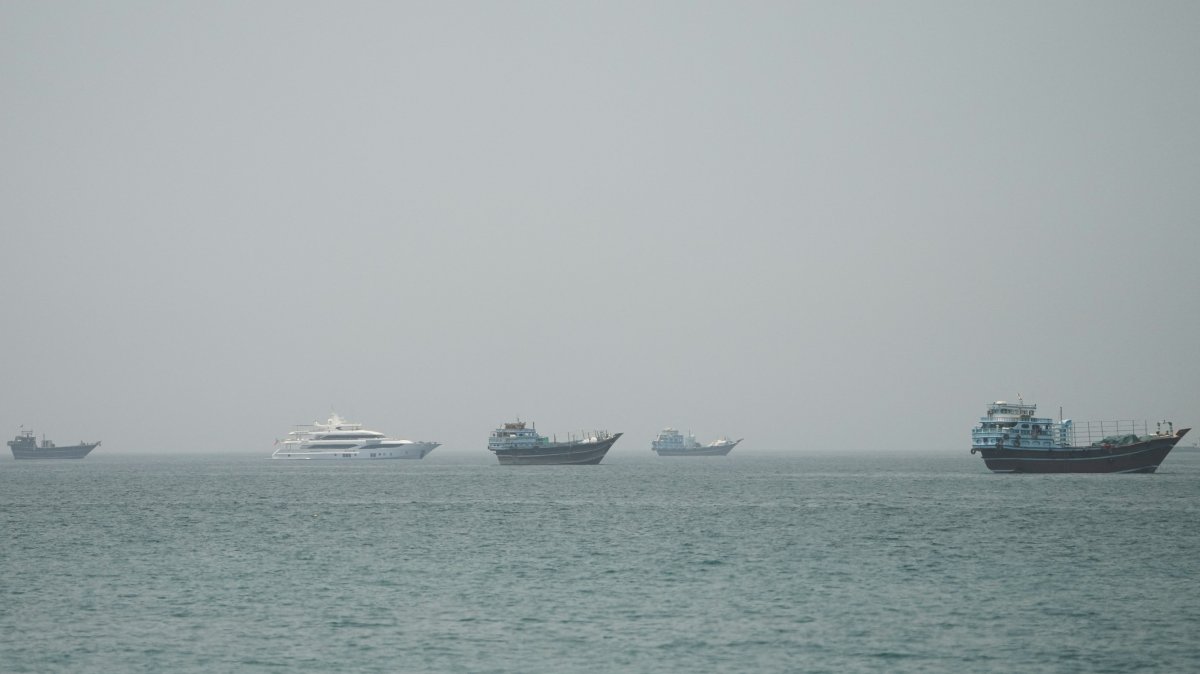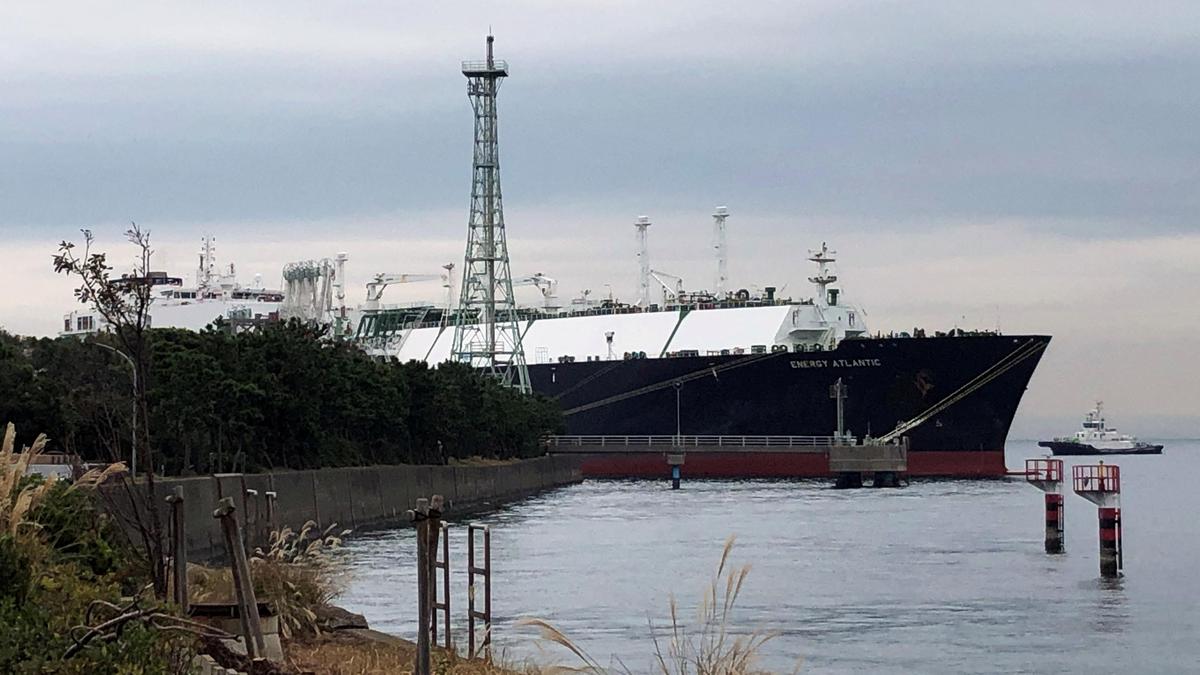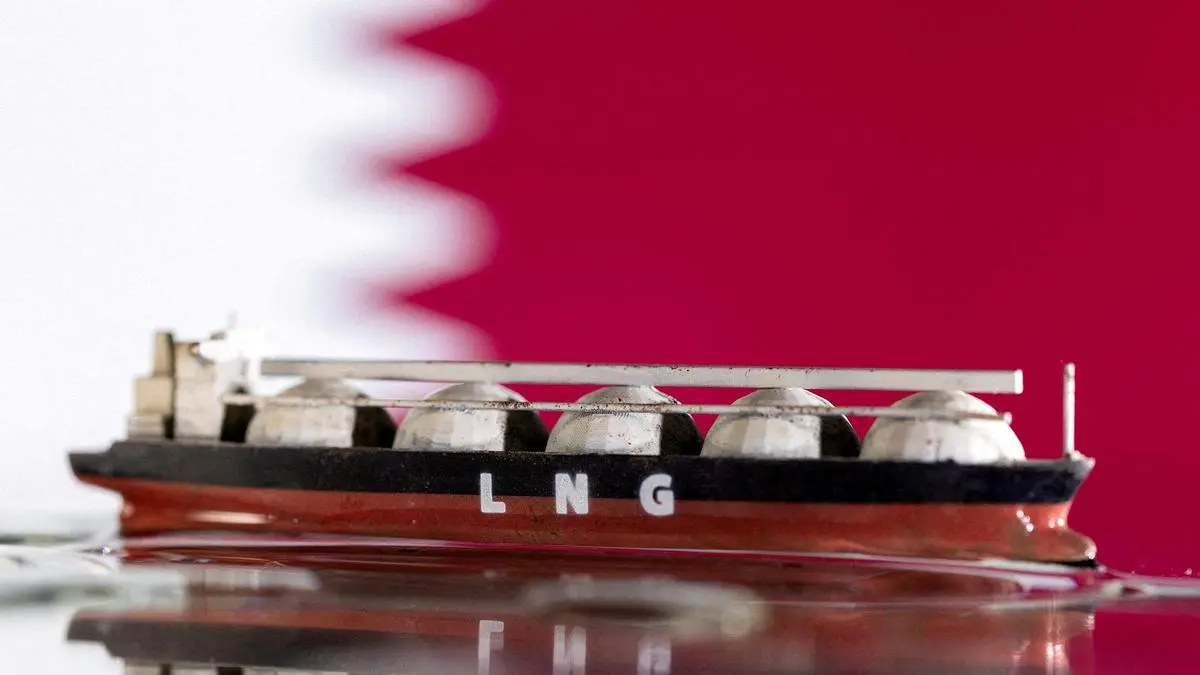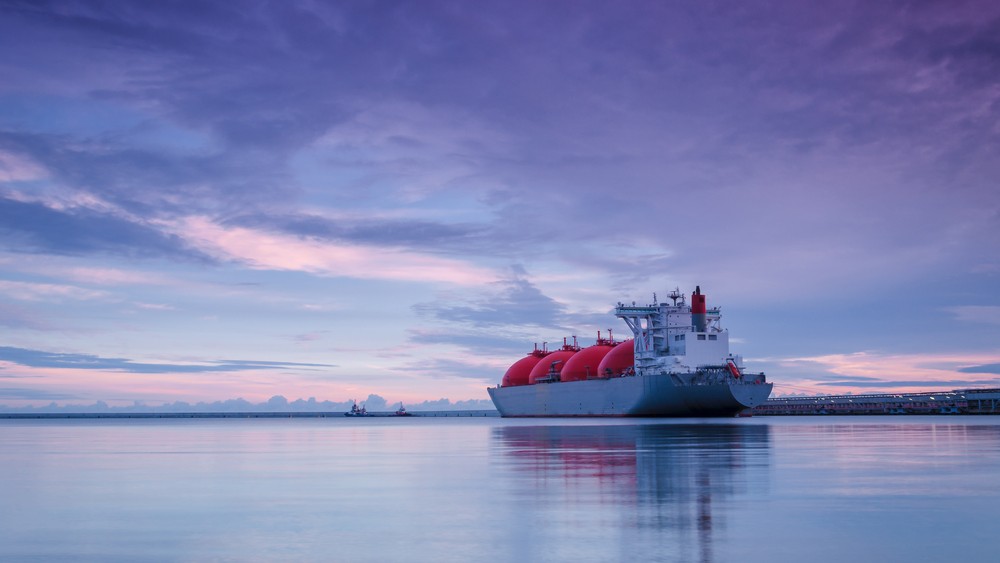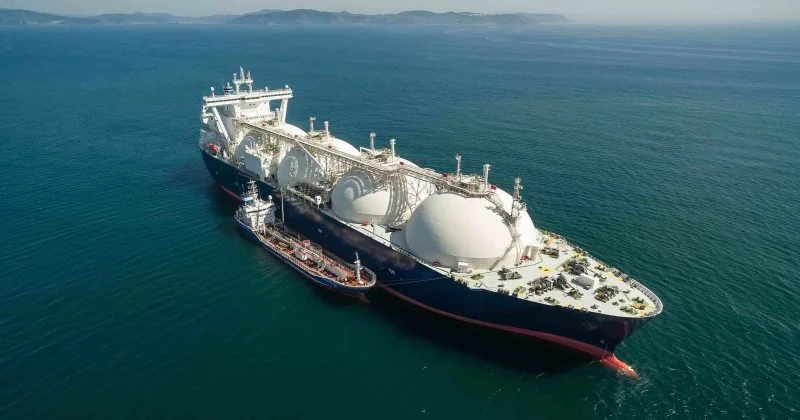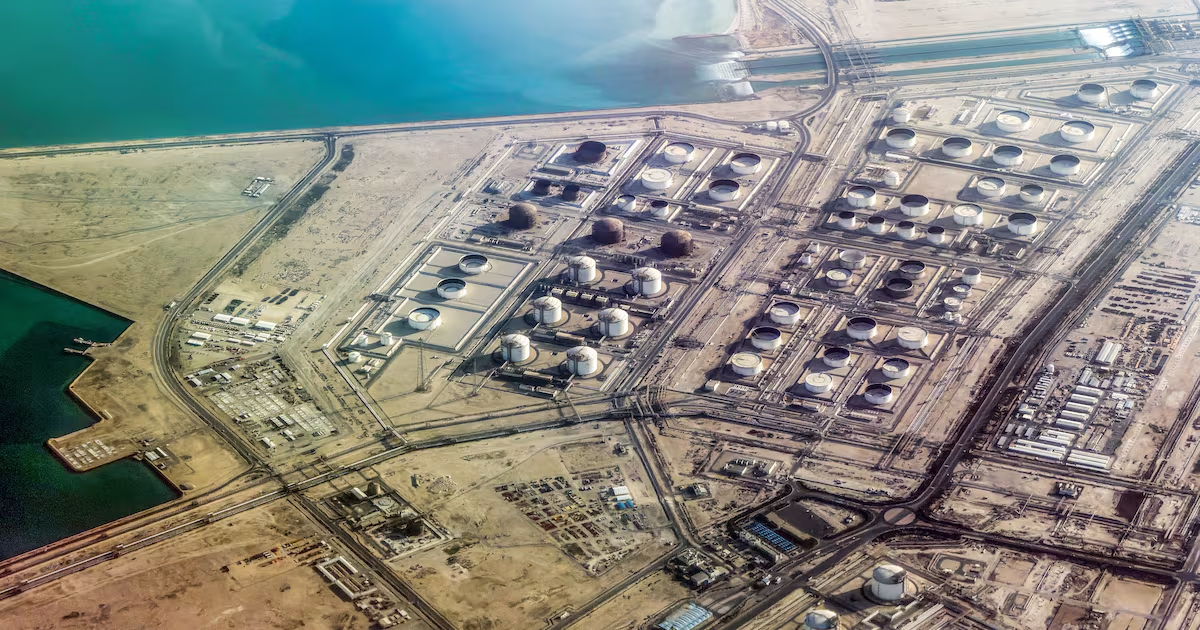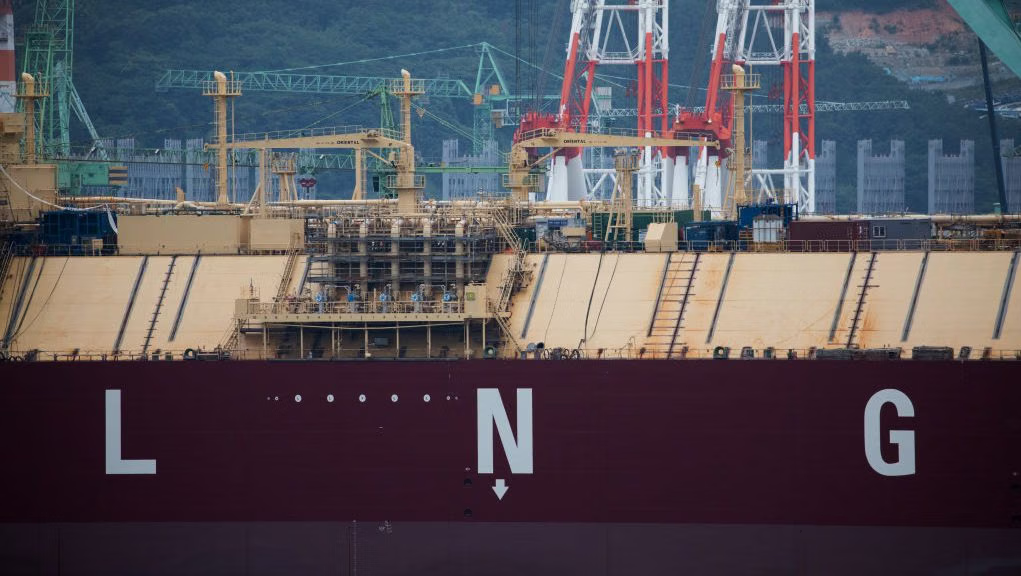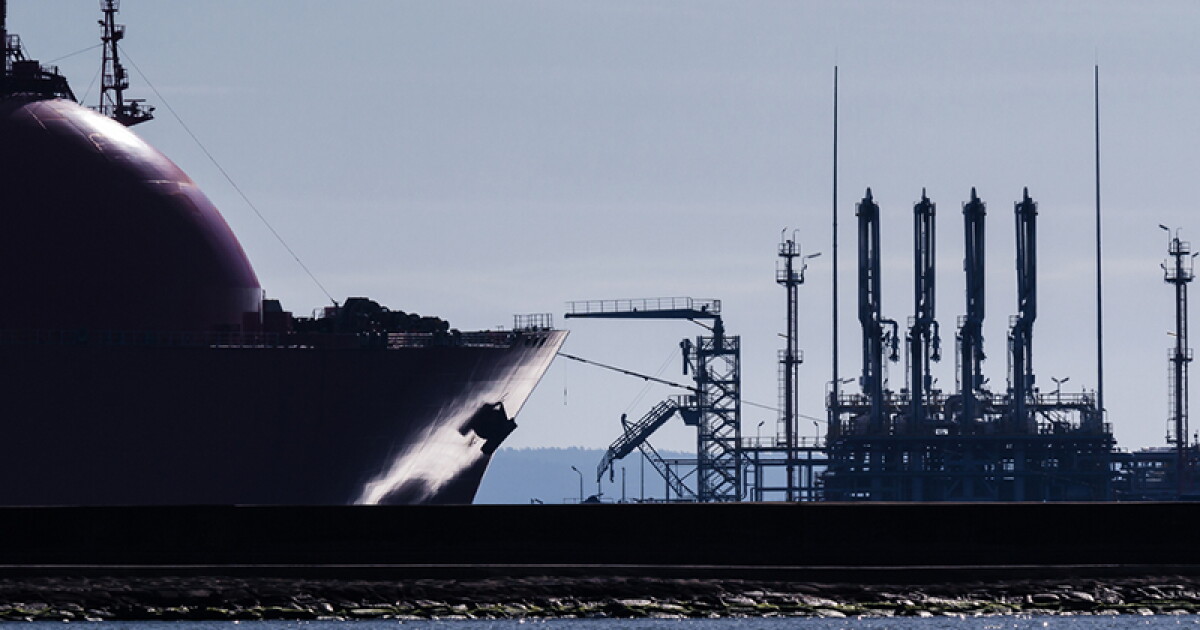
Confidence is growing that the LNG market can avert any significant supply shortages in the second half of this year. Tanker traffic in and out of the Strait of Hormuz continues to tick up after the US and Iran last week signed a memorandum of understanding (MOU) to keep the waterway open as they negotiate a permanent end to their conflict. Global LNG spot prices have dropped since the MOU was signed, although they remain higher than preconflict levels. But eyes remain fixated on QatarEnergy and its unprecedented force majeure on LNG deliveries, declared after it shut down production following attacks on its 77 million ton per year Ras Laffan liquefaction plant early in the conflict. Questions around the MOU's durability and what happens after its 60-day negotiating window closes make some observers nervous. Prior to the beginning of the conflict on Feb. 28, around 20% of global LNG supplies flowed through the strait. It's still unclear when those full flows can resume, but increased tanker traffic is generating optimism in the market. Since Jun. 14, at least 11 LNG tankers have entered the strait to load cargoes, while five laden vessels have exited so far, according to data from ship tracker Kpler — a sign shipowners are gaining confidence the chokepoint can be navigated safely. QatarEnergy has been more cautious than Abu Dhabi National Oil Co. (Adnoc) in shipping LNG during the conflict, although some Qatari LNG tankers have slipped past Hormuz, mostly to Pakistan, presumably with Tehran's approval. Adnoc, which did not suffer significant damage to any LNG facilities, has been sending cargoes through Hormuz since late April, mostly to India, evading detection by switching off ships' transponder signals.
Cautious Optimism for LNG Markets, With All Eyes on Qatar
With Hormuz traffic picking up, fears of a supply shortage this year are subsiding, but much depends on how quickly QatarEnergy can ramp up production.
281 words~1 min read