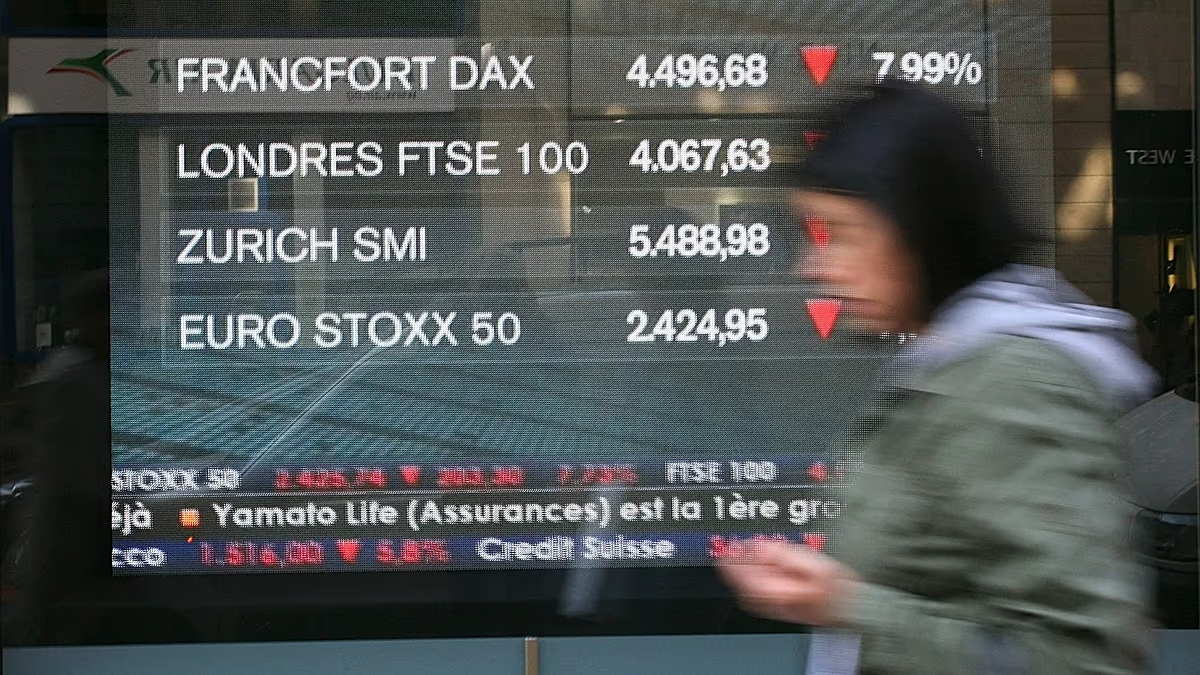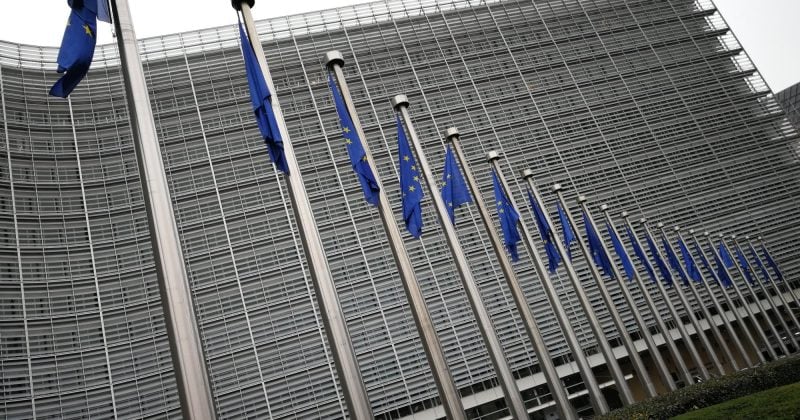
The European Commission adopted a proposal on June 4, 2026, to neutralize the capital impacts of the Fundamental Review of the Trading Book, or FRTB, until 2030. In plain English: EU banks won’t have to set aside more money to cover their trading risks for another four years.
What the FRTB is and why it keeps getting delayed
The FRTB is a set of Basel III standards that overhaul how banks calculate capital requirements for their trading books. Trading books are essentially the portfolios of financial instruments that banks hold for short-term buying and selling, as opposed to the assets they plan to hold long-term.
After the 2008 financial crisis exposed massive gaps in how banks measured trading risk, global regulators agreed that the old models were inadequate. The FRTB was supposed to fix that by introducing more sensitive, more granular risk measurement frameworks.
The FRTB has been punted multiple times already. An initial 2025/2026 implementation timeline was previously pushed to January 1, 2027, through delegated acts. Now the Commission is ensuring that even when those rules technically take effect, their capital bite won’t be felt until 2030.