The European Union is building a financial instrument worth €30 billion to funnel money into clean technology, and it’s doing so by tapping the very market designed to make pollution expensive. The mechanism, called the ETS Investment Booster, will sell 400 million allowances from the EU Emissions Trading System to raise capital for decarbonization projects across the continent.
How the Booster works
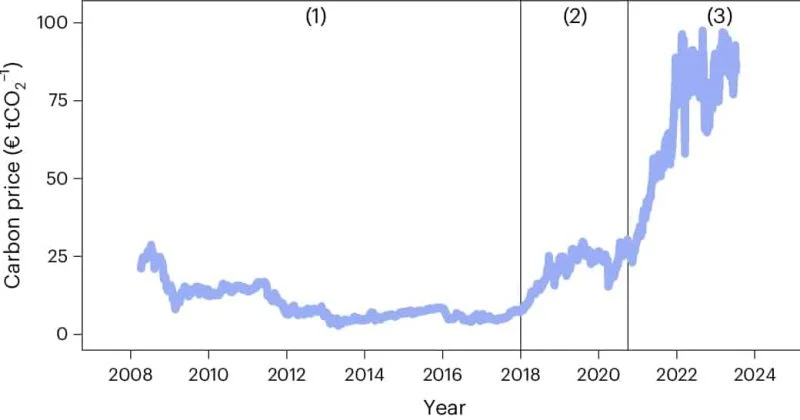
The EU Emissions Trading System is essentially a cap-and-trade scheme. Companies buy permits to emit carbon dioxide, and the total number of permits shrinks over time. Fewer permits means higher prices, which means burning fossil fuels gets progressively more painful for the bottom line.
The ETS Investment Booster takes 400 million of those allowances and sells them to raise roughly €30 billion. That money gets directed toward clean technology and decarbonization, with a particular emphasis on lower-income member states and industrial sectors that need help making the transition.
European Commission President Ursula von der Leyen unveiled the plan in March 2026 as part of a broader package of ETS reforms. Those reforms include updates to benchmark allocations and enhancements to the Market Stability Reserve, the EU’s existing mechanism for managing the supply of carbon permits.