The European Commission is dangling a carrot in front of its most carbon-intensive industries: keep your factories in Europe, invest in cleaning them up, and we’ll keep handing you free emissions permits. That’s the core trade-off in a draft revision of the EU Emissions Trading System that surfaced in an internal document on June 10.
The formal proposal is expected on July 15, and it signals a notable shift in how Brussels balances climate ambition with industrial competitiveness.
What the draft revision actually changes
The EU ETS is essentially a cap-and-trade system. Companies get a fixed number of permits to emit carbon dioxide. If they emit less, they can sell the extras. If they emit more, they have to buy permits on the market. Over time, the total cap shrinks, making pollution progressively more expensive.
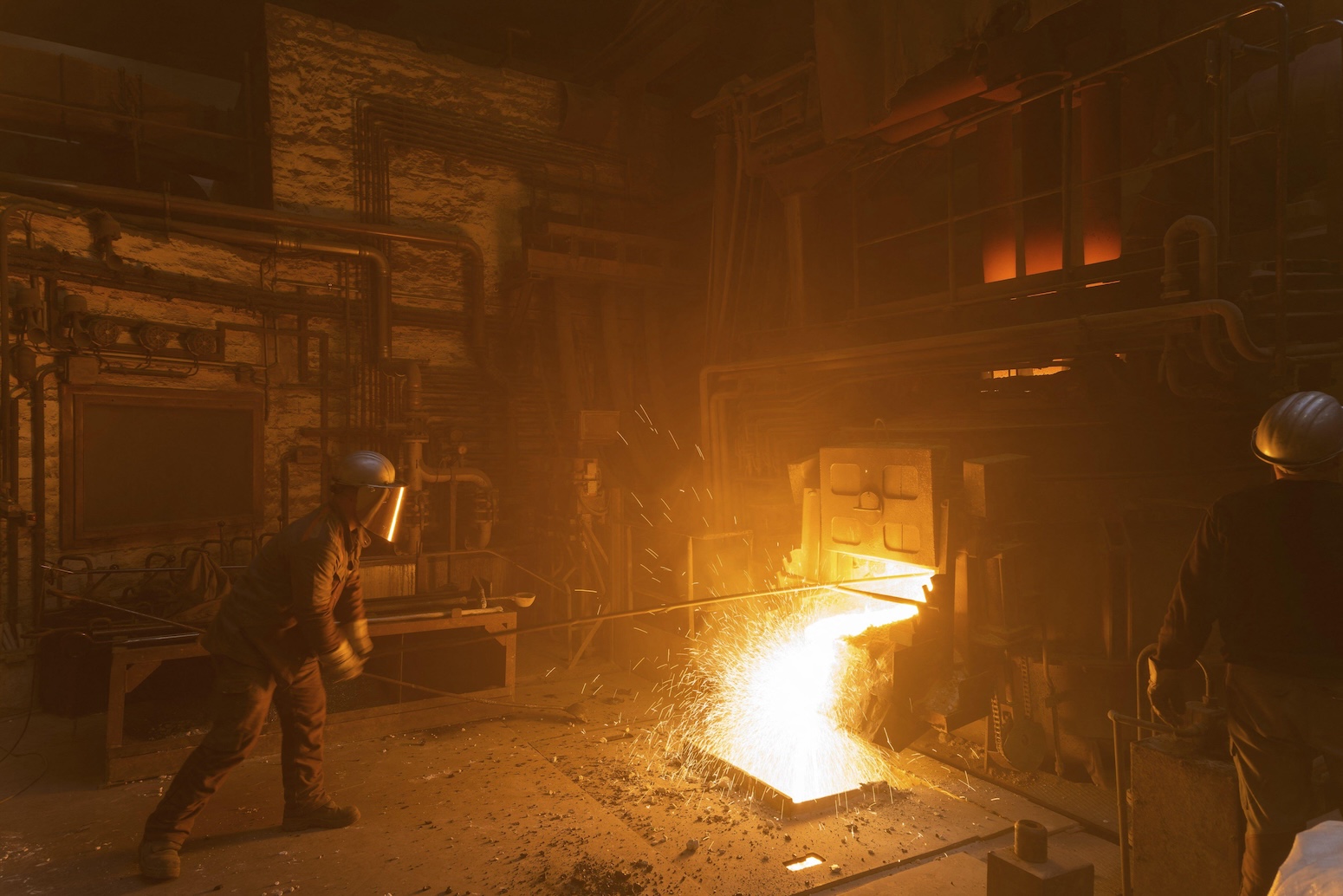
Free allowances have always been the system’s pressure-release valve. Energy-intensive industries, think steelmakers, cement producers, and chemical plants, receive a portion of their permits for free to prevent them from simply packing up and moving to countries where carbon costs nothing. This phenomenon is known as “carbon leakage,” and it’s been the bogeyman of European climate policy for over a decade.