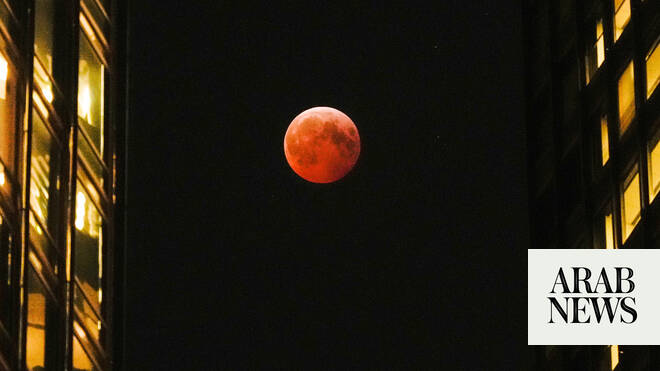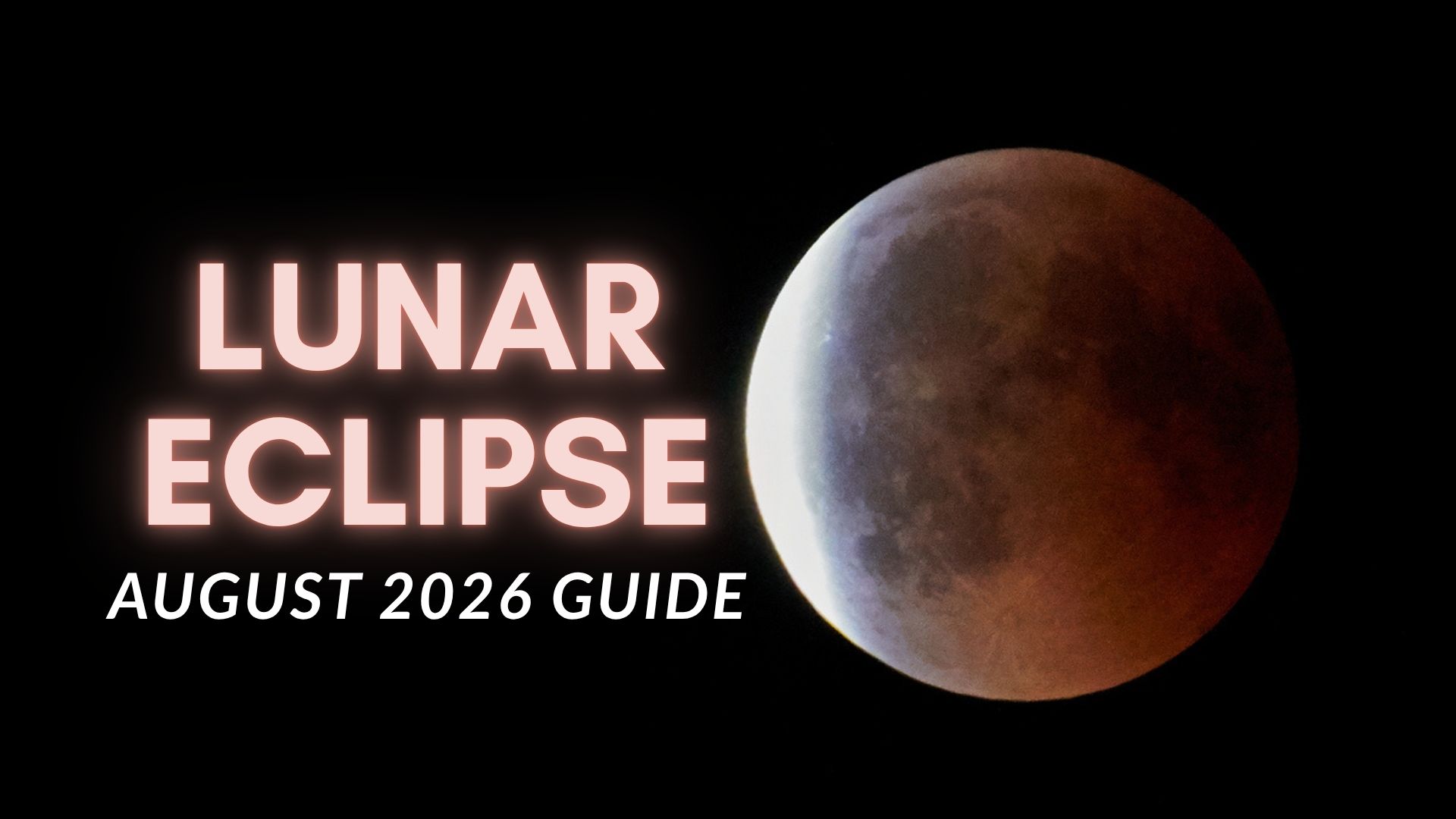
A deep partial lunar eclipse on August 27-28, 2026, will be visible in North America and will be the best lunar eclipse anywhere on Earth until New Year's Eve 2028.
(Image credit: Eclipse inset: Giovanni Bortolani via Getty Images. Royalty Free. Graphic created in Canva Pro.)
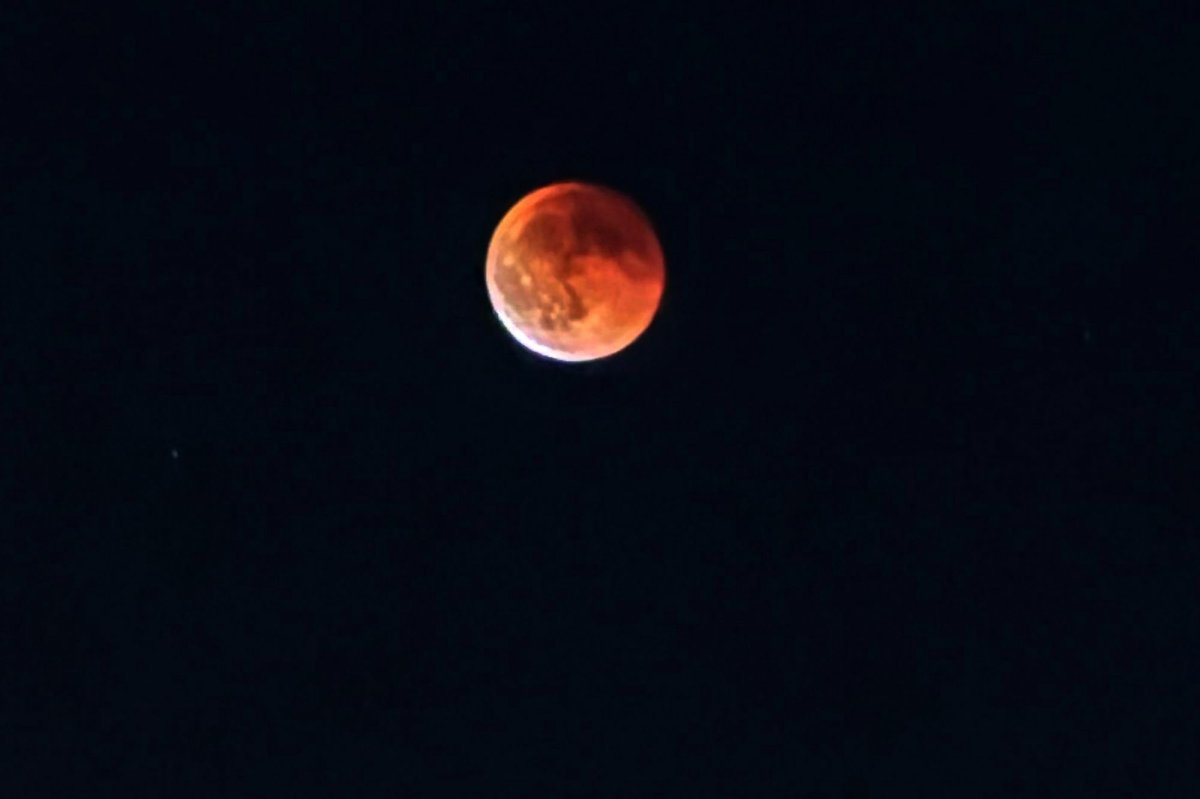
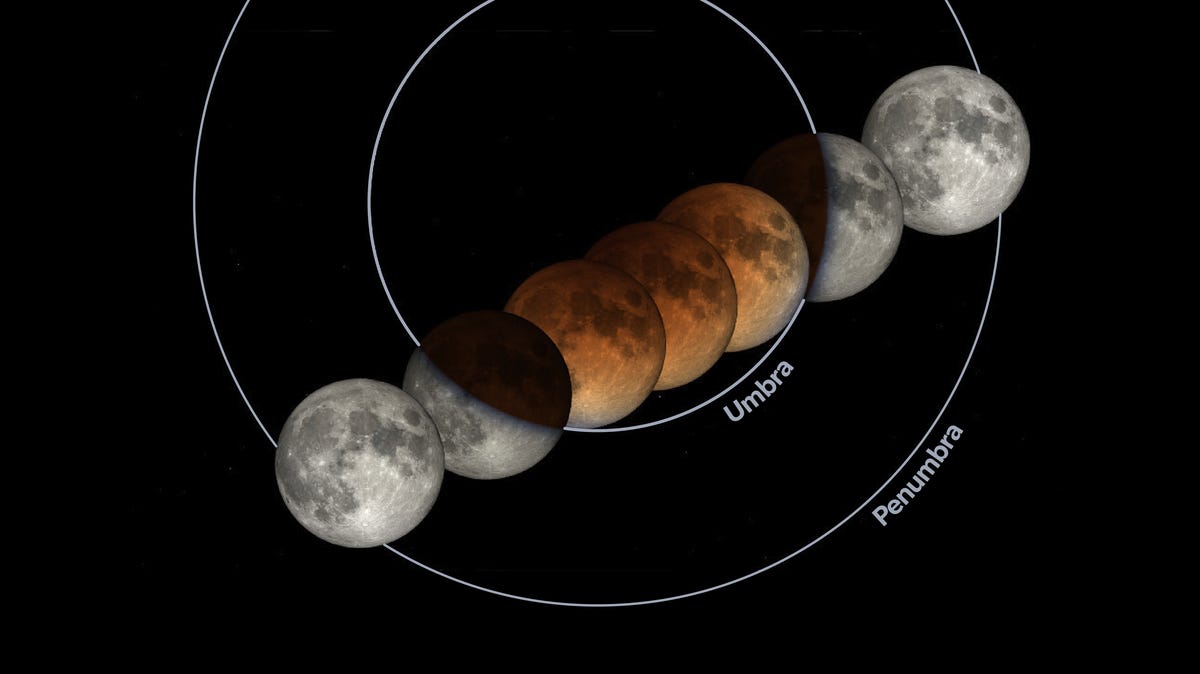
On Aug. 27-28, 2026, a very deep partial lunar eclipse will be visible from Europe, Africa, North America and South America, with just over 96% of the moon passing into Earth's shadow.Lunar eclipses happen when Earth is between the sun and a full moon. During the event, the moon moves through Earth's umbra, the dark center of its shadow.Where will the August 2026 partial lunar eclipse be visible?The best views of the August 2026 partial lunar eclipse will be from North and South America. According to Time and Date, about 12% of the world's population — 987 million people — will see all phases of the eclipse (penumbral and partial), while around 16% — 1.3 billion — will see all of the partial phase. Viewing conditions will depend on the local weather, with western U.S. states, northern Chile and inland Brazil statistically offering the best odds of clear skies.What will happen during the partial lunar eclipse?
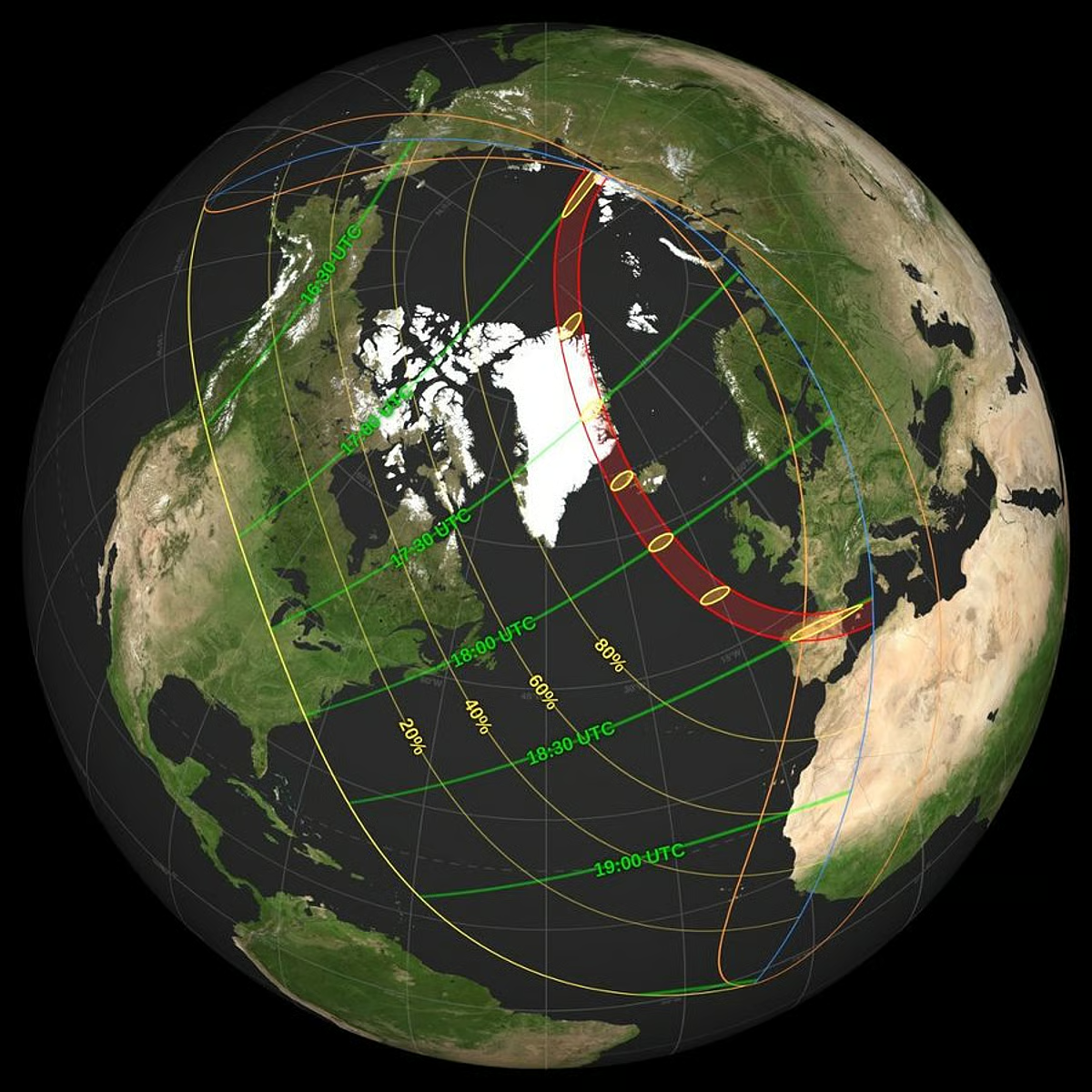
A map of the lunar eclipse on Aug. 27-28, 2026. Click the arrows in the bottom left corner to expand to full screen. (Image credit: F. Espenak, NASA's GSFC)The Aug. 27-28, 2026, event will be the first deep partial lunar eclipse anywhere in the world since Sept. 18, 2024, and the last until Jan. 11-12, 2028 (when only 2.4% of the moon will be in Earth's umbral shadow). As such, 2026's partial lunar eclipse will be the most impressive lunar eclipse until a total lunar eclipse on Dec. 31, 2028.During the August 2026 eclipse, the full "Sturgeon Moon" will rise and, later that night, pass into Earth's umbral shadow. As it does, the full moon will dim and, as the partial eclipse reaches its peak, look slightly reddish-orange. However, it won't be a true "blood moon" because at no point will there be lunar totality — when the entire lunar surface falls under Earth's shadow. The eclipse — including both the slight penumbral (when the moon drifts into Earth's fuzzy outer shadow) and partial phases — will last 5 hours, 38 minutes.This partial lunar eclipse will occur just over five days after the moon reaches apogee — its farthest point from Earth on its slightly elliptical orbit — making it of average apparent size.