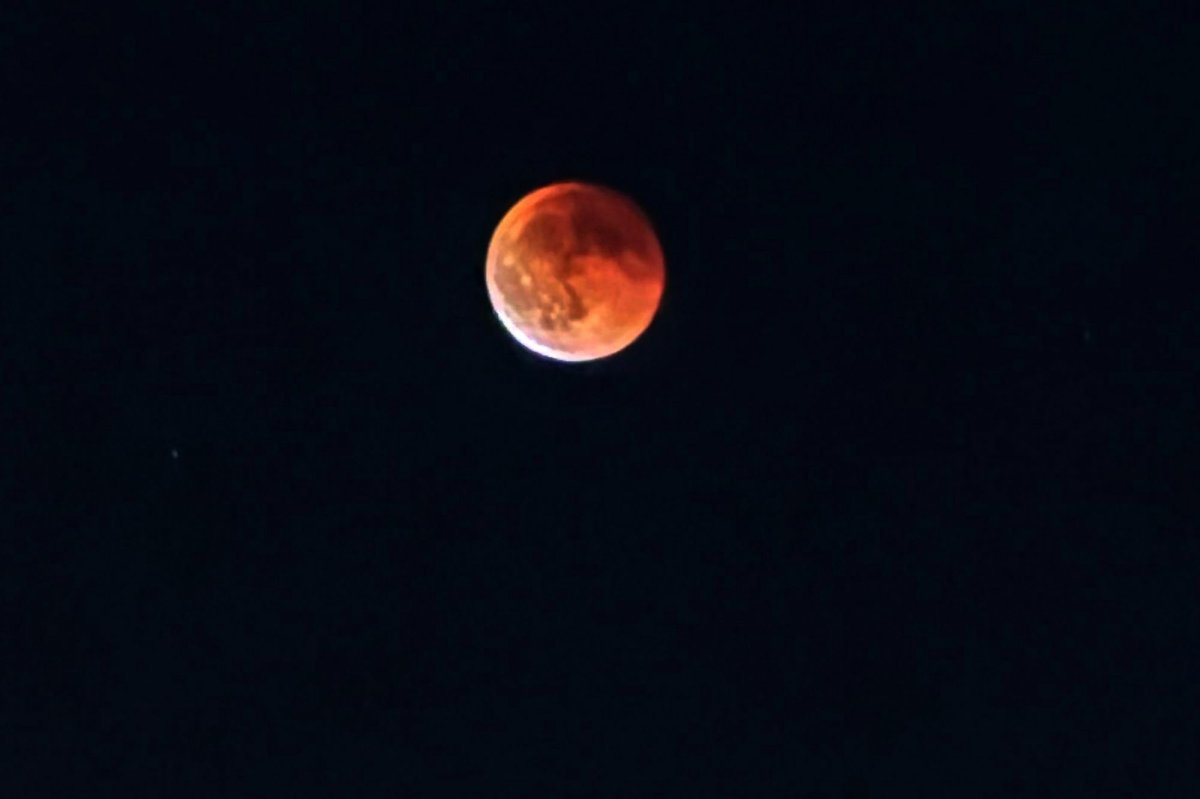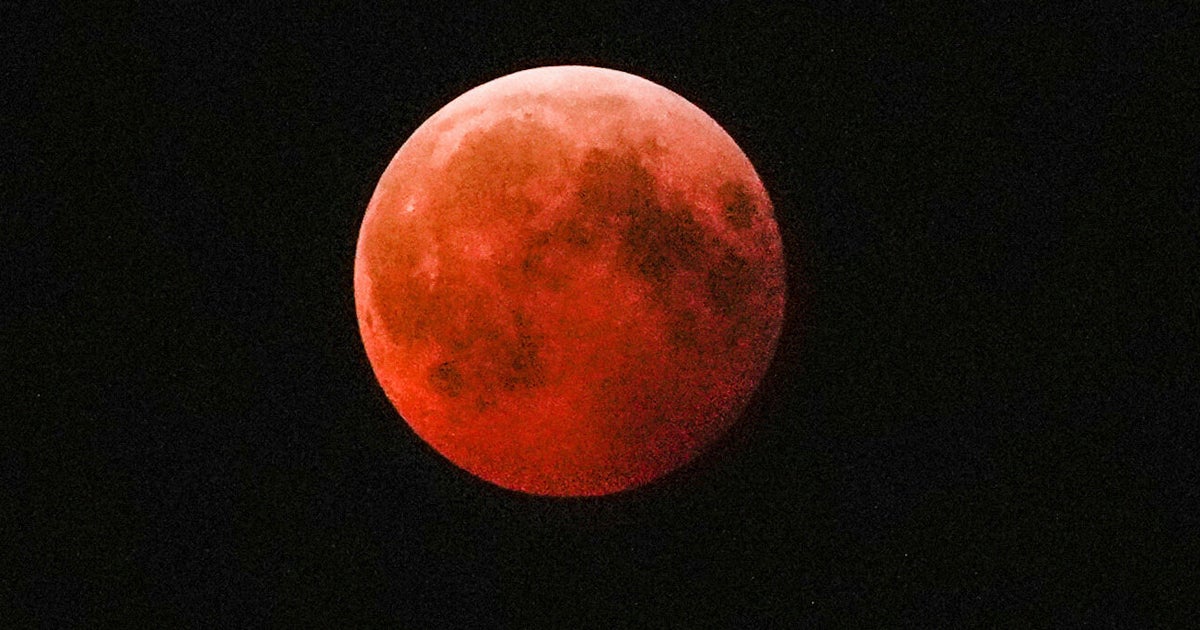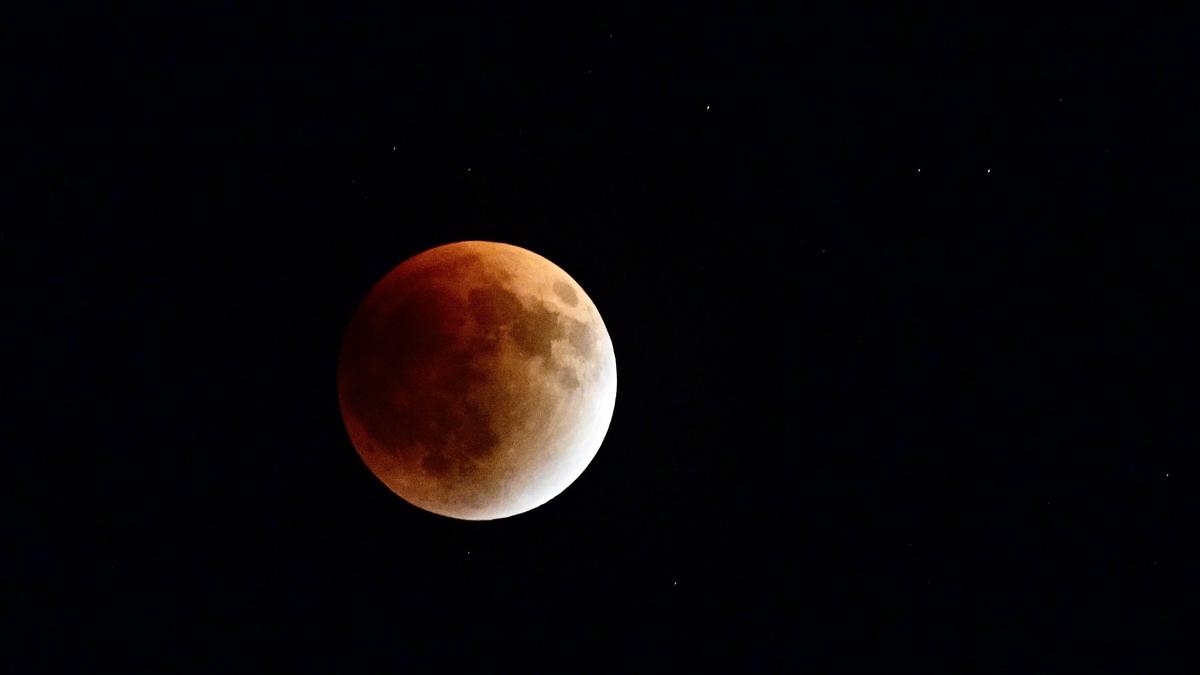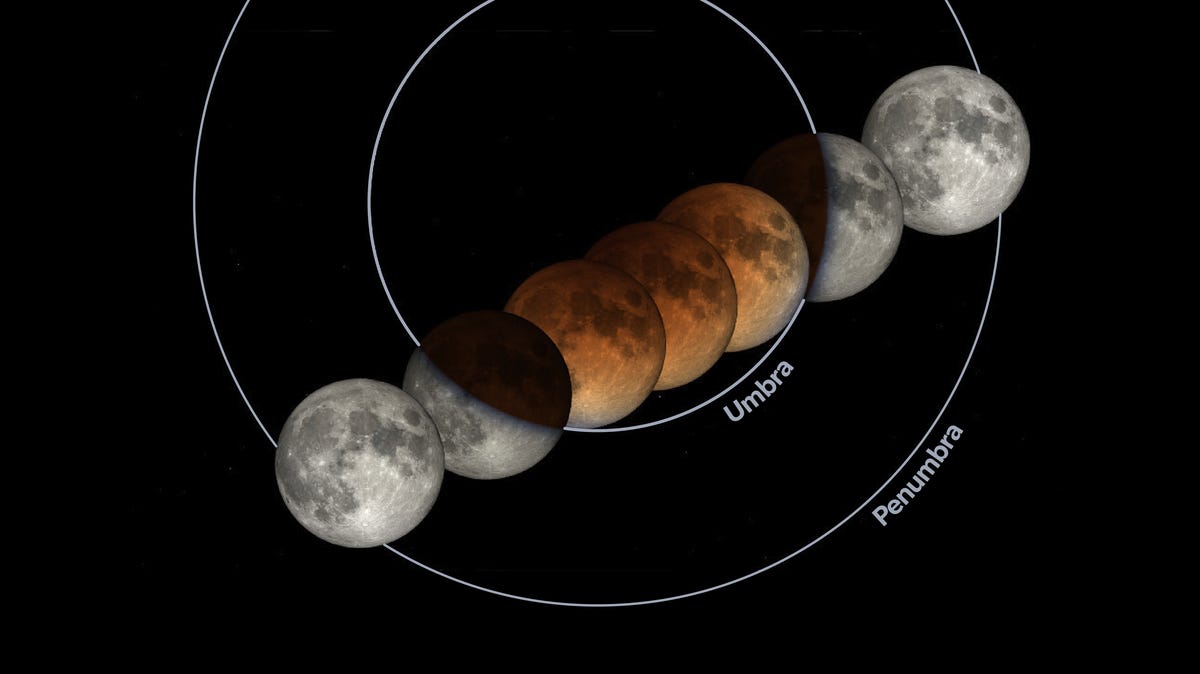
A total lunar eclipse will happen in the early hours on March 2–3, with the best views occurring in western North America.
About 176 million people, or 2% of the world's population, will be able to witness the eclipse's complete phases, according to TimeandDate.com.
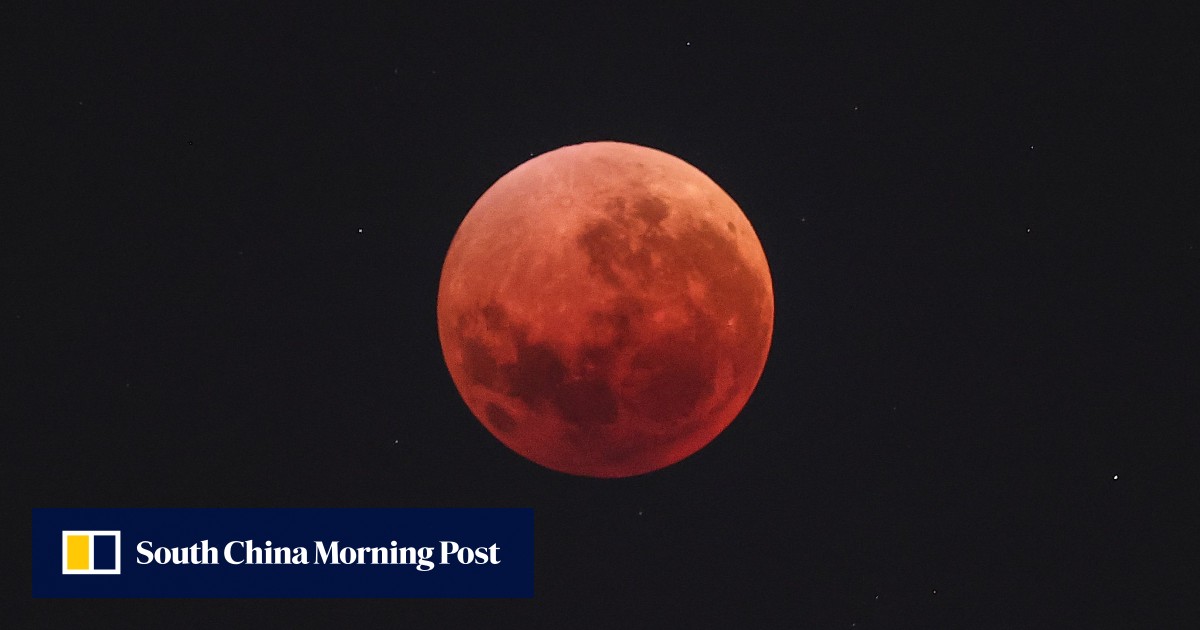
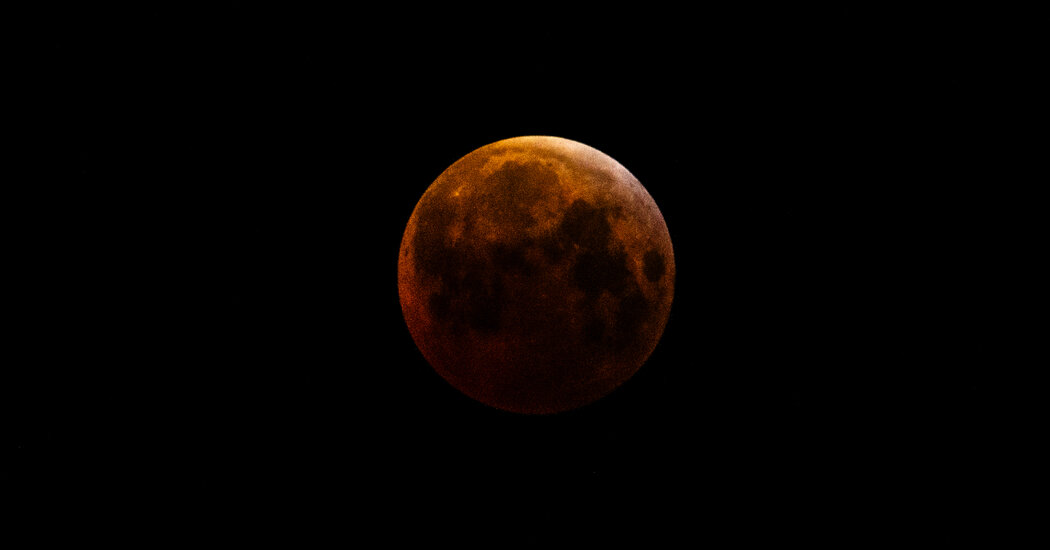
Over the course of its nearly 1 hour of totality, the moon will change to deep shades of rusty red, creating a breathtaking sight in the night sky. The next total lunar eclipse won't be visible in the United States until June 2029, according to NASA.
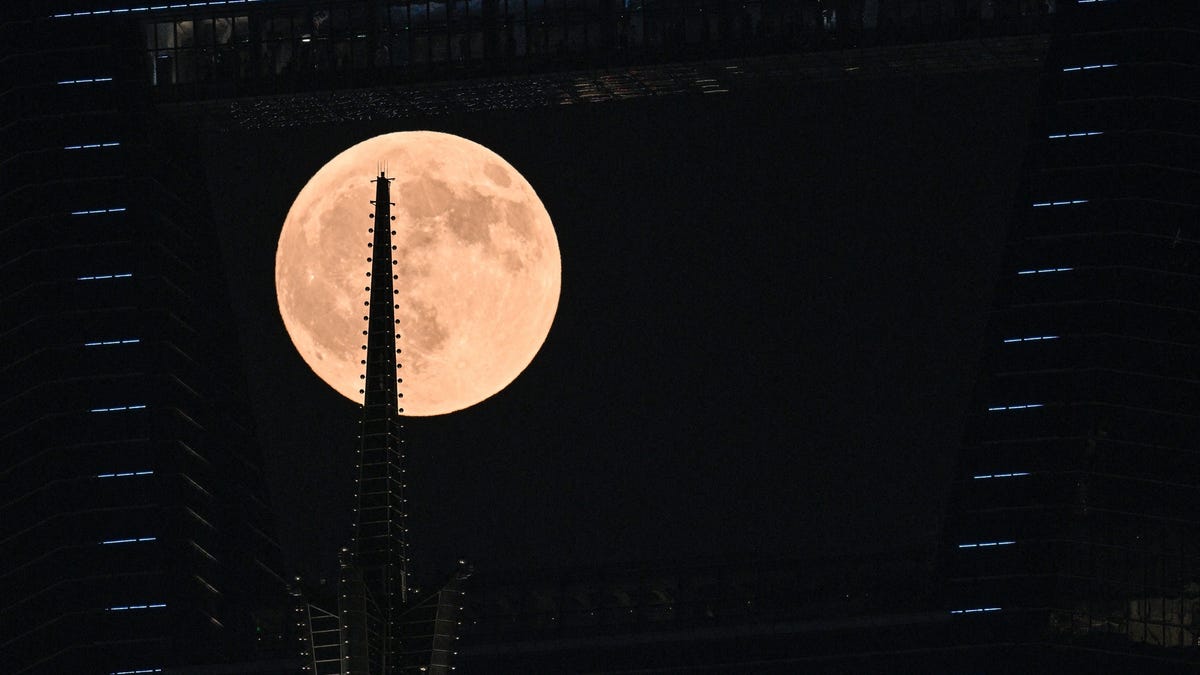
March's full moon will also be a worm moon, which will peak on Tuesday, March 3 at 6:38 p.m. EST, according to The Old Farmer's Almanac. Because it falls during a total lunar eclipse, this particular full moon is special. Total lunar eclipses are often called "blood moons" due to the moon's tendency to become rusty red when it is completely hidden by Earth's shadow.
More: Expect delays, tech issues. First Mercury retrograde of 2026 is upon us.