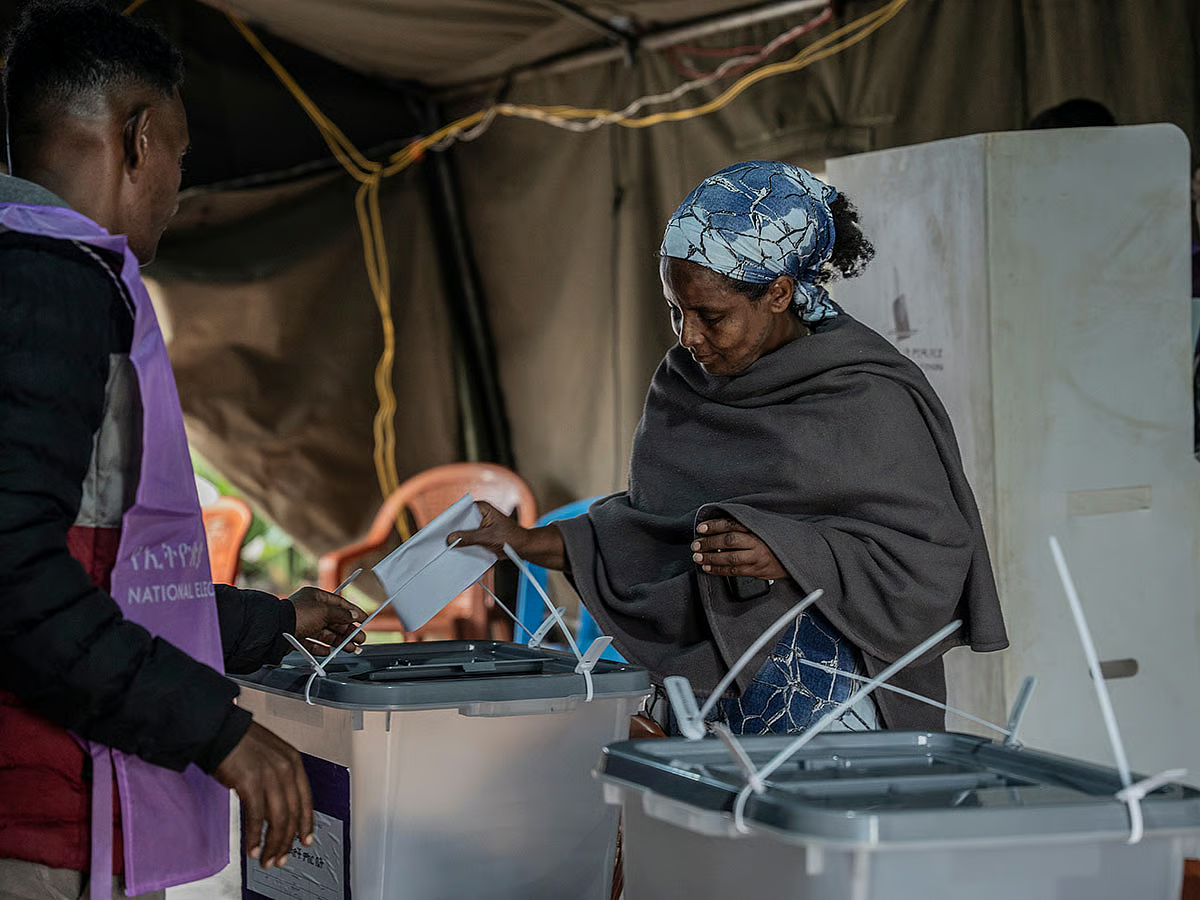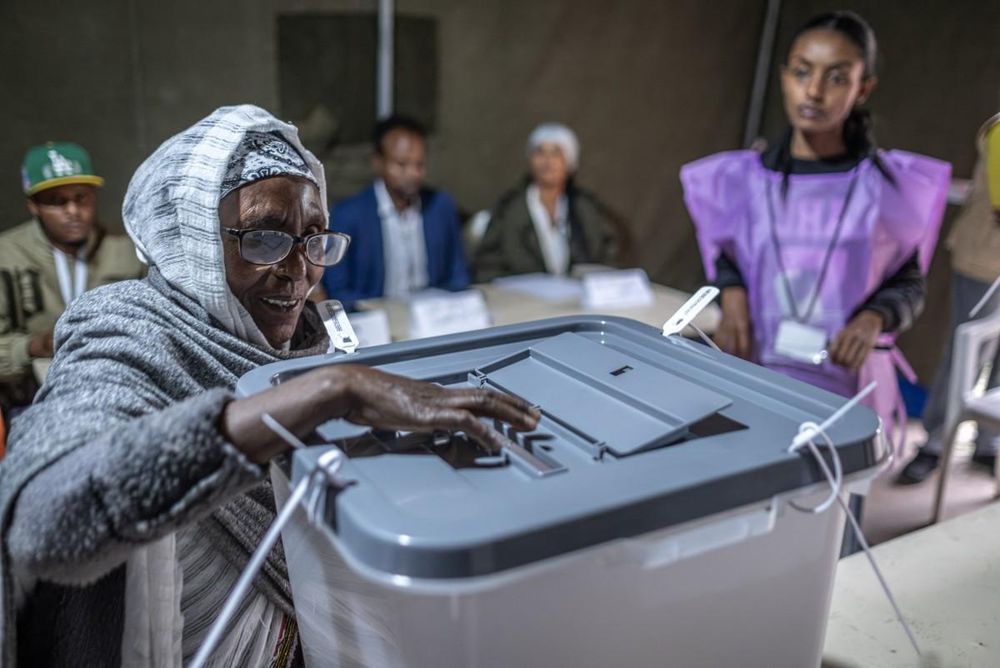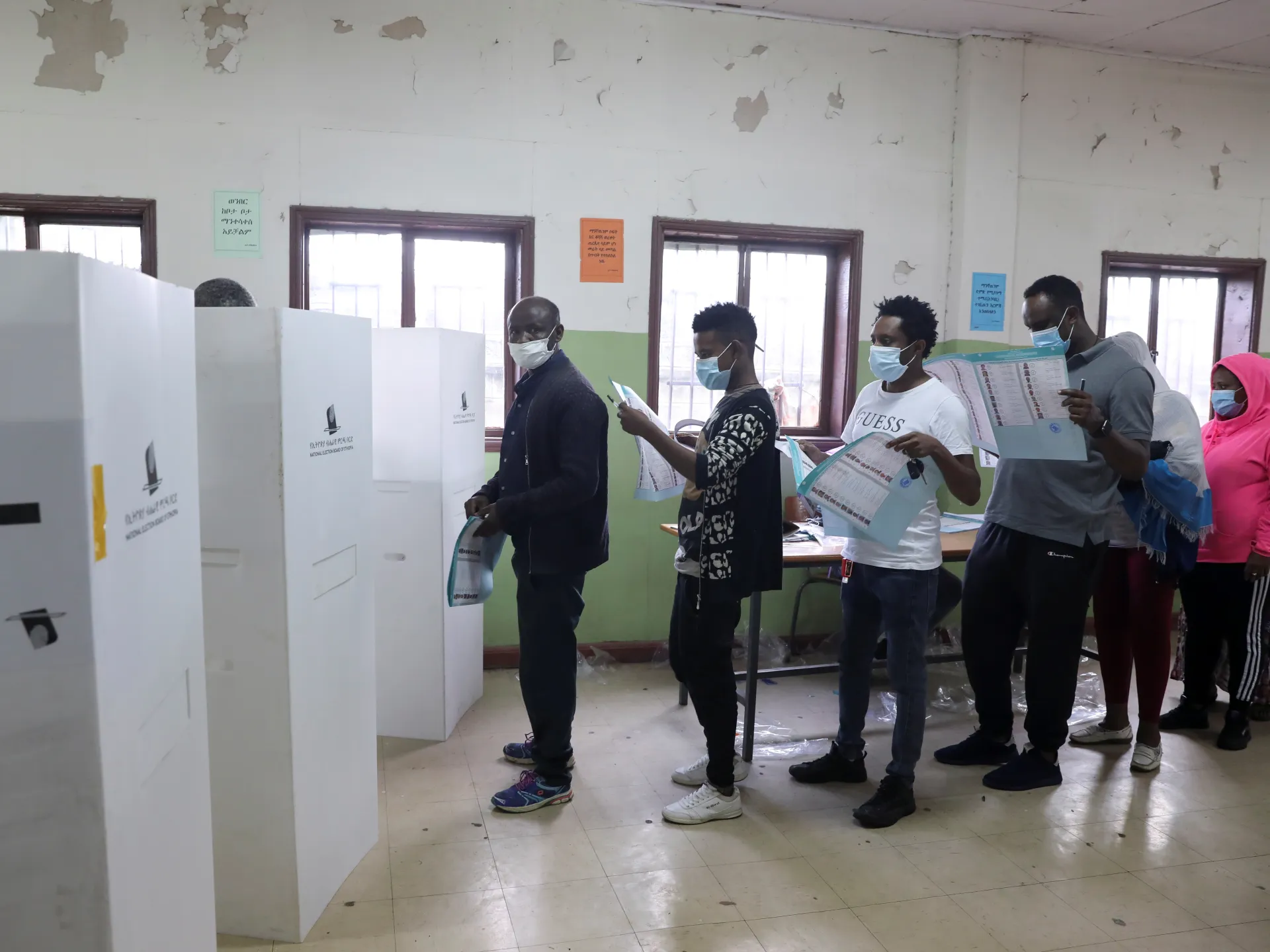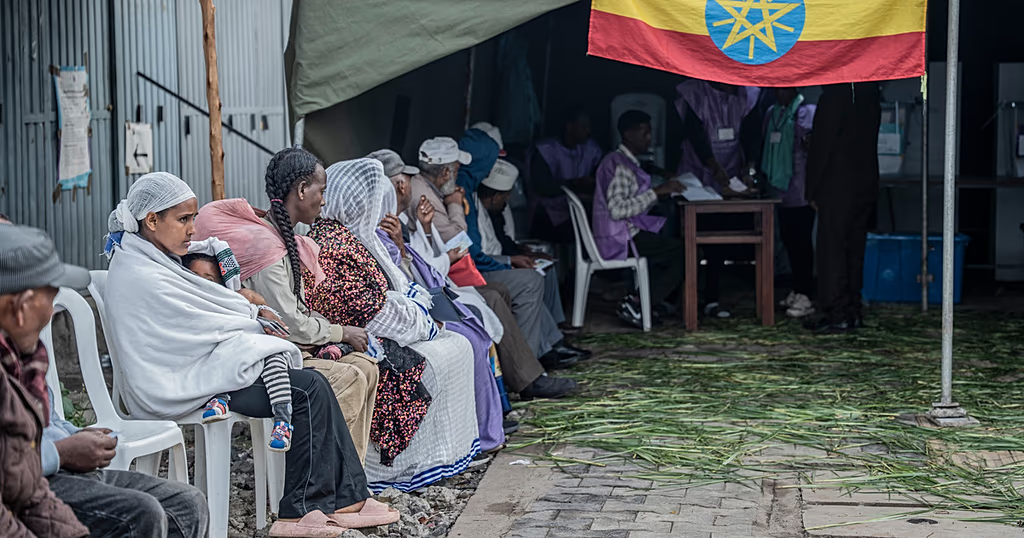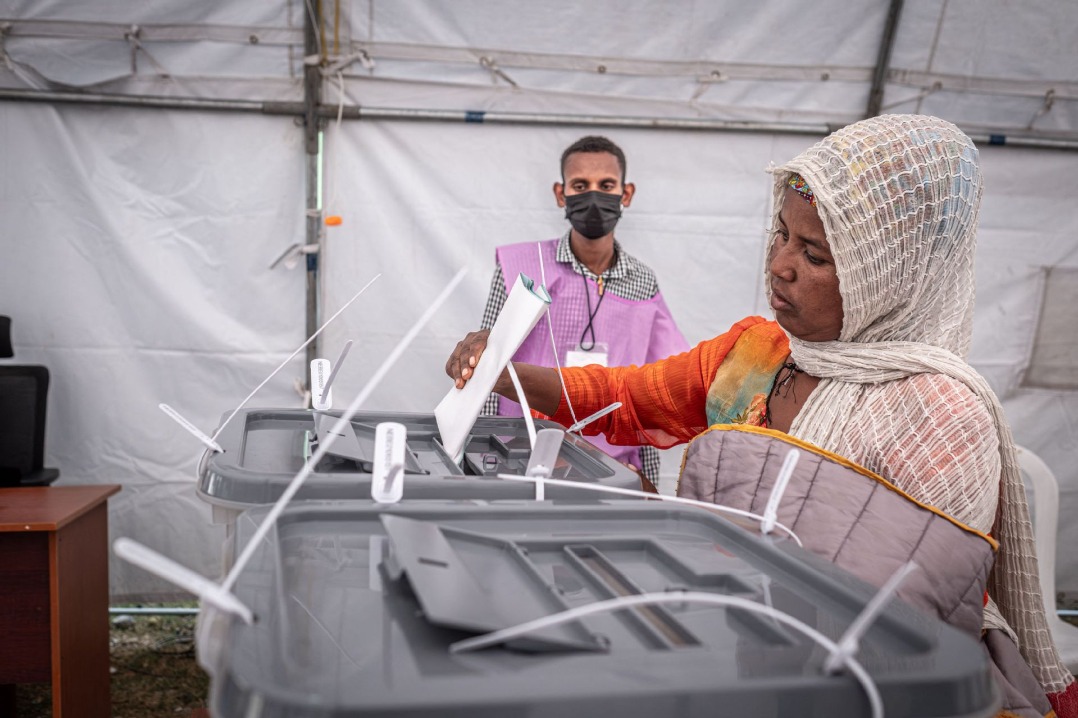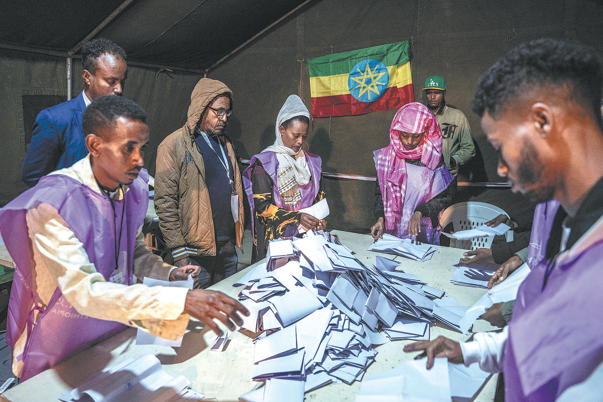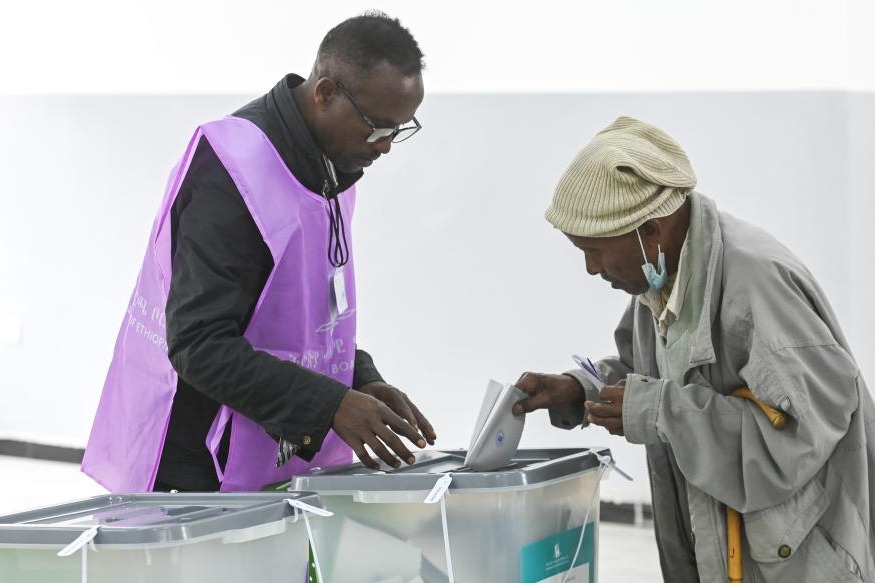
Regional election observers have praised Ethiopia's adoption of new electoral technologies and strong voter participation in its seventh general election, describing the process as a notable step in the country's efforts to strengthen democratic institutions despite persistent security challenges.
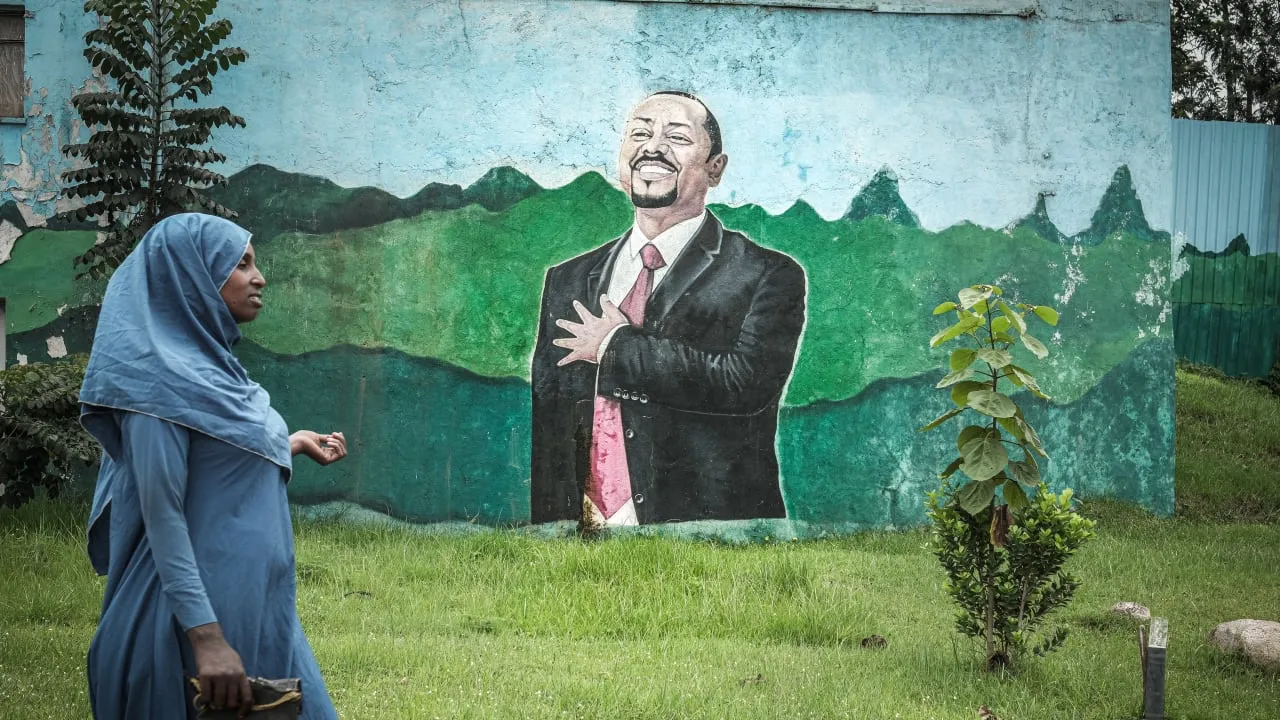
The polls on Monday were the second general election held since 2018 after Prime Minister Abiy Ahmed was elected. As one of Africa's most populous nations and a key diplomatic player on the continent, developments in Ethiopia are closely watched by regional governments and international partners.
Preliminary assessments released on Wednesday by observer missions from the African Union and the Intergovernmental Authority on Development highlighted improvements in election administration, voter registration and electoral inclusion, while acknowledging that insecurity continued to affect parts of the country.
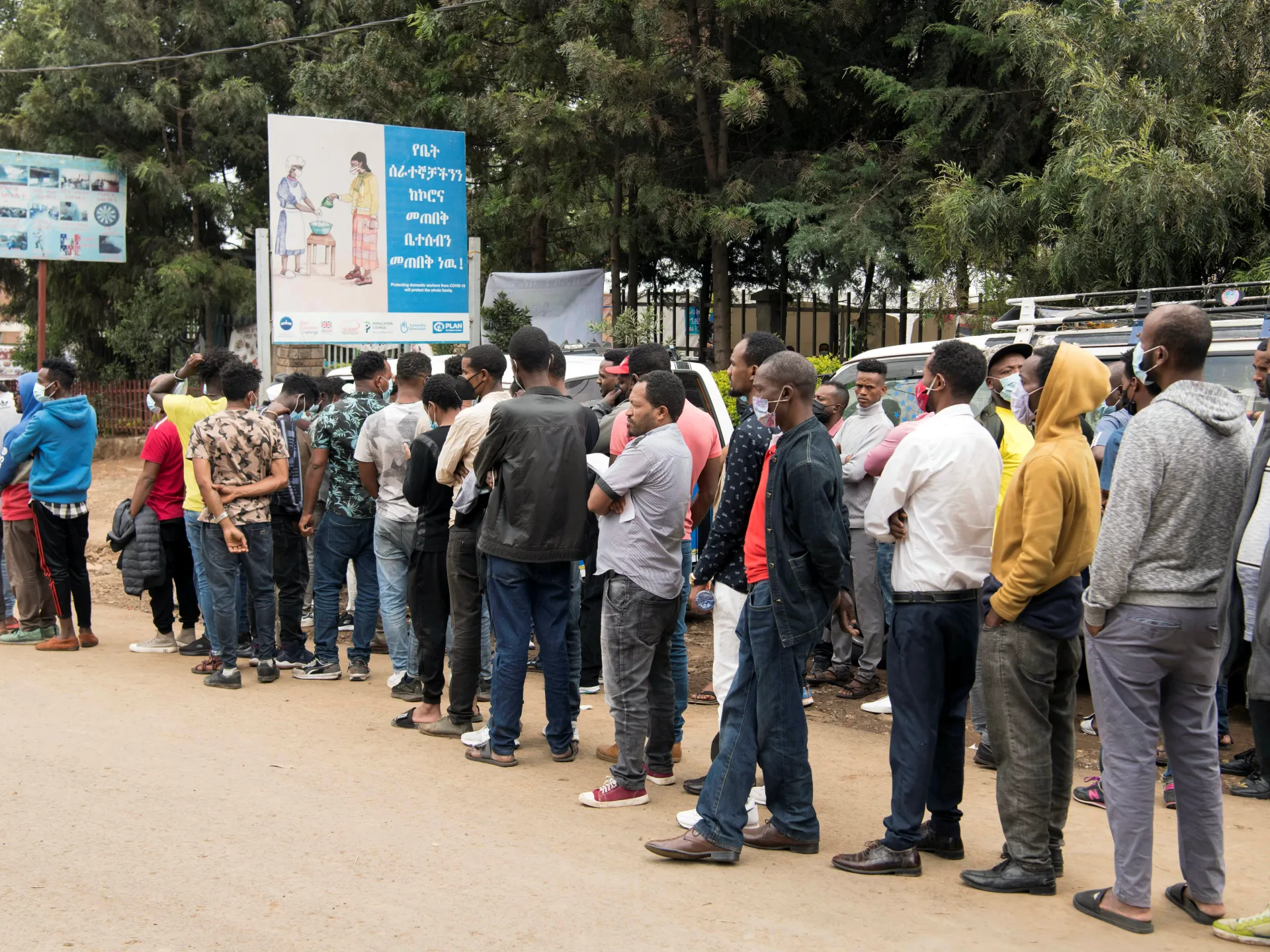
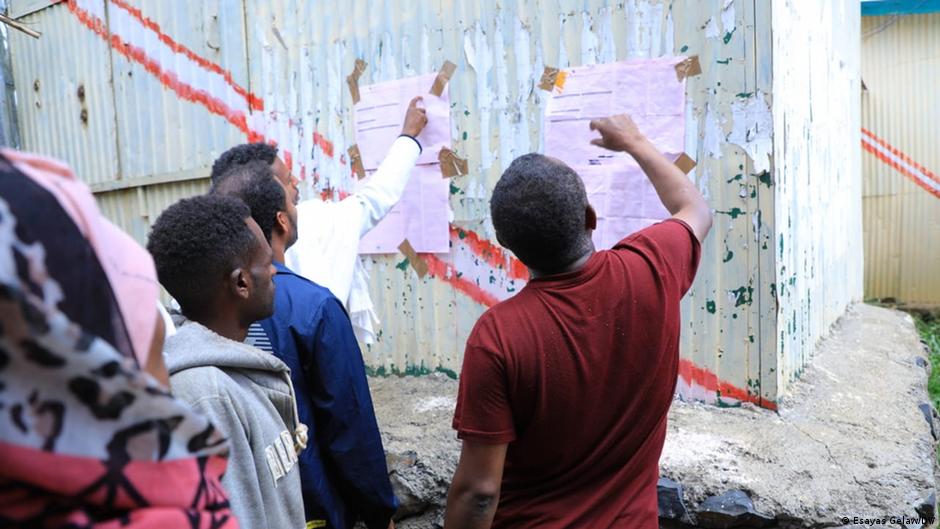
According to the National Electoral Board of Ethiopia, more than 50.5 million citizens registered to vote, surpassing the board's initial target and marking a significant increase from the previous general election. More than 5.5 million voters registered through digital platforms under a hybrid digital-analog registration system.