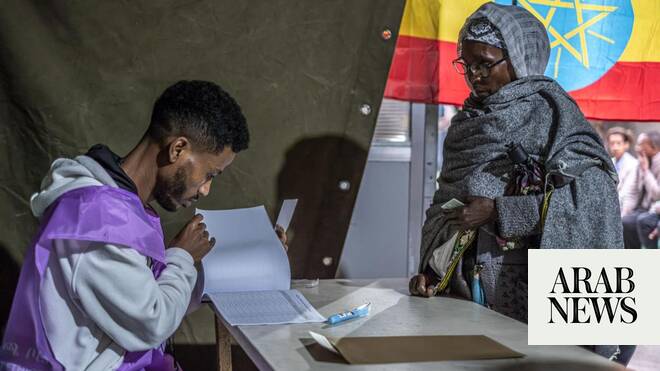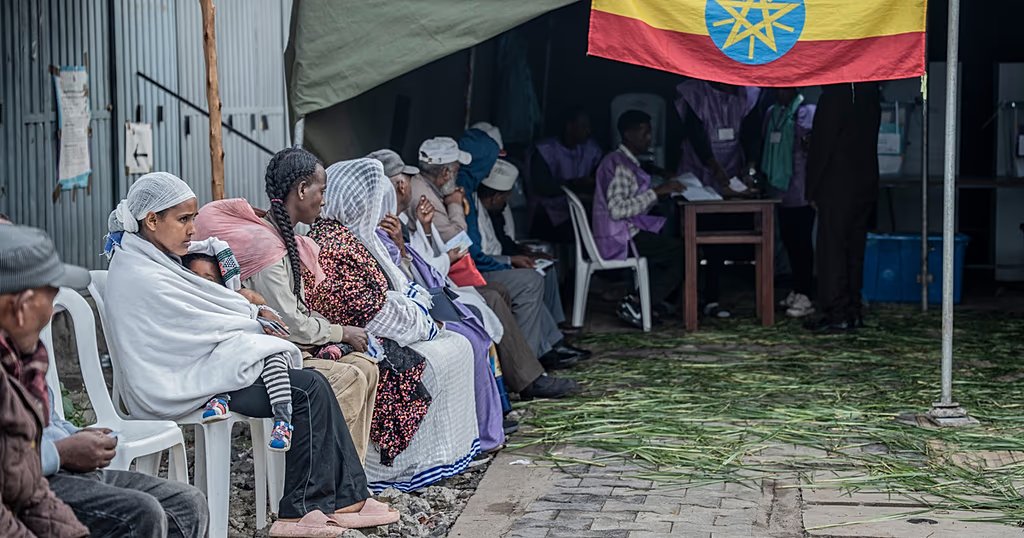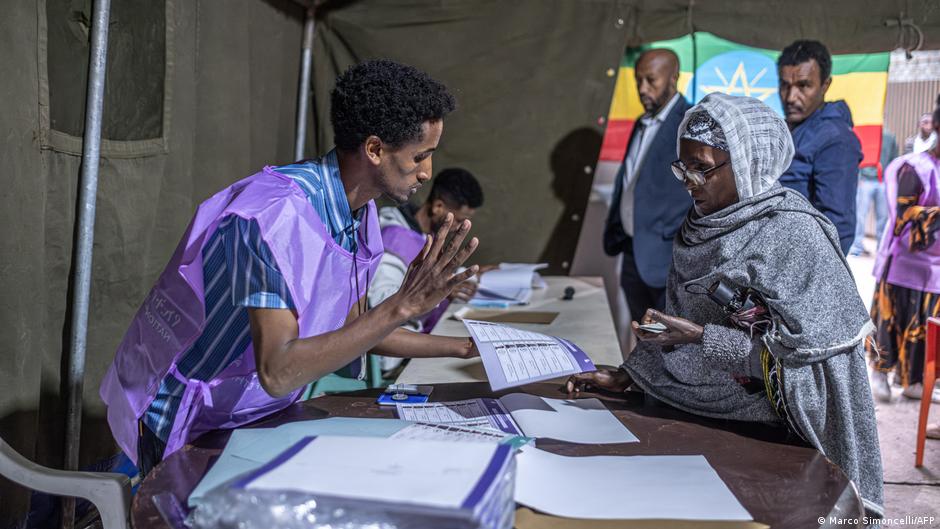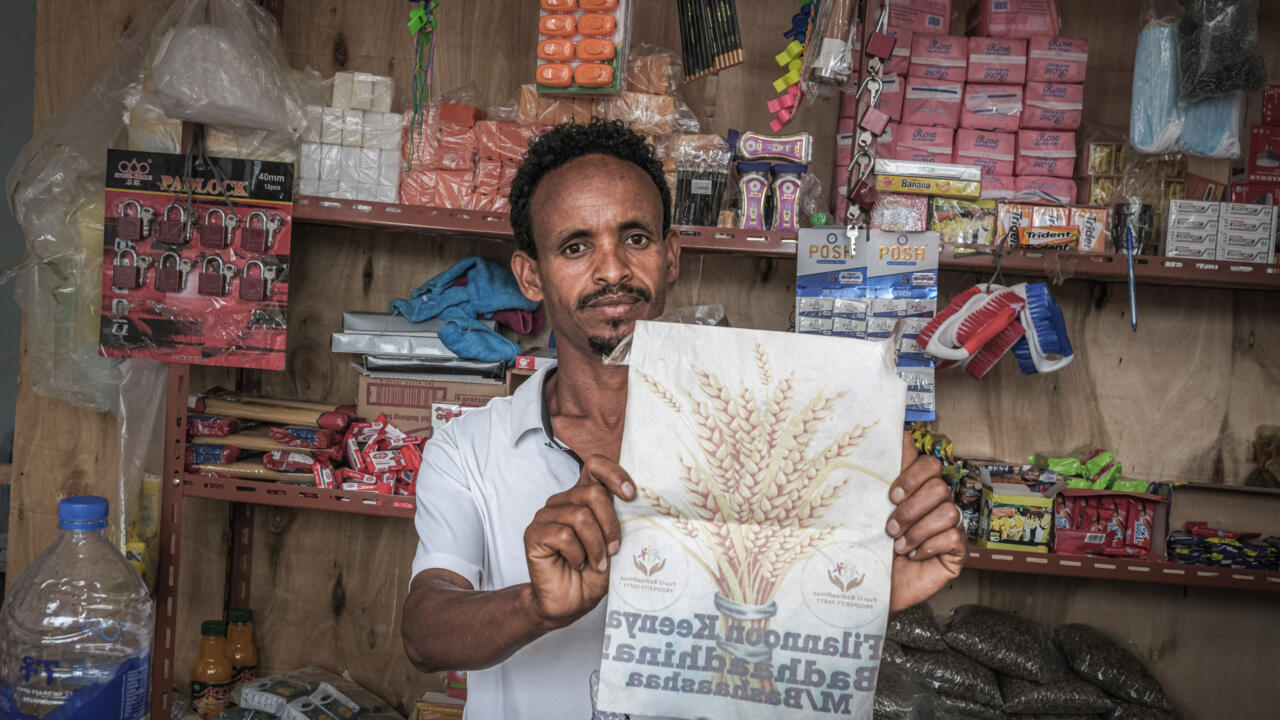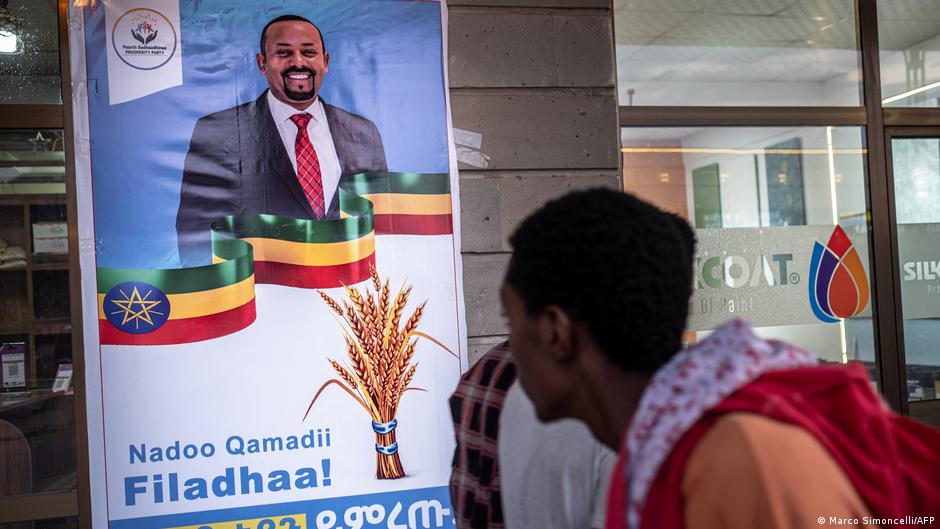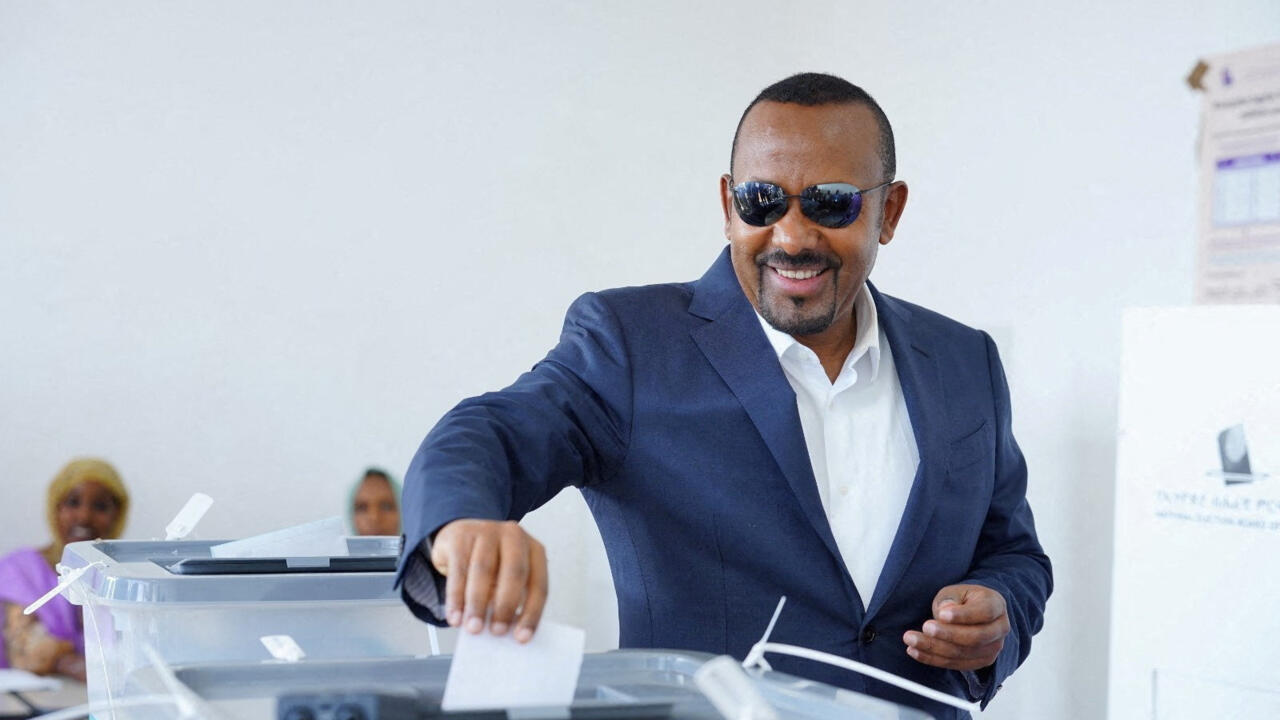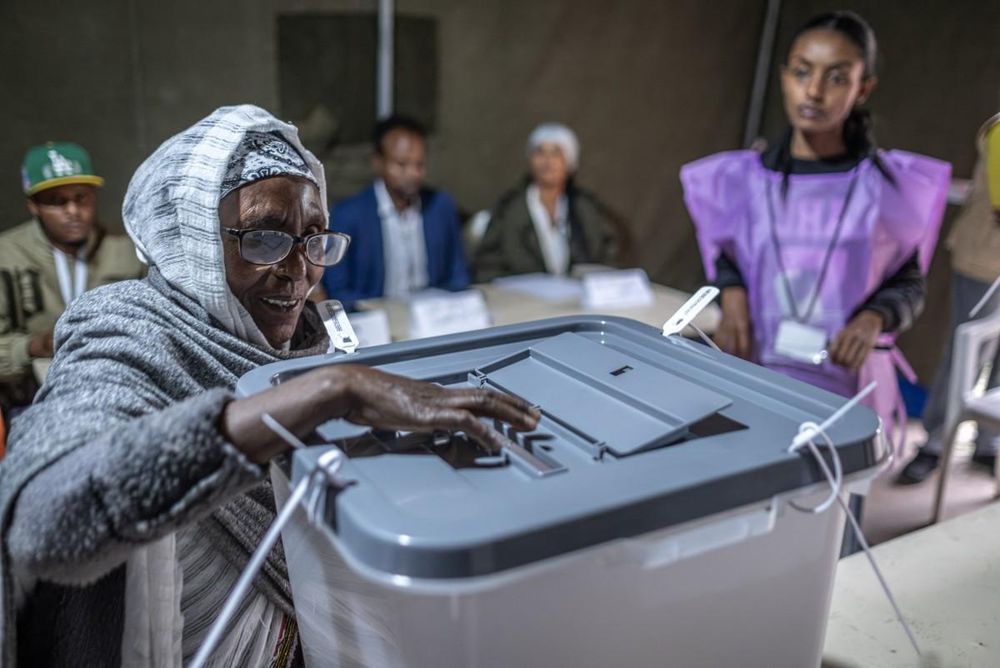
A voter casts her ballot at Shalla Park polling station in Addis Ababa, on June 1, 2026, during the 2026 Ethiopian parliamentary elections. Ethiopia's election shows that political independence does not always lead to democratic transformation or genuine popular power, says the writer.
Kim Heller
There is little doubt that Ethiopia's Prime Minister Abiy Ahmed and his Prosperity Party would win this week's elections by a huge margin. The pressing question is what comes next. Will Ahmed tighten his iron grip or embrace the need for unity and cooperation?
Hopes were high when, in 2018, Abiy Ahmed came to power after mass protests ousted the long-ruling Ethiopian People's Revolutionary Democratic Front. In his early days as Prime Minister, he initiated a series of reforms that generated optimism both at home and abroad. Political prisoners were released from jails, and opposition politicians who had fled the country returned.
A welcome breeze of media freedom swept through Ethiopia. Ahmed's role in restoring peace with Eritrea was recognised globally, and he was awarded the Nobel Peace Prize in 2019. There was a wave of optimism that Ethiopia could become the pinnacle of African-led democratic revival.