Read The Diplomat, Know The Asia-Pacific
The RSF’s score for India is significant not for the number itself, but for what that ranking reflects about deeper structural trends affecting journalism, media ownership, and democratic accountability.
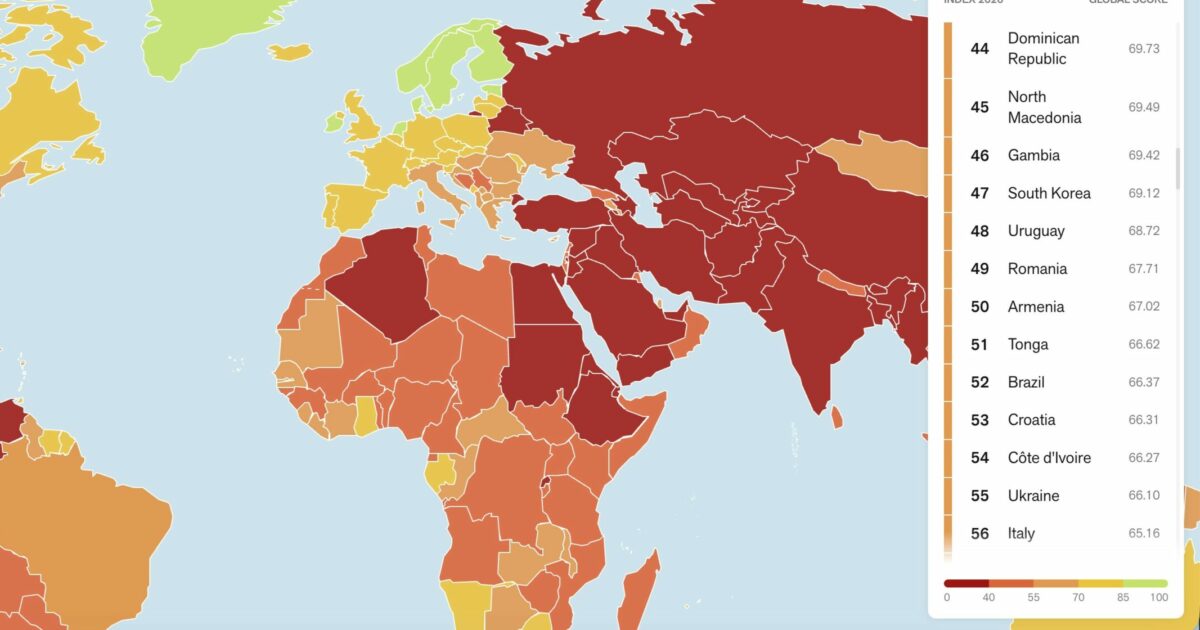
When Reporters Without Borders (RSF) released its 2026 World Press Freedom Index, India’s position drew immediate attention. Ranked 157th out of 180 countries, India fell six places from the previous year and remained among the lowest-ranked democracies in the world.
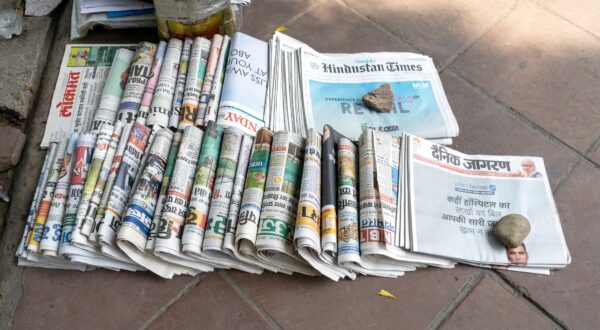
The ranking was met with predictable reactions. Critics pointed to flaws in RSF’s methodology, questioning whether a complex reality can be reduced to a single number. Government supporters argued that international indices often overlook India’s vast and diverse media landscape, which includes thousands of newspapers, television channels, and digital outlets operating across multiple languages.
These criticisms deserve consideration. No ranking is perfect, and press freedom cannot be understood through statistics alone. Yet focusing exclusively on methodological debates risks overlooking a more important question: why do concerns about press freedom in India continue to persist across multiple institutions, reports, and years?