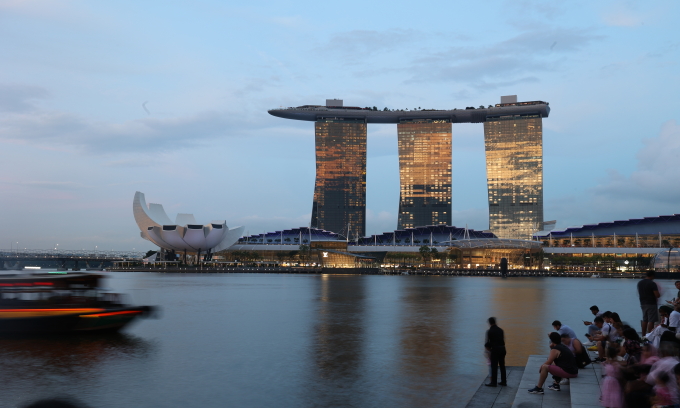
The 2026 Press Freedom Index by Reporters Without Borders once again ranked Singapore near the bottom of global media rankings, placing it 123rd worldwide. It fell below several West African states affected by political instability and conflict, like Mali, Niger, and Burkina Faso. To many outside observers, the result would appear unsurprising. Singapore maintains extensive media regulation, with mainstream media operating in close alignment with state institutions.
Yet viewing Singapore simply as an “unfree” media system misses the political and cultural logic that has long defined the country’s approach to journalism.
International press freedom rankings tend to reflect a largely Western understanding of what a “free press” should look like. In this view, journalism should function with minimal state involvement, prioritize unrestricted expression, and act as an independent watchdog. Singapore complicates the idea that there is only one legitimate way to approach the relationship between the state, society, and the press.
Singapore’s media system is heavily influenced by Confucian traditions, and the broader notion of “Asian values,” which have shaped the country’s political development after independence. Confucian thought traditionally places greater emphasis on harmony, hierarchy, and collective well-being than on confrontation and individual rights. Unrestricted expression is not automatically considered virtuous if it risks social fragmentation or political instability. Journalism is therefore often expected to reinforce social responsibility rather than openly challenge political authority.