The Trump administration this week unveiled its latest plan to hike tariffs, this time focused on the ostensible harms that the prevalence of forced labor in global supply chains do to U.S. commerce.
The latest action would levy tariffs of 10 percent to 12.5 percent on 59 countries and the European Union (making up 99 percent of all U.S. trade), all of whom, the Trump administration says, are lax about regulating forced or compulsory labor in their supply chains.
The Trump administration this week unveiled its latest plan to hike tariffs, this time focused on the ostensible harms that the prevalence of forced labor in global supply chains do to U.S. commerce.
The latest action would levy tariffs of 10 percent to 12.5 percent on 59 countries and the European Union (making up 99 percent of all U.S. trade), all of whom, the Trump administration says, are lax about regulating forced or compulsory labor in their supply chains.
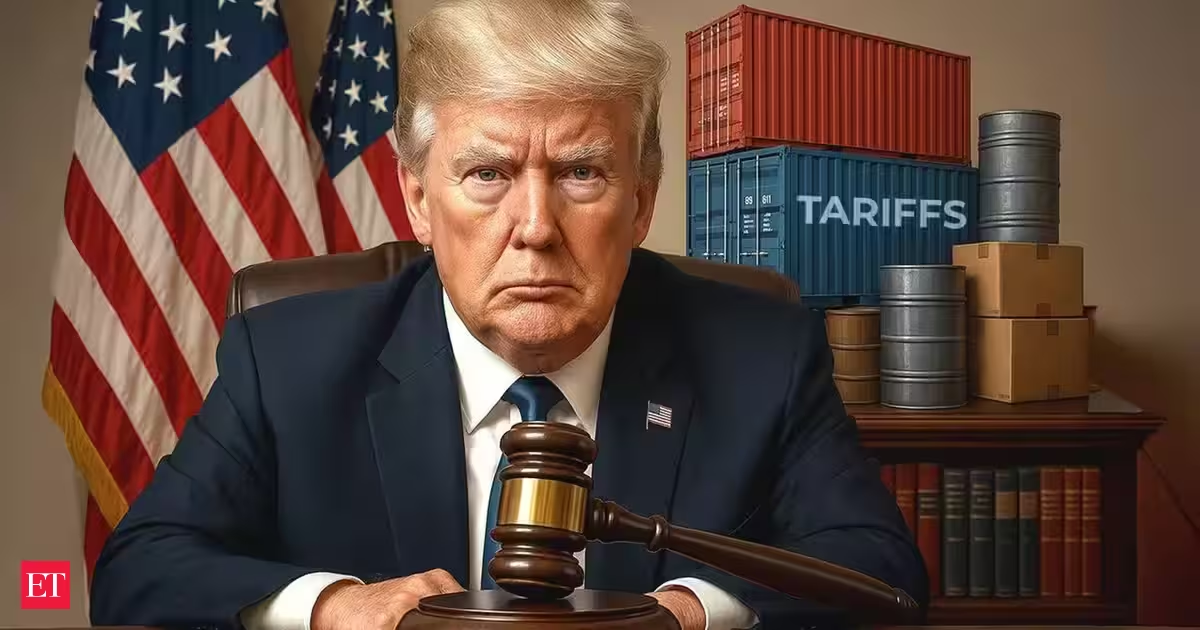
But every trade expert and lawyer understands that the latest use of Section 301 of the 1974 Trade Act—even more than the use this spring of Section 301 to combat “excess capacity” in other economies—is simply another way for U.S. President Donald Trump to levy tariffs after the Supreme Court struck down his sweeping global tariffs earlier this year.